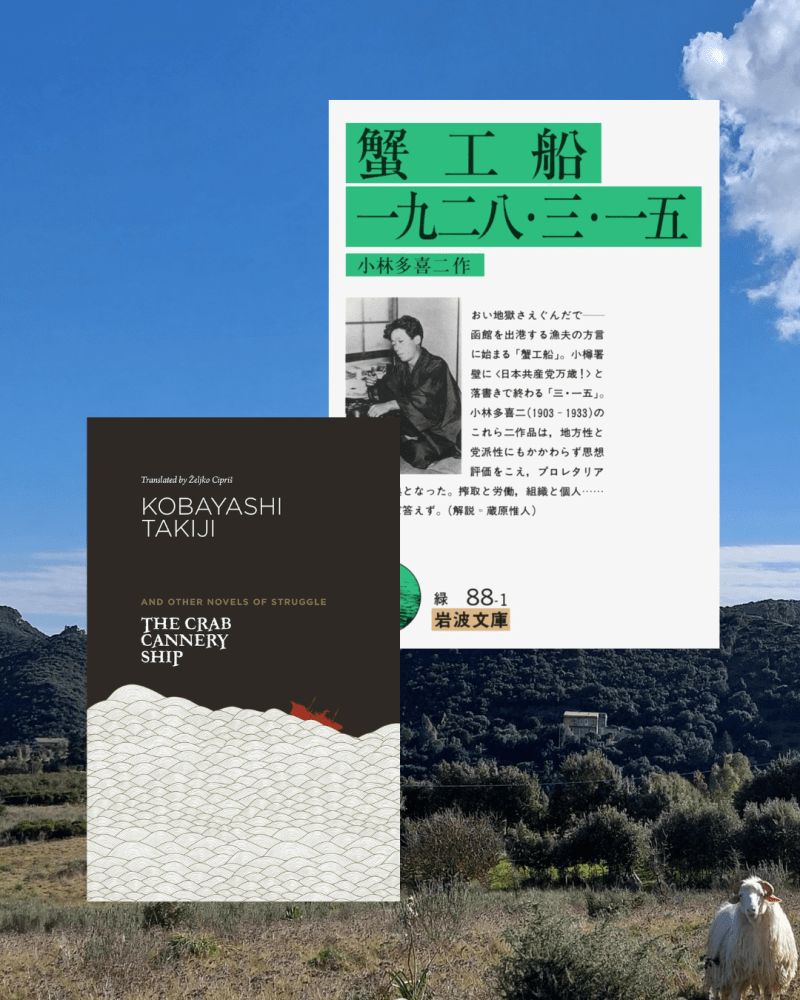
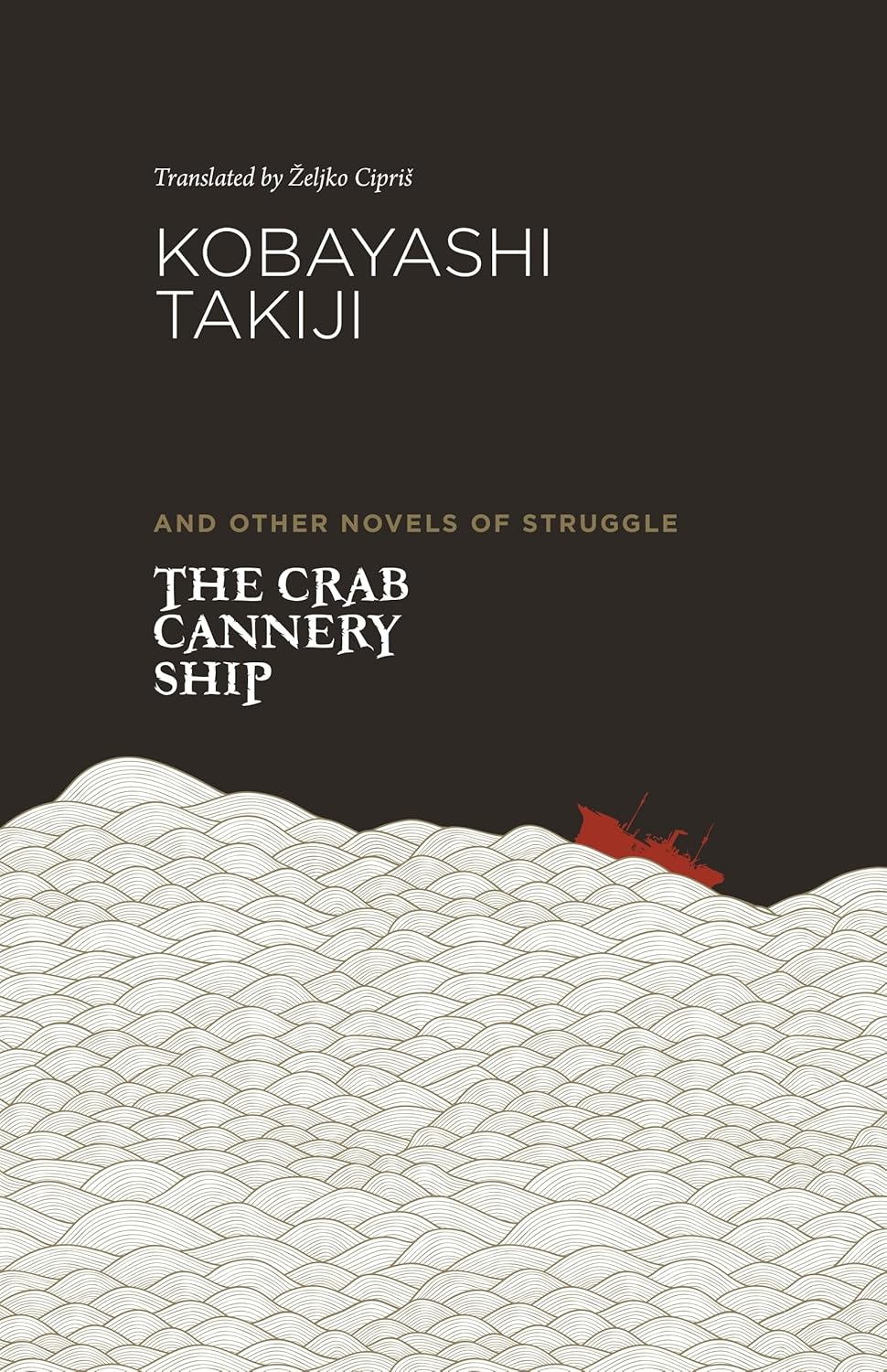
The Crab Cannery Ship
Takiji Kobayashi, 1929
Read in 2009
Check the synopsis and details on amazon.com
🔽 Summary and quick note 🔽
✔ Japan's most influencial Proletarian Literature, first published in an communist magazine
✔ Depicts the men who stand up against exploitations, without a singled out hero
✔ The book is still influencial, with an unusual boom in 2008 and 2009

★★★★★ The men isolated out in the ocean stood up to fight against the harsh, unfair conditions. The power of colectiveness still is still the only effective resistance to exploitation. Masterpiece Proletarian literature from Japan.
English reviews, ENG_About_Japan, ENG_Food, ENG_History, ENG_Japanese fiction, ENG_Philosophy, ENG_Politics, ENG_Russia
🔽 Book review 🔽

In Japan there was a period when Communism was very strong, despite being in the underground.
Whether you agree with Communism or not, you cannot deny the emotional impact, shock, of the stories like this give, of the men who would give up their own lives for a just society.

The book circulated when it was published in a Communist magazine, by the author who was an activist in his 20s, and almost immediately banned.
Only a few years later, in 1933, he died from the violent tortures by the police, hospitals refused to give autopsy out of fear.
It's nearly 100 years since its publication, but people still suffer from the harsh working conditions and exploitation, and we also have young people who stand up against the unfair society.

Back to the book itself.
You get keywords like ship and Russia, so obviously I kept comparing it to the Russian film, Battleship Potemkin.
Like the famous film, the book has no single protagonist, the only named character is the employer.
Many men from the impoverished villages in northern Japan often went to the crab cannery ships, they knew of the hellish life onboard that was awaiting them but they had no choice, or some were tricked into it.
Out in the ocean, without any working regulations or protection, the men lived in the harsh condition, an exploitation from their employer and sometimes their seniors - until they are inspired by Russians.
Where there was no human rights, the only power they could turn to was the power of collectiveness.

The description of the life of these men in the book is raw and cruel, it's divided the public opinions (was it about the society that was evil, or just that particular employer who was evil?) and it rejects to show any heroism.
It's a difficult read but important one.
🔽 Related pages 🔽
English reviews, ENG_About_Japan, ENG_Food, ENG_History, ENG_Japanese fiction, ENG_Philosophy, ENG_Politics, ENG_Russia
🔽 Where to buy / Summary and more info 🔽

●●● Amazon.com (US) ●●●

The Crab Cannery Ship and Other Novels of Struggle

















 赤パンの本棚 akapan's bookshelf