タグ: ENG_About_Japan

  • “Japan cruel stories 1, flock of poor people” Miyamoto Tsuneichi (1959) Review | The history of the majority

    “Japan cruel stories 1, flock of poor people” Miyamoto Tsuneichi (1959) Review | The history of the majority


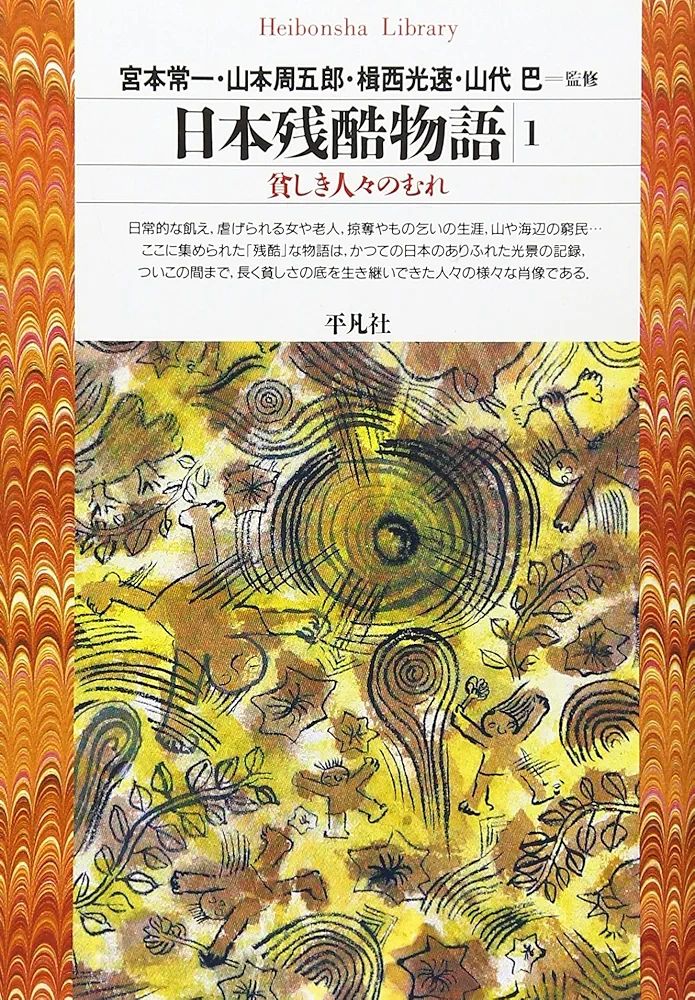
    Nihon Zankoku Monogatari 1
    (Japan cruel stories 1, Flock of poor people)
    Miyamoto Tsuneichi et al, 1959
    日本残酷物語1 貧しき人々の群れ
    宮本常一 他
    Read in 2025.02
    check price on amazon.com
    (Not available in English)


    🔽 Intro and review summary 🔽

    ✔ Local Japanese history and anthropology
    ✔ Focuses on normal people, poor people
    ✔ History that they don't teach at school


    ★★★★★ Normal, majority of Japanese people were poor. And their lives where cruel to them, yes, but can we just simplify this side of history, the history of the majority. Great Anthropology.


    🔽 Book review and notes 🔽
    Miyamoto is my favourite Japanese anthropologist.
    He focuses on folklores and local traditions, and he firmly believes on going to places on foot to meet the locals to learn about their local customs, of the normal people.

    Normal people in Japan were poor. Many foreign travelers from 100 years ago or so all talk about how poor Japan was centuries ago. An English explorer Isabella Bird is a famous one among those.

    Just over 100 years ago, majority of people in Japan suffered from poverty, living lives of thefts, killings, selling their bodies, disposing some family members (often their children of elderly) - to survive.
    You might have heard of the tradition of getting rid of the elderly in the mountain, or newborns in the river "before they were considered living human of the family" the latter famously being considered incredibly cruel by Western Christians that time.
    There are endless examples in this book, examples of how the poorest and weakest of the society had to survive.
    In the meantime, today we love to focus on the rich and powerful like samurai, shogun and rich merchants of Edo period, and how Japan was "sophisticated".
    That's not the reality, the life was cruel, people were cruel.
    But do we dismiss them only as "cruel"?
    Parents who had to select which babies would survive, did they have a choice?
    What did the government do while the rich had their sophisticated lives?
    The sad history of villages attaching trading ships or another village to eat, were they merely cruel?

    In one chapter they specifically talk about female.
    Female are always the victim, especially when the time is hard.
    Female were considered impure and inferior. They were always fighting, in society, in family, with elder female members.
    How dare they give birth to more mouths to feed, it's the female's responsibility and "fault" how insane.
    A chapter on women working in the mining was also great, they carry their family, society, finance on their shoulders, and my god they were strong.

    This is the kind of history we should learn at school, this is the real history of Japan.
    🔽 Where to buy 🔽

    ●●● Amazon.com (US) ●●●

    日本残酷物語〈1〉貧しき人々のむれ (平凡社ライブラリー) Paperback Bunko
    Amazon.co.uk (UK)
    日本残酷物語〈1〉貧しき人々のむれ (平凡社ライブラリー) Paperback Bunko

    Amazon.it (Italy)
    -
  • “A Pale View of Hills” Kazuo Ishiguro (1982) Review | slight malice of “normal” kind people

    “A Pale View of Hills” Kazuo Ishiguro (1982) Review | slight malice of “normal” kind people

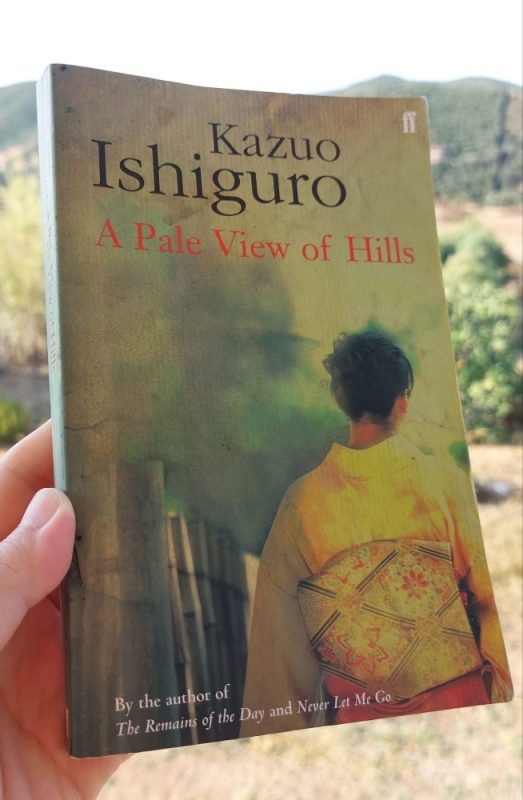
    A Pale View of Hills
    A Pale View of Hills
    Kazuo Ishiguro, 1982
    183 pages
    Read in 2025.02
    check synopsis and details on amazon.com


    🔽 Intro and review summary 🔽

    ✔ Memories of the post war chaos of Nagasaki
    ✔ Struggles of mothers and unreliable nostalgia
    ✔ Mother daughter relationship


    ★★★★★ Ishiguro's stories always have some subtle sarcasm and slight malice of seemingly "normal" kind people. Here you get some madness. It's quiet but it squeezes out our bad intentions we'd like to hide.


    🔽 Book review and notes 🔽
    His debut novel. Actually they just released a Japanese film based on this book as I write this post.

    As always his books are both so Japanese and so English at the same time and there is nobody else in the world who can write with this mixed sentiment.
    His stories are always slightly twisted with a hint of evil of ordinary people.
    Here there's a small madness of Sachiko and her daughter always hanging in the air, while everyone else is perfectly polite, but all slightly selfish. Brilliant, I mean that's how we all are, aren't we.
    The struggle of loss and the post war, past and present. Women with regrets. Women trying to close their past, Etsuko trying to come to terms with her past.

    True, like Etsuko the narrator says, memories are not reliable. Her memories are vague, for her sanity, to comfort herself. And what is wrong with that, she hurt herself enough, she struggled enough.

    A book by Ishiguro, always a pleasure to read. They are quiet, but they squeeze out who we are deeply inside.
    🔽 Where to buy / Summary and info 🔽

    ●●● Amazon.com (US) ●●●
    A Pale View of Hills
    A Pale View of Hills Paperback

    Amazon.co.uk (UK)
    A Pale View of Hills: Kazuo Ishiguro Paperback


    Amazon.it (Italy)
    Pale View of Hills Paperback - English

    Un pallido orizzonte di colline Paperback
    Un pallido orizzonte di colline Paperback


  • “Nanisama” Ryo Asai (2012) Review | Unintentionally funny about Japanese society

    “Nanisama” Ryo Asai (2012) Review | Unintentionally funny about Japanese society

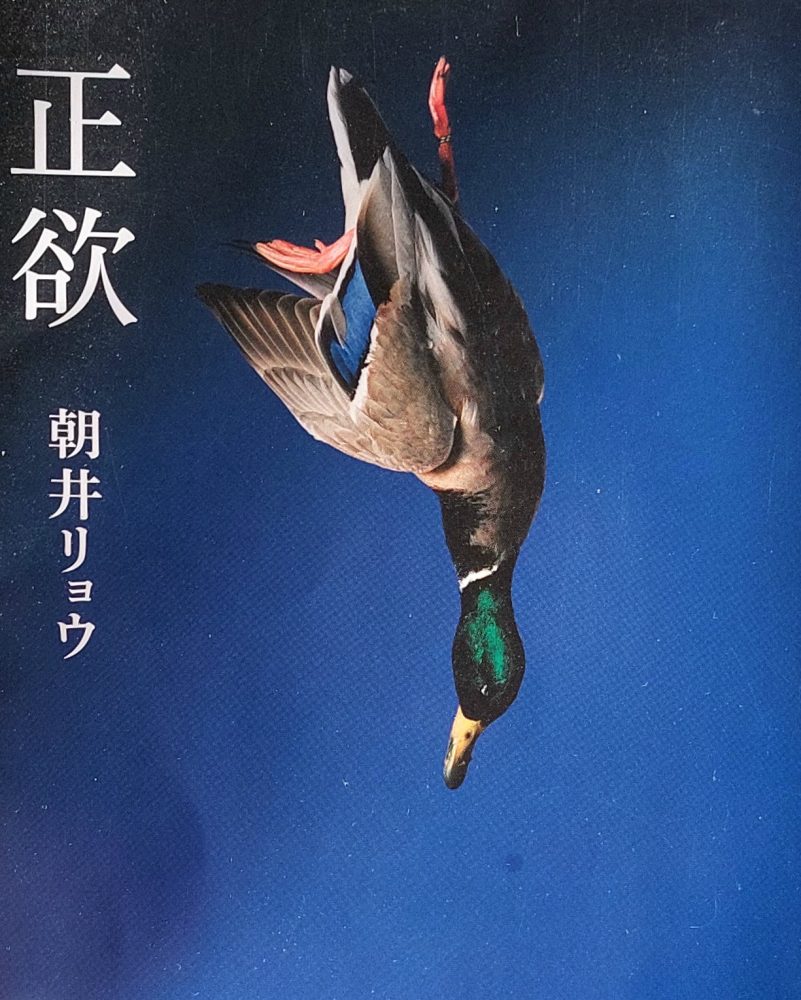
    nanisama
    Nanisama
    Ryo Asai, 2012
    何様
    朝井リョウ
    Japan
    Read in 2025 .03
    Check synopsis and details on amazon.com
    Not available in English


    🔽 Intro and review summary 🔽

    ✔ Japanese society for teens and 20 somethings
    ✔ Mass employment culture
    ✔ Akwardly funny


    ★★★★☆ It's a collection of short stories of regular people in Japan, you know one or two of these people. So diligent, awkward and unintentionally funny. I should have read the previous book in the series though


    🔽 Book review and notes 🔽
    My first time reading Ryo Asai.
    6 short stories, but who know there was a book before this in the series, called Nanimono.
    Both titles meaning something along the line with "who do you think you are"

    It's mainly about job hunting, and in Japan they still mass recruit college students in their last year, so that if they successfully graduate, they can work directly from April of the year (if you don't get expected grades, they can cancel their offer)
    In winter, you see all the 21, 22 year olds going around Japanese cities in their "recruitment suits" with the same hairstyles, same bags, same nervous faces, memorising the perfect answers to what they know their recruiters will ask.
    Anyway so the protagonists are at the verge of new challenges; just got recruited, new start at college, instructor of recruitment.
    Their struggles are so normal, they are awkward, but aren't we all a bit awkward?
    You want to do thing correctly but end up unintentionally funny, loveable ordinary people.
    🔽 Where to buy 🔽

    ●●● Amazon.com (US) ●●●
    nanisama
    何様 Paperback Bunko Japanese Edition
    ●●● Amazon.co.uk (UK) ●●●
    -

    ●●● Amazon.it (Italy) ●●●
    -
    Not available but the prequal "Nanimono" is here;
    Voglio essere qualcuno


  • “(Arrogance and Virtue)” Mizuki Tsujimura (2019) Review | Not so comical “Pride and Prejudice” in Japan

    “(Arrogance and Virtue)” Mizuki Tsujimura (2019) Review | Not so comical “Pride and Prejudice” in Japan


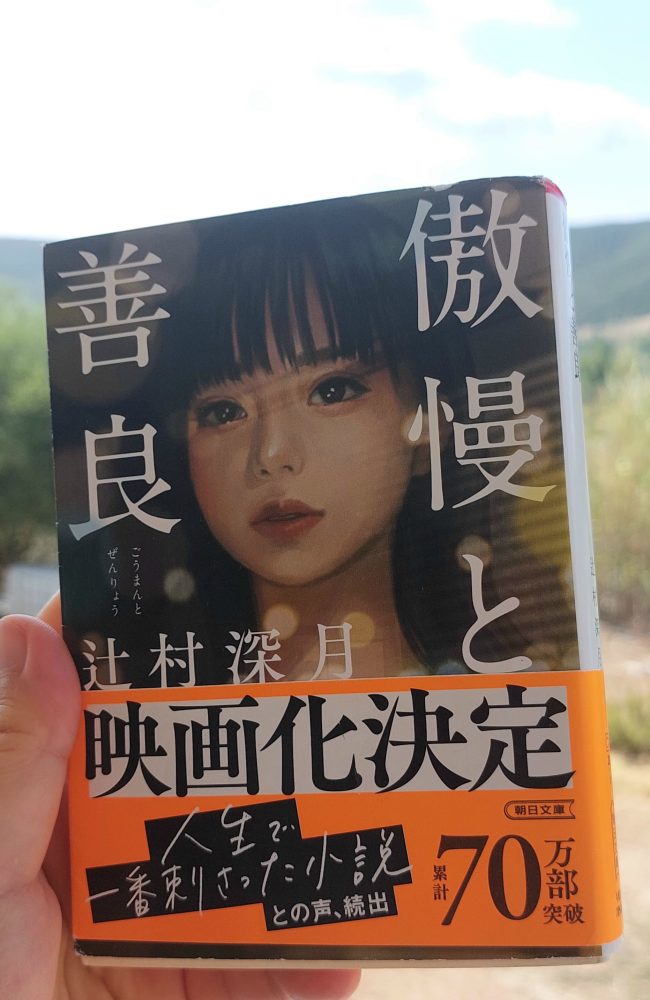
    Gouman to Zenryou
    (Arrogance and Virtue)
    Mizuki Tsujimura, 2019
    傲慢と善良
    辻村深月
    Read in 2025.7
    check synopsis and details on amazon.com

    ✔ Japanese take on Pride and Prejudice
    ✔ Society's expectation on young people
    ✔ Marriage in Japan


    🔽 Review summary 🔽

    ★★★★★ "Pride and Prejudice" in Japan, where the society has a very strict "standard". And you realise you also measure people with those yardsticks. The reality of everyone who has ever been told "you should be married by now"


    🔽 Book review and notes 🔽
    I had never read books by her, but glad I did.

    Japan has a very strict "standard".
    Be a good boy, a good girl, listen to your parents, don't like, don't stand out.
    This is how you get educated since you are little - "when I was young this is how it was, so you should do the same"

    It seems to be a modern love story, at least at the beginning, then his fiancée disappears completely.
    Slowly we learn about her way of thinking and her past, and I'd dare say any Japanese young people "at the marriageable age" will understand both sides, that THIS is the reality they are forced to live in.

    Until our parents' age, it was not unusual to have arranged marriage in Japan, but today they have to go on their "konkatsu" a marriage hunting (rather than a job hunting), using websites, seminars, or apps without help from family or community - what exactly are we looking for in someone you wish to marry?

    It might be difficult for people who grew up in the West to completely understand, because they did not receive the similar education when they were 14, or 8 or 5 years old.
    Or it might be difficult for people from other Asian countries where arranged marriage might be still normal, because you have a backup from both families.
    In Japan, it doesn't belong to either. You cannot stand up for your opinions, or you cannot reply on the safety your family provides.
    Konkatsu is a lonely battle.

    I can't say much without revealing the plot, but just one thing, no you don't need to give up.
    🔽 Where to buy 🔽

    ●●● Amazon.com (US) ●●●

    傲慢と善良 Tankobon Hardcover (Japanese)


    ●●● Amazon.co.uk (UK) ●●●
    傲慢と善良 Tankobon Hardcover (Japanese)

    ●●● Amazon.it (Italy) ●●●
    傲慢と善良 Tankobon Hardcover (Japanese)


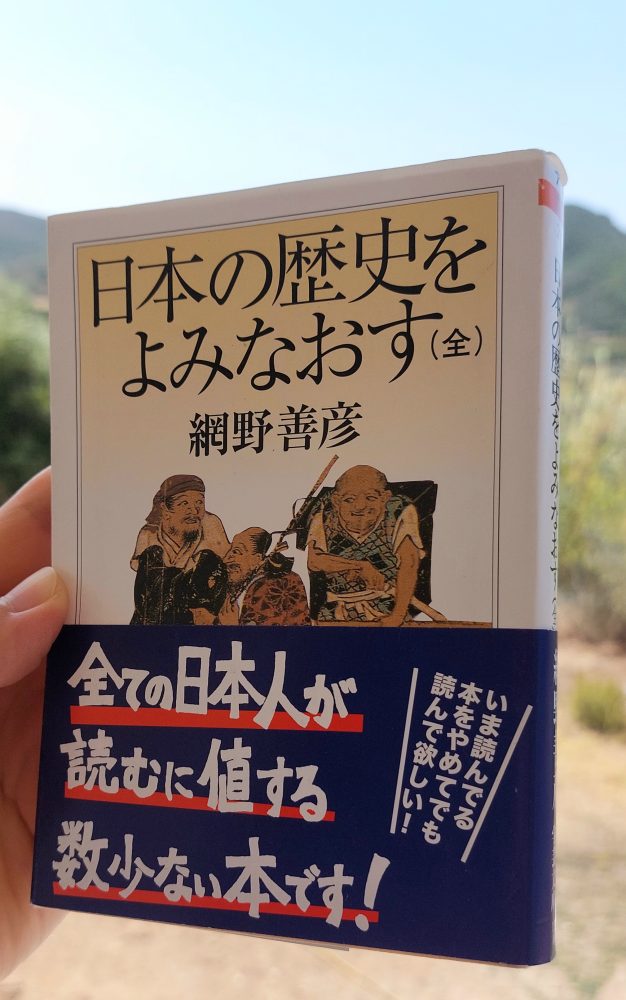
  • “Rethinking Japanese History” Yoshihiko Amino (2005) Review | History’s “Common sense” was wrong

    “Rethinking Japanese History” Yoshihiko Amino (2005) Review | History’s “Common sense” was wrong

    rethinking
    
    Rethinking Japanese History
    Yoshihiko Amino
    日本の歴史をよみなおす(全)
    網野善彦 2005 (1991-)
    Read in 2024.3
    check synopsis and details on amazon.com

    ✔ Japanese history
    ✔ What they don't teach you at school
    ✔ Unknown diverse society


    🔽 Review summary 🔽

    ★★★★★ Also in Japan, they teach you that "Japan was always isolated and agriculture was the main industry". This book teaches you instead that how that "common sense" is wrong.


    🔽 Book review and notes 🔽

    I started reading this thinking it's just another history book.
    How wrong I was.
    This book is actually about how you should forget what they taught you as "common sense"

    We have always been taught in Japan that it's made up of islands, thus isolated, and we only focused on agriculture.
    But when you stop and think about it, how is it possible that Japan was surrounded by the sea but we only ever made rice and vegetables?
    And of course, Japan had culture and technology to go beyond the sea to have trades.
    Japanese culture (or cultures, anyway it was only recently united) was complicated, very liberal with sophisticated technologies and commercial power.
    Oh yeah.
    🔽 Where to buy 🔽

    ●●● Amazon.com (US) ●●●
    rethinking
    Rethinking Japanese History (Michigan Monograph Series in Japanese Studies) (Volume 74)
    ●●● Amazon.co.uk (UK) ●●●
    Rethinking Japanese History: Volume 74 (Michigan Monograph Series in Japanese Studies)

    ●●● Amazon.it (Italy) ●●●
    Rethinking Japanese History: Volume 74 (Michigan Monograph Series in Japanese Studies) (English)


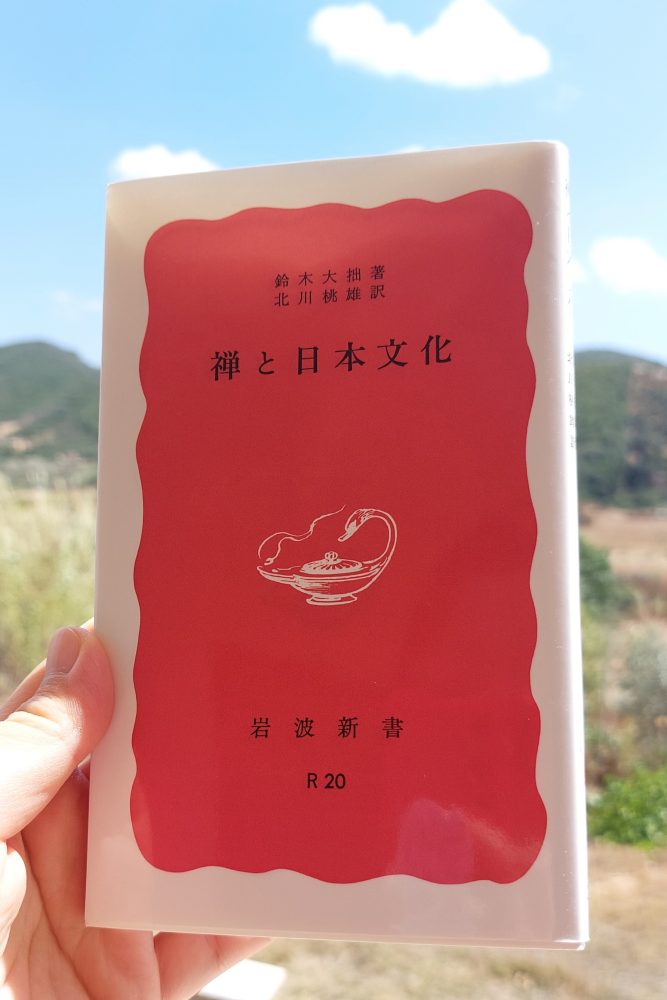
  • “Zen and Japanese culture” Daisetz T. Suzuki (1940) Review | Japanese means zen

    “Zen and Japanese culture” Daisetz T. Suzuki (1940) Review | Japanese means zen

    Zen and Japanese Culture (Princeton Classics)
    Zen and Japanese culture
    Daisetsu Suzuki, 1940
    Daisetz T. Suzuki
    禅と日本文化
    鈴木大拙
    Read in 2024.4
    check synopsis and details on amazon.com

    ✔ Classic book introducing Zen to the US and the West
    ✔ Academic and religious take on Zen for non-Japanese
    ✔ A starting point for those serious about learning Japanese culture


    🔽 Review summary 🔽

    ★★★★★ A classic book on Japan and Zen. Zen is so ubiquitous in Japan that being Japanese means Zen. It was written for the Western audience so it's explained logically. A real starting point to study Japanese culture.


    🔽 Book review and notes 🔽

    It was a collection of lectures on zen by Daisetsu Suzuki in 1938, first published in English and in 1940 it was translated to Japanese.
    This book remains as a very important source for anyone who's interested in Japan and zen - in a serious way.
    Today, "I love Japan" is something I hear so much that it basically has no meaning - unless they can name a few real Japanese things.

    Anyway, it might be difficult to read in a sense that it's old, but because it was for the Western audience explanations are logical so in that sense it's easier to understand, even for Japanese today.

    It's not an introduction to zen as such, but if you are truly interested in zen and Google search won't help you much, then this is the book to turn to.
    When a book on zen is for Japanese audience (and if it's translated to other languages) it tries to make you "read the room" to grasp the idea of zen.
    On a separate note. Interestingly, there's an argument (elsewhere, not this book) that because in Japan, zen or Buddhism is indeed "in the air", you cannot shut it off so that is why Japanese people don't need to feel strongly about being Buddhist or religious or spiritual it's part of their lives anyway, many Japanese will declare that they are not religious.
    However, in places like US, Christianity is not "in the air", you must go to the church to feel it, so they feel strongly about being Christian or religious, or not.

    Zen is intuitive, it is not something you explain through theories, but with ink painting or haiku, even tea ceremony or garden.
    Minimalism and the love of the nature, that spirit is naturally in Japanese arts and lifestyles, therefore being Japanese is being zen.

    It's true, I do feel that it's true, I want to it to be forever true, but, I am not sure if it continues to be true.

    It is the Japan that hundreds of thousands of foreign tourists fantasise, but isn't it the Japan that only exists in our naïve imaginations?
    The rapid economical growth of the 90s is in the past, and the people of that generation worked hard to aim for better lives, more luxury, better education for their kids - admittingly something that is far from zen.
    Today, young people in Japan do not believe that their lives would get better when they grow up.
    Frankly they are not interested. They don't want more stuff, and they don't need more.
    So, are we going back to zen?
    Does that mean, after all, we come back to the statement that, yes, being Japanese means being zen?
    🔽 Where to buy 🔽

    ●●● Amazon.com (US) ●●●
    Zen and Japanese Culture (Princeton Classics)
    Zen and Japanese Culture (Princeton Classics)
    ●●● Amazon.co.uk (UK) ●●●
    Zen and Japanese Culture (Princeton Classics)

    ●●● Amazon.it (Italy) ●●●
    Lo Zen e la cultura giapponese
    Lo Zen e la cultura giapponese (Italiano)


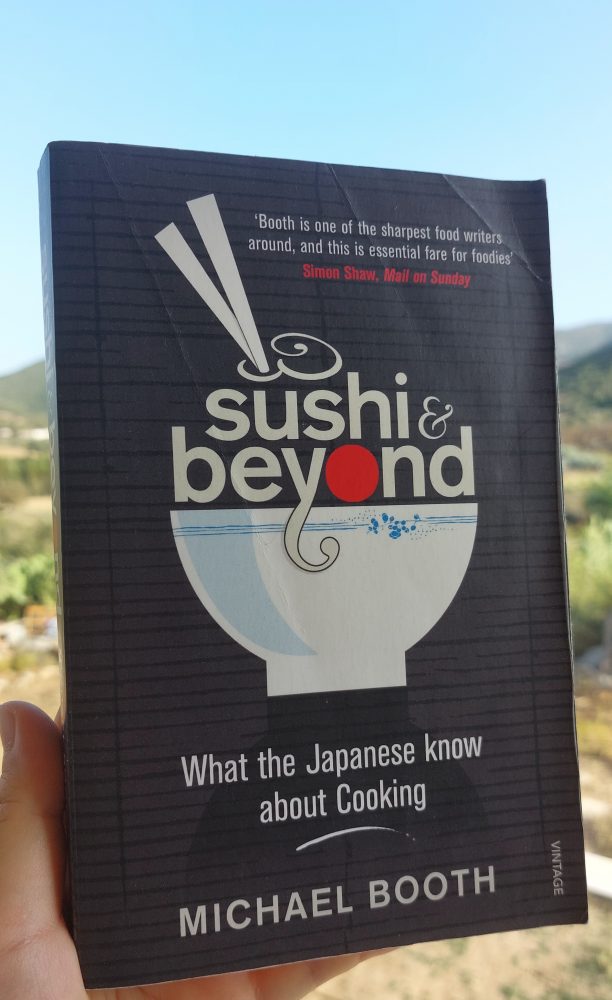
  • “Sushi & beyond” Michael Booth (2009) Review | He’s British, he’s composed

    “Sushi & beyond” Michael Booth (2009) Review | He’s British, he’s composed


    Sushi & Beyond: What the Japanese Know About Cooking
    Michael Booth, 2009
    307 pages
    Read in 2024.4
    check synopsis and details on amazon.com


    🔽 Intro and review summary 🔽

    ✔ English journalist tavels to Japan with family
    ✔ His discovery of Japanese food, often unusual
    ✔ Insightful, travelling before the current Japan boom

    ★★★★☆ A great and fun book. It's also nice that although very obviously he fell in love with the food, he's not religiously admiring everything. He's British, he's composed.


    🔽 Book review and notes 🔽

    A great and fun book for foodies who are into Japanese food.

    Of course as a Japanese, it's not like I didn't know these things but I didn't know them that deeply with all the facts, because, an average Japanese cannot have access to many things.

    He travels around Japan with his wife and 2 small boys, though he'd spend a lot of time working, it is true that kids are passports to kindness from locals. So it's both travel journal and food journal.

    It's also nice that although very obviously he fell in love with the food, he's not religiously admiring everything. Or too geeky or too disgusted.
    He knows he had access to special places and with privileges but he's curious to know, see eat everything, what can he do? He went for it and sharing the story here.
    🔽 Where to buy 🔽

    ●●● Amazon.com (US) ●●●

    Sushi and Beyond: What the Japanese Know About Cooking


    ●●● Amazon.co.uk (UK) ●●●
    Sushi and Beyond: What the Japanese Know About Cooking

    ●●● Amazon.it (Italy) ●●●
    Sushi and Beyond: What the Japanese Know About Cooking (English)


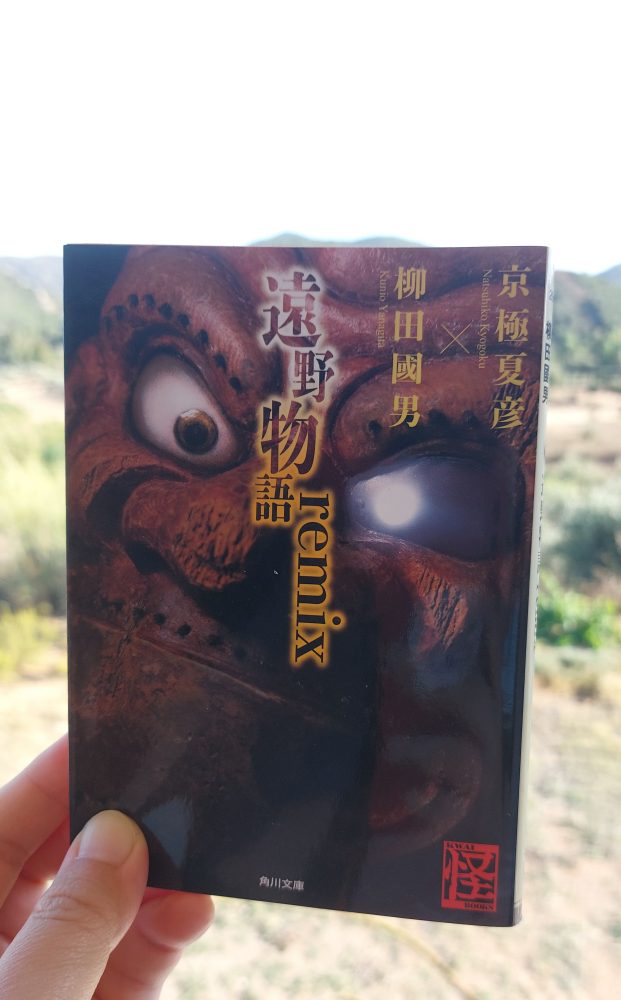
  • “The Legends of Tono” Kunio Yanagita, Natsuhiko Kyogoku, (2013) Review | Japanese legends

    “The Legends of Tono” Kunio Yanagita, Natsuhiko Kyogoku, (2013) Review | Japanese legends


    The Legends of Tono REMIX
    Kunio Yanagida
    Natsuhiko Kyogoku
    Read in 2024.4
    check synopsis and details on amazon.com


    🔽 Intro and review summary 🔽

    ✔ Classic on Japanese folklores
    ✔ Recognisable monsters and yokai


    ★★★★☆ Tono, a small area in Tohoku, is well known by Japanese for their memorable legends, thanks to this book. If you are interested in local or Japanese ghost and yokai stories, this is where you should begin your quest.


    🔽 Book review and notes 🔽

    The original version by Kunio Yanagita was written in 1910, this version I read was "remixed" in 2013 by a mystery writer Natsuhiko Kyogoku.

    Tono is in Tohoku region in the north of Japan, not far from the area destroyed by tsunami.
    It's not a vast area geographically, but incredibly rich in folklores and probably the only village associated so strongly with their local legends, because of this book.
    In other words, we must consider ourselves lucky that Tono's legends are preserved by the folklorist Yanagita, and can't help but wonder how many hundreds of thousands of local stories and legends have been wiped out in history, disappeared like they had never existed.

    Even kids outside of Japan know words like "yokai" thanks to a popular anime, and if you are familiar, you recognise many "characters" or concepts in this book.
    Monsters or ghost in the mountains, or by the river - you find similar themes in stories of the brothers Grimm, because it is universal.
    Anything outside of your village is dangerous, so is any wider knowledge than what they give you.

    It's not written to scare you, it's just a collection of the legends... but I admit it's pretty scary. It doesn't help the fact that I live in a countryside.

    The original book was written in 1910, since then there have been many versions, including a manga by Shigeru Mizuki but this version I read was "remixed" by Kyogoku, using more modern Japanese language for today's readers.
    When you think about it, Yanagita also collected folklores that were already pretty old then, so it's not unusual that it gets modernised or re-translated time to time, especially if what you are interested in is the actual stories from centuries ago and not the language of 100 years ago.
    🔽 Where to buy 🔽

    ●●● Amazon.com (US) ●●●

    The Legends of Tono


    ●●● Amazon.co.uk (UK) ●●●
    The Legends of Tono

    ●●● Amazon.it (Italy) ●●●
    The Legends of Tono (English)
    
    
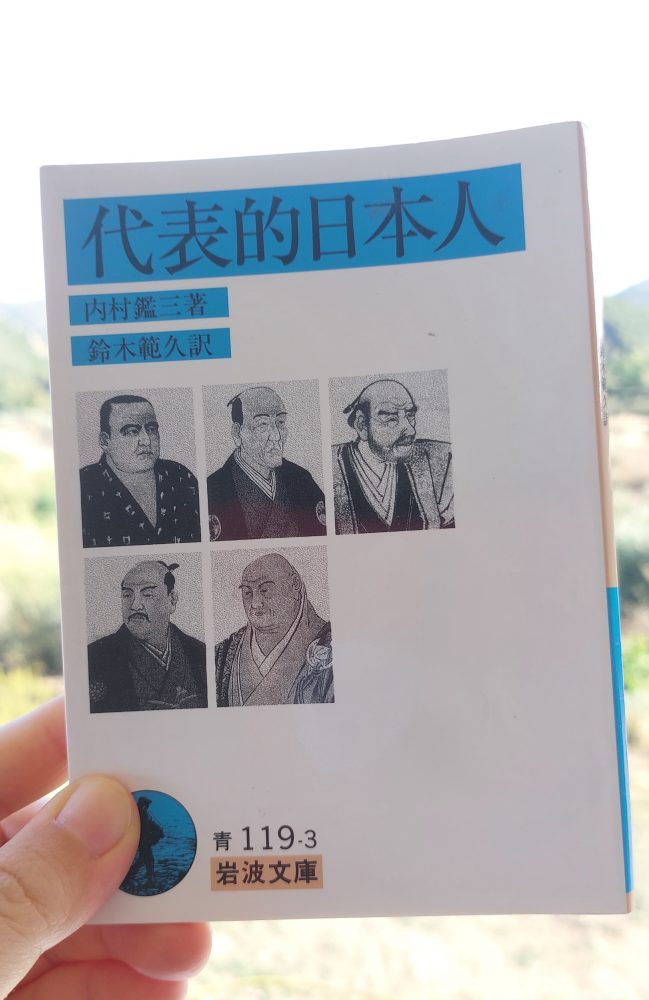
  • “Representative men of Japan” Kanzo Uchimura, 1908 Review | A resistance from this Christian Japanese author

    “Representative men of Japan” Kanzo Uchimura, 1908 Review | A resistance from this Christian Japanese author


    "Representative men of Japan" from Japan and the Japanese
    Kanzo Uchimura, 1894 and 1908
    代表的日本人
    内村鑑三
    Read in 2024.4
    check synopsis and details on amazon.com


    🔽 Intro and review summary 🔽

    ✔ History and biography of Japanese individuals
    ✔ Nationalism at the turn of the century
    ✔ Christian Japanese author

    ★★★★☆ At the turn of the century the wave of Westernisation was unstoppable. This book was a resistance from this Christian Japanese author, to claim that Japan was also great. A bit too subjective but the real value of this book is the intention of the author.

    🔽 Book review and notes 🔽

    It was originally written under the title of "Japan and the Japanese" in 1894, then released again as "Representative Men of Japan in 1908.
    You get the idea how nationalistic the intention was.

    Important fact is that he was a Christian evangelist, who founded Non-church Movement, seeking to reconcile Japan and Christianity.

    At the turn of the century, the West has ruined Asia and the wave of Westernisation was unstoppable.
    This book was a resistance from this Christian Japanese author, to claim that Japan was also great.

    As it turns out, a lot in this book is subjective.
    Each chapter starts off by introducing how Japan is doing in the particular field, and goes on to say how each man is great and Japanese are wonderful.
    The first man in the book is Takamori Saigo, and the book goes a bit extreme to praise his idea that Japan should conquer Korea, Seikanron, which I felt uncomfortable, but then I read in the afterword that Uchimura soon later became anti-war so those comments were just left over from his older belief.
    Today he is remembered as a pacifist (so it feels weird he had agreed on seikanron, but there you go people can change)

    So, it is a bit too subjective and very specific to this particular period of time in Japan to actually learn any history of Japan or these Japanese men.
    However what's more important and interesting, indeed the value of this book, is the intention of the author, why he wrote it in this way, how he wished Japan to be equal to European powers and how that was the aim of many intellectuals from this period.
    🔽 Where to buy 🔽

    ●●● Amazon.com (US) ●●●

    Representative men of Japan


    ●●● Amazon.co.uk (UK) ●●●
    Representative Men of Japan Kindle Edition

    ●●● Amazon.it (Italy) ●●●
    --


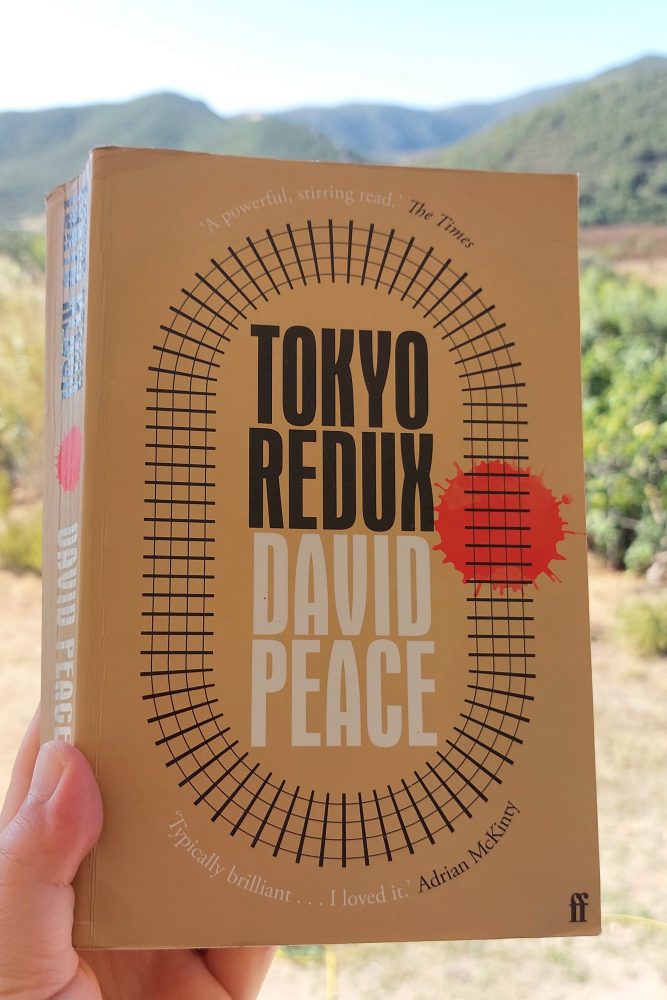
  • “Tokyo Redux” David Peace, (2021) Review | Catching “Shimoyama disease”

    “Tokyo Redux” David Peace, (2021) Review | Catching “Shimoyama disease”


    Tokyo Redux
    David Peace, 2021
    480 pages
    Read in 2024.5
    check synopsis and details on amazon.com


    🔽 Intro and review summary 🔽

    ✔ Historical fiction based on the real unsolved case
    ✔ Post war Japan between domestic and US politics
    ✔ Mystery from a point of view of an American occupier Japan


    ★★★★☆ A fiction based on postwar Japan's most mysterious unsolved case from 1949. Nostalgic and mysterious like Japan and hardboiled-cool like America. You too will catch "Shimoyama disease".

    🔽 Book review and notes 🔽
    What is “Shimoyama case”?
    It’s a fiction based on Japan’s most mysterious unresolved case from 1949.

    It’s full of masculine romanticism, throughout Japan’s Showa era, basen in Tokyo that everyone fantacises.

    Nostalgic and mysterious like Japan and hardboiled-cool like America.

    As they say, you catch “Shimoyama disease”.
    The writer is not Japanese, but precisely because of that it is good and is such a page turner, I now need to find the other 2 of the trilogy.

    🔽 Where to buy 🔽

    ●●● Amazon.com (US) ●●●

    Tokyo redux


    ●●● Amazon.co.uk (UK) ●●●
    Tokyo Redux

    ●●● Amazon.it (Italy) ●●●
    Tokyo Redux (English)

  • “Lavish are the Dead, Prize Stock” Kenzaburo Oe (1958) Review | Confinement, hopelessness

    “Lavish are the Dead, Prize Stock” Kenzaburo Oe (1958) Review | Confinement, hopelessness


    Lavish are the Dead, Prize Stock and other stories
    Shisha no ogori, Shiiku
    Kenzaburo Oe, 1958
    死者の奢り 飼育
    大江健三郎
    Read in 2024.05
    check synopsis and details on amazon.com

    🔽 Intro and review summary 🔽

    ✔ Short stories about war and corpses
    ✔ Relationship between a captured solder and the village people
    ✔ "Conversation" with corpses kept for medical purposes


    🔽 Review summary 🔽

    ★★★★★ The feeling of confinement, hopelessness, and the raw human connection that exists there. If you remove everything other than what you'd need to live today and maybe tomorrow, what kind of humanity are we left with? A strong message of anti-war and hatred towards hypocrites.


    🔽 Book review and notes 🔽
    I kind of avoided reading it because I knew it'd affect me strongly especially if I was unwell.
    And it did.

    Tragedies of a war obviously mean the death and physical injuries or destruction but it takes away people's spirits, scrape off anything that define us as human.

    Lavish are the Dead is a story of a student who does a day job cleaning corpses at university, and how he connects with the bodies floating in a pool for preservation.
    Stock Prize, which is probably more well known, tells a wartime story of a village and their "catch", a black American airman whom they found and kept. Fed like an animal by locals and their kids, he is kept in the village (Shiiku means "breeding")
    It's a short story full of racism, xenophobe, cruel innocence of kids, violence, and it makes you sick reading it, but, what's more disturbing is that, right or wrong, you as a reader do understand their point, too.

    Reading these stories, it feels like your world is becoming so small that it almost chokes you.
    Remove all the wonderful things about being human, like humanity, social interaction, fraternity or benevolence, and you face another human with the raw cold iron feeling - you're barely a human at this point.
    Oe's message is clear, anti-war and anti-hypocrites, but he exposes our own hypocrisy while sending out that message.

    If you are not well mentally or physically, it's a book to avoid.
    🔽 Where to buy 🔽

    ●●● Amazon.com (US) ●●●

    Catch and Other Stories (English and Japanese Edition)

    (contains Catch a.k.a Stock Prize)

    ●●● Amazon.co.uk (UK) ●●●
    --
    ●●● Amazon.it (Italy) ●●●
    --
  • “An Artist of the Floating World” Kazuo Ishiguro (1986) Review | Japanese sentiment

    “An Artist of the Floating World” Kazuo Ishiguro (1986) Review | Japanese sentiment


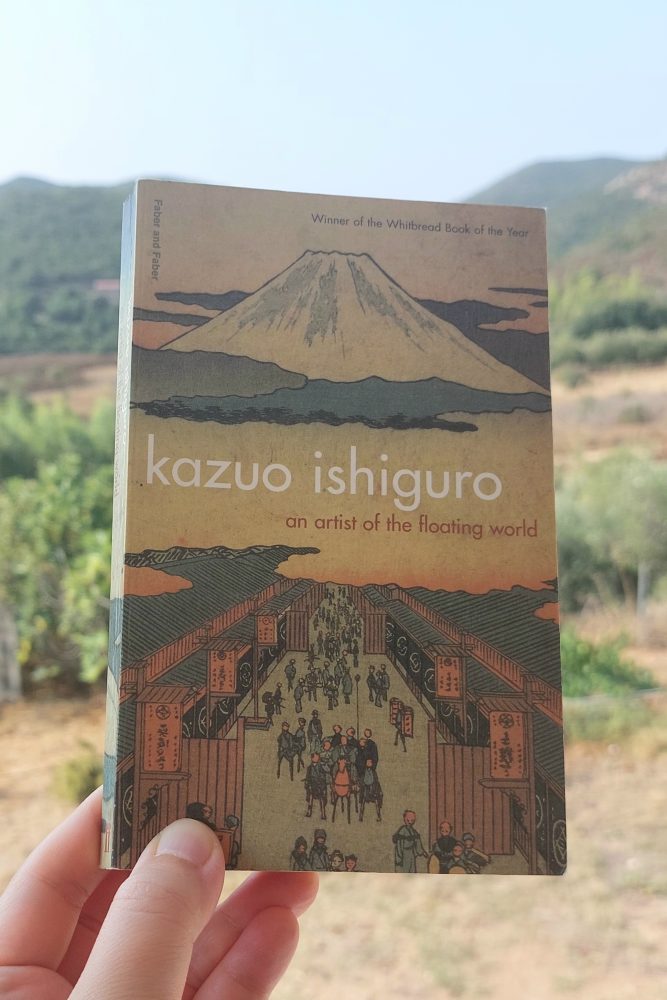
    An Artist of the Floating World
    Kazuo Ishiguro, 1986
    UK
    206 pages
    Read in 2024.7
    check price on amazon.com

    ✔ Early Ishiguro
    ✔ Japanese sentiment after the war
    ✔ An old man’s struggle to face the change of the society

    🔽 Review summary 🔽

    ★★★★★ Remembering the past, remembering the regrets and hoping for a bright content future. Classic Ishiguro here, perfectly capturing the Japanese sentiment. Elegant.


    🔽 Book review and notes 🔽

    Remembering the past, remembering the regrets and hoping for a bright content future.
    Classic Ishiguro here, with an old man as the protagonist, perfectly capturing the Japanese sentiment.

    He revisits and reviews his life as he gets old, old enough to have others around him die, and slowly sees his mistakes of being too nationalistic, though that was the norm, and for his daughter’s sake he acknowledges the mistakes.

    Slow and elegant and all you expect from Ishiguro.

    Nobel prize winner

    🔽 Where to buy 🔽

    ●●● Amazon.com (US) ●●●

    An Artist of the Floating World


    ●●● Amazon.co.uk (UK) ●●●
    An Artist of the Floating World: As heard on BBC Radio 4 Book at Bedtime

    ●●● Amazon.it (Italy) ●●●
    Un artista del mondo fluttuante (Italiano)

  • “Ikigai” Ken Mogi (2017) Review | Little Happiness

    “Ikigai” Ken Mogi (2017) Review | Little Happiness


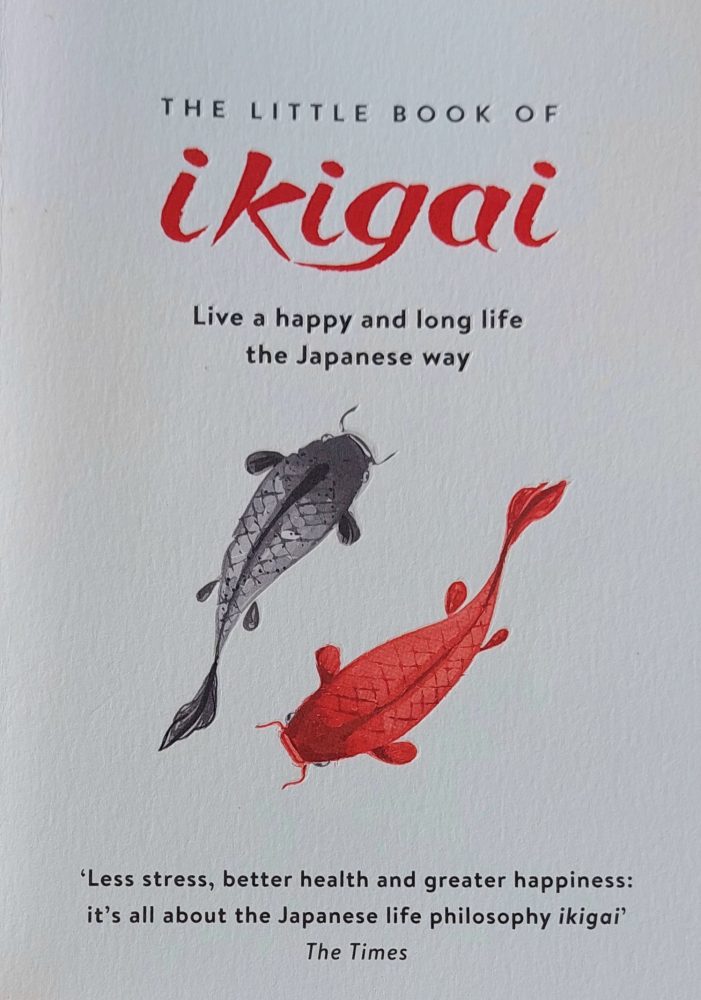
    Ikigai
    Ken Mogi, 2017
    茂木健一郎
    208 pages
    Read in 2020.05
    check price on amazon.com
    ✔ Essay on Japanese way of life
    ✔ The term "ikigai" became known in English
    ✔ By a neuroscientist


    🔽 Review summary 🔽

    ★★★★☆ A book about how to live a life with "ikigai" which is a Japanese notion of "little happiness". Written by Japan's favourite neuroscientist, it's both logical and entertaining.


    🔽 Book review and notes 🔽

    A book about how to live a life with "ikigai" which is a Japanese notion of "little happiness" in a very broad sense.

    It was originally published for UK readers, so it's a lot about introducing Japanese culture and traditions while showing how the notion of "ikigai" is born and appreciated there.

    It'd help non-Japanese to solve mystery of the mindsets of Japanese people.
    Ridiculously detailed work by craftsmen and (apparently) uniformed lifestyle of salarymen - behind all that there is the "ikigai" to keep them going.

    After reading this people would definitely like Japan more.
    It is in a way a PR for Japan, but because it is written by Japan's favourite neuroscientist, it's both logical and entertaining.

    p.s.
    I love how US title is different from the UK title, American version focuses more on purposes, while British more on "little" happiness.


    🔽 Where to buy / Summary and more info 🔽

    ●●● Amazon.com (US) ●●●
    Awakening Your Ikigai: How the Japanese Wake Up to Joy and Purpose Every Day
    Awakening Your Ikigai: How the Japanese Wake Up to Joy and Purpose Every Day

    ●●● Amazon.co.uk (UK) ●●●
    The Little Book of Ikigai: The secret Japanese way to live a happy and long life
    The Little Book of Ikigai: The secret Japanese way to live a happy and long life

    ●●● Amazon.it (Italy) ●●●
    Il piccolo libro dell'ikigai. La via giapponese alla felicità
  • “Kokuho (National Treasure)” Shuichi Yoshida (2018) Review | Beauty himself

    “Kokuho (National Treasure)” Shuichi Yoshida (2018) Review | Beauty himself


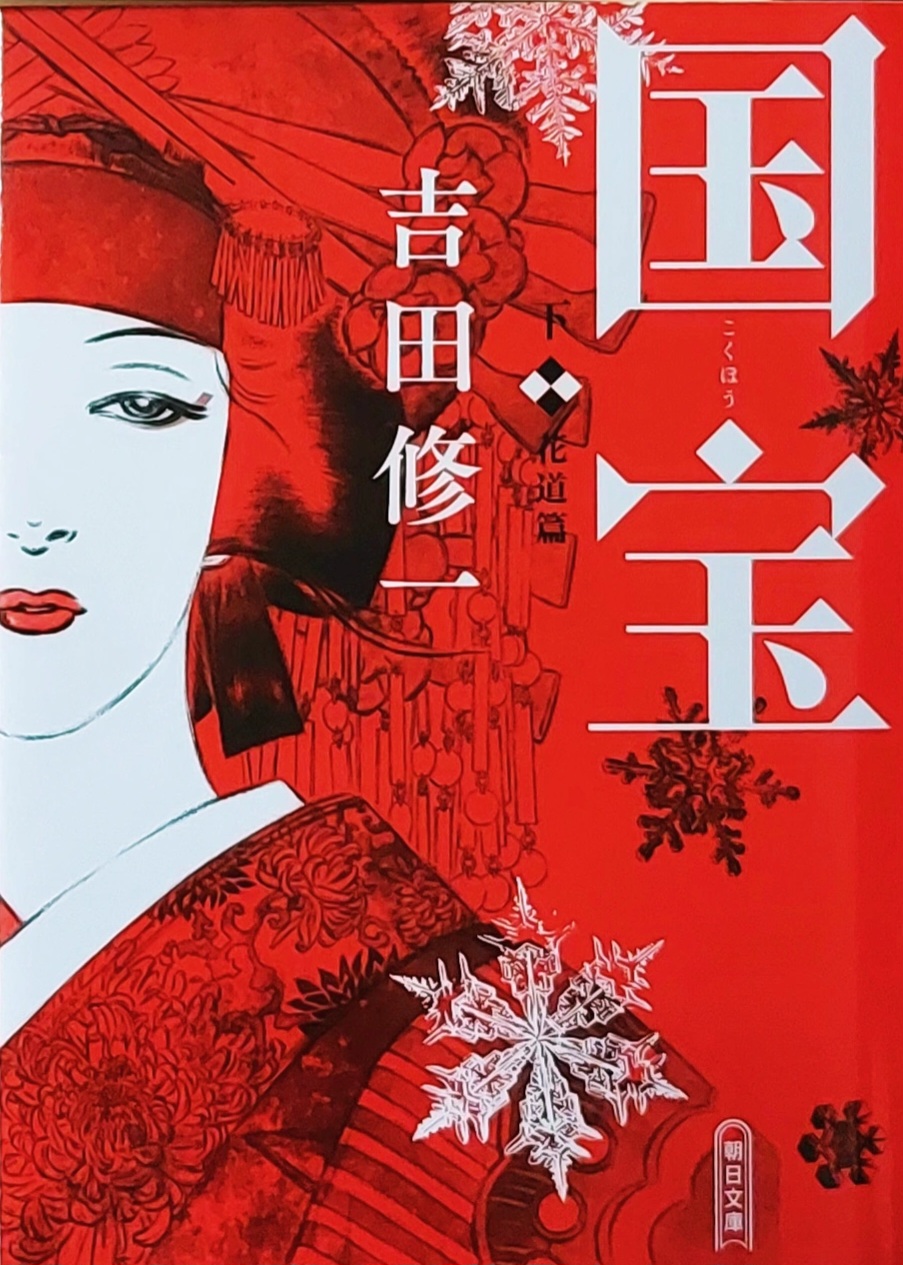
    Kokuho (National Treasure)
    Shuichi Yoshida, 2018
    国宝 上下
    吉田修一
    Japan
    Read in 2025.09
    check price on amazon.com

    ✔ Yakuza son joins Kabuki family
    ✔ Friendship and brotherhood
    ✔ The film is a huge hit


    🔽 Review summary 🔽

    ★★★★★+♥ The film was an instant blockbuster, so I had a very high expectation – and it blew it away. A story of a son of yakuza turned kabuki actor who is the beauty itself, a national treasure.


    🔽 Book review and notes 🔽
    The film had just come out and was an instant hit, the second highest-grossing live-action movie in history in Japan, so I had a very high expectation – and it blew it away.

    Kikuo, a son of a dead yakuza boss in Nagasaki, becomes an apprentice in a kabuki family in Osaka where he spend his entire childhood learning the way of kabuki with their son, Shunsuke, a thoroughbred whose success and career guaranteed by bloodline.
    They are the best friends, the best partners and rivals – of course you know already from this setting that it’d be a good story.

    But wait until you read the book, it’s not that simple.
    Kikuo loves kabuki and has an usual talent, but that’s not enough.
    He gets thrown into the dark pit of the destiny, and by random chance he gets saved, then fallen, then picked up and admired; he has no life of his own, but he has his genius, dedication and his beauty as an art.

    This is a story of how one lives for an art, and as an art, as a “kokuho” living national treasure.

    I hope to watch the film soon too, by Lee Sang-il, hands down everyone is praising it.
    As of now, it will be released in US and France.
    Of course Ryo Yoshizawa and Ryusei Yokohama will be beautiful, Ken Watanabe will be powerful, but I want to see Min Tanaka, 80 year old dancer/actor who has the strongest presence on screen in Japan today.

    🔽 Where to buy 🔽

    ●●● Amazon.com (US) ●●●

    国宝 上 青春篇 Audible Logo Audible Audiobook


    ●●● Amazon.co.uk (UK) ●●●

    【Amazon.co.jp限定】国宝 オリジナル・サウンドトラック - 原摩利彦 (国宝ロゴオリジナルメガジャケット付) (Audible Japanese)


    ●●● Amazon.it (Italy) ●●●
    国宝 (上) 青春篇 (朝日文庫) (Giapponese)

  • “War Criminal” Saburo Shiroyama (1974) Review | Tokyo Trial

    “War Criminal” Saburo Shiroyama (1974) Review | Tokyo Trial

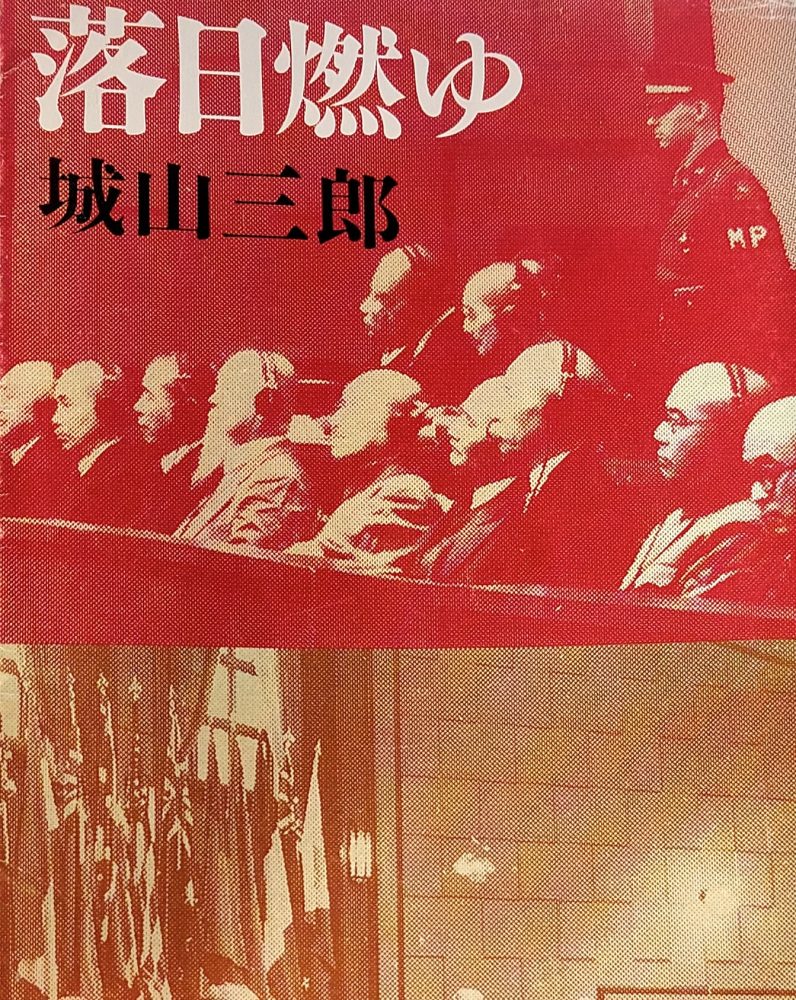
    War Criminal: The Life and Death of Hirota Koki
    Saburo Shiroyama, 1974
    落日燃ゆ
    城山三郎 1974
    Read in 2024.11
    check price on amazon.com
    
    
    ✔ Historical fiction ✔ Tokyo trial and the power of the winner ✔ Japanese politics during the war 🔽 Review summary 🔽
    ★★★★☆  Ex-PM Hirota, the only politician who received the death sentence at Tokyo Trial who was not a military person. This ex diplomat tried not to start the war, but the history is always written by the victors. 🔽 Book review and notes 🔽 Shiroyama, the only politician who received the death sentence at Tokyo Trial who was not a military person. A diplomat, a prime minister. Born in a regular family in Fukuoka, he was bright so he was encourage to study hard to go to Tokyo. Until he became a prime minister, as a diplomat, he did what he could to avoid starting the war, but it was already too late, Japanese military already had too much power by then. He did not utter any word of defense during the Trial, though many did feel it was unfair, but as he himself says, his crime is he was too powerless to stop the war from starting - thus death penalty. Any effort for peace meant nothing in front of the military force who took over the government, and any effort to prove his innocence also would have meant nothing in front of the US government who could rule the loser however they wanted to. History is always written by the victors. There is no time to waste when you have so much power over someone else. It makes you ponder if we ever change.
    🔽 Where to buy 🔽

    ●●● Amazon.com (US) ●●●

    War Criminal: The Life and Death of Hirota Koki


    ●●● Amazon.co.uk (UK) ●●●
    War Criminal: The Life and Death of Hirota Koki

    ●●● Amazon.it (Italy) ●●●
    War Criminal: The Life and Death of Hirota Koki (English)
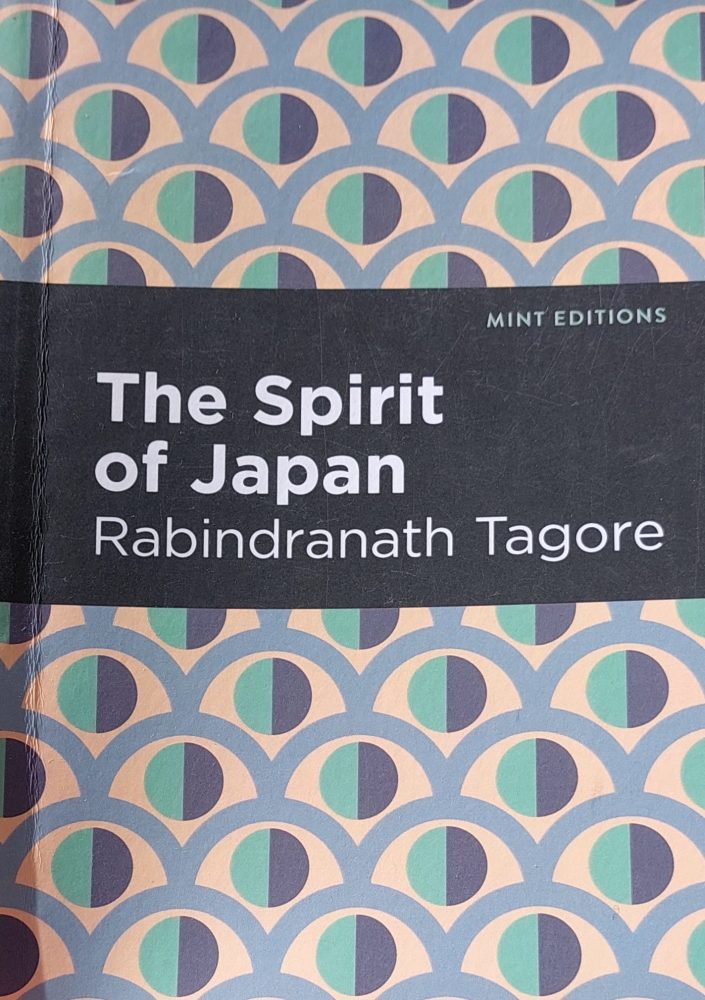
  • “The Spirit of Japan” Rabindranath Tagore (1916) Review | Short but meaningful

    “The Spirit of Japan” Rabindranath Tagore (1916) Review | Short but meaningful


    The Spirit of Japan
    Rabindranath Tagore, 1916
    22 pages
    Read in 2023.11
    check price on amazon.com


    ✔ Indian poet and his friendship with Japan
    ✔ His speech at a university in Japan
    ✔ Critique of the modernisation of Japan


    🔽 Review summary 🔽

    ★★★★★ A speech he gave at Keio University in Tokyo in 1916. Full of warnings for Japan that he had loved, at the time Japan was militarising too rapidly. However he still believed in the power of Eastern philosophy.


    🔽 Book review and notes 🔽

    A speech he gave as he was departing Japan at Keio University in Tokyo in 1916.
    It is critical and full of warnings for Japan that he had loved, at the time Japan was militarising too rapidly. He strongly believed in the power of the East, that the power of Eastern philosophy

    It's well known that he though he was fond of Japan and its culture and arts, he was very concerned about the rapid Westernisation of the country, thus going towards the path of colonisers.
    Looking at how his own country was getting consumed by the West and how Japan was losing its honourable self, he was unable to contain himself and gave this powerful speech.

    However, his warnings are timeless and universal; this "modernisation" is a path to self destruction and the hatred and harm you force upon the others will always come back to yourself.
    He strongly believed in the power of the East, that the power of Eastern philosophy would overcome the material power of the West, just like the sun that is always there even if the cloud might cover the sun temporarily.

    Short but meaningful book.
    🔽 Where to buy / Summary and more info 🔽

    ●●● Amazon.com (US) ●●●

    The Spirit of Japan (Mint Editions (Voices From API))


    ●●● Amazon.co.uk (UK) ●●●
    The Spirit of Japan

    ●●● Amazon.it (Italy) ●●●
    The Spirit of Japan (Mint Editions)
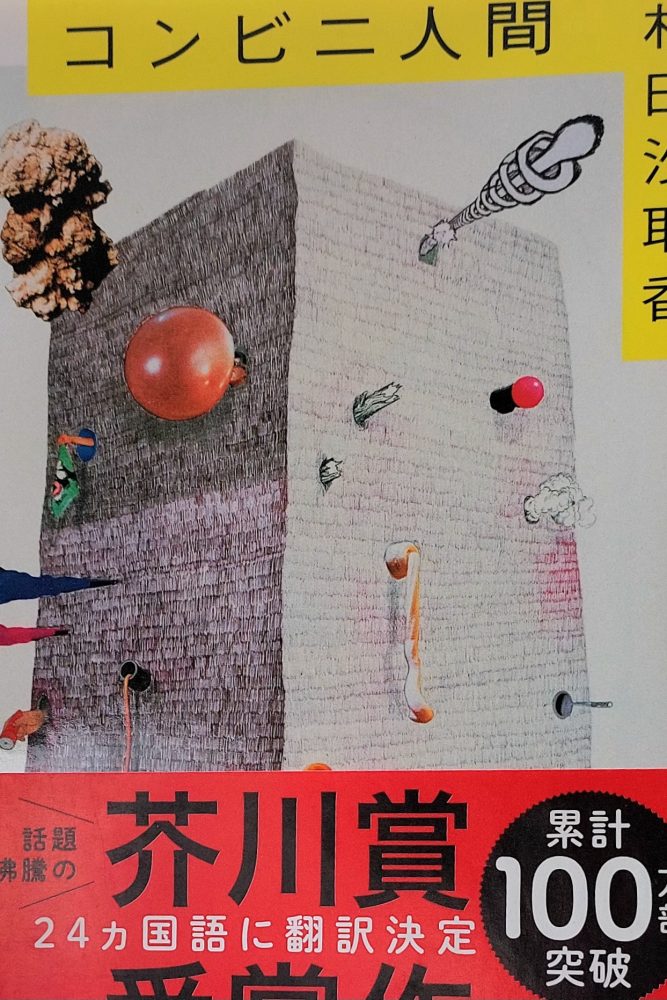
  • “Convenience Store Woman” Sayaka Murata (2016) Review | Ordinary yet mad

    “Convenience Store Woman” Sayaka Murata (2016) Review | Ordinary yet mad

    Convenience Store Woman 
    Sayaka Murata, 2016
    コンビニ人間
    村田沙耶香
    Read in 2020.03
    check price on amazon.com
    ✔ A popular Japanese modern fiction
    ✔ Woman against expectations of the society
    ✔ Today's Japanese society


    🔽 Review summary 🔽

    ★★★★☆ Something so painfully normal and boring yet full of madness. Then she realises, she didn't just end up being a convenience store woman, this is her true self.


    🔽 Book review and notes 🔽

    I always saw the book in bookshops in London but of course I wanted to read it in Japanese so I wanted a bit.
    Completely unpredictable.

    Somehow I thought it was a love story about a girl working in a convenience store, but of course it was everything but.
    It was about no-love-story, it was about something so painfully normal and boring yet full of madness.
    It's a pleasant surprise that people not living in Japan get this.

    She's getting close to 40 years old, not married, not doing a "grown up's job", no kids, no boyfriend.
    It's the "other side" that anyone, I mean everyone, could end up on, but then she realises, she didn't just end up being a convenience store woman, this is her true self.

    She doesn't give a sh*t, she is clever and quick.
    She can actually defeat the loser guy in arguments, and you just cannot predict the next step, anything can happen.
    It's short, and in a way a feel-good book, and for me ends with a happy ending.


    🔽 Where to buy / Summary and more info 🔽

    ●●● Amazon.com (US) ●●●

    Convenience Store Woman: A Novel


    ●●● Amazon.co.uk (UK) ●●●
    Convenience Store Woman: Sayaka Murata

    ●●● Amazon.it (Italy) ●●●
    La ragazza del convenience store (italiano)

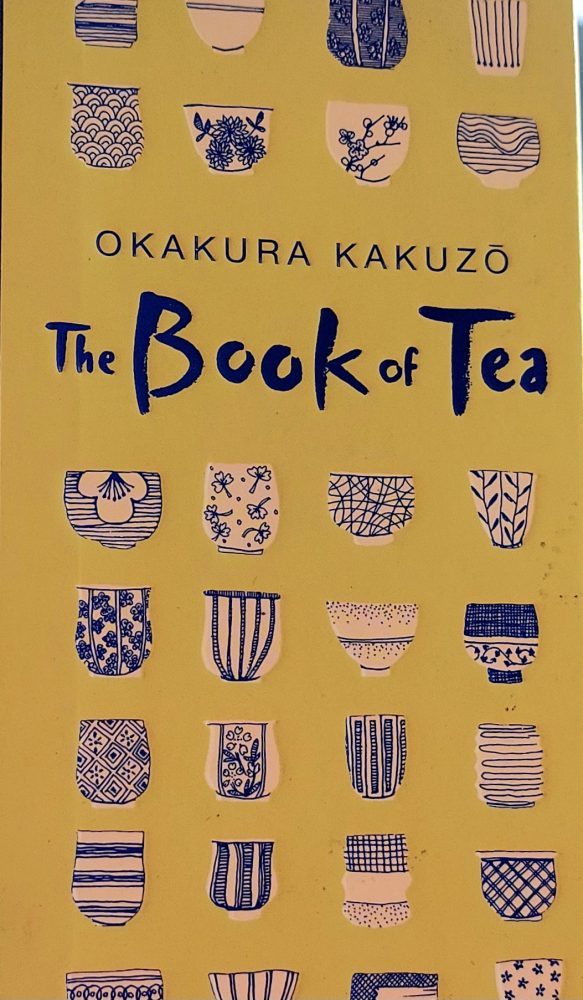
  • “The Book of Tea” Kakuzo Okakura (1906) Review | Tea and philosophy

    “The Book of Tea” Kakuzo Okakura (1906) Review | Tea and philosophy


    The Book of Tea
    Kakuzo Okakura, 1906
    128 pages
    Read in 2022.06
    check price on amazon.com


    ✔ Classic textbook of tea and Japanese culture for the West
    ✔ Philosophy from the East
    ✔ The most famous book on Japanese tea for the last 120 years


    🔽 Review summary 🔽

    ★★★★☆  It is the most famous book on tea and Japan for the last 120 years. But it is much more, it’s about what is tea for Japanese people in a very philosophical way – delicate yet strong message to the West.


    🔽 Book review and notes 🔽

    It is the most famous book on tea and Japan for the last 120 years or so.
    But it is much more, it’s about what is tea for Japanese people in a very philosophical way – delicate yet strong message to the West.

    This collection of writings were written for the West who looked down on Japan and the East.
    It spends lot of time speaking about flowers and the sentiments around flower and it tries to communicate the Eastern aesthetics with the West, ending it with the death of the tea master.
    It doesn’t necessarily teach you about the tea ceremonies etc, it’s more about the spirits of Japan via tea.
    The afterword is also interesting.

    🔽 Where to buy / Summary and more info 🔽

    ●●● Amazon.com (US) ●●●

    The Book of Tea Classic Edition


    ●●● Amazon.co.uk (UK) ●●●
    The Book of Tea: The Book of Oz (Penguin Little Black Classics)

    ●●● Amazon.it (Italy) ●●●
    Il libro del tè (Italiano)
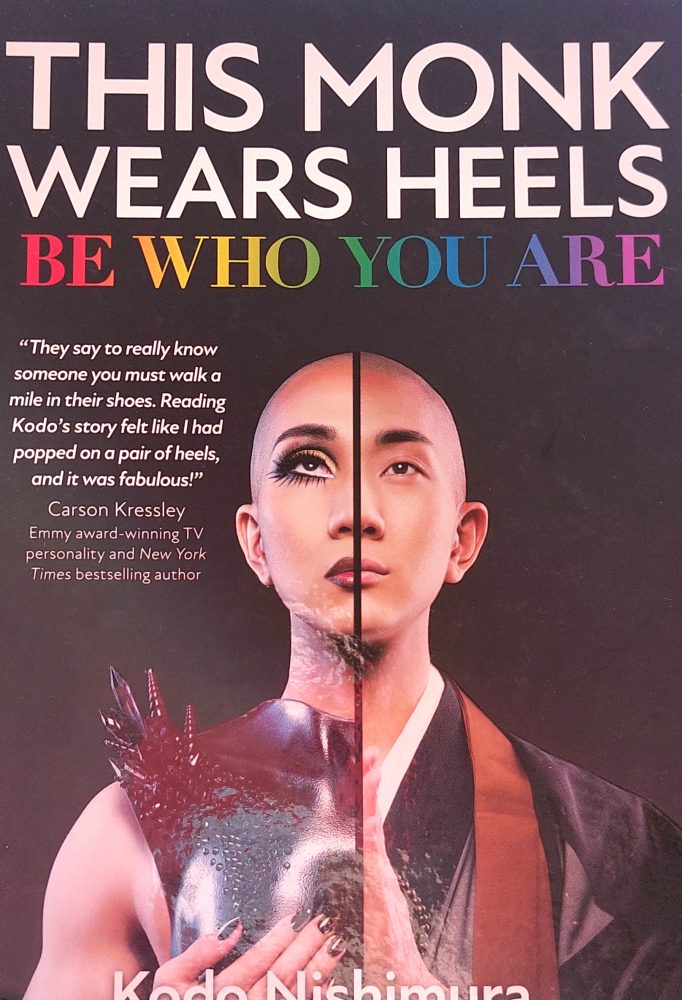
  • “A Sense of Direction” Gideon Lewis-Kraus, (2012) Review | Pilgrimages to yourself

    “A Sense of Direction” Gideon Lewis-Kraus, (2012) Review | Pilgrimages to yourself

    A Sense of Direction: Pilgrimage for the Restless and the Hopeful
    Gideon Lewis-Kraus, 2012
    US
    352 pages
    Read in 2025.11
    check price on amazon.com
    
    
    ✔ Essay and travelogue of a 30 year old man
    ✔ Pilgrimage to Spain, Japan and Ukraine
    ✔ His Jewish sense of humour and conflict with his father
    
    
    🔽 Review summary 🔽
    
    ★★★★☆Travel journal of a 30 year old writer, while living in Berlin constantly whining he decides to go on pilgrimages. It's a fun read about pilgrimages, he has no sense of spirituality. It's also about him trying to connect with his father, a rabbi who now lives with his boyfriend.
    
    
    🔽 Book review and notes 🔽
    
    When you start reading this book, it's about this guy, 30 year old writer, whining while living in a liberal cheap and bare concrete yet artistic Berlin and decides to go on pilgrimages, to Christian Camino de Santiago in Spain, Buddhist Shikoku 88 temples in Japan and Jewish holiday in Uman in Ukraine.
    But as you read through you realise it's a book about a guy who is trying to connect with, or forgive, his father that he loves.
    
    So yes in a way it's typical, you travel around the world to find out that what you need was always at home, but we also know that it was necessary to do all the painful journeys, hardship and solitude. 
    If forgiving is somehow obnoxious, then not holding grudges, to find peace.
    
    Apart from that, it's a good read about pilgrimages, he has no sense of spirituality let alone  religion, but that's what most of us are today, and yet there's still a meaning to go on pilgrimages. 
    He did Camino with a friend and manages to stay friends, and Shikoku alone, and Ukraine with his brother and father.
    
    His Jewish humour shines whenever he whines, about whatever.
    Reading his description of destroyed feet and cold rainy miserable nights might not encourage us but it's a fun read.
    
    🔽 Where to buy / Summary and more info 🔽

    ●●● Amazon.com (US) ●●●

    A Sense of Direction: Pilgrimage for the Restless and the Hopeful


    ●●● Amazon.co.uk (UK) ●●●
    A Sense of Direction: Pilgrimage for the Restless and the Hopeful

    ●●● Amazon.it (Italy) ●●●
    A Sense of Direction: Pilgrimage for the Restless and the Hopeful [Lingua Inglese]

  • “Pachinko” Min Jin Lee (2017) Review | Zainichi Korean female epic

    “Pachinko” Min Jin Lee (2017) Review | Zainichi Korean female epic

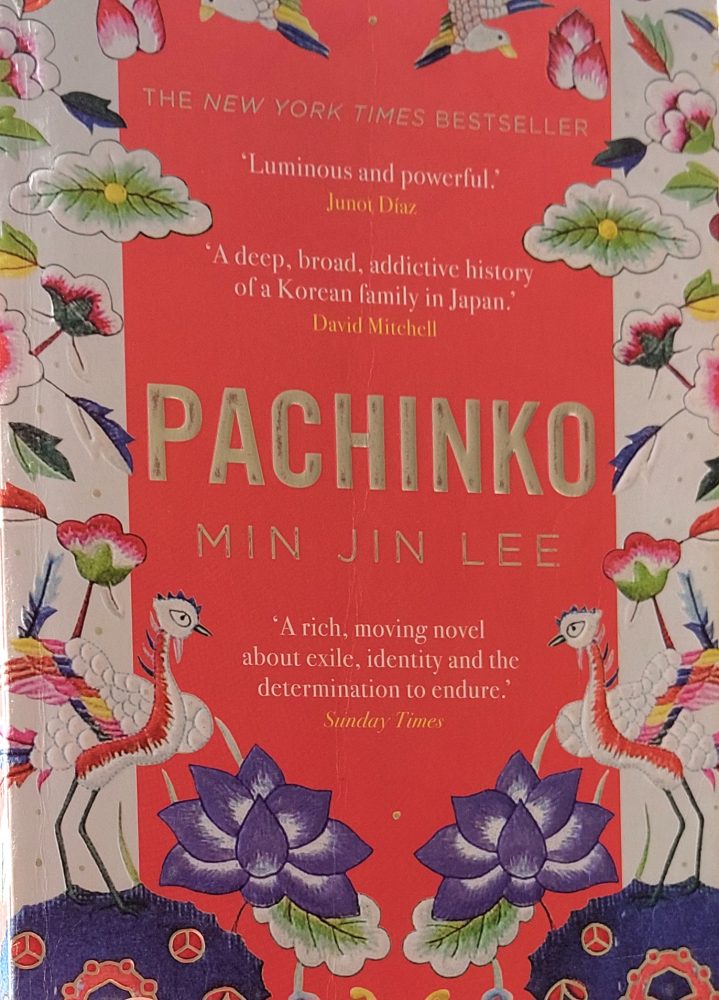
    Pachinko
    Min Jin Lee, 2017
    US
    512 pages
    Read in 2021.10
    check price on amazon.com


    ✔ Korean zainichi in Japan
    ✔ Historical fiction World War Two
    ✔ Mother and daughter relationship


    🔽 Review summary 🔽

    ★★★★★ Life of a Korean woman who survived all the difficulties the life threw at her. And about her beloved ones, Korean or Japanese. Life is a Pachinko. It’s not fair. You’re bound to lose. But you keep playing. An epic.

    🔽 Book review and notes 🔽

    Life of a Korean woman who survived all the difficulties the life threw at her.
    And about her beloved ones, Korean or Japanese.

    By narrowing down the novel to one woman’s life, it tells about real struggles, somehow making it universal.
    The history of Japan and Korea, or Japanese and Koreans, is not an easy one to fully grasp – because it’s still alive.
    The war is partly to be blamed but it’s not that simple.
    The book is rich, depicts how little luck or timing could change your life, it is probably difficult to understand if you’re not Asian beyond it being “fascinating”.

    Again Koreans do better in storytelling.
    It’s dramatic, but that’s how it was in Japan up to the early 90s.

    Life is a party, Fellini says. But here this novel tells you, life is a Pachinko. It’s not fair. You’re bound to lose, but you keep playing.

    🔽 Where to buy / Summary and more info 🔽

    ●●● Amazon.com (US) ●●●

    Pachinko (National Book Award Finalist)


    ●●● Amazon.co.uk (UK) ●●●
    Pachinko: The New York Times Bestseller

    ●●● Amazon.it (Italy) ●●●
    Pachinko. La moglie coreana (italiano)

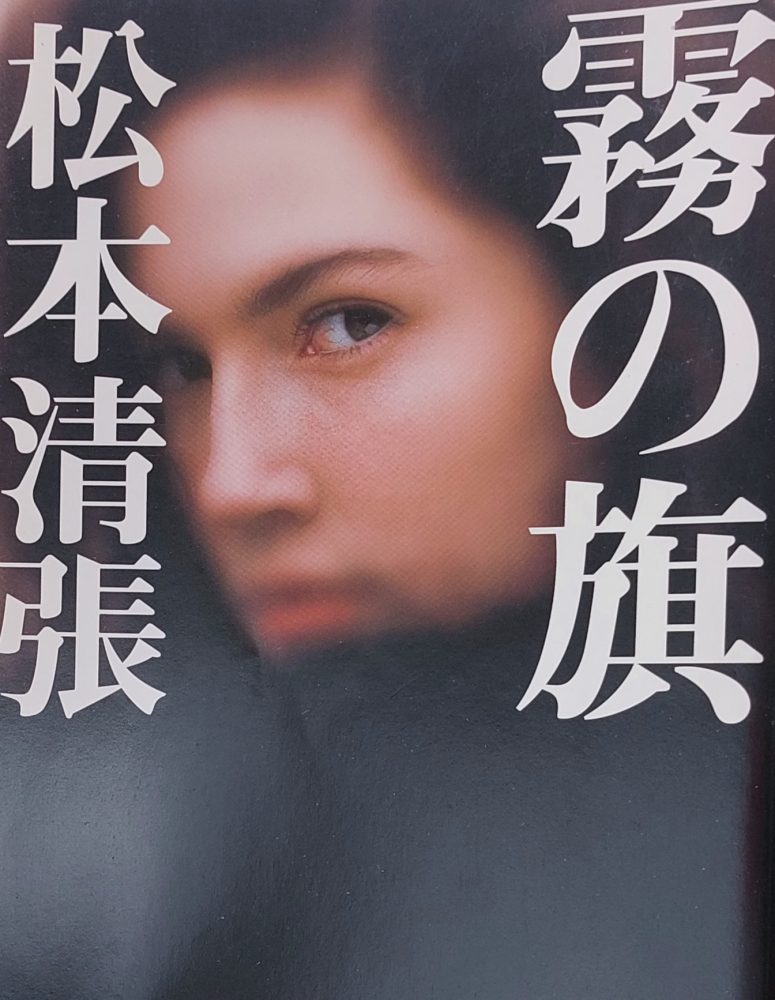
  • “Pro Bono” Seicho Matsumoto (1961) Review | A girl just wanna have a revenge

    “Pro Bono” Seicho Matsumoto (1961) Review | A girl just wanna have a revenge

    ★★★★☆ He made a simple mistake, but now just because of his male pride, his life gets worse and worse. Tough people survive, a classic Seicho Matsumoto.

    🔽 log 🔽
    Pro Bono
    Seicho Matsumoto, 1961
    霧の旗
    松本清張
    Japan
    286 pages
    Read in 2020.02
    check on amazon.com
    🔽 Book review and notes 🔽
    
    I was attracted to the Italian title of this book "La ragazza del Kyushu", a girl from Kyushu - just like me she's from Kyushu but her revenge is something a lot more unique.
    
    A girl from Kyushu goes to Tokyo to meet a popular lawyer to prove her brother's innocence, but he turned down because she didn't have money.
    Now that might have been rather common, but upon her brother's  death in prison, she decides to go very far to perfect her revenge.
    
    A classic Matsumoto, the author doesn't go in details about anything other than her obsession and revenge, because nothing else matters, it's all about her madness.
    
    Oh and the lawyer, he should have realised earlier, his little mistakes accumulate and he's too proud, he's now completely trapped.
    
    Bad people get punished by the society, and tough people survive, they are the classic characters from Seicho Matsumoto.


    🔽 Where to buy / Summary and more info 🔽

    ●●● Amazon.com (US) ●●●

    Pro Bono


    ●●● Amazon.co.uk (UK) ●●●
    Pro Bono

    ●●● Amazon.it (Italy) ●●●
    La ragazza del Kyushu (italiano)