Zen and Japanese culture
Daisetsu Suzuki, 1940
Daisetz T. Suzuki
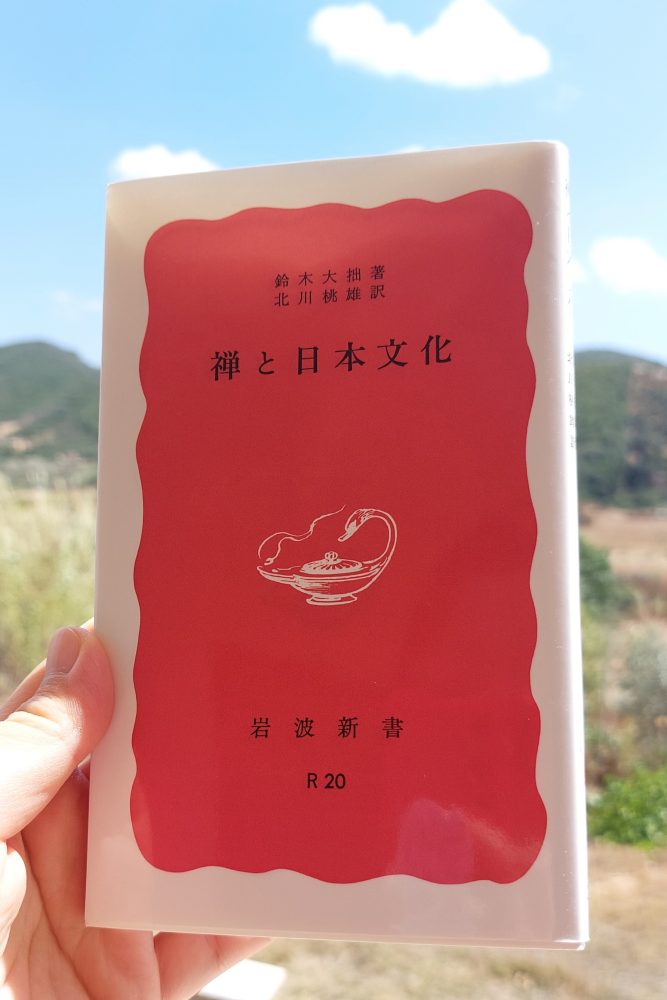
禅と日本文化
鈴木大拙
Read in 2024.4
check price on amazon.com

✔ Classic book introducing Zen to the US and the West
✔ Academic and religious take on Zen for non-Japanese
✔ A starting point for those serious about learning Japanese culture


🔽 Review summary 🔽
★★★★★ A classic book on Japan and Zen. Zen is so ubiquitous in Japan that being Japanese means Zen. It was written for the Western audience so it's explained logically. A real starting point to study Japanese culture.


🔽 Book review and notes 🔽

It was a collection of lectures on zen by Daisetsu Suzuki in 1938, first published in English and in 1940 it was translated to Japanese.
This book remains as a very important source for anyone who's interested in Japan and zen - in a serious way.
Today, "I love Japan" is something I hear so much that it basically has no meaning - unless they can name a few real Japanese things.

Anyway, it might be difficult to read in a sense that it's old, but because it was for the Western audience explanations are logical so in that sense it's easier to understand, even for Japanese today.

It's not an introduction to zen as such, but if you are truly interested in zen and Google search won't help you much, then this is the book to turn to.
When a book on zen is for Japanese audience (and if it's translated to other languages) it tries to make you "read the room" to grasp the idea of zen.
On a separate note. Interestingly, there's an argument (elsewhere, not this book) that because in Japan, zen or Buddhism is indeed "in the air", you cannot shut it off so that is why Japanese people don't need to feel strongly about being Buddhist or religious or spiritual it's part of their lives anyway, many Japanese will declare that they are not religious.
However, in places like US, Christianity is not "in the air", you must go to the church to feel it, so they feel strongly about being Christian or religious, or not.

Zen is intuitive, it is not something you explain through theories, but with ink painting or haiku, even tea ceremony or garden.
Minimalism and the love of the nature, that spirit is naturally in Japanese arts and lifestyles, therefore being Japanese is being zen.

It's true, I do feel that it's true, I want to it to be forever true, but, I am not sure if it continues to be true.

It is the Japan that hundreds of thousands of foreign tourists fantasise, but isn't it the Japan that only exists in our naïve imaginations?
The rapid economical growth of the 90s is in the past, and the people of that generation worked hard to aim for better lives, more luxury, better education for their kids - admittingly something that is far from zen.
Today, young people in Japan do not believe that their lives would get better when they grow up.
Frankly they are not interested. They don't want more stuff, and they don't need more.
So, are we going back to zen?
Does that mean, after all, we come back to the statement that, yes, being Japanese means being zen?
🔽 Where to buy 🔽
●●● Amazon.com (US) ●●●
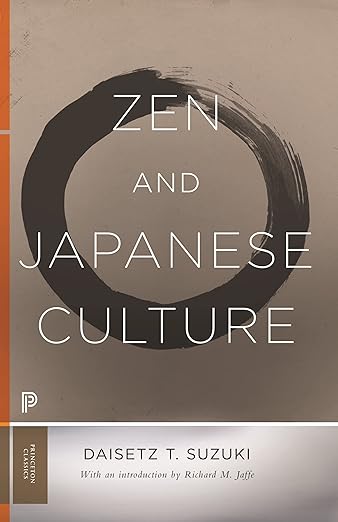
Zen and Japanese Culture (Princeton Classics)
●●● Amazon.co.uk (UK) ●●●
Zen and Japanese Culture (Princeton Classics)
●●● Amazon.it (Italy) ●●●
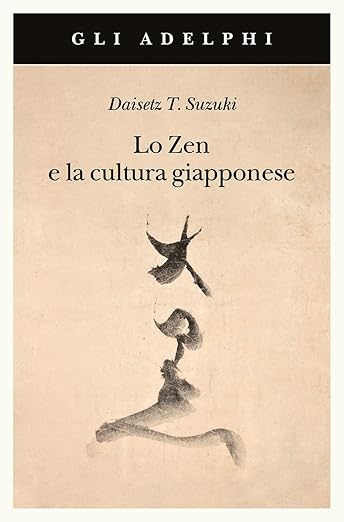
Lo Zen e la cultura giapponese (Italiano)


コメントを残す