★★★★☆ A collection of short stories that makes you simply sad. It gets you excited a bit, then in the end you face the cold reality, that you are merely insignificant being.
🔽 log 🔽
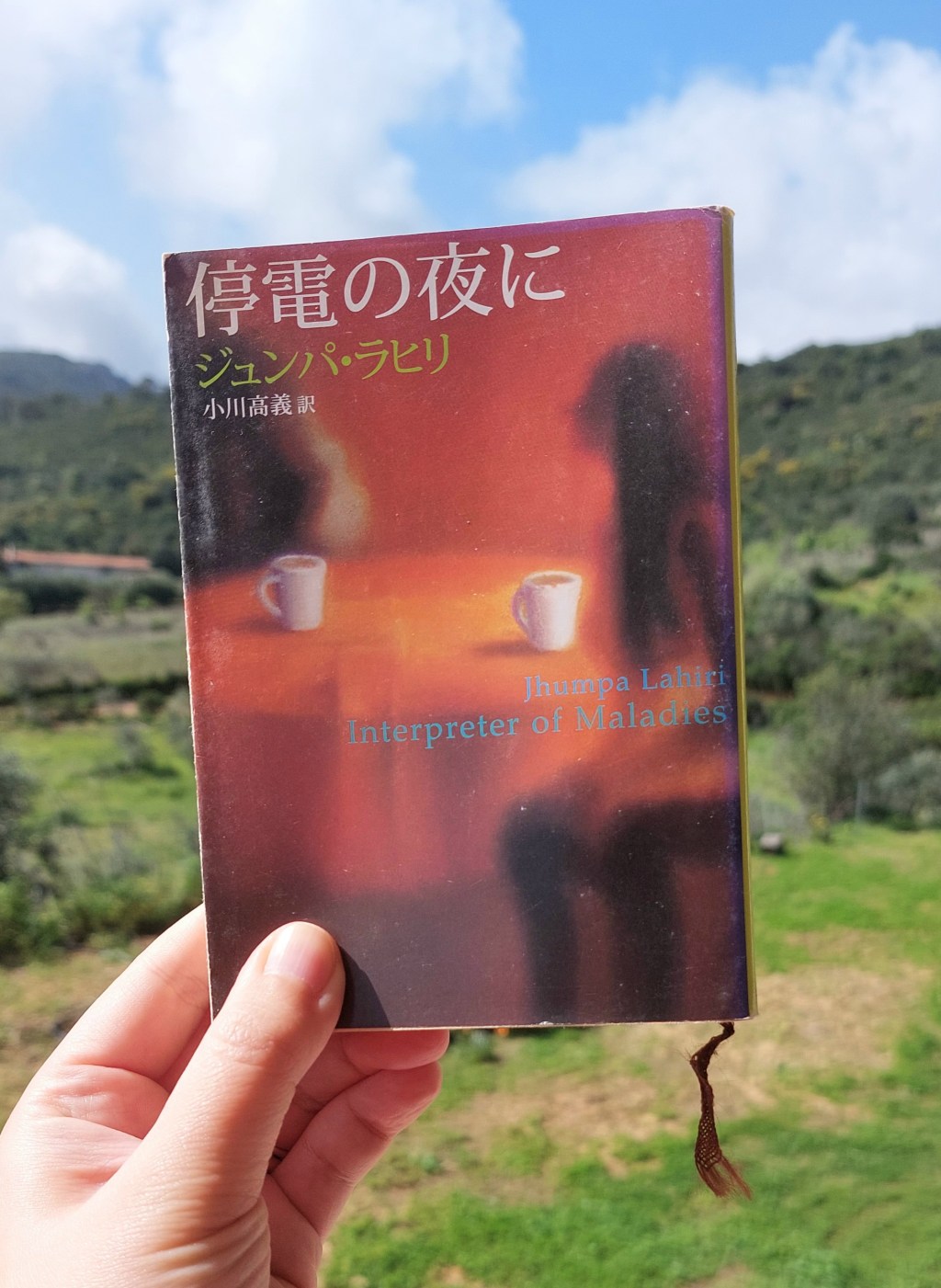
Interpreter of Maladies
Jhumpa Lahiri, 1999
Read in 2018
check on amazon.com
🔽 Book review and notes 🔽

A collection of short stories that makes you simply sad.

The author herself is of Indian origin so protagonists are Indian or Indian origin, if not someone looking at Indian.
She depicts these Indian characters as some kind of aliens, someone we cannot understand.

The stories get you excited a bit, then in the end you face the cold reality, that you are merely insignificant being.

It won Pulitzer and other awards so I'd love to read this in English.
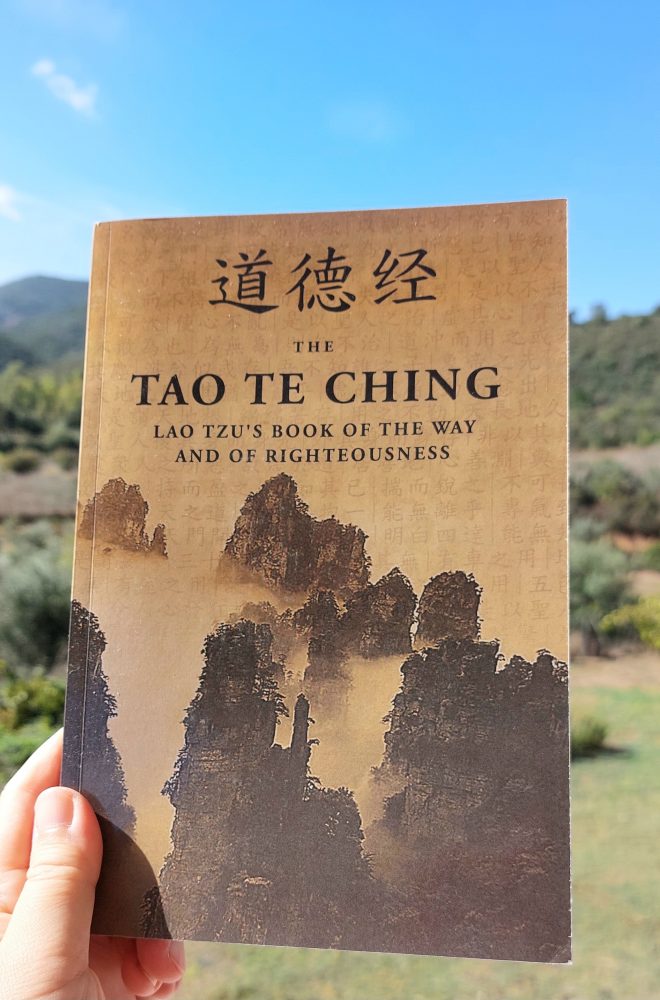
★★★★☆ The book of Taoism written in 400 BCE. A very short version with the translation and short commentary for each passage. Something to come back to time to time in life, with more knowledge.
The book of Taoism written in 400 BCE. This edition is very short, with the translation and short commentary for each passage. It's said to be written by Laozi around that time, but there's an ongoing argument about if it was written by him, or if he actually even existed.
It makes more sense now that Japanese Buddhism turnout out to be different from the original version, the antient Chinese philosophy is very strong and great. With the Chinese filter, of course it's evolved by the time it got to Japan.
It's something to come back to time to time in life, with more knowledge for sure.
(I don't have BCE in the published year so I just added this to 1-1699)
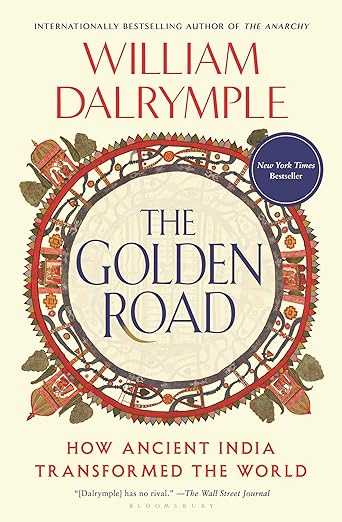
★★★★★+♥ My favourite historian, absolute. It proudly shows off the soft power of Ancient India. It's so vast geographically and in the topics that it leaves you speechless. Powerful and exciting.
🔽 log 🔽 The Golden Road How ancient India transformed the world William Dalrymple, 2024 432 pages Read in 2025.03 check on amazon.com
🔽 Book review and notes 🔽 My favourite historian. How lucky are we to have a favourite? The signed special edition that I finally got my hands on, sure I could buy a regular one on Amazon in Italy, but no, it had to come through the whole long process.
So naturally I had a very high expectation, and, it completely exceeded it
I follow his podcast, tweets and instagram, yeah stalking him, so I knew what kind of things would be in the book, yet, every single page contains mind blowing facts. How is it that I or we didn’t know this history, why was it hidden? How is it that we didn’t know India’s soft power spread around south east Asia in an efficient way and the famous ancient Chinese trades were actually via India? Silk road? Yeah it was India who made a huge profit. Or that “Arabic numerals” are as a matter of fact, “Hindu-Arabic numerals”? That it originated in India in the first century and Europe only started to use it in 11th, 12th century?
As always the history and facts that Dalrymple uncovers for us are fascinating but it’s his sheer enthusiasm that is the gem of his work, and the reason he is admired and loved. Who else can be called “rock star historian”? Aren’t historian supposed to be boring people? He’s so intelligent and intellectual yet he gets told off for spilling beans on the podcast, that he’s not great at simple maths, and that he sometimes gets emotional and cry on the podcast. Rock star yes, but kawaii yes too. He simply loves history, and can’t help to share it with us. And if he didn’t know something, he’d go “oh I didn’t know that, tell me more” with (I can easily imagine) his twinkling eyes.
Eye opening, mind blowing, brain exploding, curiosity fulfilled, he writes what he loves, so us readers can’t help but be fascinated. His books have that power. It’s a love letter to India from a historian who’s completely in love and unapologetically curious. Did I say he was my favourite historian yet? I did, but I’d repeat again and again.
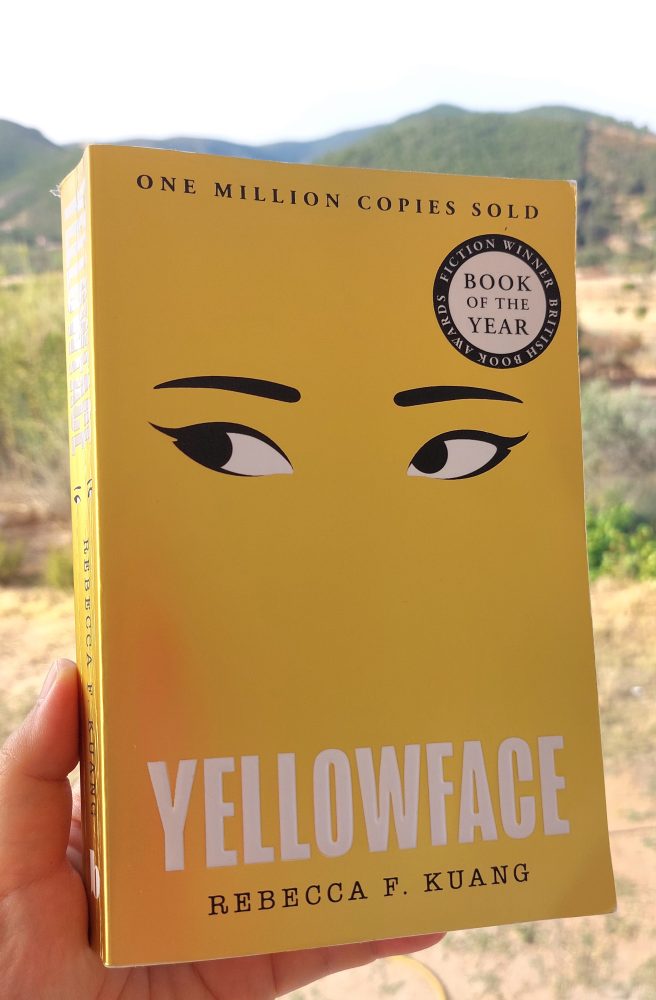
★★★★★ I knew it was super popular, and I agree, it's an absolute gem. Facts are not important here, just like over here in the society we live in. It's like I'm watching (peeking) something I shouldn't, and addictive, can't stop it.
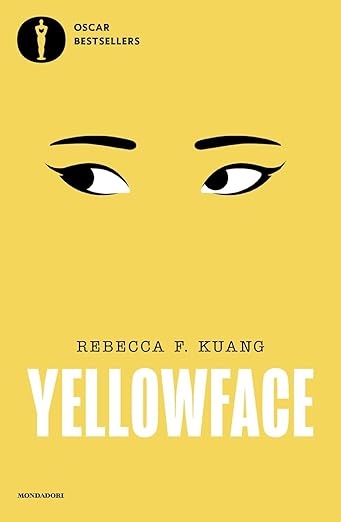
🔽 log 🔽 Yellowface Rebecca F Kuang, 2023 319 pages Read 2025.06 check on amazon.com
🔽 Book review and notes 🔽 I knew it was very popular but I didn’t know anything about the story, and it was not what I expected from the title (not that revealing except it’s to do with Asian) and definitely better than what I expected. I thought it’d be more simple, more like a story from Athena’s point of view, but no, it’s June’s story, how the white average girl envied the beautiful and talented Asian girl, and went too far and caused such a mess.
It’s exciting, it’s difficult to pigeon hole, and it’s so now, so true and so entertaining. It’s a story of a bunch of narcissists bitching about everyone else, the facts are no longer important but that’s life and life moves on.
And I know Kuang’s new book, Katabasis, is out, and I have to reduce my tsundoku (tbr) to at least 100 to get even more books… if I can resist.
★★★★★ The mixture of history and race, religions and politics and power, and abuse of all above. A great storytelling, of drama of strong beautiful women who are, as it always happens, cursed by their men. An epic from Indonesia.
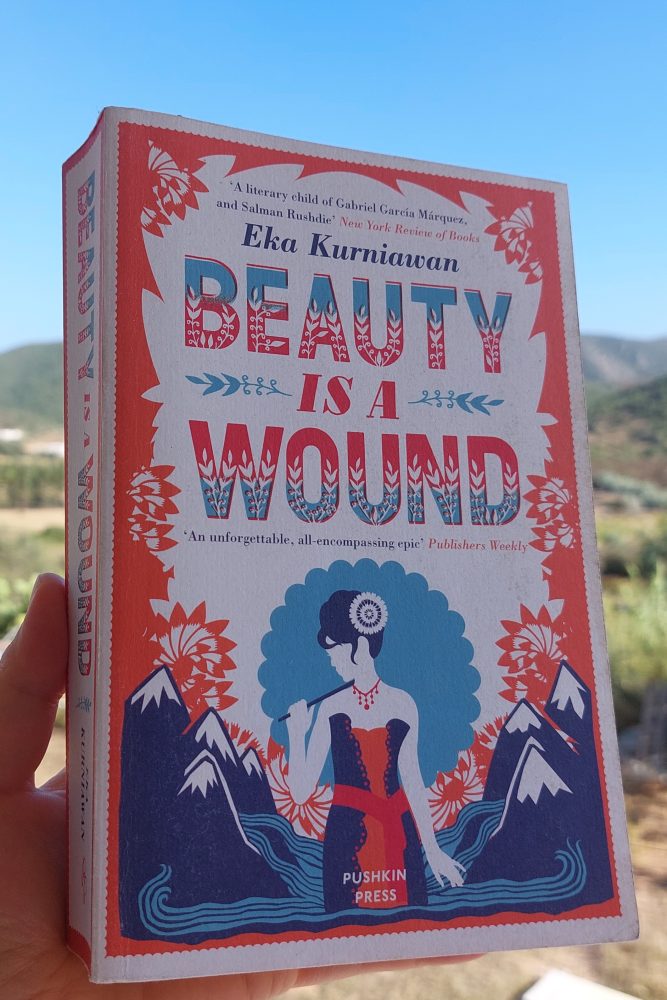
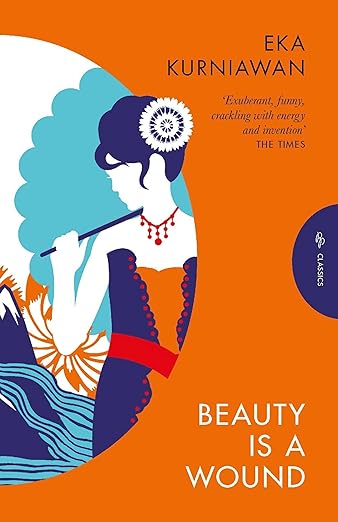
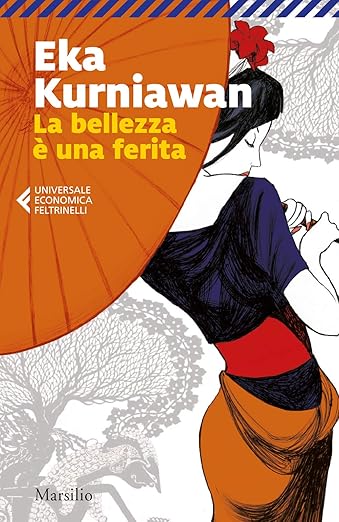
🔽 log 🔽 Beauty is a wound Cantik Itu Luka Eka Kurniawan, 2002 480 pages Read 2024.4 check on amazon.com
🔽 Book review and notes 🔽 It IS a book full of violence, love and curse of the beauty. A great storytelling, of drama, an epic, of strong beautiful women who are, as it always happens, cursed by their men.
One day the town’s dead prostitute comes back to life see her daughters. She cannot leave this life until she sees them, especially the ugly one, who is leading a happy life, because the outer beauty is nothing but a wound, wound that cannot be healed.
Survived the colonial past and the invasions, their story and history are so unique that this book could have only emerged from Indonesia. The mixture of history and race, religions and politics and power, and abuse of all above. Full of stories, my first Indonesian novel, and an epic.
★★★☆☆ He follows the mysterious beautiful Korean girl. The dark and raw story about youth and there's a bit of punk a bit of cult. The writing style is refreshing.
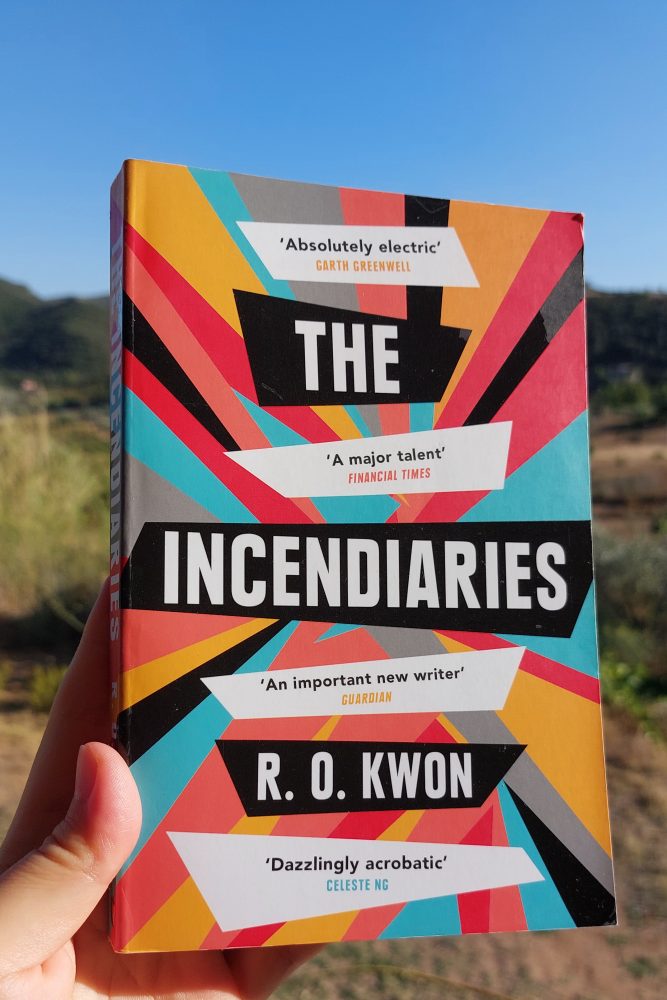
🔽 log 🔽 The incendiaries R. O. Kwon, 2018 214 pages Read 2024.6 check on amazon.com
🔽 Book review and notes 🔽 The dark and raw story about youth and there’s a bit of punk that leads to cult and terrorism, but everything seems to light and superficial, thus, contemporary.
It’s new in style, a bit like reading a poem and it’s refreshing. But it lacked depth, you can’t go deep into the characters, neither the girl or the boy, so it doesn’t make you feel lost in the story. But maybe that’s the point, and I didn’t get it.
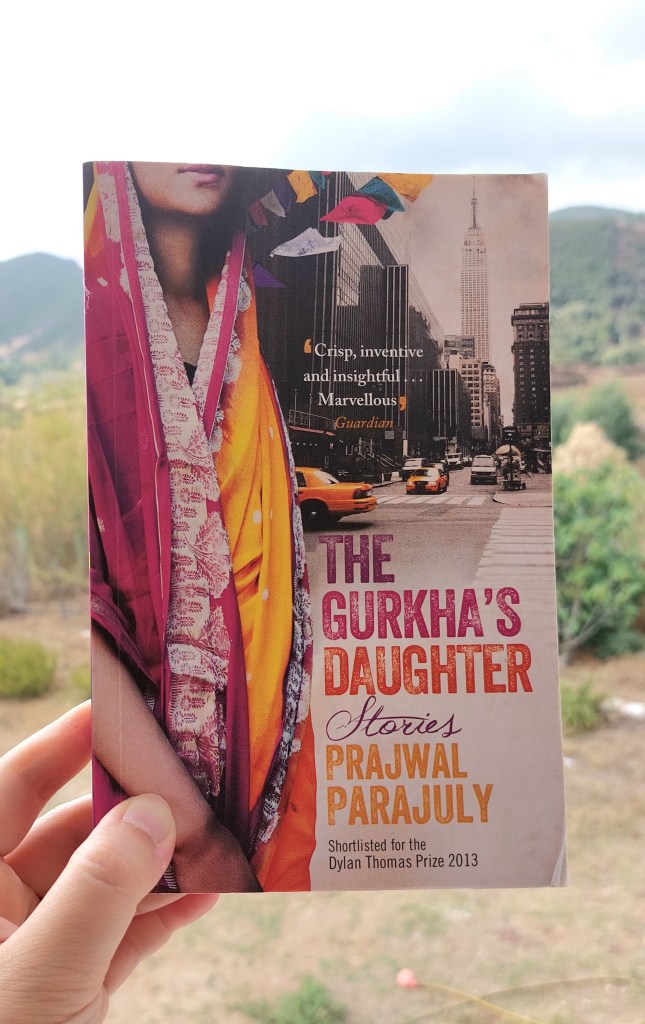
★★★★☆ Nepal and Diaspora, sense of not belonging where they live. Far from home people’s tradition and customs are distant memories while the feelings for home gets stronger.
🔽 log 🔽
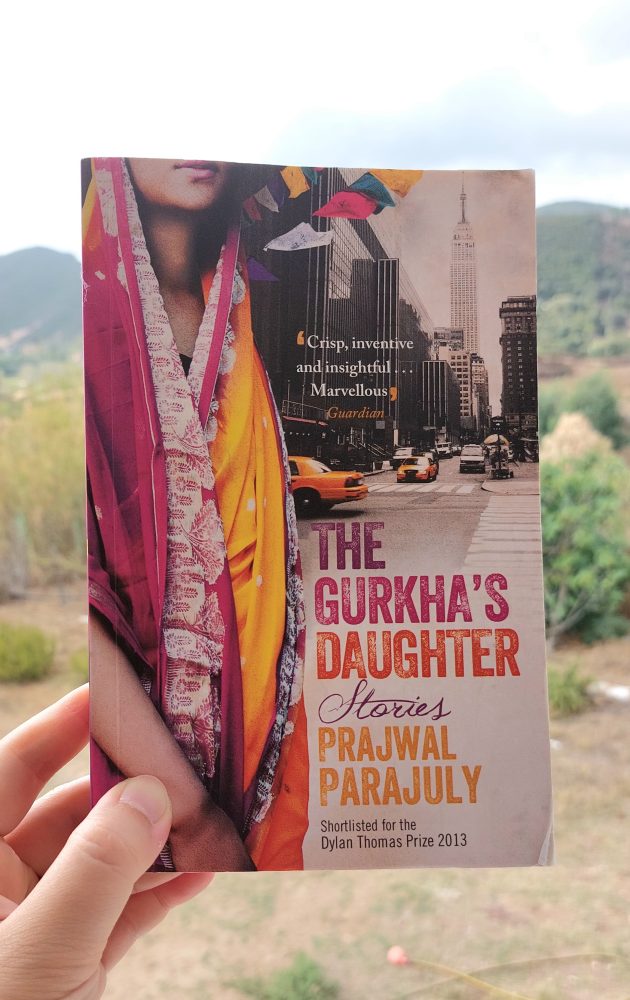
The Gurkha's daughter
Prajwal Parajuly, 2013
280 pages
Read in 2024.09
check on amazon.com


🔽 Book review and notes 🔽
A collection of short stories of people who have different ties to Nepal.

It's about lives of people living in diaspora, sense of not belonging where they live.
To begin with,
Nepalese people in Darjeeling area have a different sense of home, and not necessarily uniformed.
And how about Nepalese in Bhutan who got kicked out to Nepal?
Or Muslim from Bihar in Kalimpong?
A guy from Darjeeling in New York who's never been to Nepal?

The stories are subtly harsh and sad but not exaggeratingly dramatic, just like real lives of real people, they carry their own inevitable drama and the longing, between tradition and practice and sense of home.
Nice short stories.
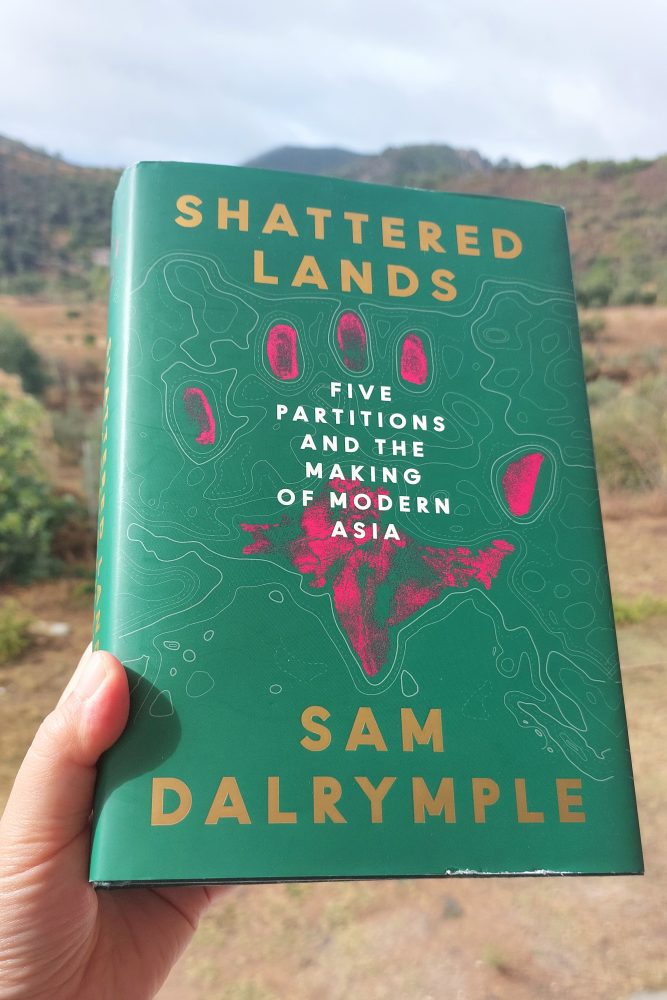
★★★★★ 5 Partitions, not just one. From Yemen to Myanmar, The British India was one entity where cosmopolitan people had lived in a sort of harmony. An important history that was until now “forgotten”, and an important book.
🔽 log 🔽
Shattered Lands
Five Partitions and the Making of Modern Asia
Sam Dalrymple, 2025
UK
528 pages
Read 2025.09
check on amazon.com


🔽 Book review and notes 🔽
A great book on the topic that is shamefully unknown to a lot of us, even though it's not so long time ago and even though it totally shaped Asia today.
All the problems in Asia that we see on the news today are not simply because the local people are "naturally" violent, of course not, there is always a cause.

And the cause is, this. The British Empire had ruled and gained much from the British India and local Princely States (so very wide, from modern day Yemen to Burma, to Qatar. Qatar! And British Empire had 25% of the world population back then) until one day they couldn't financially support it so they dropped the ball, without thinking of the very probable consequences, namely, the shattered lands and shattered people.

The book carefully follows 5 Partitions, rather than only the more widely known THE Partition between today's India and Pakistan.
Myanmar, Arabian peninsula, India-Pakistan, Princely States, and Bangladesh.
People like me who knew so little would be surprised at how everything fell apart quickly, and be utterly shocked how millions of people crossed newly drawn borders each time. And every one experienced some horror; the violence, looting, rape, and many killing.
The consequences of the relocation, the migration, and of course of refugees like Rohingya people still remains as huge problems.
Stereotypically, British officers’ works were full of lies and betrayals, their selfishness with their strong interesting in keeping their hands clean. As a predicable result, people who lived in cosmopolitan societies, were suddenly put in various corners of Shattered Lands, and they turned against their neighbours because they now became their enemies.
What got me thinking most throughout my reading was how pre Partitions era things were more secular, and as the lands got divided it firmly became a matter of religions and ethnicity, it was all about nationalism, of the new nations that were born out of the shattered lands – again and again in the each phase of the Partitions. Not that the colonisation era was good, but you cannot stop wondering, if we now want to end the fighting in Asia would we have to eliminate the notions of religion and ethnicity? Letting go of the sense of community or tradition? The peace of mind it provides? Is it really a dangerous thing to have a tradition?
I heard somewhere that people who experienced the Partitions, probably just like our grandfathers in Japan who were sent to the war, have preferred to keep quiet. They chose to take the horror, errors and shame to their graves, and their children also kind of hesitated to insist. However, now that it’s their grandchildren’s generation, things are now becoming uncovered and dusted off because they are finally opening their mouths to tell us. And this might be one of the reasons why this book is written now at this moment in time, by this brilliant author who is in his 20s, and this is one of the reason this book will remain in the history to come.
The book has great details with wonderful storytelling skills, and most notably it has the marvelous sense of humanity, just like his father, Sam Dalrymple is such a humane human full of compassion and passion, with giggles – but he is already on his own feet, and how exciting is it that two Dalrymples are on the chart? Very.
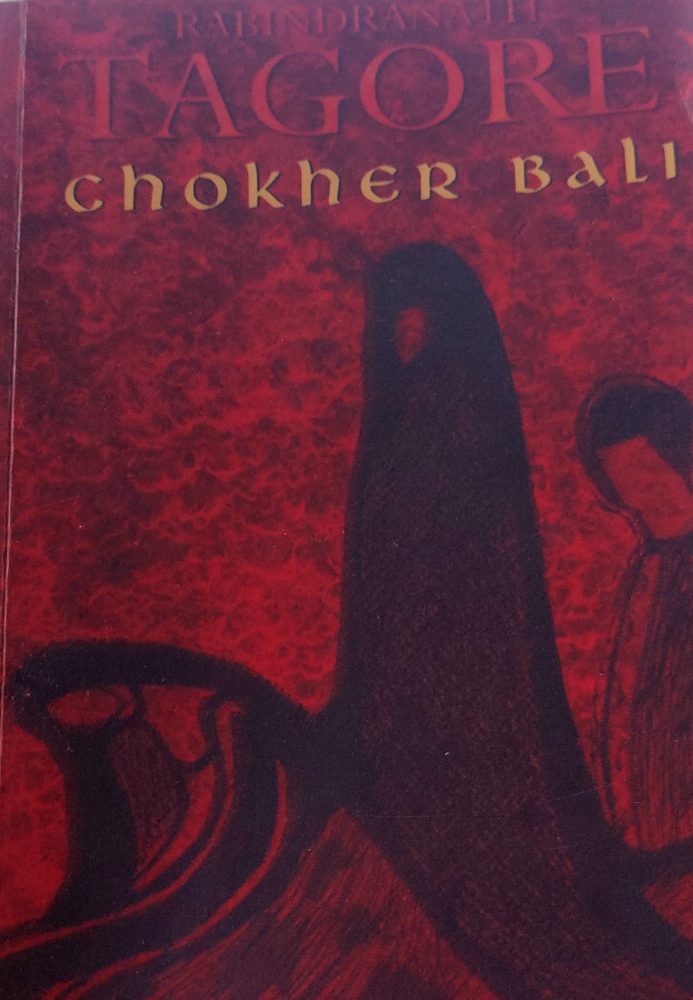
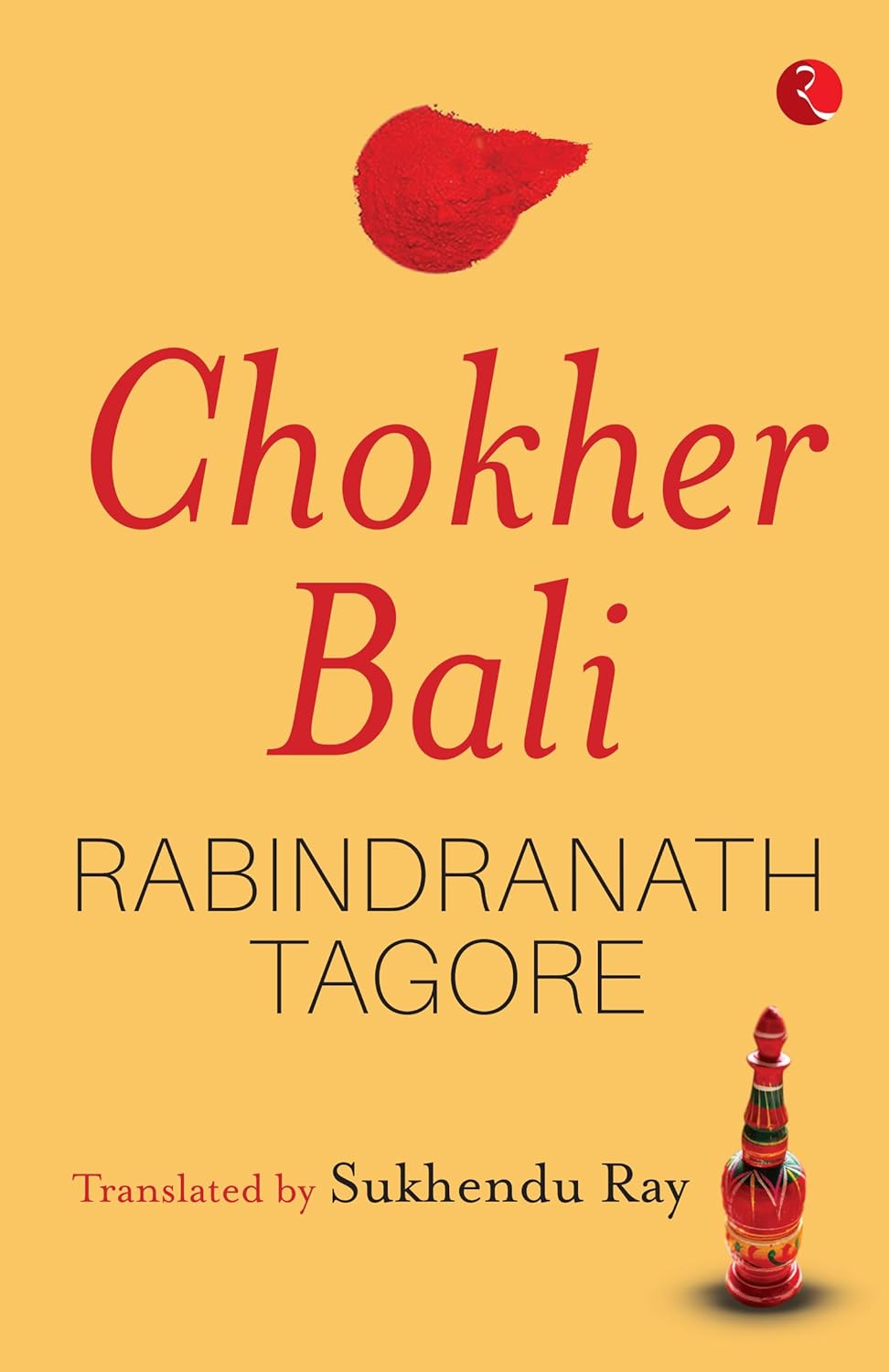
★★★★☆ A beautiful widow. She cannot give up her pursuit for happiness. Chokher Bali, the sand in the eye, she disturbs everything she touches and disappears. A strong sense of un-happiness.
🔽 log 🔽
Chokher Bali
Rabindranath Tagore, 1903
India
298 pages
Read in 2022.03
check on amazon.com


🔽 Book review and notes 🔽

My first Tagore.
This is actually popular that it's made into film and TV series in India.
The sentiment is close to what they have in Japan: husband-wife relation, mother-son, or even mother-in-law and wife, it's something many in Asia can easily understand, and cannot avoid.

Then comes the beautiful widow.
Despote "her place" as a widow, she cannot give up her pursuit for affection and happiness.
Chokher Bali, the sand in the eye, the annoying thing, she arrives and disturbs everything she touches.
And like an eyesore, before you know it it goes away and the life is back to normal, the witch is punished.

Her happiness was taken away because she's a widow, she brings bad things.
Could they ever blame her?
A strong sense of un-happiness.
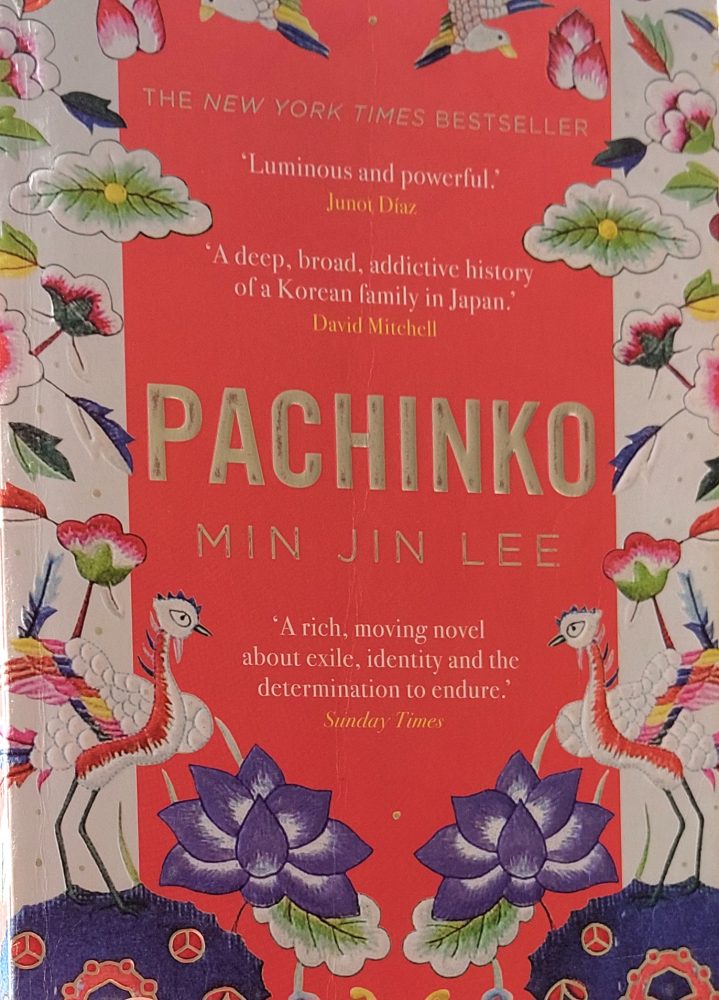
★★★★★ Life of a Korean woman who survived all the difficulties the life threw at her. And about her beloved ones, Korean or Japanese. Life is a Pachinko. It’s not fair. You’re bound to lose. But you keep playing.An epic.
🔽 log 🔽
Pachinko
Min Jin Lee, 2017
US
512 pages
Read in 2021.10
check on amazon.com


🔽 Book review and notes 🔽

Life of a Korean woman who survived all the difficulties the life threw at her.
And about her beloved ones, Korean or Japanese.

By narrowing down the novel to one woman's life, it tells about real struggles, somehow making it universal.
The history of Japan and Korea, or Japanese and Koreans, is not an easy one to fully grasp - because it's still alive.
The war is partly to be blamed but it's not that simple.
The book is rich, depicts how little luck or timing could change your life, it is probably difficult to understand if you're not Asian beyond it being "fascinating".

Again Koreans do better in storytelling.
It's dramatic, but that's how it was in Japan up to the early 90s.

Life is a party, Fellini says. But here this novel tells you, life is a Pachinko. It's not fair. You're bound to lose, but you keep playing.


 赤パンの本棚 akapan's bookshelf