タグ: 人類学 民俗学

  • 「辺境を歩いた人々」宮本常一, 2005 >>

    「辺境を歩いた人々」宮本常一, 2005 >>

    🔽 基本情報 🔽
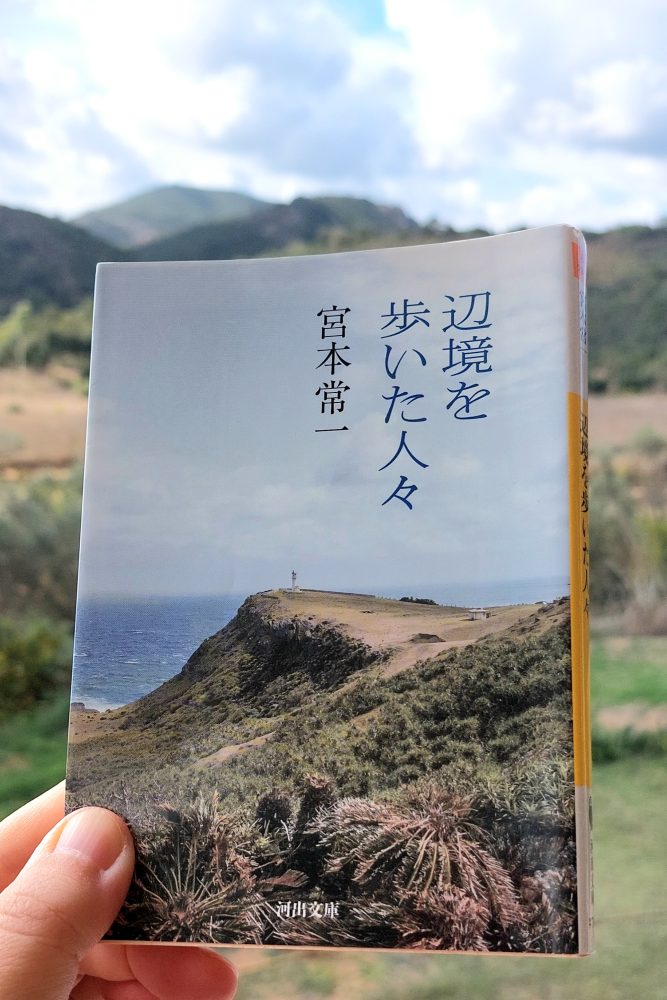
    辺境を歩いた人々
    宮本常一, 2005
    Tsuneichi Miyamoto
    296 pages
    2023.04 読了
    🔽🔽 読書記録 🔽🔽

    ちょっと久しぶりの宮本常一さん。この口調、文調が相変わらず心地よい。

    今回は「宮本民俗学の先代」とでもいうべき、彼より前の明治時代の4人のついて彼が語る。
    同じように、辺地、辺境を歩いてそれぞれの境遇のなかで調査をした人々。
    それを宮本さんが愛をもって現代の私たちに紹介する。

    彼の本を読むたびに、いかに一般的な歴史というものが本当にごく一部の裕福な支配階級のみに集中しているか、いかにそれが人々の本当の歴史を知る上で間違った方法なのか思い知らされる。

    大衆の貧しい人々の生活に注目した素晴らしい先人に敬意を払う。
    そして現在の私達がそういう宮本常一に対して尊敬の意を示す、そうやって回っていっているのだなあと、じんわりと思うわけです。

    🔽 買えるところ / あらすじ、詳細 🔽

    ●●● 楽天 ●●●
    [商品価格に関しましては、リンクが作成された時点と現時点で情報が変更されている場合がございます。]

    辺境を歩いた人々 (河出文庫) [ 宮本 常一 ]
    価格:968円(税込、送料無料) (2025/10/15時点)


    ●●● アマゾン ●●●

    辺境を歩いた人々 (河出文庫 み 19-7)


    ⏩️ Amazonプライム★対象のアニメ・映画・ドラマがぜんぶ見放題 ⏪️

  • “Ten Italian Folktales” Italo Calvino, 1956 「イタリア民話集)」イタロ・カルヴィーノ >>

    “Ten Italian Folktales” Italo Calvino, 1956 「イタリア民話集)」イタロ・カルヴィーノ >>

    🔽 基本情報 🔽
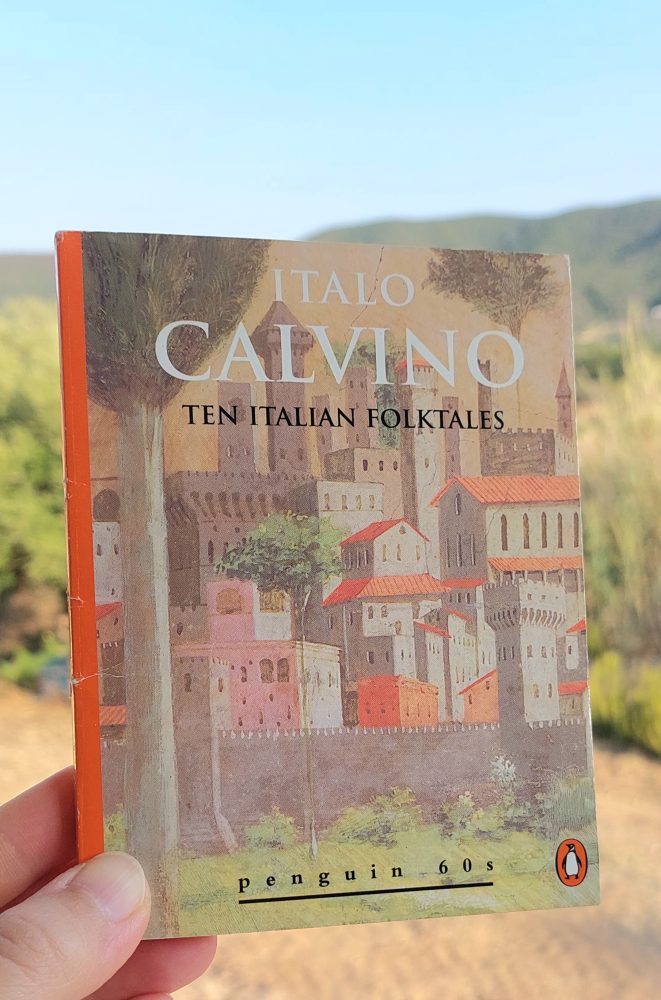
    Ten Italian Folktales
    Italo Calvino, 1956
    Fiabe italiane
    イタリア民話集
    イタロ・カルヴィーノ
    96 pages
    2024年6月 読了
    🔽🔽 読書記録 🔽🔽
    イタリア民話集という本当はもっと大きな短編集からの抜粋10話。
    民話集ということでそれぞれは短く、道徳的な教えもある。
    ただ、眠っている姫と寝て自分を王様にしたりとレイプを正当化する話もあって生々しい。
    不幸なことや残酷なことも綴られている。
    ちゃんと本編もいつか読まなきゃ、評価も何ともいえない。
    
    
    🔽 買えるところ 🔽

      ●●●●●楽天●●●●●

     
    イタリア民話集(上) (岩波文庫) [ イタロ・カルヴィーノ ]

     
    ●●●●●アマゾン●●●●●

    イタリア民話集 (上) (岩波文庫 赤 709-1)


    ★★★☆☆ Extracts of a bigger collection of the folktales, “Fiabe italiane” written originally in 1956. A lot of misfortunes and a fair amount of cruelty, just like any folktales. Need to read the main book one day.

    🔽 log 🔽
    Ten Italian Folktales
    Italo Calvino, 1956
    Fiabe italiane
    96 pages
    Read 2024.6

    🔽 Book review and notes 🔽

    Extracts of a bigger collection of the folktales, “Fiabe italiane” written originally in 1956.

    They are short and some have moral teaching, like the last one Jump into my sack.
    But the rest are tales and some just justify rapes, like sleeping with an unconscious queen and he becomes a king…

    A lot of misfortunes and a fair amount of cruelty, just like any folktales.


    🔽 Where to buy 🔽

    ●●● Amazon.com (US) ●●●
    
    Ten Italian Folktales (Penguin 60s S.) 
    
    ●●● Amazon.co.uk (UK) ●●●
    Ten Italian Folktales Paperback
    
    ●●● Amazon.it (Italy) ●●●
    Fiabe italiane (Italiano)

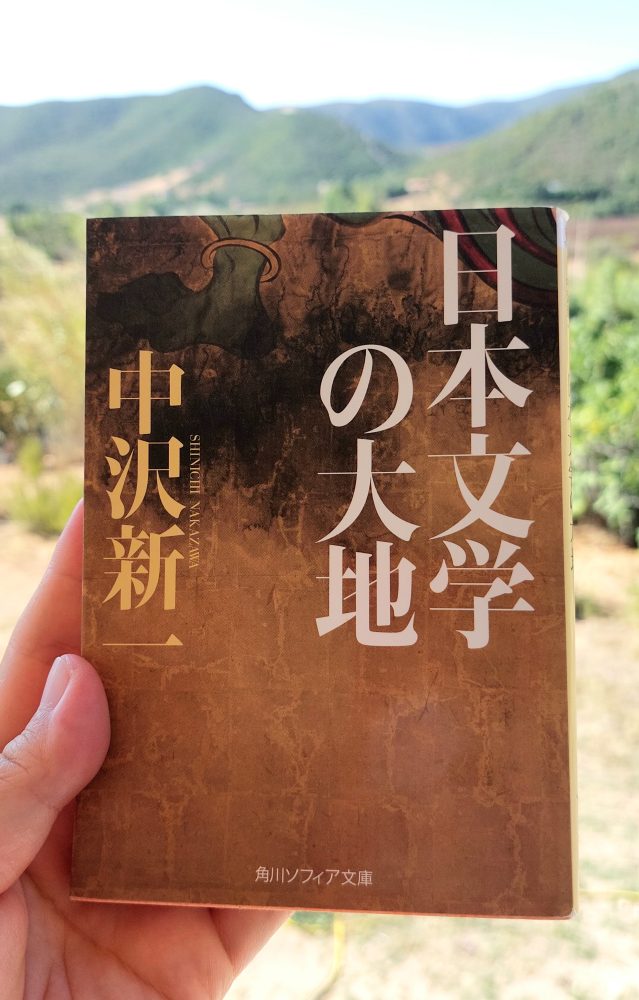
  • 「日本文学の大地」 中沢新一, 2015 >>

    「日本文学の大地」 中沢新一, 2015 >>

    ★★★★★ 日本の古典文学をいくつか紹介する本。
    そこには近代以前の、自然と文化が分かれる前の大地が広がっている。こういう古代の人の感覚は私たちのなかにまだあるそう。嬉しい
    (English review not yet available)
    🔽基本情報🔽
    日本文学の大地
    中沢新一 2015
    Shinichi Nakazawa
    288 pages
    2024年5月 読了
    🔽 こんな人、こんなときにおすすめ 🔽
    日本の古典がちょっと食わず嫌いな人、多分ほとんどの人。

    🔽🔽 読書記録 🔽🔽
    日本の古典文学をいくつか紹介する本。
    そこには近代以前の、自然と文化が分かれる前の大地が広がっている。

    浄瑠璃の人形たちは、数人の裏方たちの一見無関係の縦横の動きによって細かく操られているという事実、それが比喩するもの。
    平安時代の、天皇は大地の初物を贈与されるんだから、その土地の美しい少女を贈与され、消費してあげるという観念。
    江戸時代までの、恋をすれば相手が男も女も関係ないという大まかなセクシュアリティ。
    松尾芭蕉のとことん装飾を削り取った美学。

    自分でない何かモノが語るから物語というんだということ。

    そして著者は人間は1000年ぐらいでは変わらないと言いきる。
    つまり、こういう古代の人の感覚は私たちのなかにまだある。
    私たちの生活は物に溢れ、貨幣の魔力の中で、大地と離れたところで忙しくなり、また個人というアイデアが一般化し壁ができてしまい、その感覚に触れづらくなったんだと思う。

    しかし、日本ももっと学校で面白い古典に触れる機会があればいいのに。
    🔽 買えるところ / あらすじ、詳細 🔽

    ●●楽天●●
    [商品価格に関しましては、リンクが作成された時点と現時点で情報が変更されている場合がございます。]

    日本文学の大地 (角川ソフィア文庫) [ 中沢 新一 ]
    価格:1,056円(税込、送料無料) (2025/10/3時点)


    ●●アマゾン●●

    日本文学の大地


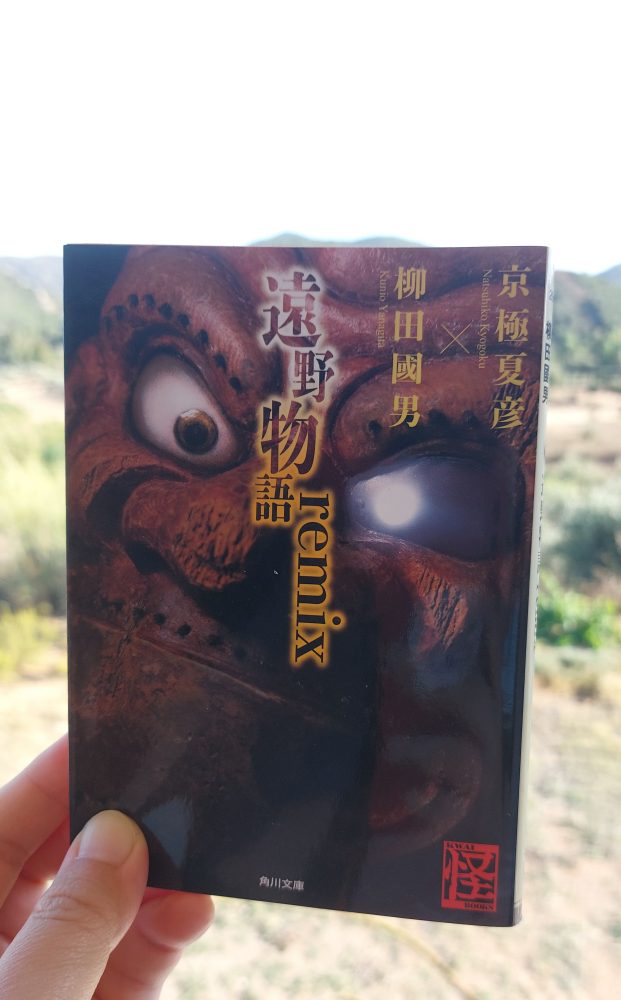
  • 「遠野物語 remix」 柳田國男 京極夏彦, 2013 / “The Legends of Tono” Kunio Yanagita, Natsuhiko Kyogoku, 2013>>

    「遠野物語 remix」 柳田國男 京極夏彦, 2013 / “The Legends of Tono” Kunio Yanagita, Natsuhiko Kyogoku, 2013>>

    🔽基本情報🔽
    遠野物語 remix
    柳田國男 京極夏彦, 2013
    Kunio Yanagida
    Natsuhiko Kyogoku
    249 pages
    2024年4月 読了

    🔽🔽 読書記録 🔽🔽

    1910年の遠野物語も、柳田國男が聞いたいろんな話を編集して本にまとめたのを考えると、時代に合わせた現代語でリミックスというのも確かにあり。
    書いてある文章が古くて難しいとどうしても毛嫌いしてしまうので、ただ内容を知りたい場合はやっぱり現代語訳がいい。

    震災で大きな被害を受けた釜石市から内陸部に向かってあるのが遠野。
    エリア的には広くはないのに、こんなにも豊かな伝説が残っている。

    逆にいうと、これは運良く本として残されたけれど、日本中のどれだけの伝説が歴史の波に埋もれて消え去ったか。

    山に対する恐怖、水に対する恐怖。そういう教訓的な意味合いもあったはず。
    さらっと書いてあるのに読んでて結構怖い。


    🔽 買えるところ / あらすじ、詳細 🔽

    ●●●●●楽天●●●●●
    [商品価格に関しましては、リンクが作成された時点と現時点で情報が変更されている場合がございます。]

    遠野物語remix (角川文庫) [ 京極 夏彦 ]
    価格:660円(税込、送料無料) (2025/10/2時点)


    ●●●●●アマゾン●●●●●


    遠野物語remix 文庫


    🔽 日本語情報 (「BOOKS」より引用) 🔽
    著:京極 夏彦
    著:柳田 國男
    ISBN:9784046532770
    出版社:KADOKAWA
    判型:4-6
    ページ数:255ページ


    ★★★★☆ Tono, a small area in Tohoku, is well known by Japanese for their memorable legends, thanks to this book. If you are interested in local or Japanese ghost and yokai stories, this is where you should begin your quest.

    🔽 log 🔽
    The Legends of Tono REMIX
    Kunio Yanagida
    Natsuhiko Kyogoku
    Read 2024.4


    🔽 Book review and notes 🔽
    The original version by Kunio Yanagita was written in 1910, this version I read was "remixed" in 2013 by a mystery writer Natsuhiko Kyogoku.

    Tono is in Tohoku region in the north of Japan, not far from the area destroyed by tsunami.
    It's not a vast area geographically, but incredibly rich in folklores and probably the only village associated so strongly with their local legends, because of this book.
    In other words, we must consider ourselves lucky that Tono's legends are preserved by the folklorist Yanagita, and can't help but wonder how many hundreds of thousands of local stories and legends have been wiped out in history, disappeared like they had never existed.

    Even kids outside of Japan know words like "yokai" thanks to a popular anime, and if you are familiar, you recognise many "characters" or concepts in this book.
    Monsters or ghost in the mountains, or by the river - you find similar themes in stories of the brothers Grimm, because it is universal.
    Anything outside of your village is dangerous, so is any wider knowledge than what they give you.

    It's not written to scare you, it's just a collection of the legends... but I admit it's pretty scary. It doesn't help the fact that I live in a countryside.

    The original book was written in 1910, since then there have been many versions, including a manga by Shigeru Mizuki but this version I read was "remixed" by Kyogoku, using more modern Japanese language for today's readers.
    When you think about it, Yanagita also collected folklores that were already pretty old then, so it's not unusual that it gets modernised or re-translated time to time, especially if what you are interested in is the actual stories from centuries ago and not the language of 100 years ago.

    🔽 Where to buy 🔽

    ●●● Amazon.com (US) ●●●

    The Legends of Tono


    ●●● Amazon.co.uk (UK) ●●●
    The Legends of Tono

    ●●● Amazon.it (Italy) ●●●
    The Legends of Tono (English)
    
    
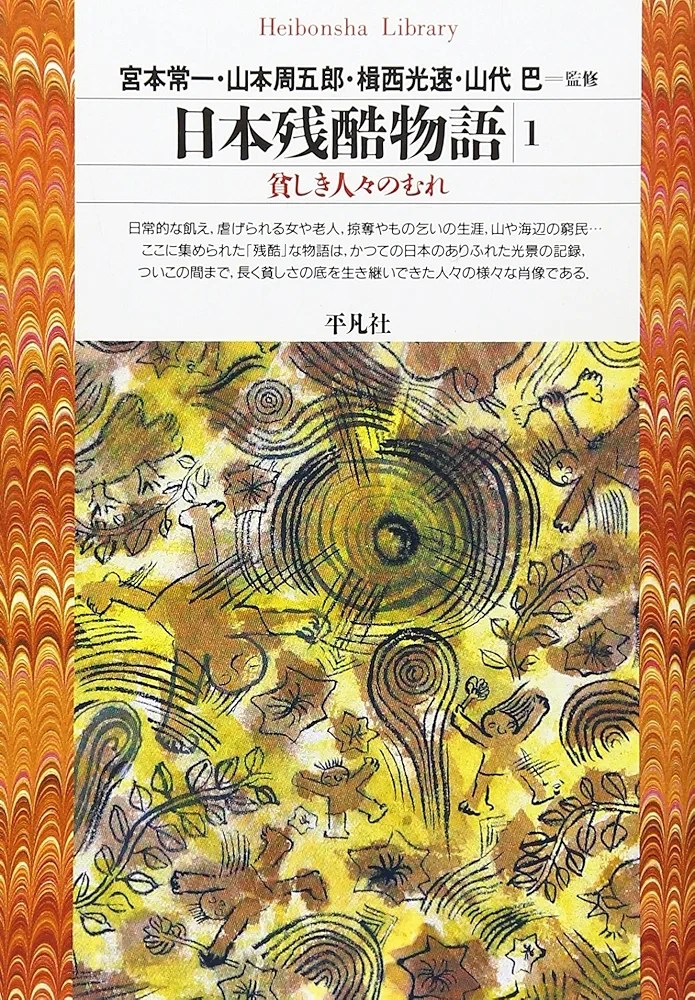
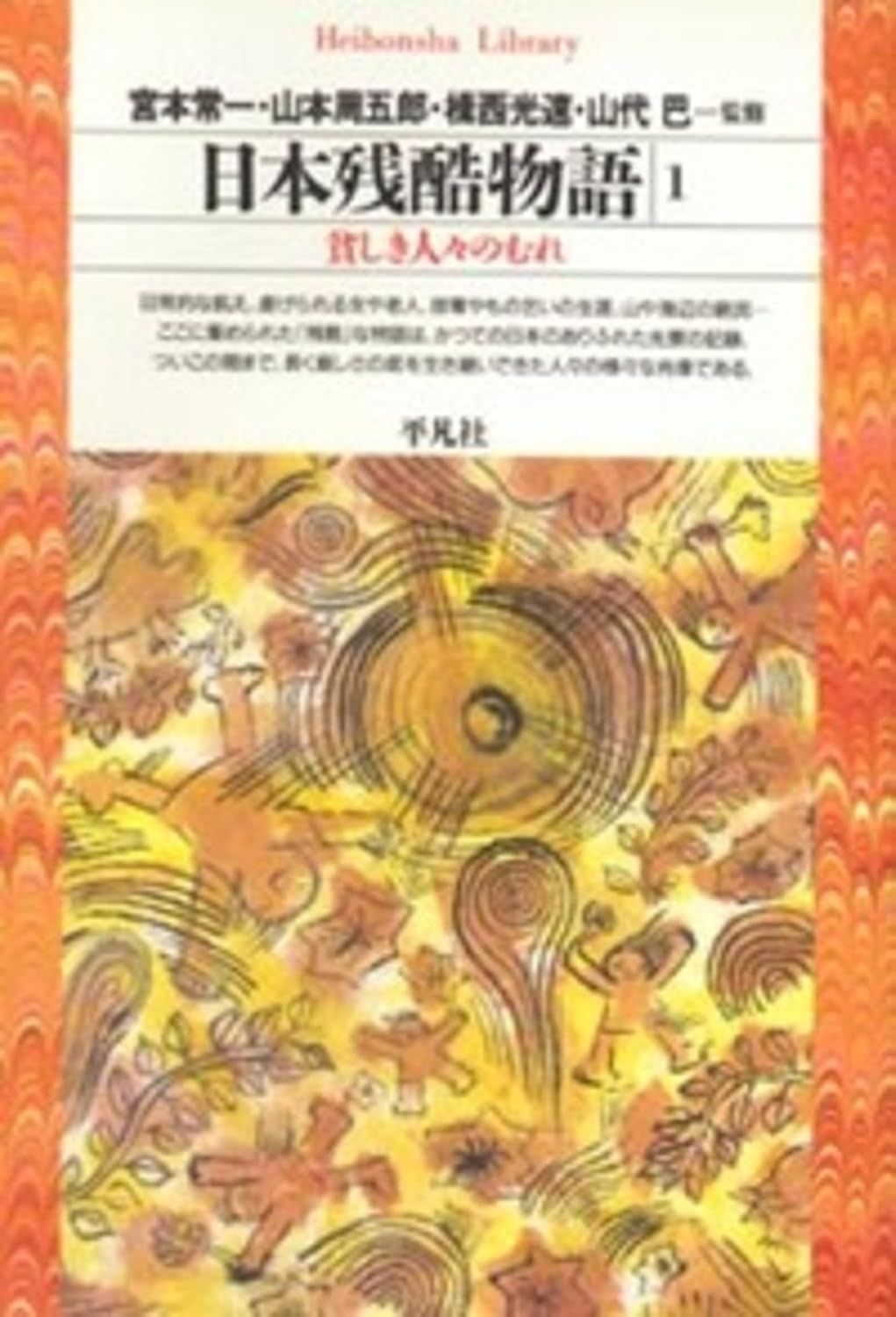
  • 「日本残酷物語1 貧しき人々の群れ」宮本常一 他 著 1959/ “Japan cruel stories 1, flock of poor people” Miyamoto Tsuneichi et al >>

    「日本残酷物語1 貧しき人々の群れ」宮本常一 他 著 1959/ “Japan cruel stories 1, flock of poor people” Miyamoto Tsuneichi et al >>


    🔽ログ🔽
    日本残酷物語1
    貧しき人々の群れ
    宮本常一 他 著 1959年
    540ページ
    読了=2025年2月
    🔽楽天kobo (内容、著者紹介も)🔽

    日本残酷物語 1【電子書籍】[ 宮本常一 ]


    🔽🔽読書記録🔽🔽
    宮本常一さんといえば(大好きです)普通の日本人の近代史を語らせれば右に出るものはいない民俗学者。
    そして普通の大半の日本人というのは、貧しかった。
    他の国からの旅行者も口を揃えてその貧しさを書き残しているけれど、宮本常一民俗学とは、とにかく歩いてその土地の人の話を聞くことだけど、この本もすごい。
    百年ちょっと前の日本人の大半が貧しさに苦しみ、盗みや殺し、身体を売り家族を文字通り捨て、肉親だろうが我が子だろうが背には腹を変えられぬ底辺の生活をしていた。

    一般的に学校で習う歴史は社会の強者だけが記録され語られていて、弱者というか普通の人の生活は見えない。
    でもここには大衆の、普通の人のいくつもの例が掲げられている。

    それは残酷である、あるんだけど、残酷という言葉で終らせていいのか。
    子を間引きする親に他に生き延びる方法はあったか、行政はなにをしたのか。
    ただ食べるため赤の他人の船や旅人を襲う村人は残酷なのか。

    ここには女性の例が多くあるのがありがたい。
    女性はその人生をかき荒らされ、女だからと穢れとして下にみられ、一人の人間とは見なされず、家庭での立場も常に戦場で、しかも妊娠をする、そしてなぜかその責任を負わされる。
    炭鉱の女性の章もよかった。
    いかに家庭も社会も背負う女性がたくましいかがはっきりとかかれている。

    本来日本人なら義務教育で知っておきたい、知るべきな、日本の歴史。


    🔽 買えるところ 🔽
    ●●楽天●●
    日本残酷物語 1【電子書籍】[ 宮本常一 ]

    ●●アマゾン●●
    日本残酷物語1


    🔽 日本語情報 (「BOOKS」より引用) 🔽
    平凡社ライブラリー 95
    監:宮本 常一
    監:山本 周五郎
    監:楫西 光速
    出版社:平凡社
    ISBN:9784582760958
    判型:A6変
    ページ数:540ページ


    ★★★★★ Normal, majority of Japanese people were poor. And their lives where cruel to them, yes, but can we just simplify this side of history, the history of the majority. Great Anthropology.

    🔽 basic info 🔽
    Nihon Zankoku Monogatari 1
    (Japan cruel stories 1, Flock of poor people)
    Miyamoto Tsuneichi et al, 1959
    日本残酷物語1 貧しき人々の群れ
    宮本常一 他
    Read 2025.02
    (Not available in English)


    🔽 Book review and notes 🔽
    Miyamoto is my favourite Japanese anthropologist.
    He focuses on folklores and local traditions, and he firmly believes on going to places on foot to meet the locals to learn about their local customs, of the normal people.

    Normal people in Japan were poor. Many foreign travelers from 100 years ago or so all talk about how poor Japan was centuries ago. An English explorer Isabella Bird is a famous one among those.

    Just over 100 years ago, majority of people in Japan suffered from poverty, living lives of thefts, killings, selling their bodies, disposing some family members (often their children of elderly) - to survive.
    You might have heard of the tradition of getting rid of the elderly in the mountain, or newborns in the river "before they were considered living human of the family" the latter famously being considered incredibly cruel by Western Christians that time.
    There are endless examples in this book, examples of how the poorest and weakest of the society had to survive.
    In the meantime, today we love to focus on the rich and powerful like samurai, shogun and rich merchants of Edo period, and how Japan was "sophisticated".
    That's not the reality, the life was cruel, people were cruel.
    But do we dismiss them only as "cruel"?
    Parents who had to select which babies would survive, did they have a choice?
    What did the government do while the rich had their sophisticated lives?
    The sad history of villages attaching trading ships or another village to eat, were they merely cruel?

    In one chapter they specifically talk about female.
    Female are always the victim, especially when the time is hard.
    Female were considered impure and inferior. They were always fighting, in society, in family, with elder female members.
    How dare they give birth to more mouths to feed, it's the female's responsibility and "fault" how insane.
    A chapter on women working in the mining was also great, they carry their family, society, finance on their shoulders, and my god they were strong.

    This is the kind of history we should learn at school, this is the real history of Japan.

    🔽 Where to buy 🔽

    ●●● Amazon.com (US) ●●●

    日本残酷物語〈1〉貧しき人々のむれ (平凡社ライブラリー) Paperback Bunko
    Amazon.co.uk (UK)
    日本残酷物語〈1〉貧しき人々のむれ (平凡社ライブラリー) Paperback Bunko
    
    Amazon.it (Italy)
    -


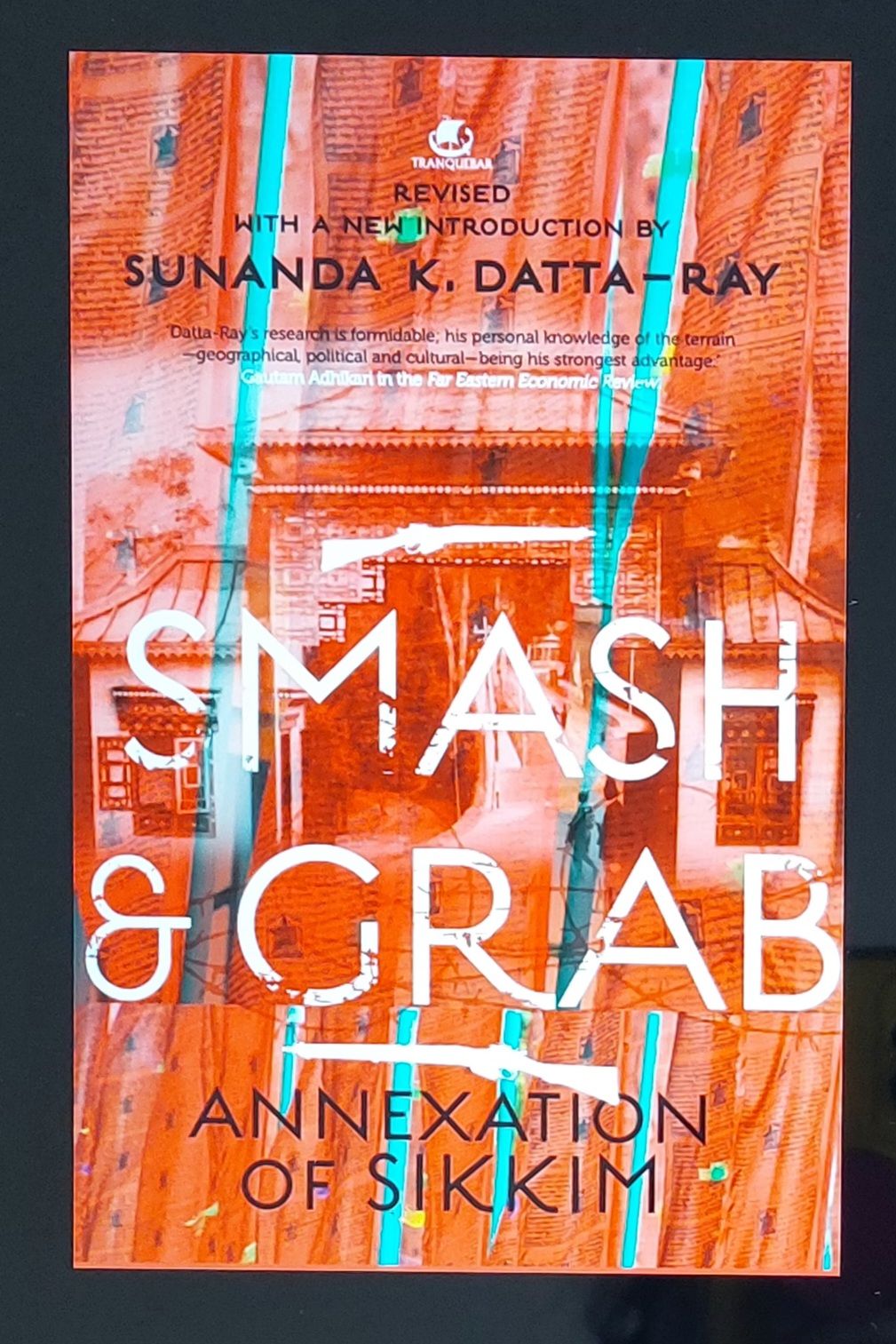
  • “Smash and Grab” Sunanda K. Datta-Ray 1984 >>

    “Smash and Grab” Sunanda K. Datta-Ray 1984 >>

    🔽ログ🔽
    Smash and Grab
    Annexation of Sikkim
    Sunanda K. Datta-Ray, 1984
    433 pages
    読了=2025年1月
    🔽🔽 読書記録 🔽🔽
    何年も探した結果やっとデジタル本で友人に送ってもらった。結局紙媒体の本はインド政府に出版停止された本なので、探してもない。
    いやというか発売禁止にすると余計に盛り上がるから、印刷停止命令を出したそう。結果は同じこと。
    (追記;アマゾンで今年2025年から電子書籍として入手できます。リンクは↓)

    別のシッキムについての本で完全に魅了され2023年にシッキムまで行きました。
    あの辺は本当に不思議。ヒンドゥー教徒が過半数なのに(ヒンドゥー教のネパール系は80%以上)、寺院は仏教のお寺が多い。

    インド政府が出版後にすぐ停止させた理由は良くわかる。
    これは絶対に読んでもらいたくない。

    チョギャル(チベット系シッキム国王)を個人的に知っていたジャーナリストが書いたいわゆる暴露本で、彼が聞いたこと、見たこと、交わした会話、肌で感じたこと、当時の新聞記事など、この数年間の様子がこと細かく記録されている。

    シッキム王国の歴史の基本的な知識がないとこの本は難しい。
    その歴史自体についてちょっと簡単にいうと。
    シッキムはインドの北東部、ネパール、チベット、そしてダージリンのあるインド西ベンガル州、ブータンと各国に囲まれている、すごい立地。ヒマラヤ山脈の麓で冬は厳しいけれど豊かな地。
    長い間チベット系をトップに現地民レプチャ族と静かに暮らしていたけど、英国の紅茶産業がダージリンで始まり、18世紀に働き手としてものすごい数のネパール人が流れ込んできて、上流階級が少数民族となり、大半を占めるネパール系が差別されるという不思議な形に。(これはいまでもグルカ運動が続いていて解決されていない問題)
    1947年インド独立時にダージリンやカリンポンなどはインド西ベンガル州になるが、シッキムはそのままシッキム王国を維持。
    チョギャルが若いアメリカ人女性と再婚し東洋のグレース・ケリーと話題になったことで知られているかも。

    シッキム王国がインド、シッキム州になったのは1975年。
    インドは英国の植民地主義に苦しみ、独立を勝ち取って30年もしないうちに、インド自らがシッキム王国を植民地化したわけで、この史実は非常に都合が悪い。
    嘘、マインドコントロール、偽りの約束、賄賂にフェイクニュースになんでもあれ。
    そして圧倒的で一方的な暴力。
    Smash=ぶち壊して、grab=奪え。
    道徳的にまずいことは全部あった。
    インドはメディアをコントロールしてシッキム国王を悪者に仕立て上げ、増え続けるネパール系と権力を持つチベット系の社会問題を悪用し、慎んだ生活をしていた人々を騙して、インド側は見事に嘘に嘘を重ね、反対派を暴力で押さえつける。
    ふと気がつけば、シッキム国民たちは自分達が進んでインドに吸収されることを望んでいるかのようになってしまい、最後はインドが軍隊を送り込み、あっという間に国はなくなった。
    まさに植民地主義の鏡の様なやり方。少数の外国人が強すぎる権力を振りかざす。
    インドの政治は複雑で私は勉強不足の部分も多かったけど、それでもあからさま。
    シッキム国王は確かにネパール系を差別していたけれど、シッキム王国内で解決方法はあったかもしれない。
    でも、それでも、インドはシッキム王国のあの立地が欲しかった。数年かけて重要人物たちを手懐け、確実にインドのものにしたかった。
    どんな手を使ってでも。
    このインドの暗い現代史を今のインド人はどこまで知っていて、どう思っているのか。
    多分知らない。シッキム国民たちは自らの意思で正当な方法で素晴らしい国インドの一部になれた、と教えられているから。
    🔽 買えるところ 🔽
    ●アマゾン●


    Smash and Grab: Annexation of Sikkim (English Edition)


    🔽 basic info 🔽
    Smash and Grab
    Annexation of Sikkim
    Sunanda K. Datta-Ray, 1984
    433 pages
    Read 2025.01

    🔽 Book review and notes 🔽
    The book I had to look for everywhere but couldn't find as a physical book as it was practically banned as soon as it was published.

    And, no wonder it was banned (well not banned, as that would be too scandalous, they just did not allow to print any more) it is by a journalist who personally knew the Chogyal, the king, so it's detailed and it's what he saw, heard, conversed and felt, as well as collection of newspaper articles.

    And it doesn't look good for India.
    India, who had until recently suffered the Imperialism is now putting Imperialism on Sikkim.
    Lies, manipulations, false promises, guaranteeing personal gains, not to mention violence. Anything you can think of that is morally wrong, was done to Sikkim.
    Cleverly manipulating the media to make people believe the Chogyal was the bad guy. They then tricked the modest simple people - you don't like the monarchy, this bad guy, then vote to be annexed by India.
    The Indian officer in Sikkim already had all the power he wished, and the last blow was easy, just lie.

    As mentioned in this book, the snap referendum was based on manipulations and physically impossible to run it in the remote area so quickly. Of course, if you vote against the annexation you'd likely beaten up, too.

    It's very detailed and was difficult to follow for me who had no basic understanding of Indian politics.
    But what was happening was clear, you cannot believe what you are reading with your eyes, it's incredibly similar to what British did to India; concentration of power in the hands of foreigners and dirty politics.
    Yes the Chogyal was hostile towards Nepali, but there was certainly a room for compromise and he probably would have been the Chogyal for all.
    It could have been a republic, also.
    But no, India wanted it, the perfect location at the border, and took time to absorb it slowly but surely.
    Now I'd like to know how Indian people think if this today, or maybe first of all if they are at least taught everything.

    🔽 Where to buy 🔽

    ●●● Amazon.com (US) ●●●
    SMASH AND GRAB:ANNEXATION OF SIKKIM
    SMASH AND GRAB:ANNEXATION OF SIKKIM Kindle Edition


    ●●● Amazon.co.uk (UK) ●●●
    SMASH AND GRAB:ANNEXATION OF SIKKIM
    SMASH AND GRAB:ANNEXATION OF SIKKIM Kindle Edition


    ●●● Amazon.it (Italia) ●●●
    -