タグ: English reviews

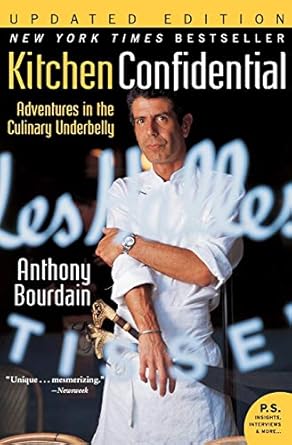
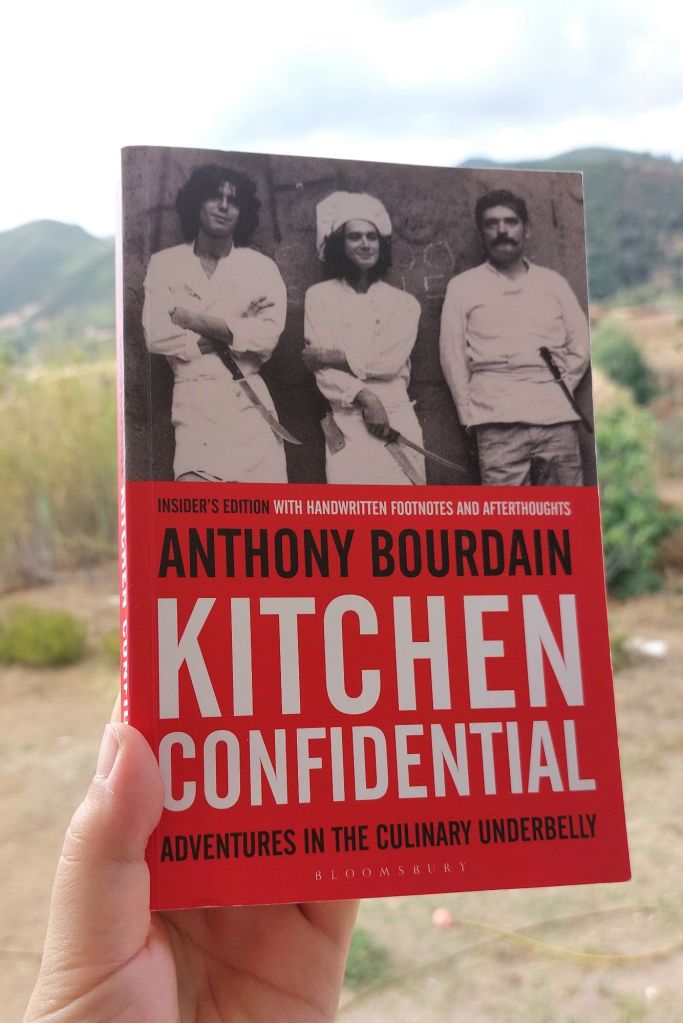
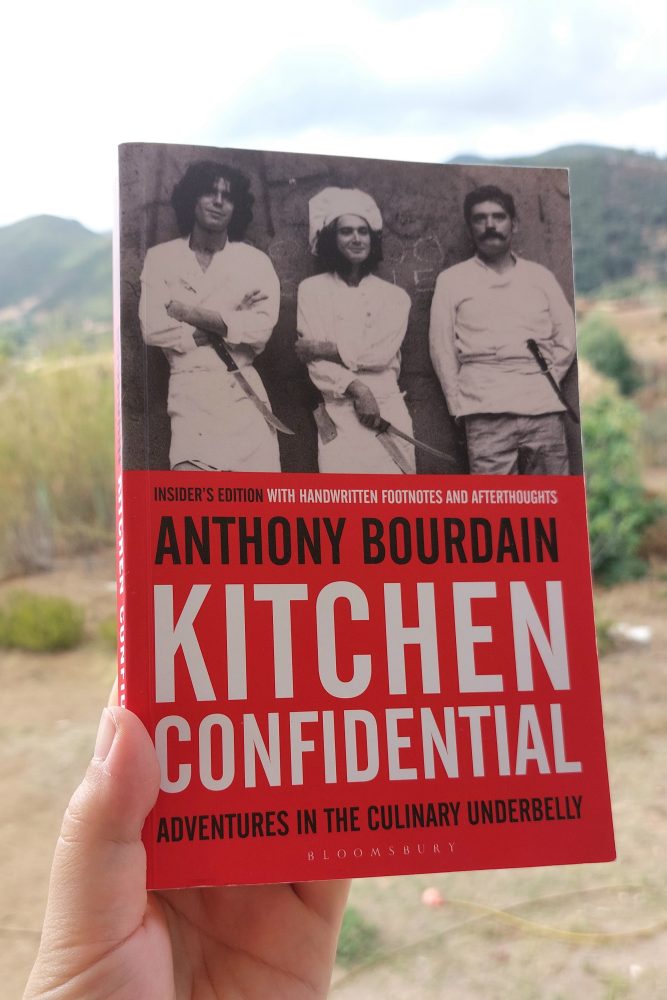
  • “Kitchen Confidential” Anthony Bourdain (2000) Review | Love of cooking

    “Kitchen Confidential” Anthony Bourdain (2000) Review | Love of cooking

    ★★★★★  It’s a biography but not about him, it’s about the love of food, love of cooking, of his colleagues and kitchen. It’s really how he was, foul mouth, brutally honest, caring guy. A classic.

    🔽 log 🔽
    Kitchen Confidential
    Anthony Bourdain, 2000
    576 pages
    Read 2024.09


    🔽 Book review and notes 🔽
    Yes, no wonder this is considered a classic.

    It’s a biography but it’s not about him, it’s about the love of food, love of cooking, of his colleagues and kitchen, and as he says, it’s universal.

    Kitchen is a heated place, I have worked briefly at a small restaurant so I had a tiny preview of the kitchen life.
    It’s a difficult job and it’s all about working as a team, not a team, a military.
    What your chef says is absolute, you only say “yes chef”.

    Bourdain was such a loved character from TV shows, and it’s nice to read that it’s really how he was, foul mouth, brutally honest, caring guy.

    Funny he mentions Orwell’s Down and Out in Paris and London, that I recently ready.
    And this books is only second to that classic.

    🔽 Where to buy 🔽

    ●●● Amazon.com (US) ●●●

    Kitchen Confidential Updated Edition: Adventures in the Culinary Underbelly (P.S.)


    ●●● Amazon.co.uk (UK) ●●●
    Kitchen Confidential: 25th Anniversary Edition

    ●●● Amazon.it (Italy) ●●●
    Kitchen Confidential (Italiano)
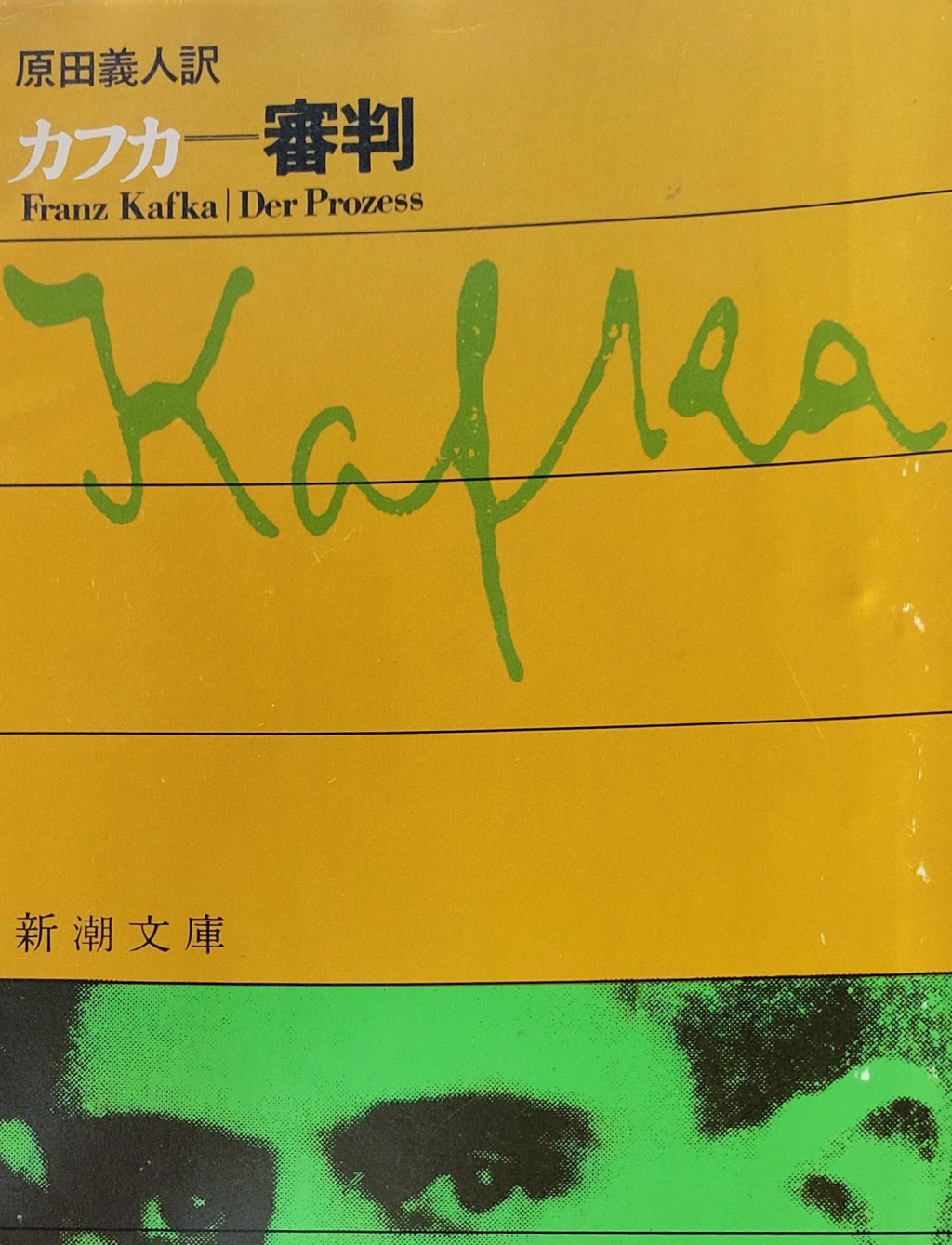
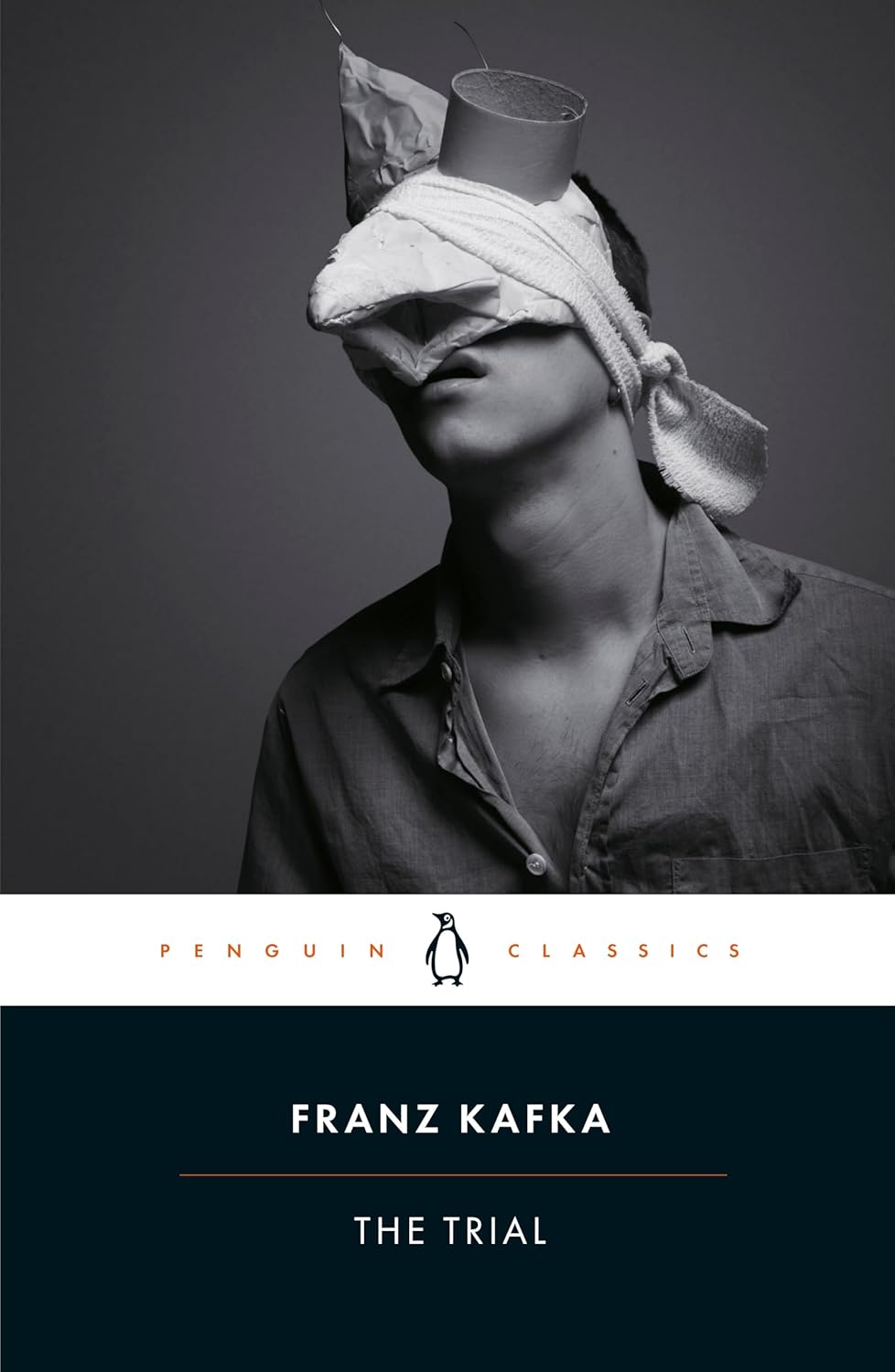
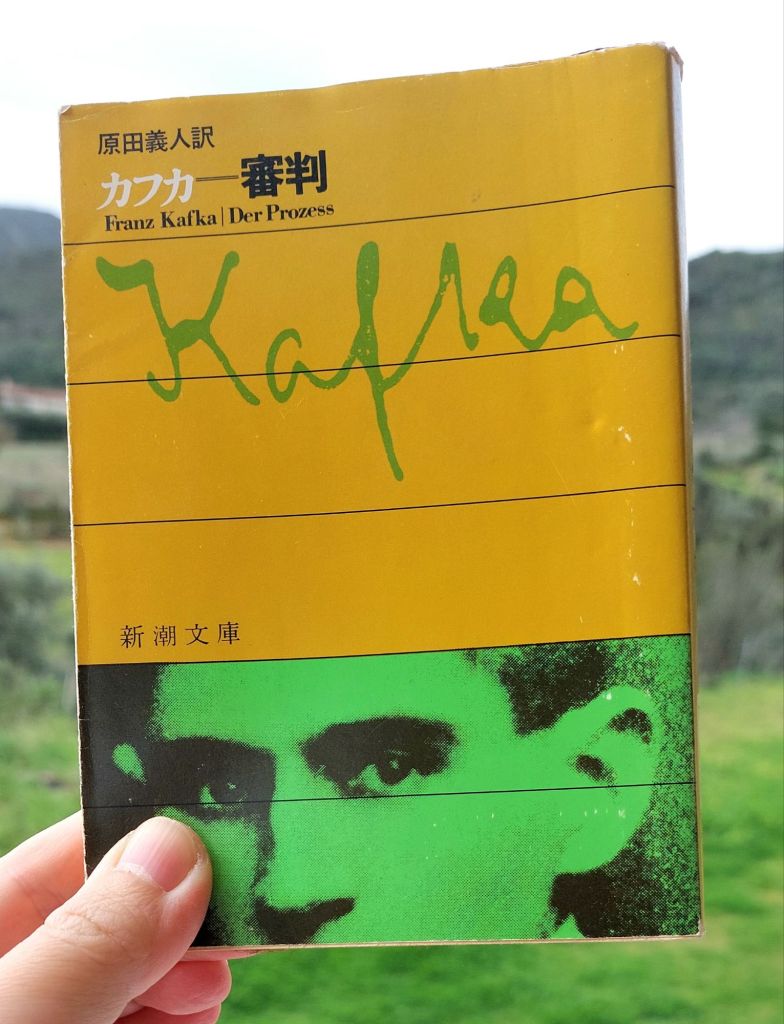
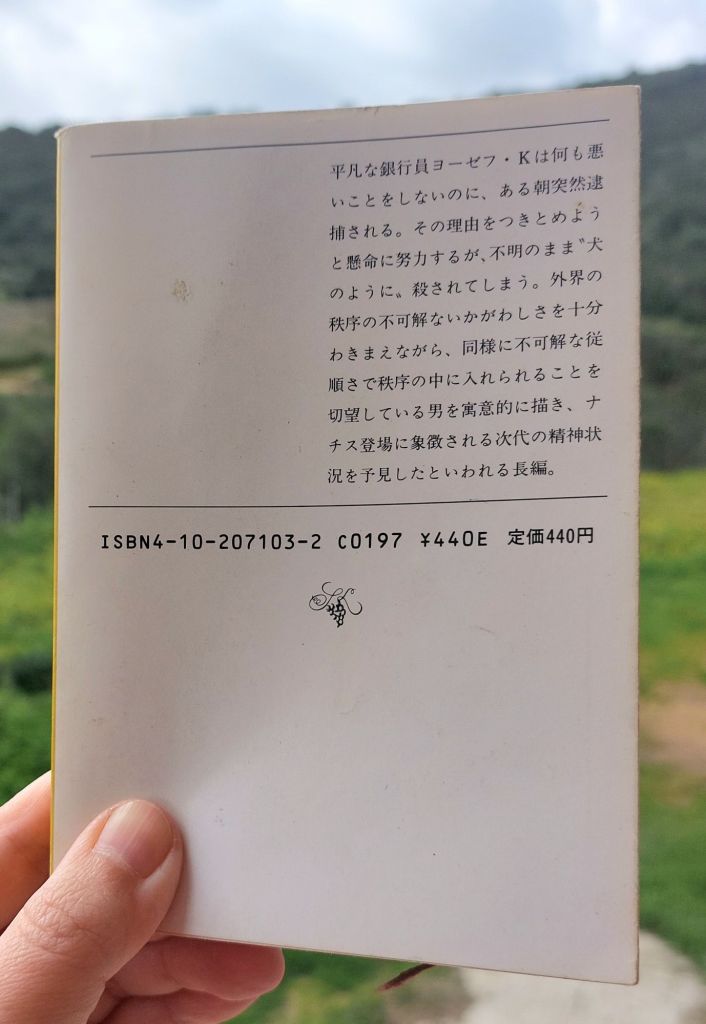
  • “The Trial” Franz Kafka (1914) Review | Absurdity, humiliation

    “The Trial” Franz Kafka (1914) Review | Absurdity, humiliation

    ★★★★☆ Absurdity, humiliation, resistance, Kafka’s world. We get little explanation throughout. Death is unceremonial, his death is nothing but a humiliation.

    🔽 log 🔽
    The Trial
    Franz Kafka, 1914
    Der Prozess
    Read in 2020.05
    🔽 Book review and notes 🔽

    Absurdity, humiliation, resistance, Kafka's world.

    I only read Metamorphosis when I was a student, but I do remember it's the same absurdity.
    Out of blue he's arrested, out of blue he's turned into an insect.
    He suffers from the humiliation and irrational world around him.

    The protagonist is a serious man, he struggles to accept illogical thinking, but we don't get to know where the court would be, or even why he was arrested, we get little explanation throughout.
    Death is unceremonial, his death is nothing but a humiliation.

    🔽 Related pages 🔽
    tag
    🔽 Where to buy / Summary and more info 🔽

    ●●● Amazon.com (US) ●●●

    The Trial (Penguin Modern Classics)


    ●●● Amazon.co.uk (UK) ●●●
    The Trial: Franz Kafka (Penguin Modern Classics)

    ●●● Amazon.it (Italy) ●●●
    Il processo
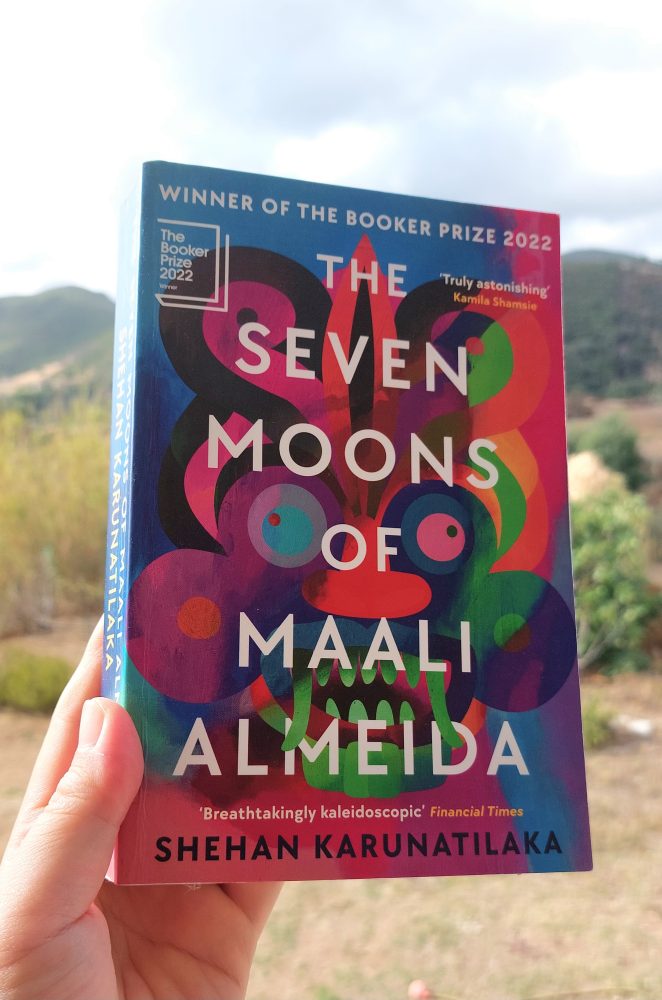
  • “The Seven Moons of Maali Almeida” Shehan Karunatilaka (2022) Review | Provocative and real

    “The Seven Moons of Maali Almeida” Shehan Karunatilaka (2022) Review | Provocative and real

    ★★★★★ Provocative and rock and roll. It’s a fantasy, a magical realism that really tells the reality of Sri Lanka, through the eyes of this dead unreliable photographer/lover/gambler. It’s a loud music in a book.

    🔽 log 🔽
    The Seven Moons of Maali Almeida
    Shehan Karunatilaka, 2022
    368 pages
    Read 2024.09


    🔽 Book review and notes 🔽
    The book I've been looking forward to read, though I tried not to know the plot in advance.
    So if you don't want to know anything else, just know that you will love it, and don't read further, even if you do, it'll be beyond your imagination anyway though.

    So, first you are dead, and you need to find out why and who did it.
    There are ghosts and monsters, it's a mystery, in modern Sri Lanka, in a messy war - you can have these key words and still it's way over what you might expect.

    It's difficult to get into the story without some knowledge of Sri Lanka but it slowly takes you to its world.

    It addresses the protagonist as "you" so it feels like you're discovering it all with him. Him being a lousy war photographer, gambler and a unfaithful lover who's gay; he is an anti-hero who is rather hateful, but, somehow becomes not so hateful after you spend 7 moons with him.

    It's provocative, anything can happen here.
    It's a fantasy as much as it's the reality in Sri Lanka.
    Non stop greatness that you can't pigeon hole it, a reading experience that's similar to being in a room with loud rock music, or whatever your favourite music is.

    Booker Prize winner

    🔽 Where to buy 🔽

    ●●● Amazon.com (US) ●●●

    The Seven Moons of Maali Almeida


    ●●● Amazon.co.uk (UK) ●●●
    The Seven Moons of Maali Almeida: Winner of the Booker Prize 2022

    ●●● Amazon.it (Italy) ●●●
    Le sette lune di Maali Almeida (Italiano)
  • “The History of Mr. Polly” H. G. Wells (1910) Review | Life started late

    “The History of Mr. Polly” H. G. Wells (1910) Review | Life started late

    ★★★★☆ Midlife crisis. Mr. Polly was tired, he wanted to change his life but too tired to try any more so he decided to end it all… that’s when his good life really started.

    🔽 log 🔽
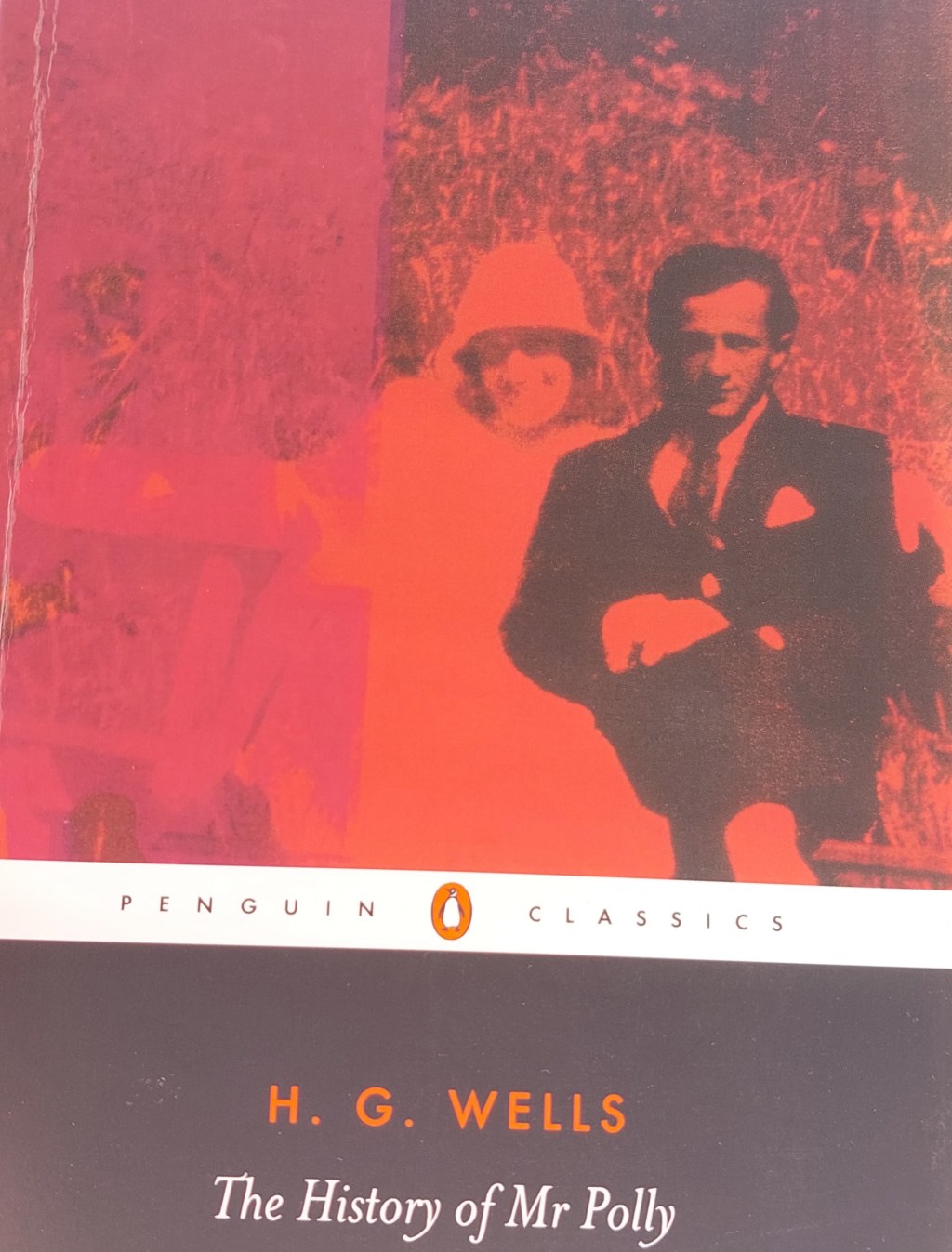
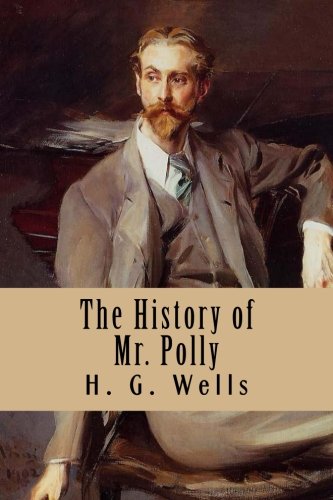
    The History of Mr. Polly
    H. G. Wells, 1910
    Herbert George Wells
    318 pages
    Read 2024.10


    🔽 Book review and notes 🔽
    It was mentioned in the mid life crisis book (my review here), and yes it is exactly about that.

    You have a boring life, you don’t make decisions but things just get decided and time passes and one day, you want to end it all.
    You want to “change it” but you are so tired that you just want to end it – but THAT is when the life starts again.

    The first half of this book is boring to read because his life was boring, but weirdly when he tries to end it the words in the book also gets more exciting and enjoyable, just as he enjoys the view of the countryside – then comes the tranquility of life, satisfaction, of letting it all go.

    It was worth reading the boring bits because that is life, it’s unpredictable.

    Also worth knowing that the author is actually a popular SF writer.

    🔽 Where to buy 🔽

    ●●● Amazon.com (US) ●●●

    The History of Mr. Polly


    ●●● Amazon.co.uk (UK) ●●●
    The History of Mr. Polly

    ●●● Amazon.it (Italy) ●●●
    The History Of Mr. Polly (English)
  • “Blood wedding” Federico García Lorca (1932) Review | Honour and revenge

    “Blood wedding” Federico García Lorca (1932) Review | Honour and revenge

    ★★★★☆ A very Mediterranean story. Struggle of lovers and mothers, and the men who live and die for honour and revenge. One day hopefully on a stage.


    🔽 log 🔽
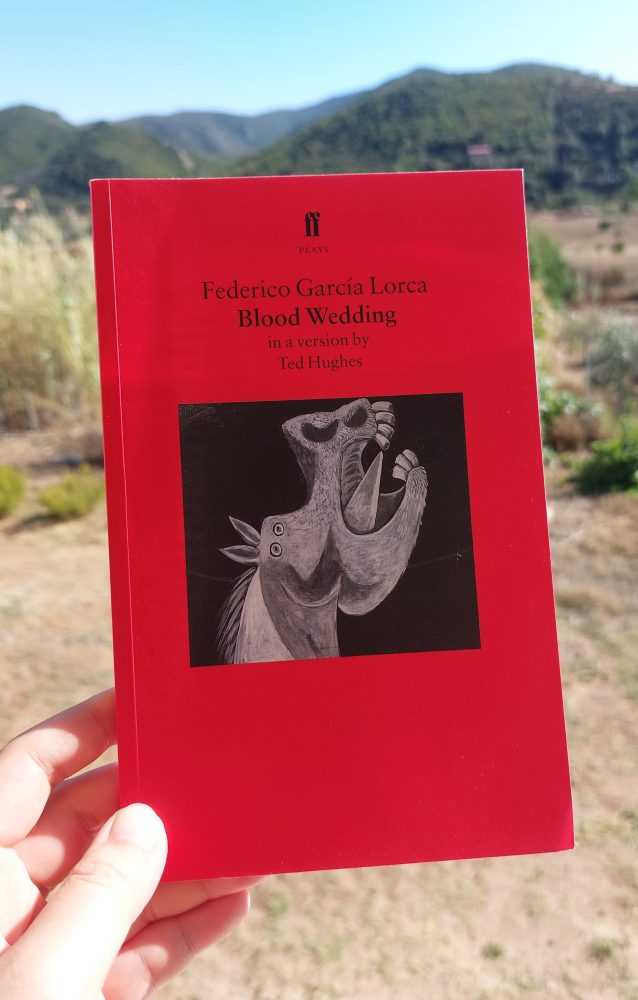
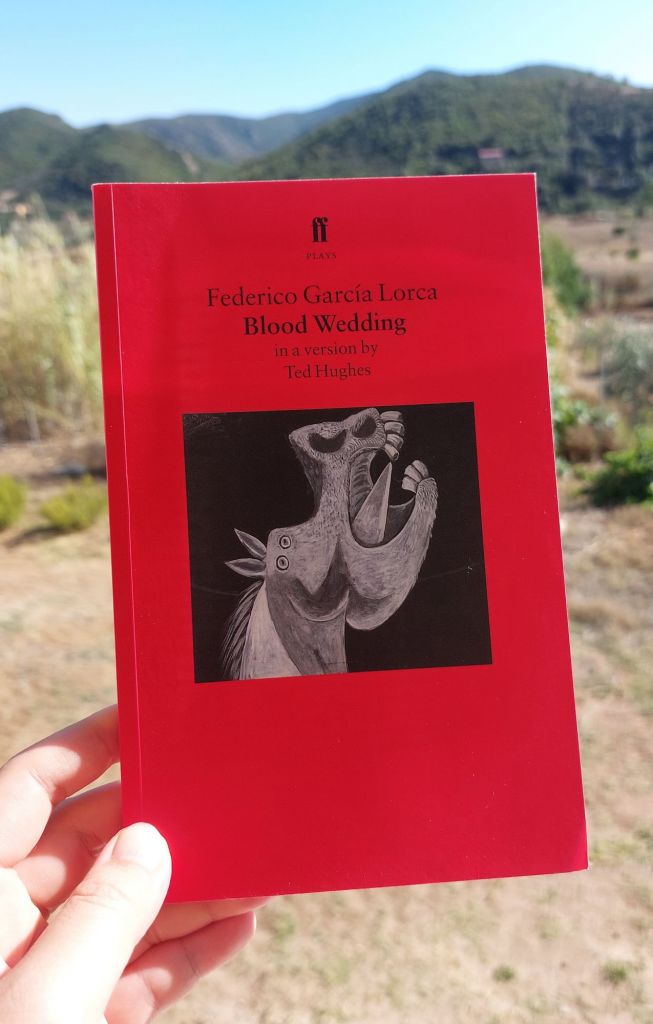
    Blood wedding
    Federico García Lorca, 1932
    Bodas de sangre
    80 pages
    Read 2024.09


    🔽 Book review and notes 🔽
    It's a lot shorter than I thought, it's a play that's considered the classic and has powerful emotions.
    It's the wild emotions of the lovers and mother, it's the cry of those who lost loved ones in the Mediterranean countryside where honour and revenge are the purpose of living, and worth dying for.

    It's most definitely to be enjoyed as a theatre piece so reading it might not be the best experience of it and of course translation might lose its true colour, but being so short it felt like I needed more for me to go deeper into it.
    So yes on a stage one day.

    🔽 Where to buy 🔽

    ●●● Amazon.com (US) ●●●

    Blood Wedding: A Play (Faber Drama)


    ●●● Amazon.co.uk (UK) ●●●
    Lorca: Three Plays (Blood Wedding, Yerma, The House of Bernarda Alba) (NHB Drama Classics) (Drama Classic Collections)

    ●●● Amazon.it (Italy) ●●●
    Nozze di sangue (Italiano)
  • “Shattered Lands” Sam Dalrymple (2025) Review | Making of new Asia

    “Shattered Lands” Sam Dalrymple (2025) Review | Making of new Asia

    ★★★★★  5 Partitions, not just one. From Yemen to Myanmar, The British India was one entity where cosmopolitan people had lived in a sort of harmony. An important history that was until now “forgotten”, and an important book.


    🔽 log 🔽
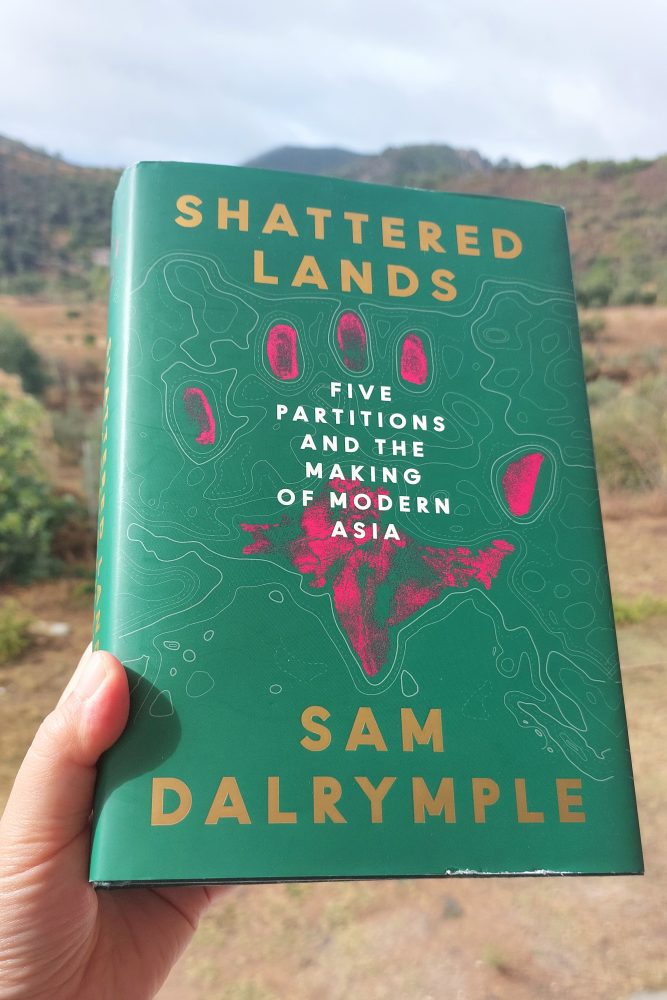
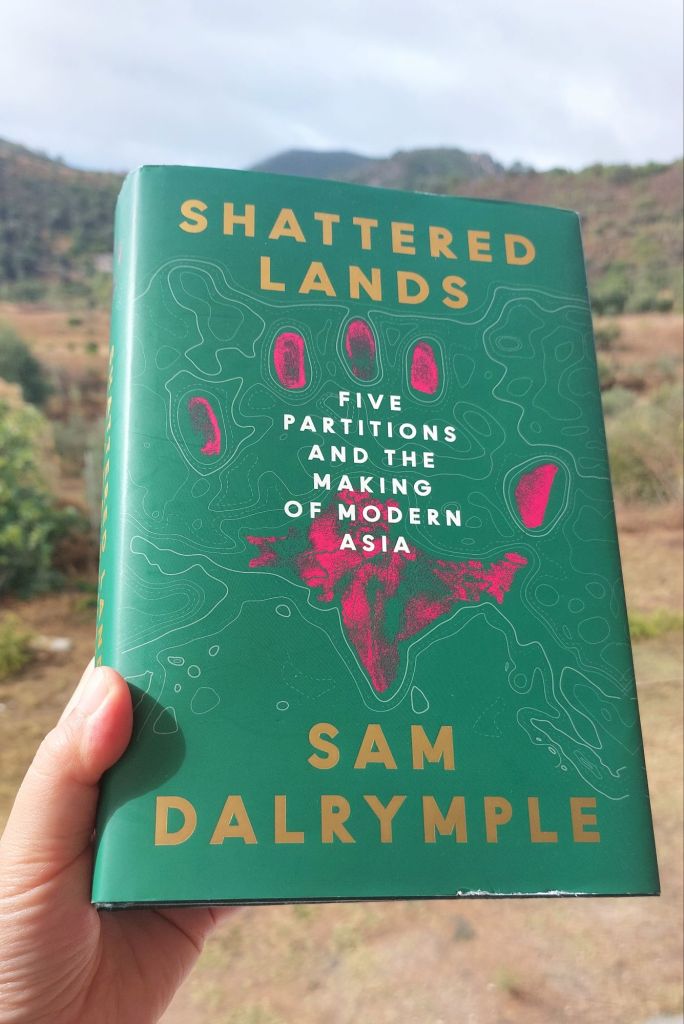
    Shattered Lands
    Five Partitions and the Making of Modern Asia
    Sam Dalrymple, 2025
    UK
    528 pages
    Read 2025.09


    🔽 Book review and notes 🔽
    A great book on the topic that is shamefully unknown to a lot of us, even though it's not so long time ago and even though it totally shaped Asia today.
    All the problems in Asia that we see on the news today are not simply because the local people are "naturally" violent, of course not, there is always a cause.

    And the cause is, this. The British Empire had ruled and gained much from the British India and local Princely States (so very wide, from modern day Yemen to Burma, to Qatar. Qatar! And British Empire had 25% of the world population back then) until one day they couldn't financially support it so they dropped the ball, without thinking of the very probable consequences, namely, the shattered lands and shattered people.

    The book carefully follows 5 Partitions, rather than only the more widely known THE Partition between today's India and Pakistan.
    Myanmar, Arabian peninsula, India-Pakistan, Princely States, and Bangladesh.
    People like me who knew so little would be surprised at how everything fell apart quickly, and be utterly shocked how millions of people crossed newly drawn borders each time. And every one experienced some horror; the violence, looting, rape, and many killing.
    The consequences of the relocation, the migration, and of course of refugees like Rohingya people still remains as huge problems. 


    Stereotypically, British officers’ works were full of lies and betrayals, their selfishness with their strong interesting in keeping their hands clean.
    As a predicable result, people who lived in cosmopolitan societies, were suddenly put in various corners of Shattered Lands, and they turned against their neighbours because they now became their enemies.

    What got me thinking most throughout my reading was how pre Partitions era things were more secular, and as the lands got divided it firmly became a matter of religions and ethnicity, it was all about nationalism, of the new nations that were born out of the shattered lands – again and again in the each phase of the Partitions.
    Not that the colonisation era was good, but you cannot stop wondering, if we now want to end the fighting in Asia would we have to eliminate the notions of religion and ethnicity?
    Letting go of the sense of community or tradition? The peace of mind it provides?
    Is it really a dangerous thing to have a tradition?

    I heard somewhere that people who experienced the Partitions, probably just like our grandfathers in Japan who were sent to the war, have preferred to keep quiet.
    They chose to take the horror, errors and shame to their graves, and their children also kind of hesitated to insist.
    However, now that it’s their grandchildren’s generation, things are now becoming uncovered and dusted off because they are finally opening their mouths to tell us.
    And this might be one of the reasons why this book is written now at this moment in time, by this brilliant author who is in his 20s, and this is one of the reason this book will remain in the history to come.

    The book has great details with wonderful storytelling skills, and most notably it has the marvelous sense of humanity, just like his father, Sam Dalrymple is such a humane human full of compassion and passion, with giggles – but he is already on his own feet, and how exciting is it that two Dalrymples are on the chart? Very.

    🔽 Where to buy 🔽

    ●●● Amazon.com (US) ●●●

    Shattered Lands: Five Partitions and the Making of Modern Asia


    ●●● Amazon.co.uk (UK) ●●●
    Shattered Lands: INTERNATIONALLY BESTSELLING AND PRIZE SHORTLISTED NEW HISTORY OF FIVE PARTITIONS AND THE RESHAPING OF MODERN ASIA

    ●●● Amazon.it (Italy) ●●●
    Shattered Lands: INTERNATIONALLY BESTSELLING AND PRIZE SHORTLISTED NEW HISTORY OF FIVE PARTITIONS AND THE RESHAPING OF MODERN ASIA
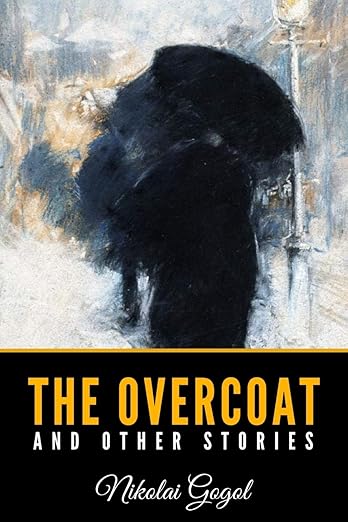
  • “The Overcoat” Nikolai Gogol (1842) Review | Life is unfair

    “The Overcoat” Nikolai Gogol (1842) Review | Life is unfair

    ★★★★☆ Life is not fair. A tragedy but also a sad comedy. Russian literature is bottomless. A man saves money for ages and buys a new coat, and it gets stolen. Regardless of time and society we live in, we share the anger and desperation.


    🔽 log 🔽
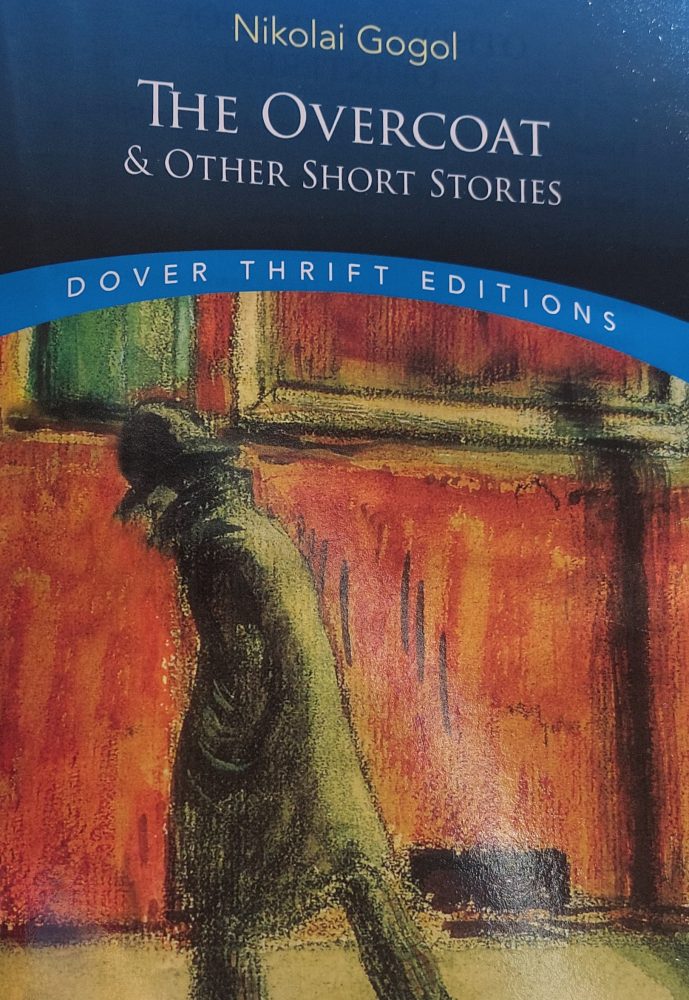
    The Overcoat
    Nikolai Gogol, 1842
    Шине́ль
    Russia
    112 pages
    Read 2024.10


    🔽 Book review and notes 🔽
    Short stories of the famous Gogol.
    You do see a lot of Dostoyevsky in his stories, that the life is unfair, and stories are tragedies yet sadly comical.

    Written in this period in Russia, the stories are critical of the bureaucracy and of higher ranked officials.
    A regular official saves up to get an overcoat and gets robbed, it's simple as that, and though it's keeping it subtle it is fully miserable, and universal, we totally understand how the protagonist is feeling at every stage of the story.

    The story is ridiculous yet believable, and again universal.
    Russian literature is bottomless.

    🔽 Where to buy 🔽

    ●●● Amazon.com (US) ●●●

    The Overcoat and Other Stories


    ●●● Amazon.co.uk (UK) ●●●
    The Overcoat and Other Short Stories (Thrift Editions)

    ●●● Amazon.it (Italy) ●●●
    Il cappotto (Italiano)
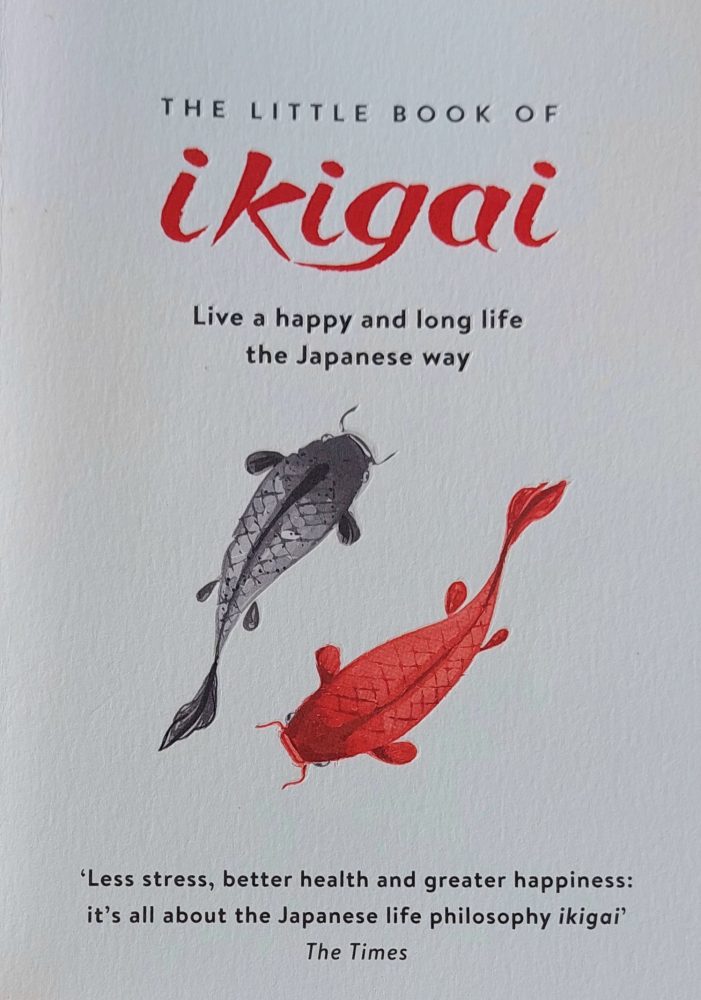
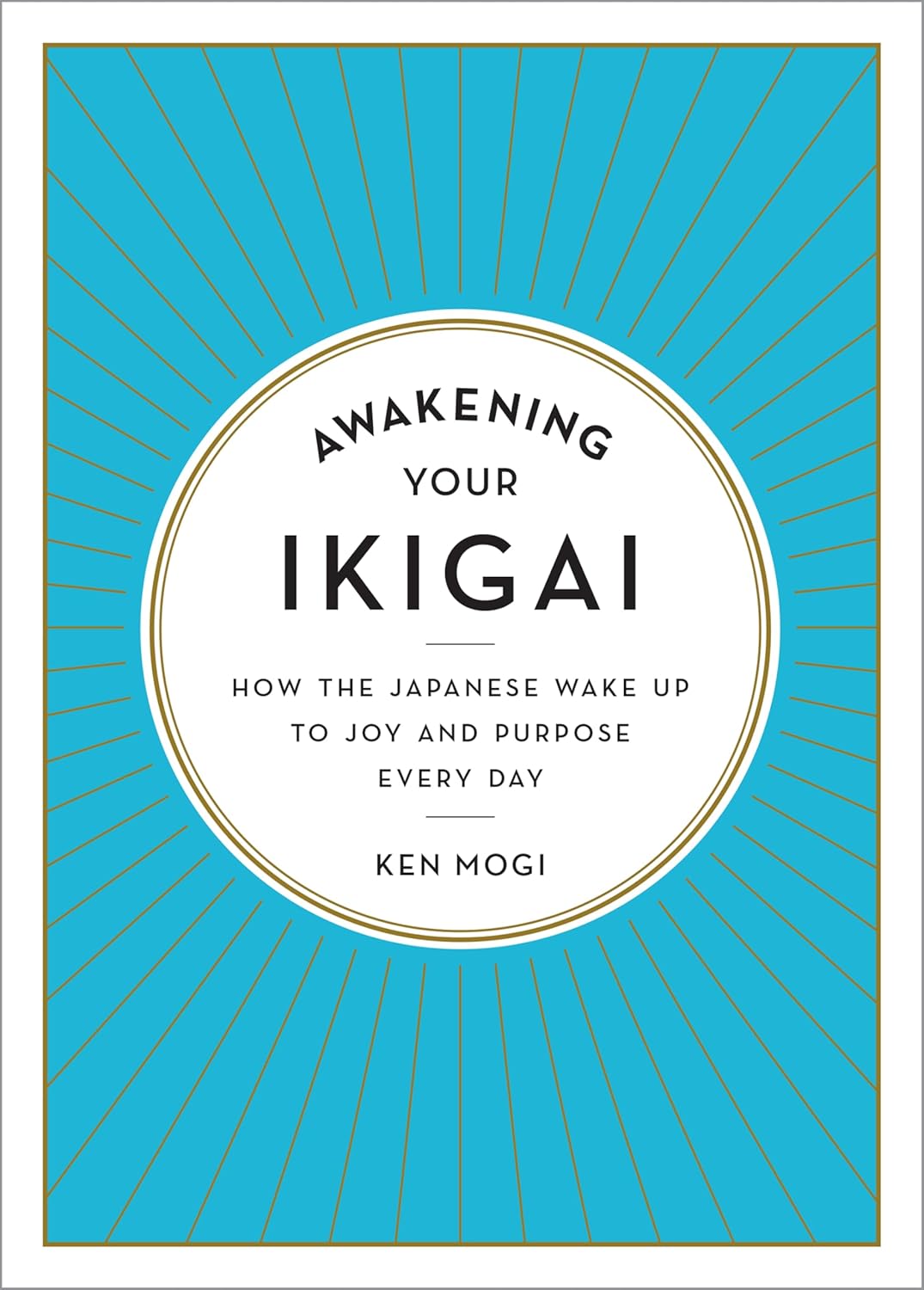
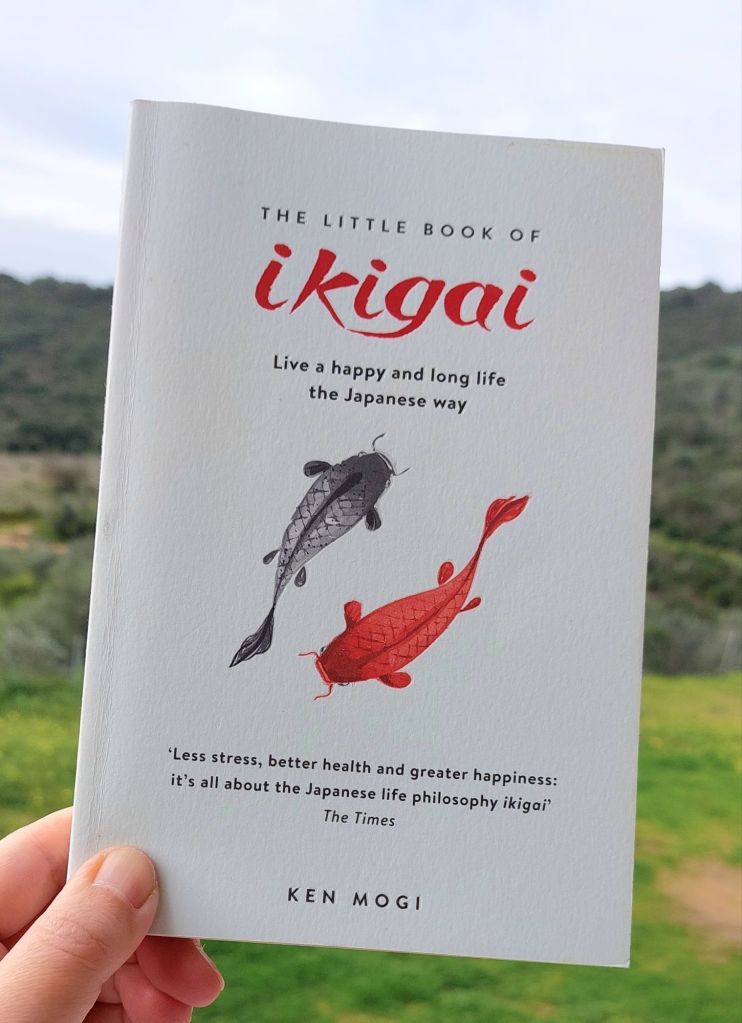
  • “Ikigai” Ken Mogi (2017) Review | Little Happiness

    “Ikigai” Ken Mogi (2017) Review | Little Happiness

    ★★★★☆ A book about how to live a life with “ikigai” which is a Japanese notion of “little happiness”. Written by Japan’s favourite neuroscientist, it’s both logical and entertaining.

    🔽 log 🔽
    Ikigai
    Ken Mogi, 2017
    茂木健一郎
    208 pages
    Read in 2020.05
    🔽 Book review and notes 🔽

    A book about how to live a life with "ikigai" which is a Japanese notion of "little happiness" in a very broad sense.

    It was originally published for UK readers, so it's a lot about introducing Japanese culture and traditions while showing how the notion of "ikigai" is born and appreciated there.

    It'd help non-Japanese to solve mystery of the mindsets of Japanese people.
    Ridiculously detailed work by craftsmen and (apparently) uniformed lifestyle of salarymen - behind all that there is the "ikigai" to keep them going.

    After reading this people would definitely like Japan more.
    It is in a way a PR for Japan, but because it is written by Japan's favourite neuroscientist, it's both logical and entertaining.

    p.s.
    I love how US title is different from the UK title, American version focuses more on purposes, while British more on "little" happiness.
    🔽 Related pages 🔽
    tag
    🔽 Where to buy / Summary and more info 🔽

    ●●● Amazon.com (US) ●●●Awakening Your Ikigai: How the Japanese Wake Up to Joy and Purpose Every Day
    Awakening Your Ikigai: How the Japanese Wake Up to Joy and Purpose Every Day

    ●●● Amazon.co.uk (UK) ●●●The Little Book of Ikigai: The secret Japanese way to live a happy and long life
    The Little Book of Ikigai: The secret Japanese way to live a happy and long life

    ●●● Amazon.it (Italy) ●●●
    Il piccolo libro dell'ikigai. La via giapponese alla felicità
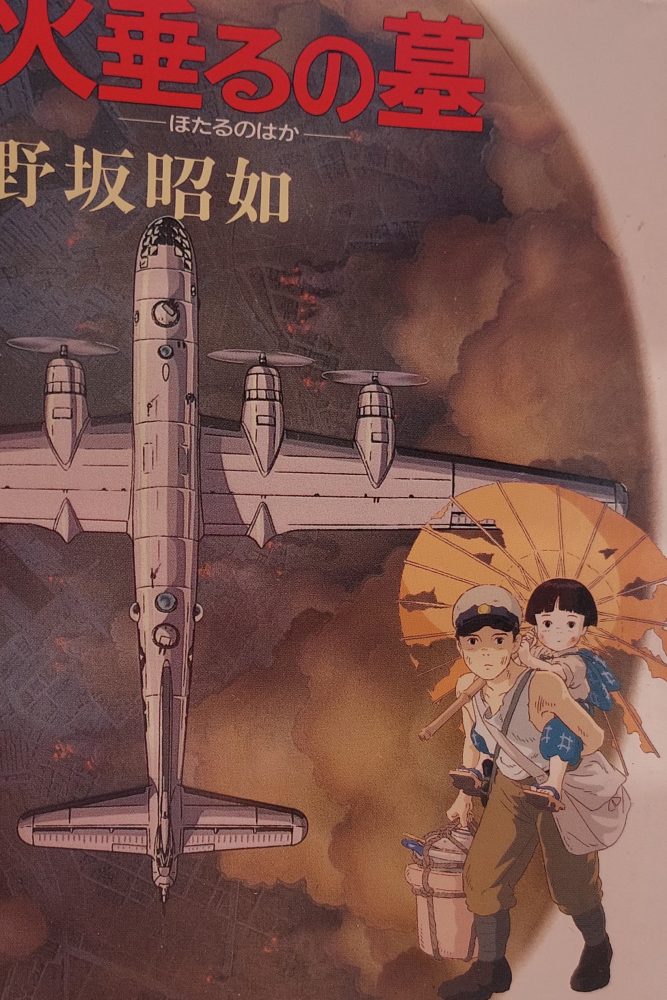
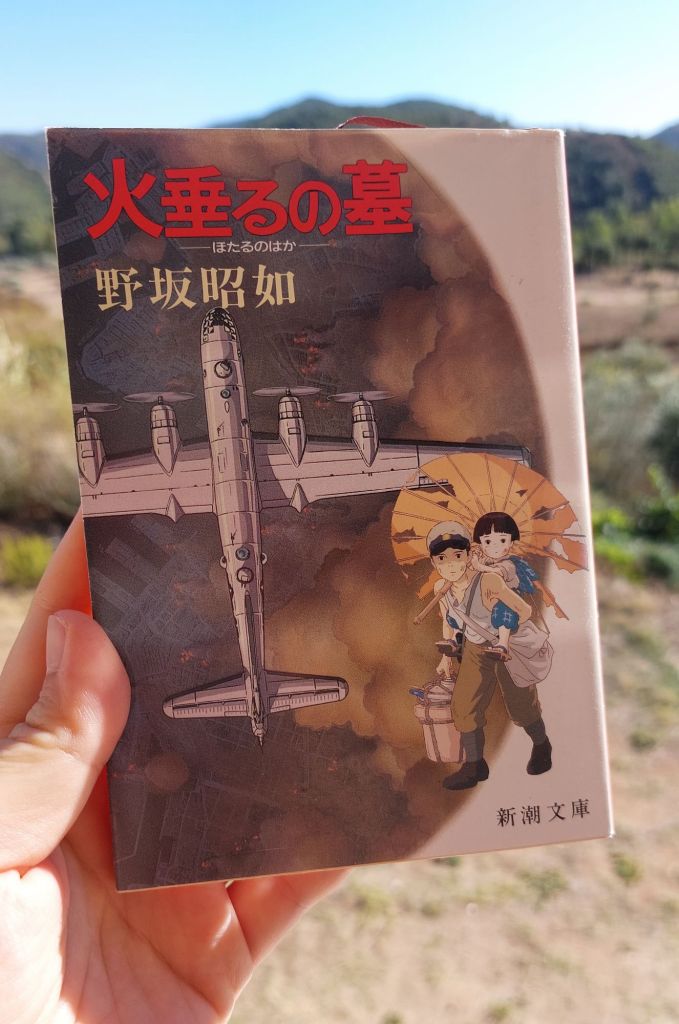
  • “Grave of the Fireflies” Akiyuki Nozaka (1968) Review | Guilt disappears

    “Grave of the Fireflies” Akiyuki Nozaka (1968) Review | Guilt disappears

    ★★★★★ I still cannot watch the Ghibli film. Guilt disappears, but your hunger doesn’t. You can visualise the horrible views the kids are seeing, and smell the death. They cannot live without help and death is too familiar.


    🔽 log 🔽
    Grave of the Fireflies
    Akiyuki Nozaka, 1968
    アメリカひじき
    火垂るの墓
    野坂明之
    Japan
    Read 2024.10


    🔽 Book review and notes 🔽
    The Ghibli film is too well known, but I still cannot watch it and even less now that I have kids of my own.

    Poverty, but extreme poverty where the war took everything and there's no other way than eventually die.
    There are no beautiful things like family or childhood, it's about how to survive that day, and if possible saving the little sister also.

    The book also contains other short stories, about kids who did survive - but it doesn't mean they are not struggling.
    A vivid complex about the victorious Americans, or the guilt they carry because you are the only survivor among the siblings, or their will to do anything to live in the post war period.

    Guilt disappears, but your hunger doesn't.
    What would you do to survive the day, or what can you do if you are only a child?

    The most unexpected thing about the book is the description of sex and female body. America Hijiki talks about sex shows, yes that's an obvious one, but in one of the stories it talks about menstruation that starts even if your whole body is burned and wrapped, or they talk about removing ovary, or about pregnancy and raising children in general during the war.
    All the things that's absolutely normal, especially if you are a woman, but never talked about in the history, which is more often written by men.
    🔽 Where to buy 🔽

    ●●● Amazon.com (US) ●●●

    Grave of the Fireflies Steelbook
    (bluray)
    I couldn't find English book link so adding a link to the Ghibli film

    ●●● Amazon.co.uk (UK) ●●●

    Grave of the Fireflies: Akiyuki Nosaka

    book

    ●●● Amazon.it (Italy) ●●●
    Una tomba per le lucciole (Italiano)
    book
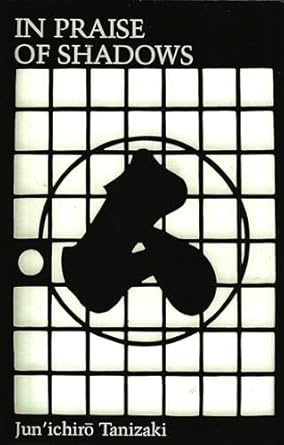
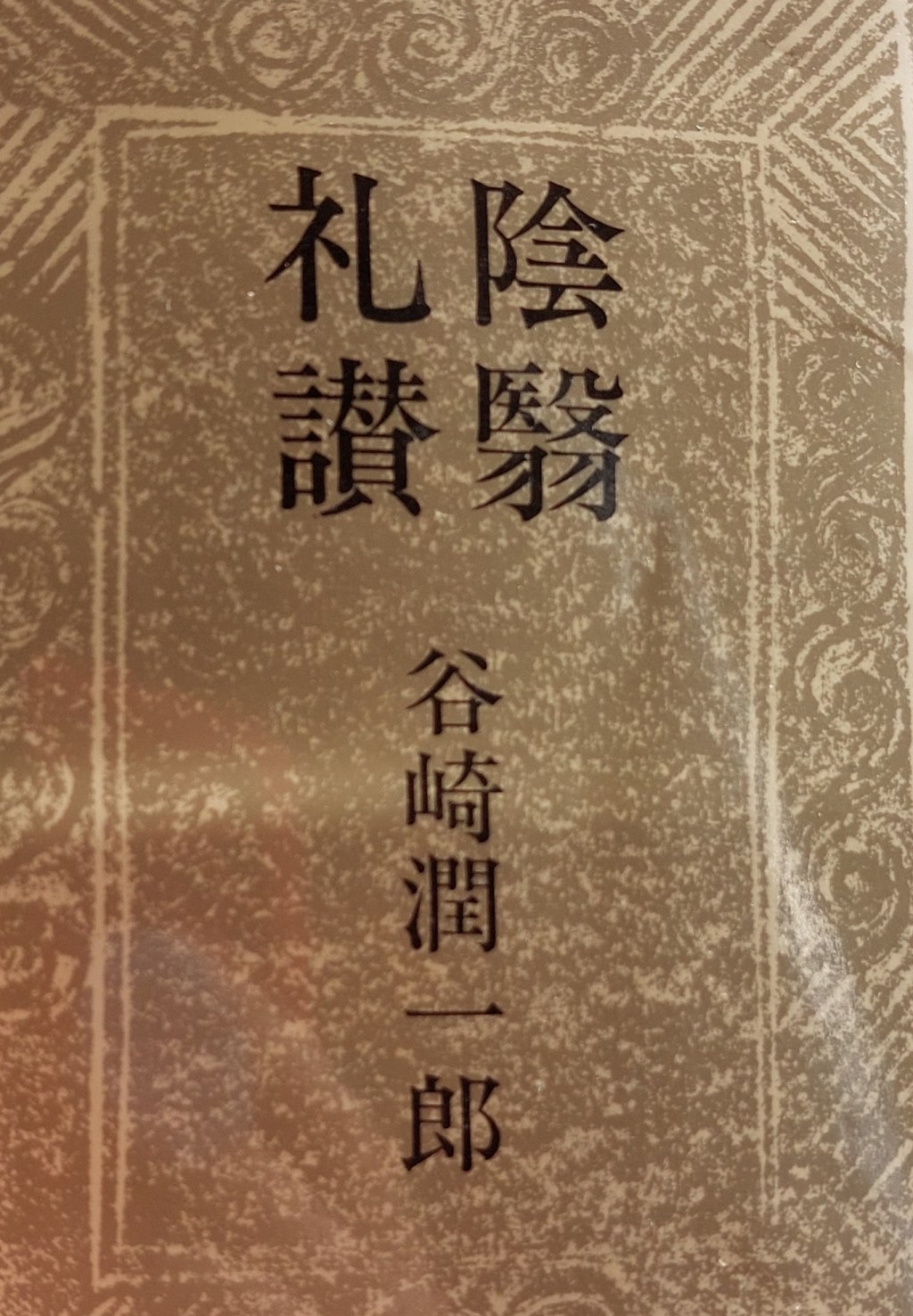
  • “In Praise of Shadows” Junichiro Tanizaki (1933) Review | Finding beauty even in toilet

    “In Praise of Shadows” Junichiro Tanizaki (1933) Review | Finding beauty even in toilet

    ★★★★★ Obsessively white tiles cannot give the warm beauty that old wood could. Japanese sentiments find beauty in shadows and in old. Masterpiece essay from Tanizaki, I mean he even writes beautifully about toilet.


    🔽 log 🔽
    In Praise of Shadows, 1933
    Junichiro Tanizaki
    Jun'ichirō Tanizaki
    陰翳礼讃
    谷崎潤一郎
    288 pages
    Read 2024.11


    🔽 Book review and notes 🔽
    A masterpiece essay from Tanizaki to praise the shadow, darkness and old.

    He's not just saying how darkness is good; he talks about the sentiment Japanese people have to feel that the cleanliness of white tiles cannot give the beauty that the old brown wooden board could give.

    Japanese are used to living in the dark rooms and they don't force the room to be brighter but they find beauty in the darkness.
    Women's clear skin is beautiful because the room is dark, and the custom of ohaguro (women paint their teeth black) also emphasises the pale skin.
    Same for some Japanese traditional art, like kabuki, the costumes are so bright, because back then the stage was darker.

    Now, almost 100 years on, I'm not sure the Japanese living today still have the same feeling towards darkness.
    But it's not completely gone, so hopefully this very Japanese sentiments stay with us.

    The book is a collection of his essays, so it talks about various things like traveling and how he hates guests, or about toilets.
    It's fun reading the grumpy Tanizaki whining about how he hates having guests, the book overall is not too serious.
    When he goes on and on about toilet, in his wonderful way of writing, you just have to smile - ah granddad!
    🔽 Where to buy 🔽

    ●●● Amazon.com (US) ●●●

    In Praise of Shadows


    ●●● Amazon.co.uk (UK) ●●●
    In Praise of Shadows (Vintage Classics)

    ●●● Amazon.it (Italy) ●●●
    Libro d'ombra (Italiano)

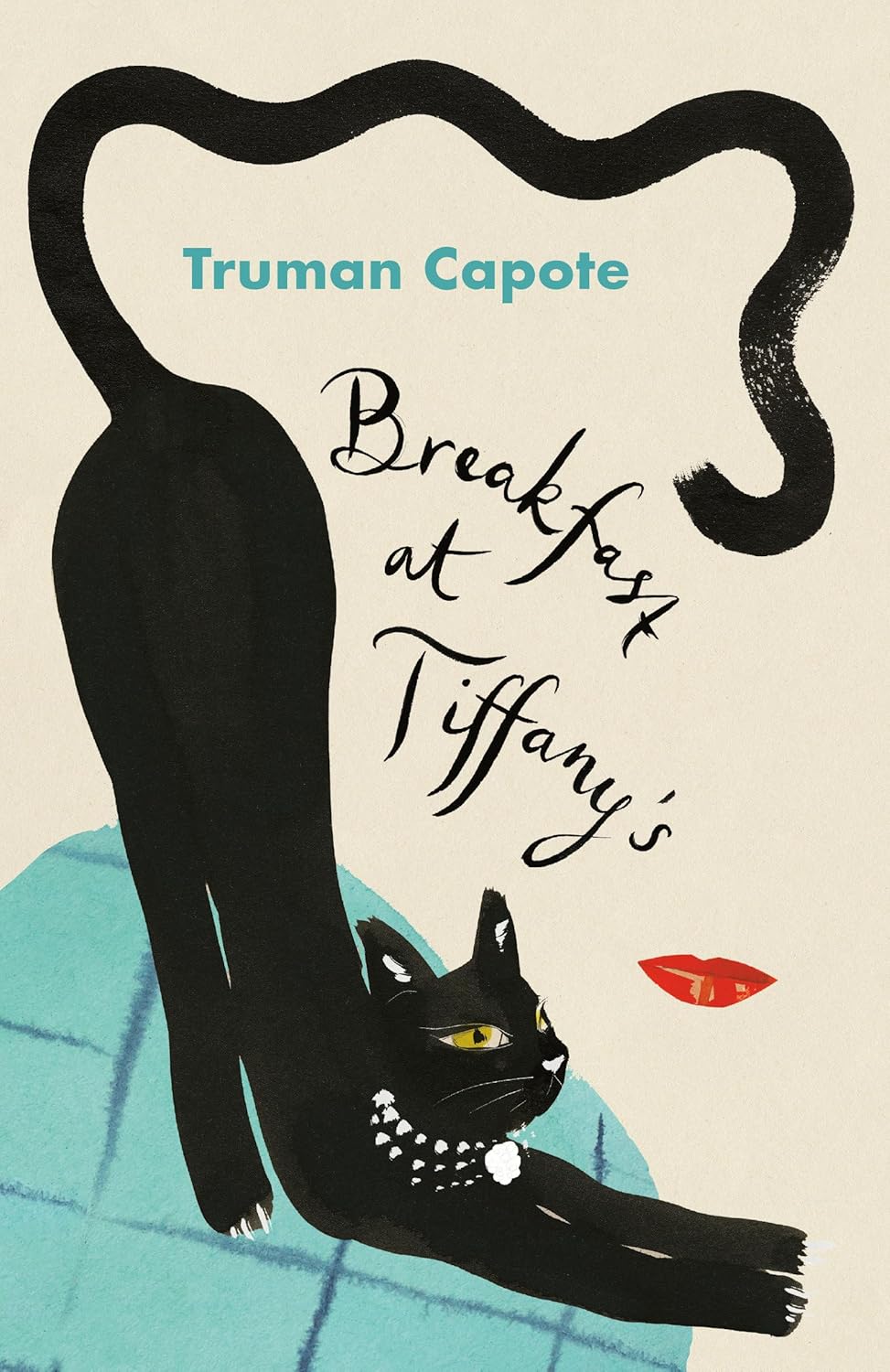
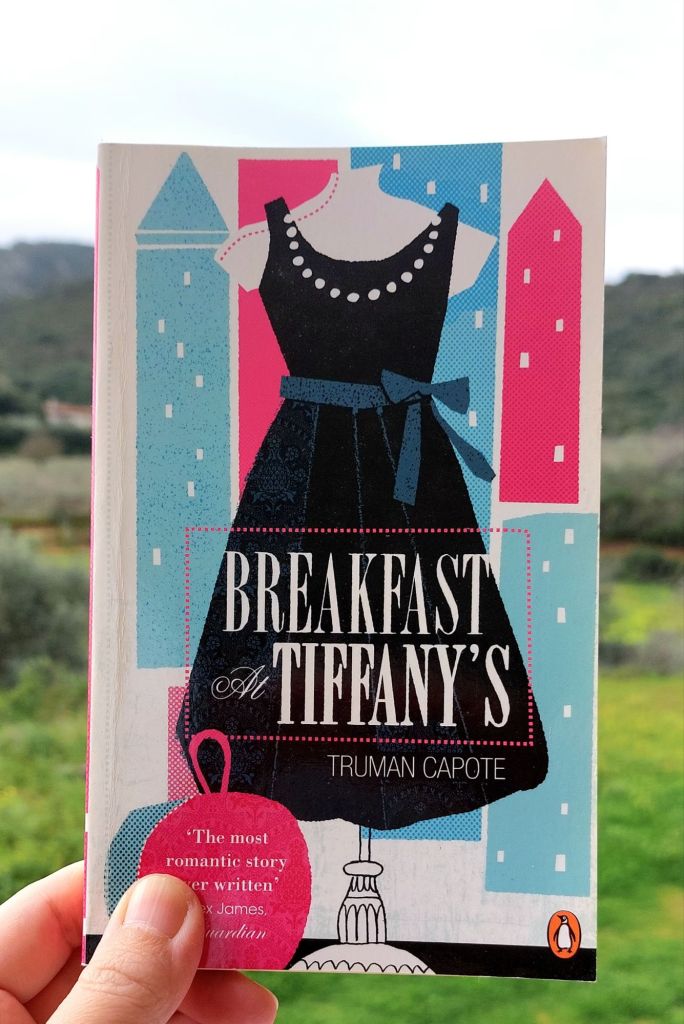
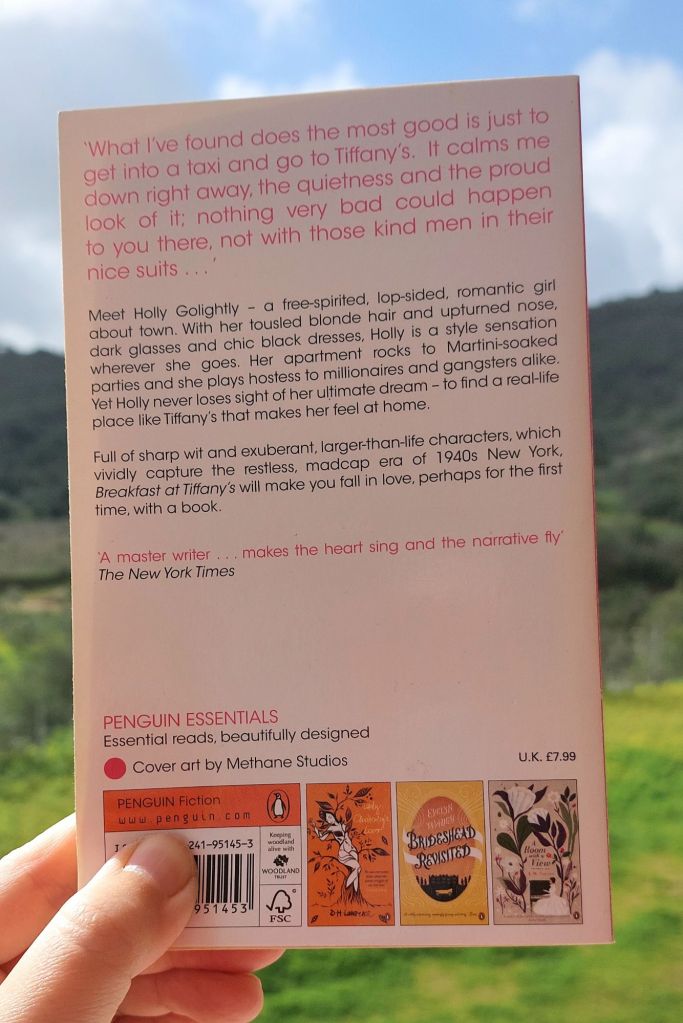
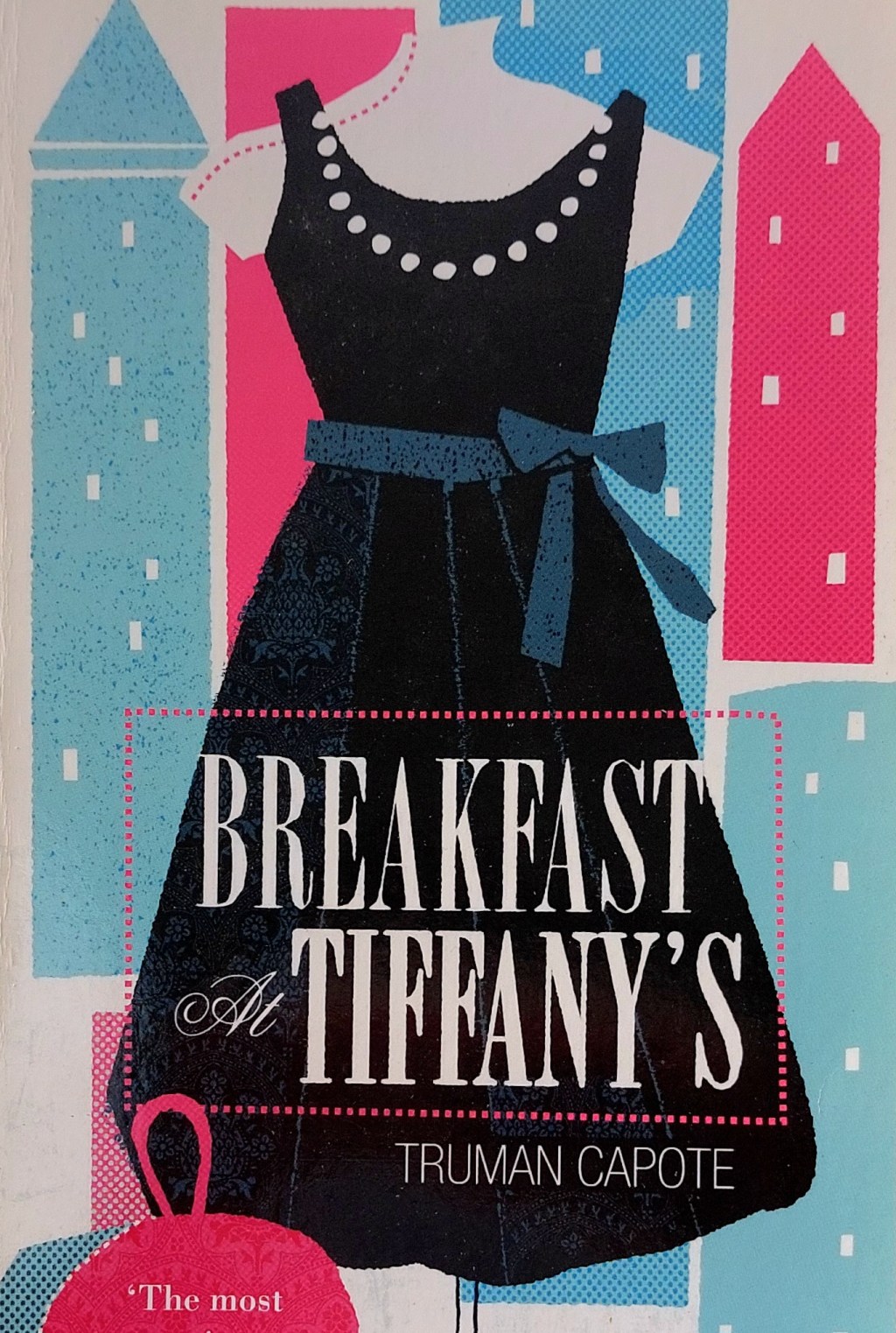
  • “Breakfast At Tiffany’s” Truman Capote (1958) Review | Holly the icon

    “Breakfast At Tiffany’s” Truman Capote (1958) Review | Holly the icon

    ★★★★☆ Everyone has seen the film, or at least recognise when they see a picture or scene. The free spirited Holly is fragile, she’s only 20. Everyone loves her but does anyone care about her?

    🔽 log 🔽
    Breakfast At Tiffany's
    Truman Capote, 1958
    176 pages
    Read in 2020.05
    🔽 Book review and notes 🔽

    Everyone has seen the film, or at least recognise when they see a picture or scene.

    But I didn't remember it being so dark towards the end?
    Probably it isn't in the film.
    As many reviews say "you will fall in love with the book", and yes you do.
    The free spirited Holly is actually fragile, especially in the book, she's 20.
    She makes mistakes, yes, but she moves on, quickly.

    Everyone loves her but nobody really cares about her.
    The iconic romantic story.

    There are 3 more short stories and they kind of share the same feeling of bitter romance.


    🔽 Where to buy / Summary and more info 🔽

    ●●● Amazon.com (US) ●●●
    Breakfast at Tiffany's and Three Stories
    Breakfast at Tiffany's and Three Stories


    ●●● Amazon.co.uk (UK) ●●●
    Breakfast at Tiffany's: Truman Capote: 4 (Penguin Essentials, 4)

    ●●● Amazon.it (Italy) ●●●
    Colazione da Tiffany
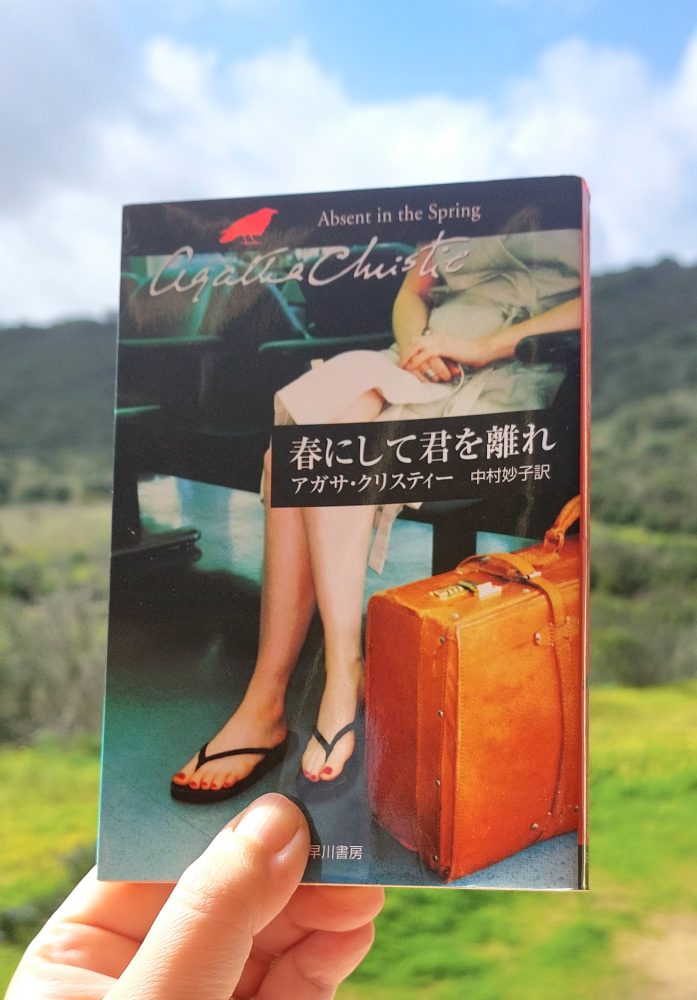
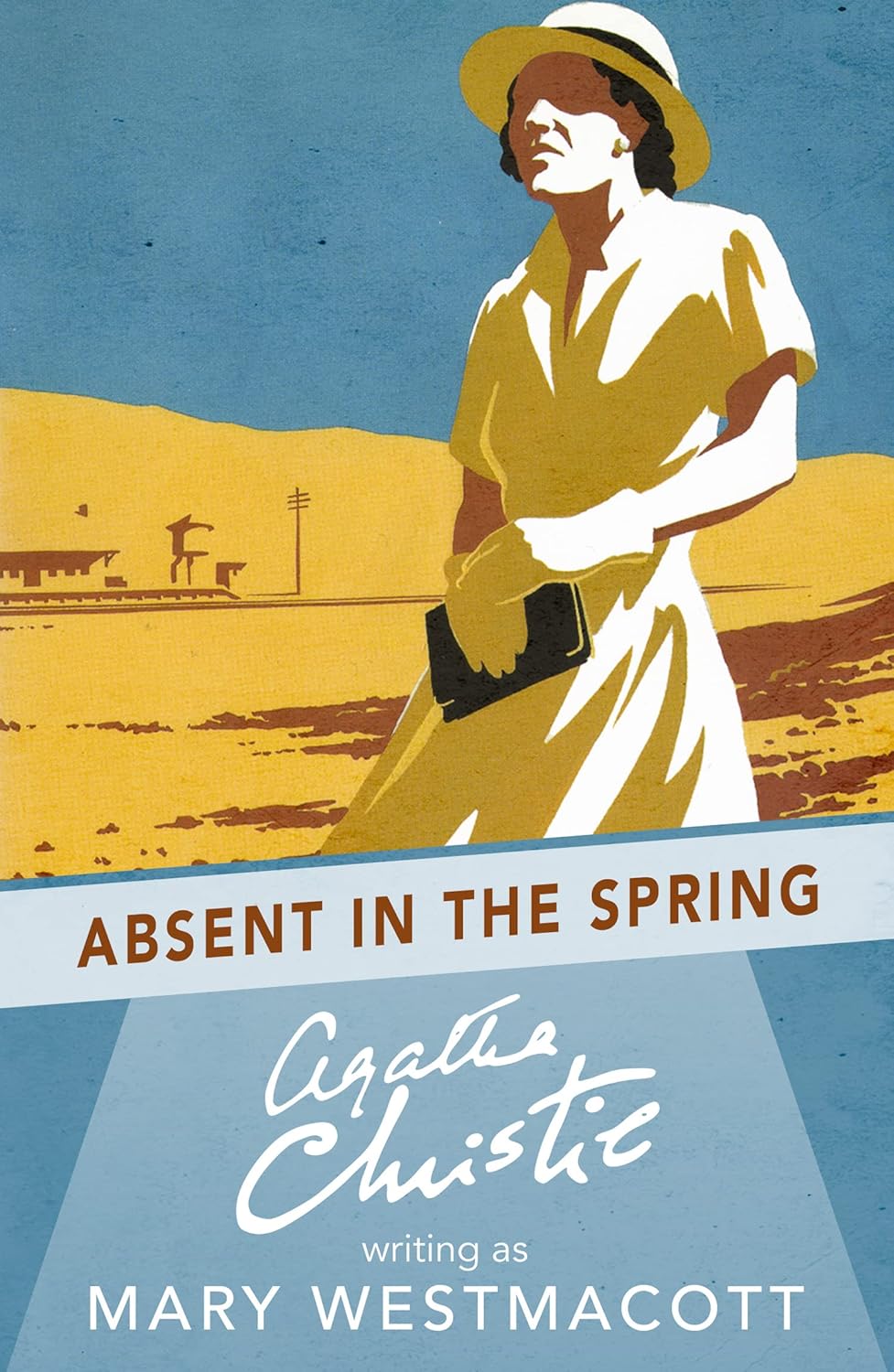
  • “Absent in the Spring” Agatha Christie (1944) Review | A mother’s struggle

    “Absent in the Spring” Agatha Christie (1944) Review | A mother’s struggle

    ★★★★☆ It’s the struggle we all go through, especially if you are a mother, imagining that you are a victim. I sacrifice my life for the family, I prepare everything for you so you don’t have to make a mistake.

    🔽 log 🔽
    Absent in the Spring
    Agatha Christie, 1944
    Mary Westmacott
    UK
    Read in 2020.04
    🔽 Book review and notes 🔽

    Agatha Christie writing as Mary Westmacott.
    I didn't really know about this when I read it, though it's not a crime story, the brilliance of her writing is there.

    On her way back from Baghdad, she thinks back about her family.
    It's the struggle we all go through, especially if you are a mother, imagining that you are a victim.
    I sacrifice my life for the family, I prepare everything for you so you don't have to make a mistake.
    Her husband is kind so he lets her do her way, that is, do what she thinks he wants, which is, what he really wants.
    But that, is her happiness.

    🔽 Related pages 🔽
    tag
    🔽 Where to buy / Summary and more info 🔽

    ●●● Amazon.com (US) ●●●

    Absent In Spring


    ●●● Amazon.co.uk (UK) ●●●
    Absent in the Spring

    ●●● Amazon.it (Italy) ●●●
    Absent in the Spring: A Captivating Historical Novel of Self-Discovery by Agatha Christie, Written Under the Pseudonym Mary Westmacott―Perfect for Summer Reading (English)


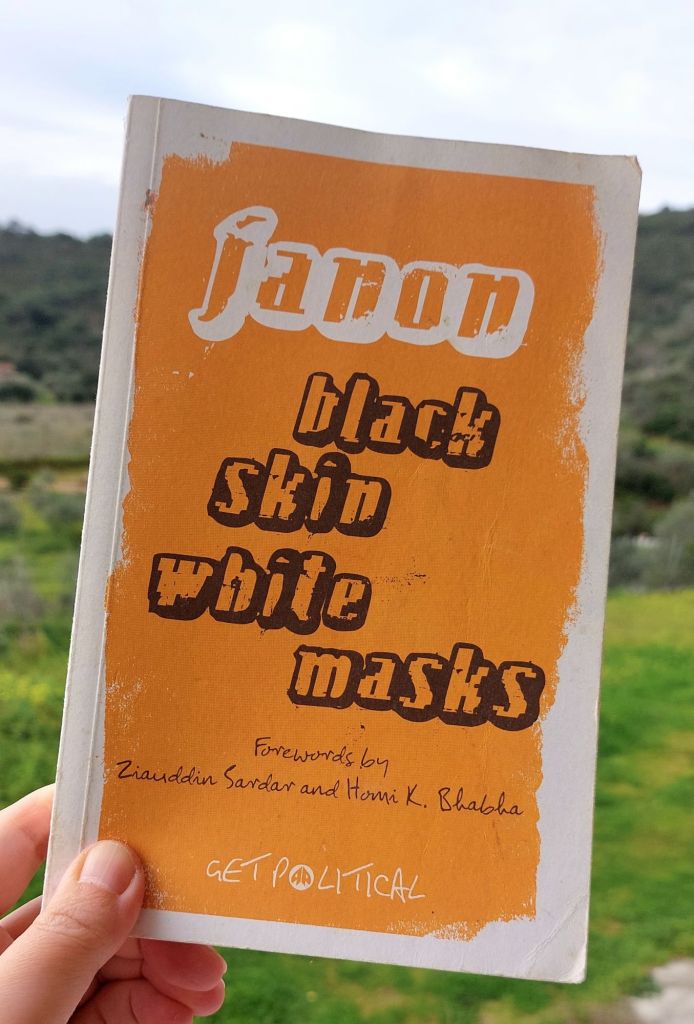
  • “Black Skin, White Masks” Frantz Fanon (1952) Review | Racism and its complexity

    “Black Skin, White Masks” Frantz Fanon (1952) Review | Racism and its complexity

    ★★★★★ What does it mean to have black skin and live as if you were a white? Or better, live wanting to be white, eternally? Today the racism is regarded with contempt. But are we free?

    🔽 log 🔽
    Black skin white masks
    Frantz Fanon, 1952
    Peau noire, masques blancs
    224 pages
    Read in 2020.05
    🔽 Book review and notes 🔽

    The classic on postcolonial psychology.
    What does it mean to have black skin and live as if you were a white?
    Or better, live wanting to be white, eternally?

    Fanon is a psychiatrist, he deals with unconscious, that is, a suppressed desire, that is, sexual desire /fear.
    A black person becomes black only when he encounters the white world and the white world equals the colonisation.
    The black will always have to live in denial or at best reactionary. And the white will always have to live in fear of the image they collectively created - primitive black, who is always more sexually potent.
    Because any phobia is actually an anxious fear, he suggests that a racist person has, deep inside, a desire to be invaded.

    Another interesting point was that he talks of French only, for the slaves did not win their freedom through struggles with their blood, it was given by the kind white masters.

    To a certain extent it can be said to people of other ethnicity, that as long as we live in the West we are conscious of the colour of skin, and the white remains the absolute superiority.
    But, Japan was not colonised by the white.
    The colour of our skin doesn't immediately remind them of sin.

    The colour black constantly appears in the white culture as evil, and it's thus collectively imagined as evil.

    He concludes saying that he would refuse to be colonised by the colonisation, and the black must be free from the inferior complex and the white from the superior complex, it must be both ways.

    It was written over 70 years ago.
    Today the inter-racial communications and relationships have become normal, and the racism is regarded with contempt.
    But are we free?
    Fanon was fully aware, that his intellectual discoveries will not make the life of 8 year old boy in cane field any easier.
    For there are issues in different levels, those of middle class living in the West, and those who are facing the very survival.

    It's complex, we might not find a way to truly free ourselves. But we should not look down, keep questioning, and reading this book is a path.
    🔽 Related pages 🔽
    Orientalism
    🔽 Where to buy / Summary and more info 🔽

    ●●● Amazon.com (US) ●●●
    Black Skin, White Masks
    Black Skin, White Masks


    ●●● Amazon.co.uk (UK) ●●●
    Black Skin, White Masks (Penguin Modern Classics)

    ●●● Amazon.it (Italy) ●●●
    Pelle nera, maschere bianche
  • “Mrs. Dalloway” Virginia Woolf (1925) Review | Stream of consciousness

    “Mrs. Dalloway” Virginia Woolf (1925) Review | Stream of consciousness

    ★★★★★ In the room, nothing seems to be happening but in their heads their worlds are turning. Things that happen in the day seem like unrelated but they are within their consciousness. Story about her mind ready to explode.


    🔽 log 🔽
    Mrs. Dalloway
    Virginia Woolf, 1925
    240 pages
    Read 2024.10


    🔽 Book review and notes 🔽
    My first ever Virginia Woolf.

    As expected it was a hard read, in terms of the timeline it happens all in a day, but in the meantime the main characters think and remember a lot – ”Stream of Consciousness”.

    It’s very internal, this is continuous flow of what they are really thinking while the time passes, and what they think is a lot more than what it appears in the very English society.

    Nothing really happens in the day, but a lot happens in their heads.

    (warning; revealing a bit of the plot, but I assume it’s well known after 100 years)
    Clarissa is at the verge, she’s physically unwell but holds it together, very well aware of potential mistake of letting go the man she truly loved but also her duty as a wife. and Septimus, who had little to do with the party until his name is mentioned, had been at the verge and he eventually crosses the line.

    By showing his death and his tension that was accumulated to the point of death, the book shows the nervous environment, or the consciousness of Clarissa, of what seems to be a boring, pretentious evening.
    Definitely must read more of her books.

    🔽 Where to buy 🔽

    ●●● Amazon.com (US) ●●●

    Mrs. Dalloway: The Virginia Woolf Library Authorized Edition


    ●●● Amazon.co.uk (UK) ●●●
    Mrs Dalloway Virginia Woolf (Wordsworth Classics)

    ●●● Amazon.it (Italy) ●●●
    La signora Dalloway (Italiano)
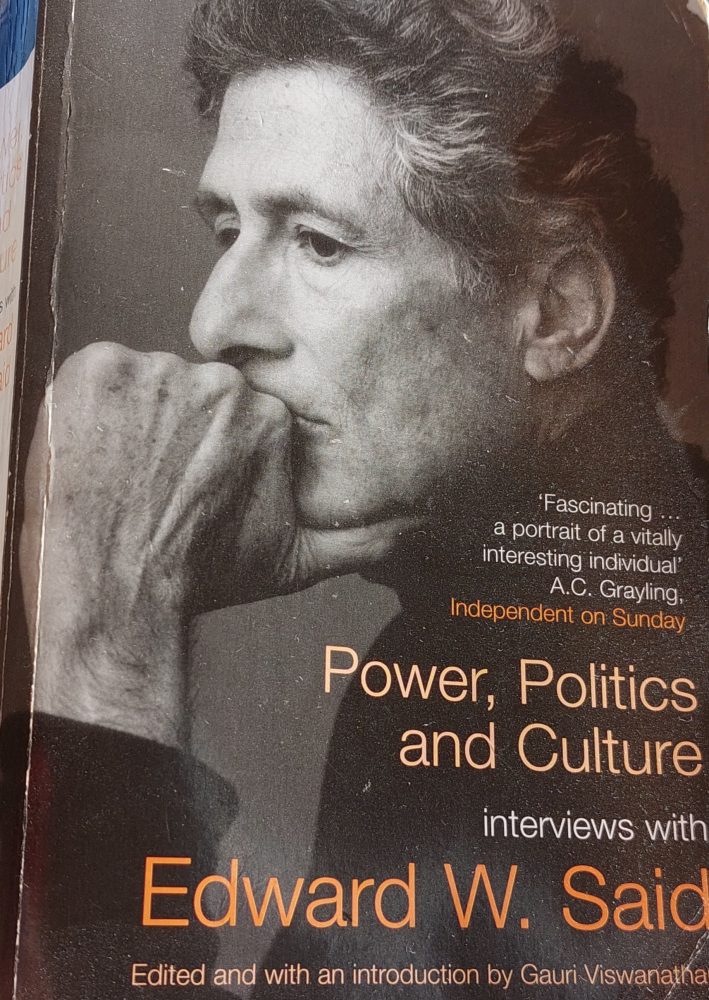
  • “Power, Politics and Culture, Interviews with Edward W. Said” (2001) Review | Coexist

    “Power, Politics and Culture, Interviews with Edward W. Said” (2001) Review | Coexist

    ★★★★★ A Palestinian academic in the US, prof. Said. Many admire and are inspired by his passionate humanism. The second half is about political conversations. Two state solution. Geography rather than history or myth. So we should and can coexist.


    🔽 log 🔽
    Power, Politics and Culture
    Interviews with Edward W. Said, 2001
    US
    512 pages
    Read 2024.11


    🔽 Book review and notes 🔽

    Collection of interviews with 2 sections, first focuses on arts and culture, about literature, music or arts, then the second is more political.

    I must be honest, the first part was difficult as I have little knowledge in the field, but the second part is something very, very real to us, who doesn't see what's going on in Gaza?
    "They can't possibly eliminate us all" - what he and many thought impossible is happening today.
    Genocide of Palestinians was out of question for anyone with common sense, yet, it's happening.

    He calls himself an incurable optimist.
    Some consider him an enemy or a terrorist.
    Many admire and are inspired by his passionate humanism.

    He was not an advocate for Islam, and was not rejecting the right of Jews.
    What is clear and consistent is that he was interested in coexistence of contradictories, he detested the idea of "pure" he dismissed the myth and focused on the lives of people now.
    Geography rather than history or myth. Two state solution.
    He knows that people are more complicated than we seem, exactly as he argues in Orientalism where the Other is depicted in a simplified way, that is simply not true.
    No, we are human, we live, we are complicated, and we must try.

    The curse of the powerful U.S. is that it hates to admit the mistakes and misunderstanding of the past.
    Rather than admitting their error they keep on depicting Arab as terrorist, probably as long as they physically can, because, as we all know, it brings a lot of money to a few in the US.

    It's been more than 20 years since his death, since we lost the lighthouse of compassion and common sense.
    He said, "Israel can't keep on kicking us, they have to admit we exist, not like they can kill off all Palestinians", well, the unimaginable is happening in front of our eyes.
    Can't we hear the voices of calm and humane intellectuals any more?
    Of common sense?

    🔽 Where to buy 🔽

    ●●● Amazon.com (US) ●●●

    Power, Politics, and Culture: Interviews with Edward W. Said


    ●●● Amazon.co.uk (UK) ●●●
    Power, Politics, and Culture: Interviews with Edward W. Said

    ●●● Amazon.it (Italy) ●●●
    --

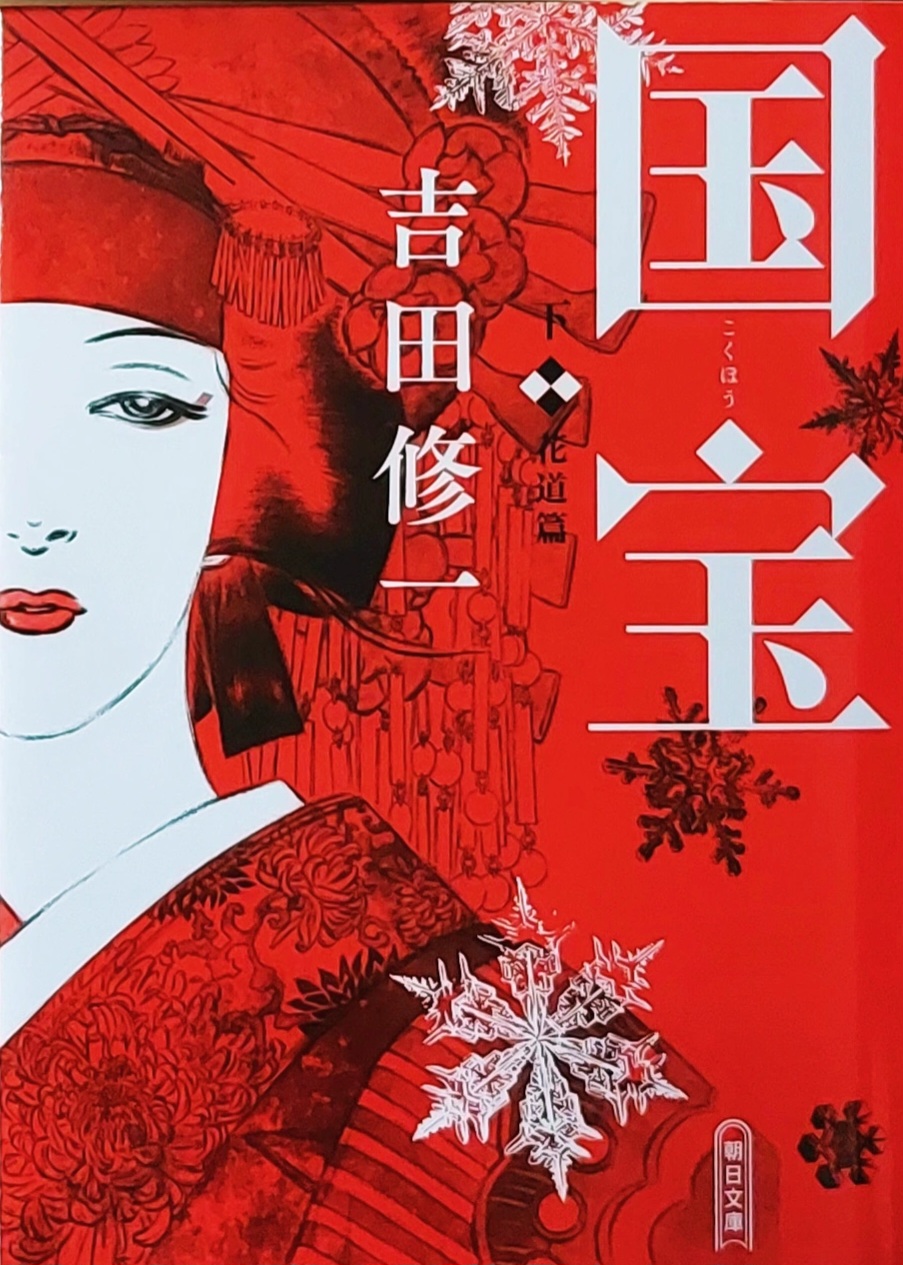
  • “Kokuho (National Treasure)” Shuichi Yoshida (2018) Review | Beauty himself

    “Kokuho (National Treasure)” Shuichi Yoshida (2018) Review | Beauty himself


    ★★★★★+♥ The film was an instant blockbuster, so I had a very high expectation – and it blew it away. A story of a son of yakuza turned kabuki actor who is the beauty itself, a national treasure.

    🔽 log 🔽
    Kokuho (National Treasure)
    Shuichi Yoshida, 2018
    国宝 上下
    吉田修一
    Japan
    Read 2025.09


    🔽 Book review and notes 🔽
    The film had just come out and was an instant hit, the second highest-grossing live-action movie in history in Japan, so I had a very high expectation - and it blew it away.

    Kikuo, a son of a dead yakuza boss in Nagasaki, becomes an apprentice in a kabuki family in Osaka where he spend his entire childhood learning the way of kabuki with their son, Shunsuke, a thoroughbred whose success and career guaranteed by bloodline.
    They are the best friends, the best partners and rivals - of course you know already from this setting that it'd be a good story.

    But wait until you read the book, it's not that simple.
    Kikuo loves kabuki and has an usual talent, but that's not enough.
    He gets thrown into the dark pit of the destiny, and by random chance he gets saved, then fallen, then picked up and admired; he has no life of his own, but he has his genius, dedication and his beauty as an art.

    This is a story of how one lives for an art, and as an art, as a "kokuho" living national treasure.

    I hope to watch the film soon too, by Lee Sang-il, hands down everyone is praising it.
    As of now, it will be released in US and France.
    Of course Ryo Yoshizawa and Ryusei Yokohama will be beautiful, Ken Watanabe will be powerful, but I want to see Min Tanaka, 80 year old dancer/actor who has the strongest presence on screen in Japan today.
    🔽 Where to buy 🔽

    ●●● Amazon.com (US) ●●●
    -

    ●●● Amazon.co.uk (UK) ●●●

    【Amazon.co.jp限定】国宝 オリジナル・サウンドトラック - 原摩利彦 (国宝ロゴオリジナルメガジャケット付) (Audible Japanese)


    ●●● Amazon.it (Italy) ●●●
    国宝 (上) 青春篇 (朝日文庫) (Giapponese)

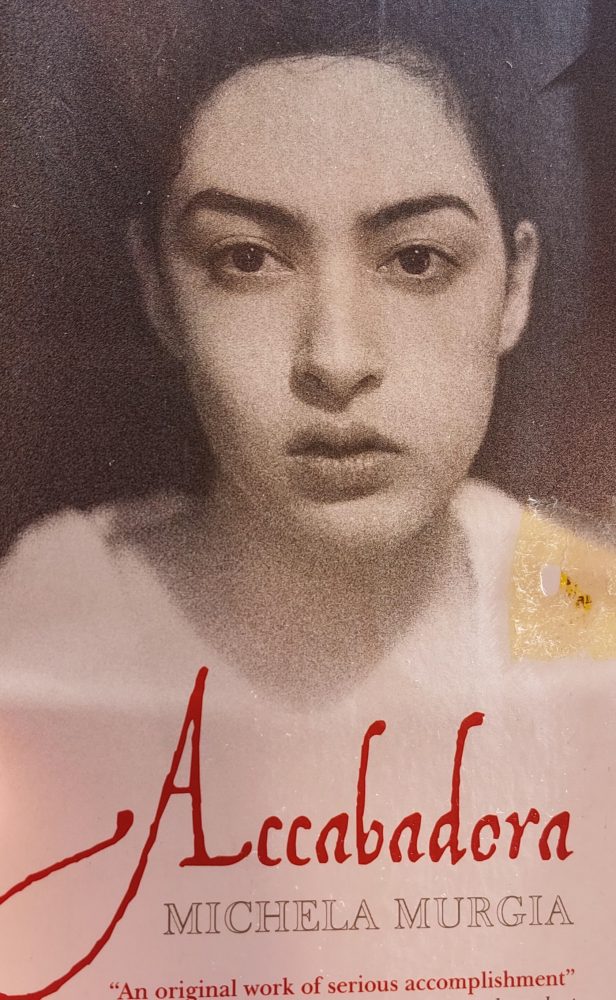
  • “Accabadora” Michela Murgia, (2009) Review | A woman who ends life

    “Accabadora” Michela Murgia, (2009) Review | A woman who ends life

    ★★★★★ Accabadora, a woman in Sardinia who ends the suffering of very ill and their families. Is she an angel or a devil? That’s not the point any more to them. A book with an unusual dignity.

    🔽 log 🔽
    Accabadora
    Michela Murgia, 2009
    208 pages
    Read 2024.11


    🔽 Book review and notes 🔽
    The famous Accabadora, the woman who ends it.

    It’s very Sardinian, very Mediterranean.
    You can almost see with your eyes closed of the dry town with stones, men at the bar and women hurrying to go back home to cook, and the dry field that is brown, ready to ignite a fire from any tiny sparkles.

    Maria was adopted by this woman who lives alone since she was small.
    Time to time, she dresses completely in black and leave their house in the night – and comes back in the morning and continues the day.
    It’s not about right or wrong, or justice or injustice, if she was an angel or devil or death – it’s about if it should be done or not.

    In Sardinia it’s understood to be true, that such women did exist.
    Even today the problem of euthanasia is not easily talked about and we probably won’t ever find an answer that’s absolute.
    This is a book that shows the town’s unsettling state of mind with such a powerful dignity.

    🔽 Where to buy 🔽

    ●●● Amazon.com (US) ●●●

    Accabadora: A Novel


    ●●● Amazon.co.uk (UK) ●●●
    Accabadora

    ●●● Amazon.it (Italy) ●●●
    Accabadora [Lingua Italiana]
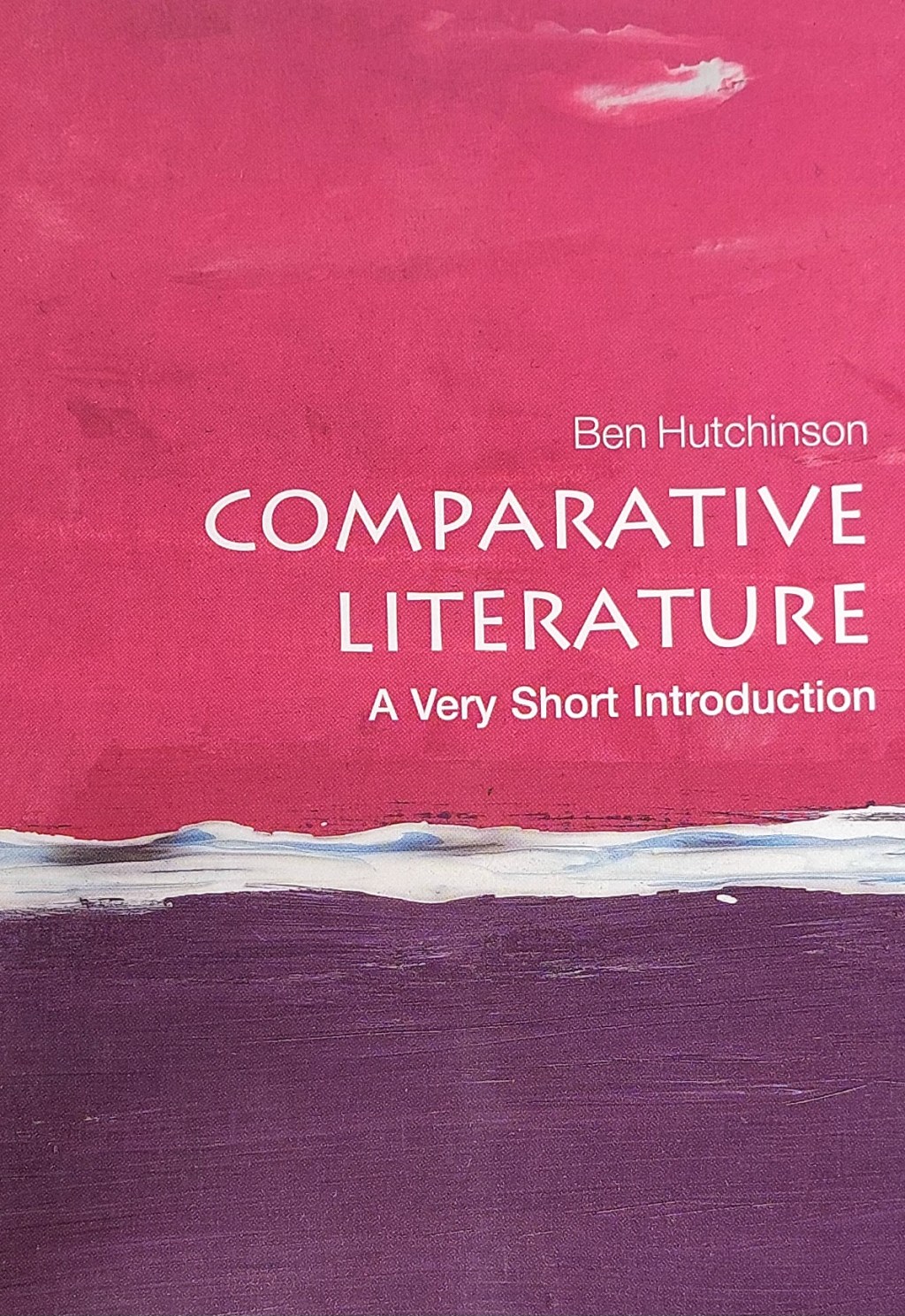
  • “Comparative Literature” Ben Hutchinson (2018) Review | Comp. Lit.

    “Comparative Literature” Ben Hutchinson (2018) Review | Comp. Lit.

    ★★★★☆ Now I know that Comp. Lit is similar to Film Studies, what I studied. To study it, you have to study everything. A book that explains something so abstract.

    🔽 log 🔽
    Comparative Literature
    A very short introduction
    Oxford University Press
    Ben Hutchinson, 2018
    160 pages
    Read 2025.09


    🔽 Book review and notes 🔽
    Comparative Literature has always been something very mystical for me.
    I’ve never studied Literature, but as I read this, I kind of got the idea, it’s like Film Studies that I did.
    It’s so vast, you have to know the history, the languages/techniques, then theories such as colonialism, socialism, feminism, consumerism, West, East, you name it.
    As the society invents more “isms” we have more criteria landed on our desk to compare the work using that. Endless.

    Also, I see now a reason of not getting the fuss, it is because I’m from non Anglo-Saxon or Eurocentric culture, yet I had education in Anglo-Saxon societies since high school.
    Japan has its own culture in Literature and beyond (very typically, noh or kabuki).
    If you are interested in Literature as a Japanese, by default you are somewhat into Comparative Literature, you KNOW there’s much more out there, there’s China, the Europe, unlike West Europeans where they only focused on their little corner of the planet.

    This book explains something that is so difficult to grasp in a clear and concise way.

    It’s human nature to compare.
    If you know something, you want to compare with something else, it’s simple as that.
    Then, what.
    Our question now is, then what do we get from comparing?
    And what is the limit?
    The age of Internet has entered the new phase, the age of AI.
    Would classical studies like Comp Lit survive?

    🔽 Where to buy 🔽

    ●●● Amazon.com (US) ●●●

    Comparative Literature: A Very Short Introduction


    ●●● Amazon.co.uk (UK) ●●●
    Comparative Literature: A Very Short Introduction (Very Short Introductions)

    ●●● Amazon.it (Italy) ●●●
    --

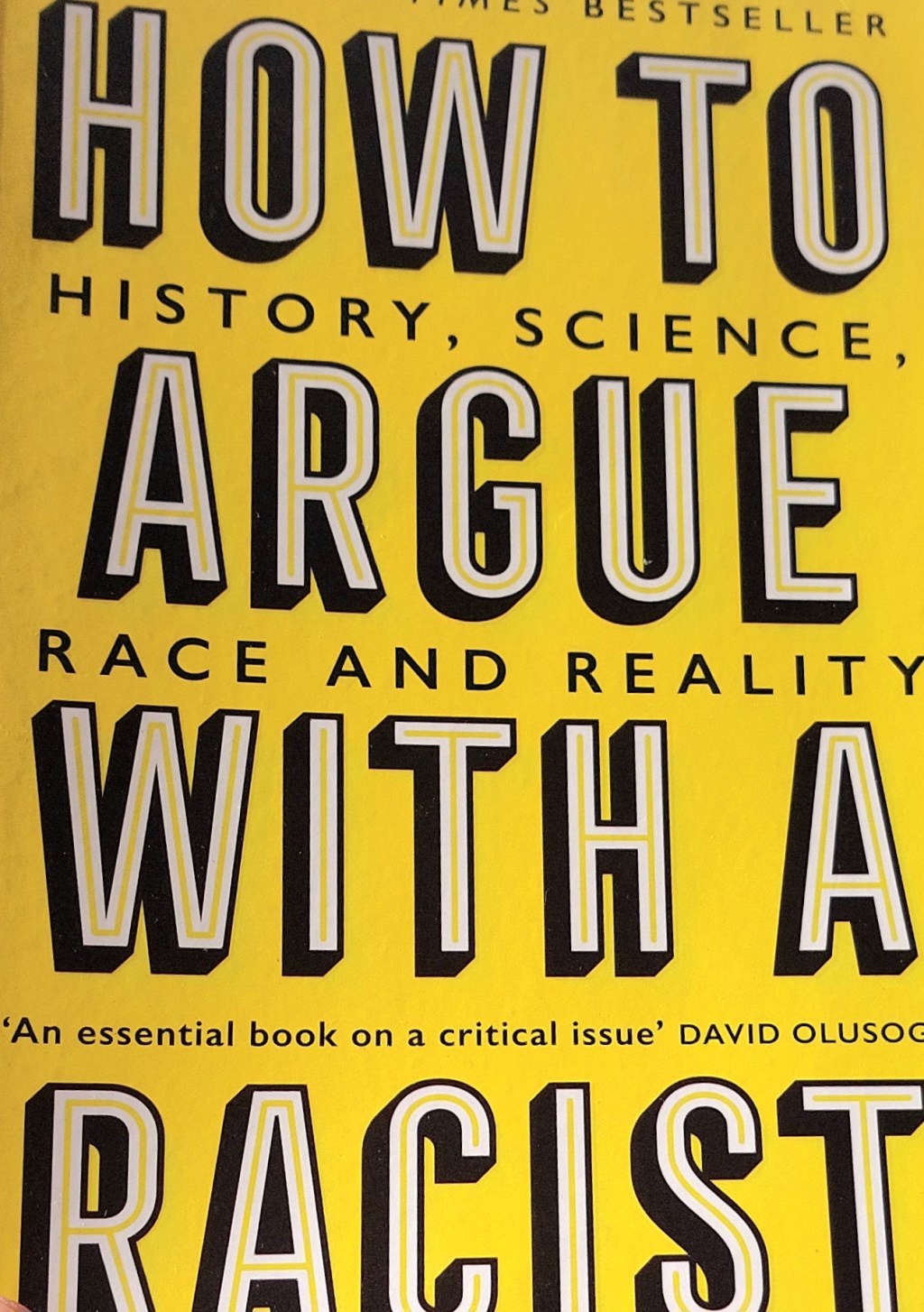
  • “How to argue with a racist” Adam Rutherford (2020) Review | Facts are facts

    “How to argue with a racist” Adam Rutherford (2020) Review | Facts are facts

    ★★★★★ How racism doesn’t make sense scientifically. The author is enjoying seeing racists defeated by the truth. But it is important to keep saying the truth, sharing the truth.

    🔽 log 🔽
    How to argue with a racist
    Adam Rutherford, 2020
    224 pages
    Read 2023.01


    🔽 Book review and notes 🔽
    A very interesting book about how racists don't make sense scientifically.

    His studies focus on genes, so he dismantles how races are not based on genetics (that it's not as simple as saying some one is scientifically different) and racism has no scientific backings, racists simply repeat the incorrect use of science or some outdated arguments that has no scientific evidence.

    Though it talks about difficult topics (DNA, genes, history and prehistory) it is incredibly easy to read, and entertaining.

    You can tell how the author is enjoying seeing racists defeated by the truth.
    But it is important to keep saying the truth, sharing the truth.
    There are people who are not informed well, who cling to comments that are lies but "feel good" to them, but they have the same right to at least know the truth.
    If we overlook it, as we saw in the U.S. we end up with a racist president who repeat his lies that are only convenient for his friends, and lies that his supporters feel good - and even more sadly the uninformed voters actually get nothing than temporary "feel-good".
    🔽 Where to buy / Summary and more info 🔽

    ●●● Amazon.com (US) ●●●

    How to Argue With a Racist: History, Science, Race and Reality


    ●●● Amazon.co.uk (UK) ●●●
    How to Argue With a Racist: History, Science, Race and Reality

    ●●● Amazon.it (Italy) ●●●
    Cosa rispondere a un razzista. Storia, scienza, razza e realtà (Italiano)

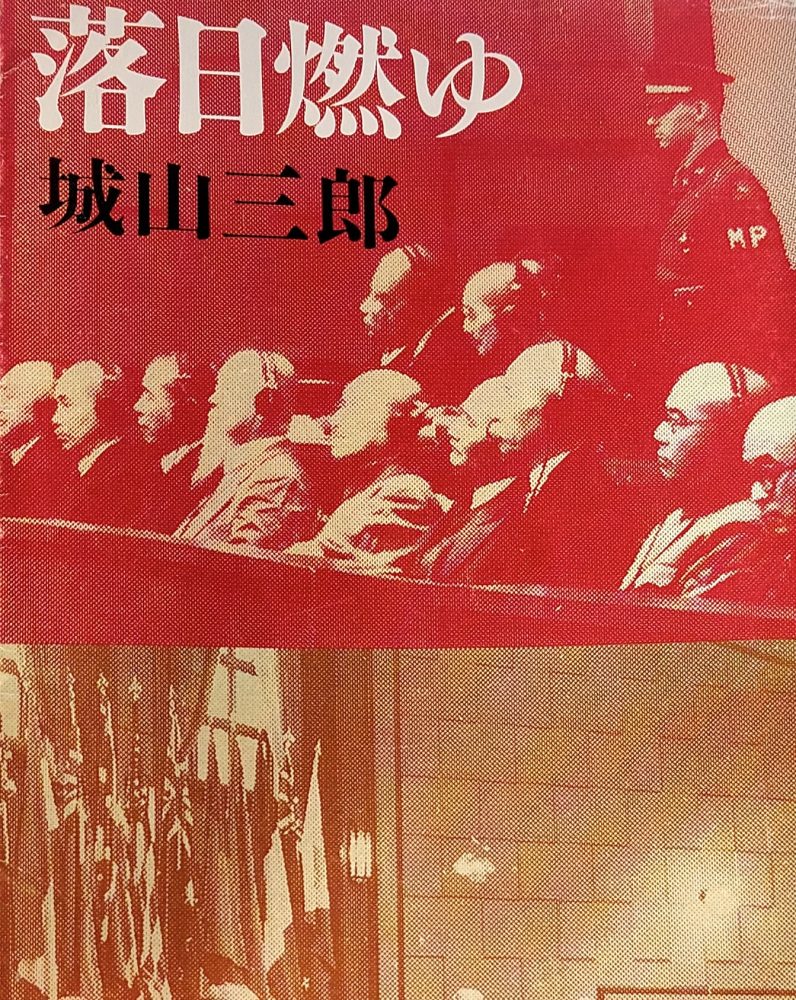
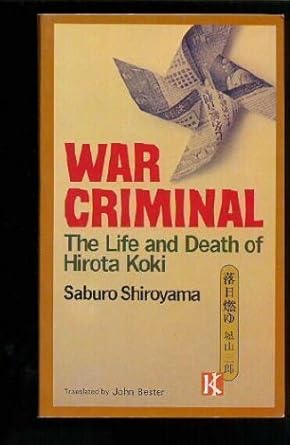
  • “War Criminal” Saburo Shiroyama (1974) Review | Tokyo Trial

    “War Criminal” Saburo Shiroyama (1974) Review | Tokyo Trial

    ★★★★☆  Ex-PM Hirota, the only politician who received the death sentence at Tokyo Trial who was not a military person. This ex diplomat tried not to start the war, but the history is always written by the victors.


    🔽 log 🔽
    War Criminal: The Life and Death of Hirota Koki
    Saburo Shiroyama, 1974
    落日燃ゆ
    城山三郎 1974
    Read 2024.11


    🔽 Book review and notes 🔽
    Shiroyama, the only politician who received the death sentence at Tokyo Trial who was not a military person. A diplomat, a prime minister.

    Born in a regular family in Fukuoka, he was bright so he was encourage to study hard to go to Tokyo.
    Until he became a prime minister, as a diplomat, he did what he could to avoid starting the war, but it was already too late, Japanese military already had too much power by then.
    He did not utter any word of defense during the Trial, though many did feel it was unfair, but as he himself says, his crime is he was too powerless to stop the war from starting - thus death penalty.

    Any effort for peace meant nothing in front of the military force who took over the government, and any effort to prove his innocence also would have meant nothing in front of the US government who could rule the loser however they wanted to.

    History is always written by the victors.
    There is no time to waste when you have so much power over someone else.
    It makes you ponder if we ever change.
    🔽 Where to buy 🔽

    ●●● Amazon.com (US) ●●●

    War Criminal: The Life and Death of Hirota Koki


    ●●● Amazon.co.uk (UK) ●●●
    War Criminal: The Life and Death of Hirota Koki

    ●●● Amazon.it (Italy) ●●●
    War Criminal: The Life and Death of Hirota Koki (English)
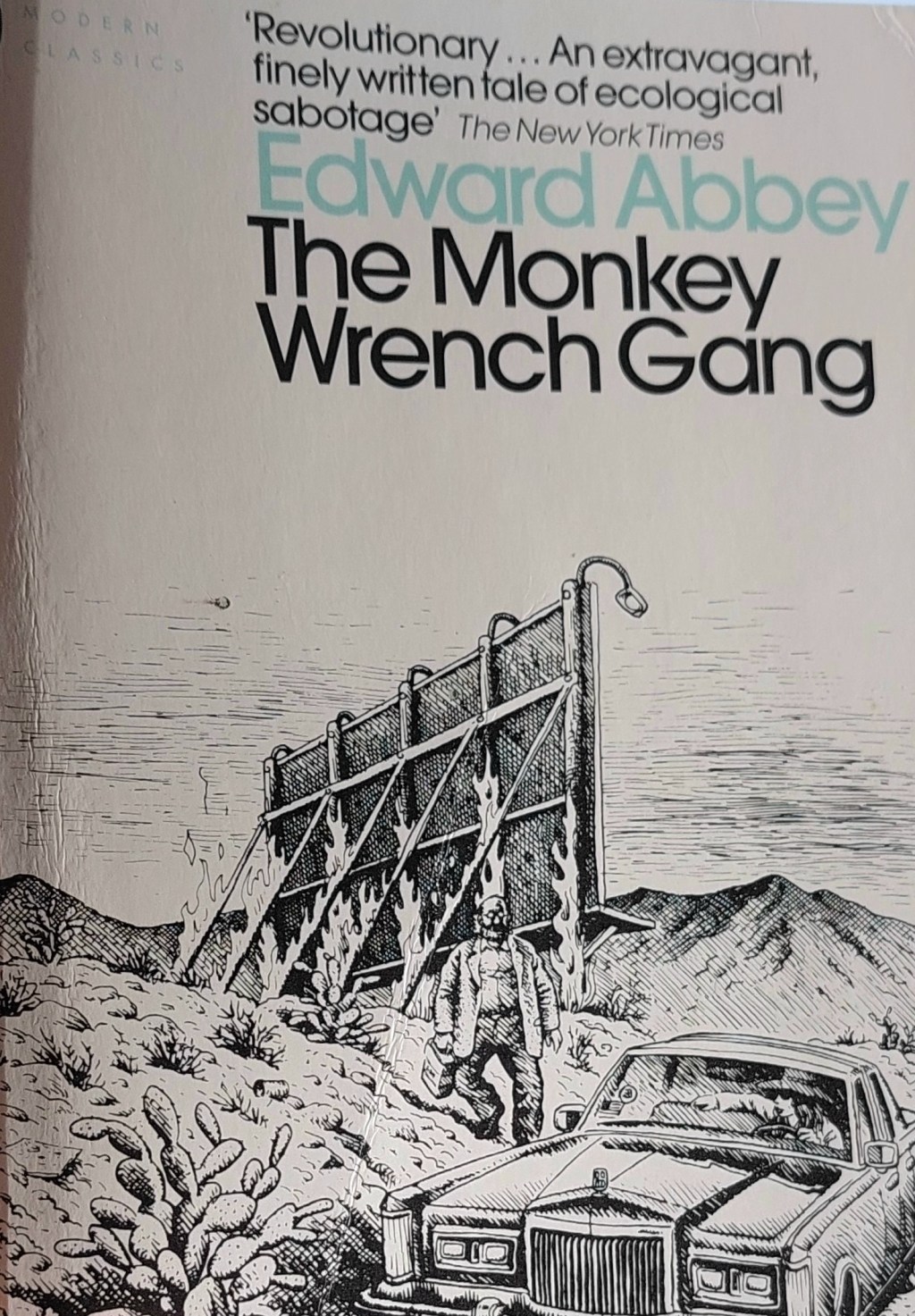
  • “The Monkey Wrench Gang” Edward Abbey (1975) Review | Comically explosive

    “The Monkey Wrench Gang” Edward Abbey (1975) Review | Comically explosive

    ★★★☆☆ American modern classic. In the wild wild west, hippies roam around to bomb bridges and dams, to save the environment. It’s comical and awkward. I knew it was not my cup of tea but marched on.

    🔽 log 🔽
    The Monkey Wrench Gang
    Edward Abbey, 1975
    480 pages
    Read 2024.11


    🔽 Book review and notes 🔽
    It’s the 70s American wild wild west hippy “comic” – not my cup of tea.
    I did expect it to be like this, and it did turn out to be like this.
    And I knew I would march on to finish anyway.

    3 men and 1 woman, strangers, meet and form a gang to go against the system, aiming to blow up bridges and dams to save the environment.
    Maybe it’s a like those gen z warriors who vandalise the art in museums, but they are the weaker copycats, these teenagers don’t risk their lives, but here the Gang do have a rich man but are really sweating and risking.

    Anyways this book, it’s more for those macho men, a lot of details of trucks and arms, and it’s that generation who just came back from Vietnam.
    Very very far from myself.

    🔽 Where to buy 🔽

    ●●● Amazon.com (US) ●●●
    the monkey wrench gang
    The Monkey Wrench Gang (Harper Perennial Modern Classics)


    ●●● Amazon.co.uk (UK) ●●●
    The Monkey Wrench Gang (Penguin Modern Classics)

    ●●● Amazon.it (Italy) ●●●
    The Monkey Wrench Gang Paperback – English edition
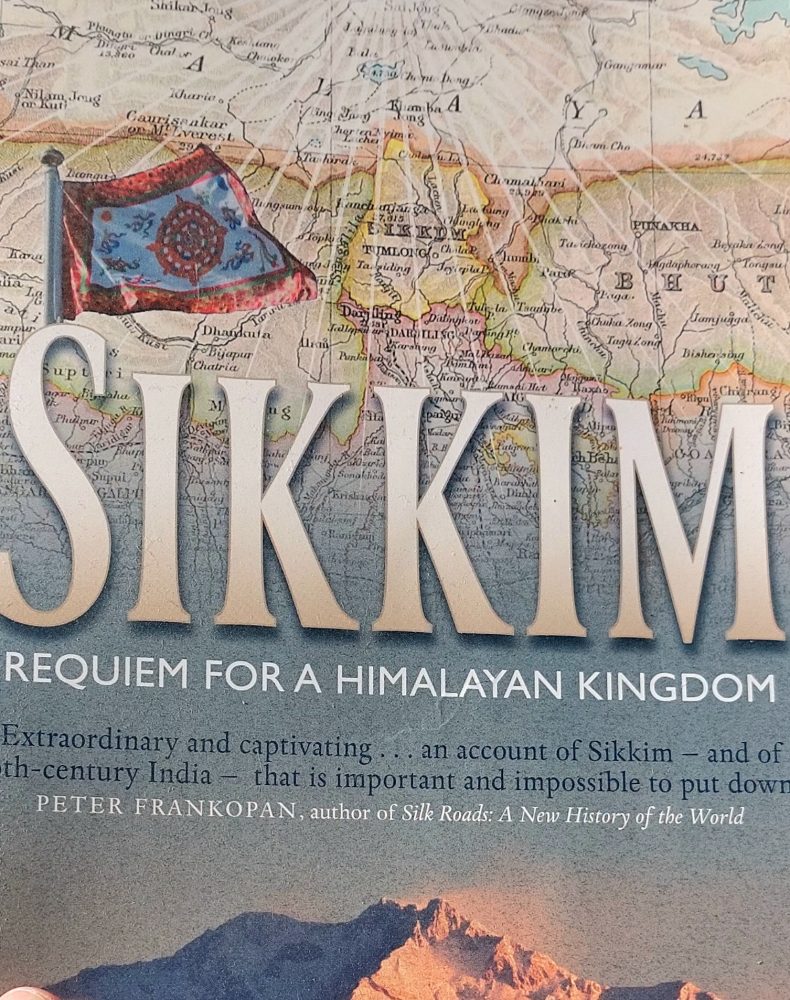
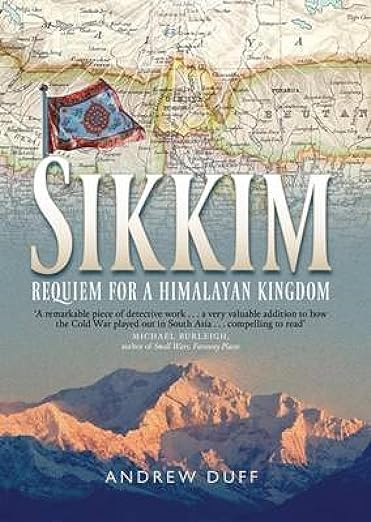
  • “Sikkim, Requiem for a Himalayan Kingdom” Andrew Duff (2015) Review | Fell in love with Sikkim

    “Sikkim, Requiem for a Himalayan Kingdom” Andrew Duff (2015) Review | Fell in love with Sikkim

    ★★★★★+♥️ The more I read the more I’m interested in Sikkim, and this is definitely the most thorough book to learn about the end of Sikkim, and of the king, chogyal. It makes you want to go there… again.

    🔽 log 🔽
    Sikkim
    Requiem for a Himalayan Kingdom
    Andrew Duff, 2015
    320 pages
    Read 2023.01


    🔽 Book review and notes 🔽
    The history of the last few decades of the kingdom before it was annexed by India and the story of their last Chogyal, their last king, Thondup Namgyal.

    The more I read the more I'm interested in Sikkim, and this is definitely the most thorough book to learn about Sikkim.
    The author on the other hand, is Scottish who loved listening to his grandfather telling him about his journey to Sikkim when he was young.
    In 2009 he finally managed to get to Sikkim, and in a Buddhist temple near Pelling, he met a strange monk who gave him a book to read.
    The book was called Smash and Grab (my review here), the monk was Yongda who used to be the chogyal's Captain, and this is how his work has begun.
    Andrew Duff knew he had a story to tell. And I'm glad he did.

    From the 17th century Sikkim had been governed by a Tibetan king, Chyogal.
    It has borders with Tibet (with China behind), Bhutan, Nepal then India, so it's fortunately or unfortunately located in a strategically important place, as such, of course all the great powers were all over this tiny kingdom.
    During the British era, British called in Nepali to cultivate the land to boost economy, even though Nepal had been an enemy of Sikkim for centuries.
    The mass immigration meant that the ruling race, Tibetan, became the minority.
    Now, Britain has left India, and increasingly the last chogyal was vocally against Indian influence to maintain his kingdom independent.
    Sikkim was split in half, those who supported the chogyal and those who didn't, which was not an unobvious choice for the majority of Sikkimese who were Nepali origin.
    Was he only clinging to his personal power? His illusion? Was he unnecessarily influenced by his young American wife (Grace Kelly of the East)? Did he do his politics well? Did he had a choice?
    It's a fascinating book that goes deep inside the life of the last chogyal.

    All the essence of the Himalaya is here, between the big powers, India and China, and of course the British Empire, what could a tiny kingdom do?
    But it's also his very personal struggles of keeping him kingdom, of his young American wife.
    Many say he played his cards wrong, but actually, he had no chance of winning anyway against India.
    Sikkim remains to be a unique little bits of India.
    🔽 Where to buy / Summary and more info 🔽

    ●●● Amazon.com (US) ●●●

    Sikkim: Requiem for a Himalayan Kingdom


    ●●● Amazon.co.uk (UK) ●●●
    Sikkim: Requiem for a Himalayan Kingdom

    ●●● Amazon.it (Italy) ●●●
    Sikkim: Requiem for a Himalayan Kingdom [Lingua Inglese]
  • “The Night of Baba Yaga” Akira Otani (2020) Review | Sisterhood and violence

    “The Night of Baba Yaga” Akira Otani (2020) Review | Sisterhood and violence

    ★★★★★ Full of violence, full of actions, full of sisterhood. Yoriko is extremely violent, but she is unapologetically a woman. Very entertaining, yet it’s stepping into the new, unknown world. An important book.


    🔽 log 🔽
    The Night of Baba Yaga
    Akira Otani, 2020
    ババヤガの夜
    王谷晶
    Read 2025.10


    🔽 Book review and notes 🔽
    Full of violence, full of actions, full of sisterhood.

    Having a woman as the protagonist, with such detailed description of violence, of physical, sexual, verbal violence - this is unique.

    These yakuza or mafia stories tend to have women who are usually weak, or bad, or traumatised (therefore an excuse of her violence) or too masculine.
    So even though they have a woman as the main character it's full of (sometimes hidden) hatred towards the woman or women in general.

    Not here.
    Yoriko is extremely violent, but she's a woman, she is unapologetically a woman.

    We don't need only these weak women, or bad women, just to please male readers.
    We need strong bond, strong sisterhood.
    We need stories where she want to be the happy kick ass monster.

    I kind of worry about how it's sold in the West though, it's not a new Kill Bill (full of revenge and trauma) it's neither queer novel as they want to portrait it.
    Ultimately it's a story of a women who finds a happy life.

    It'd be a pity to read this only as a violent novel.
    It's without a doubt very entertaining, yet it's stepping into the new, unknown world.
    An important book.
    🔽 Where to buy / Summary and more info 🔽

    ●●● Amazon.com (US) ●●●

    The Night of Baba Yaga: the multi-award winning cult Japanese thriller


    ●●● Amazon.co.uk (UK) ●●●
    The Night of Baba Yaga: the multi-award winning cult Japanese thriller

    ●●● Amazon.it (Italy) ●●●
    The night of Baba Yaga (English)

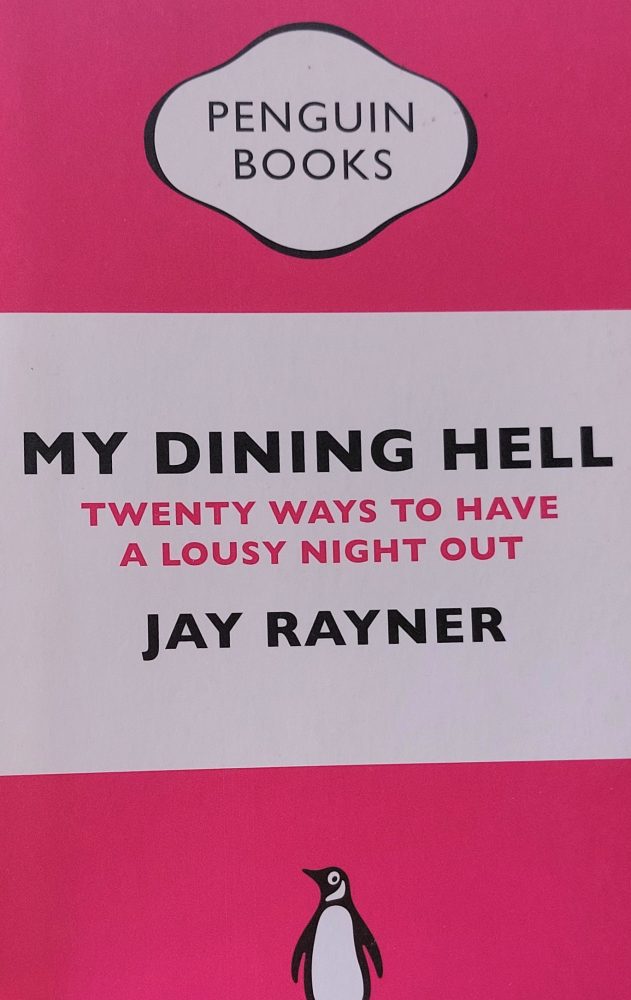
  • “My dining hell” Jay Rayner (2012) Review | Honest but brutal reviews

    “My dining hell” Jay Rayner (2012) Review | Honest but brutal reviews

    ★★★★☆ He’s probably the most well known food critic in the UK, and definitely known for being brutally honest. This is a collection of bad reviews only. Honest and mean, but honest.

    🔽 log 🔽
    My dining hell
    Twenty ways to have a lousy night out
    By Jay Rayner, 2012
    76 pages
    Read 2023.01


    🔽 Book review and notes 🔽

    He's probably the most well known food critic in the UK, and definitely known for being brutally honest.
    These are some of the reviews he's put on the Observer, but of bad restaurants; you know it's going to be a good one.

    So yes he's known to be merciless, but after reading these reviews in this way, it just makes think, yes London is full of bad restaurants.
    Not just bad food, but also bad at doing restaurants.
    I don't know which is worse, bad food or bad restaurant, usually both come together though.

    The reviews are from between 1999 and 2012, probably the worst period, too.
    But has London got better?
    Is it really worth all the money you'd have to spend?
    And to give posh restaurants some space, kicking out the more simple and honest restaurants out of town?

    I love London for the mix of food, but seriously, it shouldn't have become a fast food theme park of expensive food.
    I hope this phase ends some time soon.
    🔽 Where to buy / Summary and more info 🔽

    ●●● Amazon.com (US) ●●●

    My Dining Hell: Twenty Ways To Have a Lousy Night Out (Penguin Specials)


    ●●● Amazon.co.uk (UK) ●●●
    My Dining Hell: Twenty Ways To Have a Lousy Night Out (Penguin Specials)

    ●●● Amazon.it (Italy) ●●●
    My Dining Hell: Twenty Ways To Have a Lousy Night Out (Penguin Specials) (English Edition)
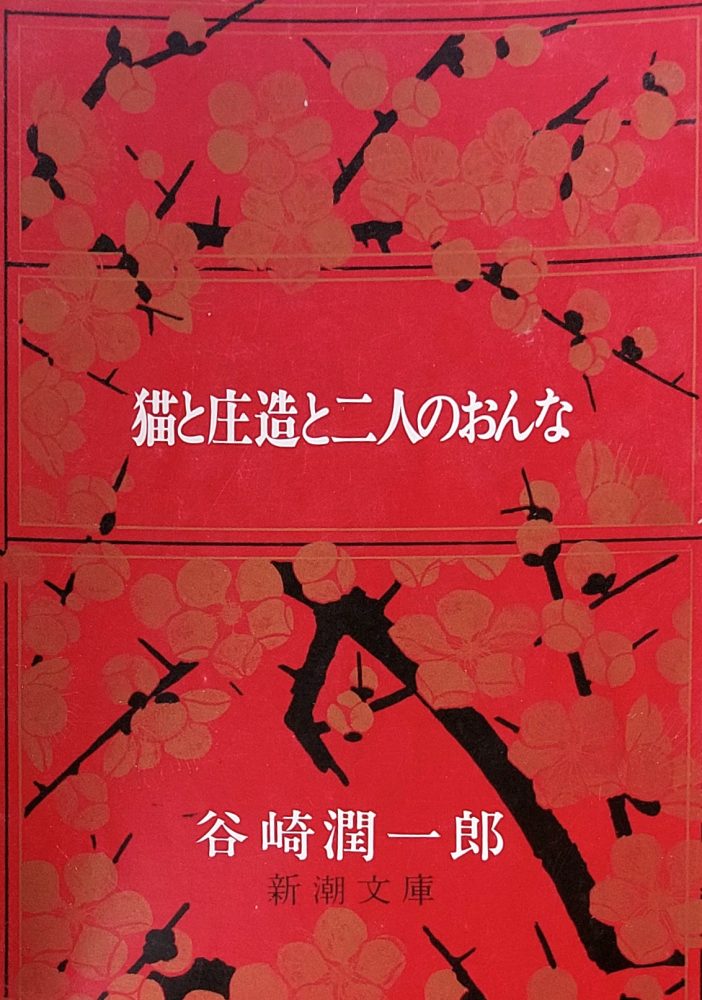
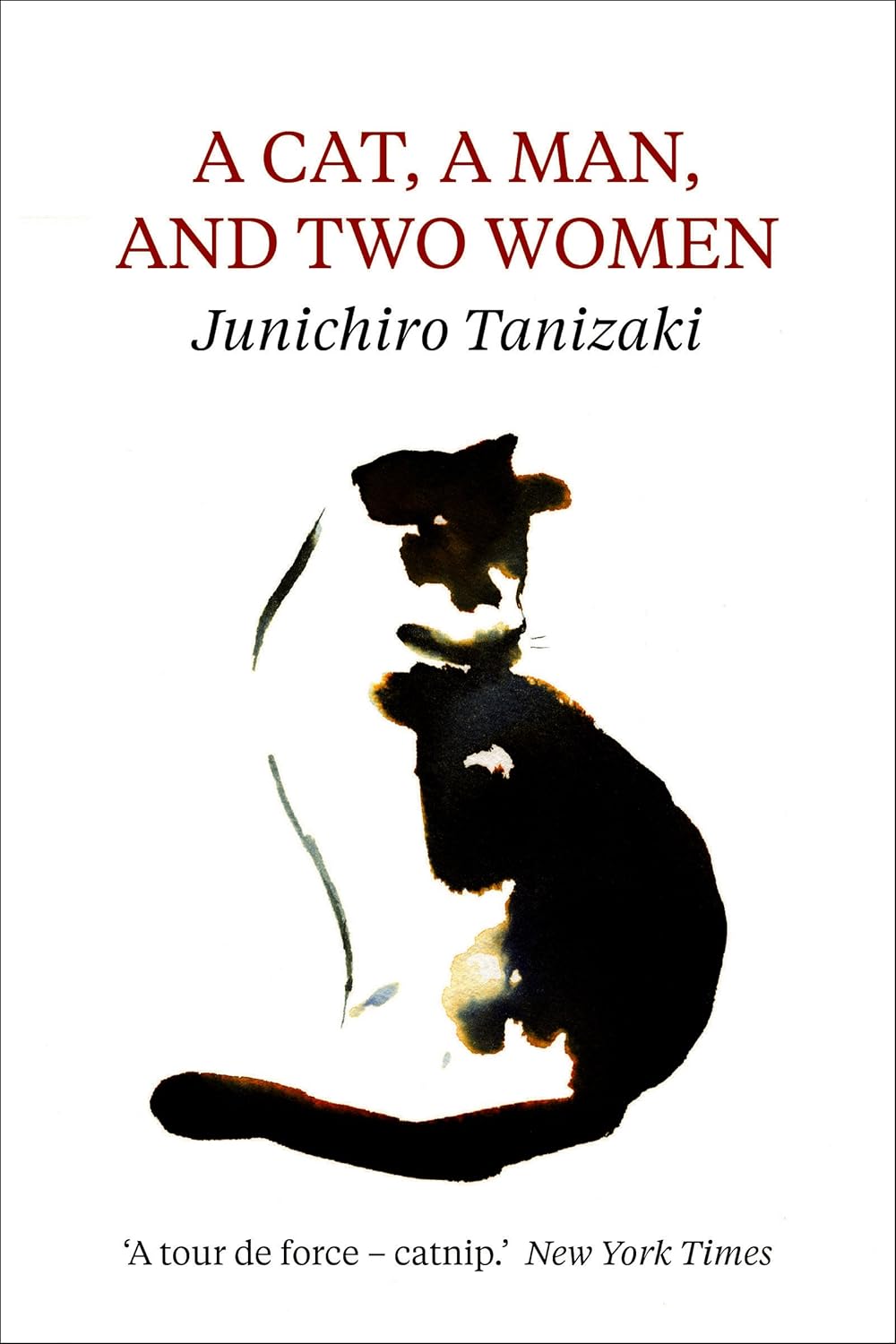
  • “A Cat, A Man, And Two Women” Junichiro Tanizaki (1937) Review | Servant of the cat

    “A Cat, A Man, And Two Women” Junichiro Tanizaki (1937) Review | Servant of the cat

    ★★★★★ Lily the cat is everything. The man loves Lily, only Lily, as for female human, he doesn’t care if it’s his ex-wife or lover or his mother. Is he an owner or servant? Well, does it matter

    🔽 log 🔽
    A Cat, A Man, And Two Women
    Junichiro Tanizaki, 1937
    Japan
    Read in 2020.04
    🔽 Book review and notes 🔽

    Lily the cat is everything.
    The man loves Lily, only Lily, as for female human, he doesn't care if it's his ex-wife or lover or his mother.

    A typical obsessive love story from Tanizaki, it's just that the man is attracted to a cat, a beautiful, Western coquettish, pure white female cat.

    Is he an owner or servant?
    Well, does it matter because serving Lily is his happiness.
    She cares much less, but she probably knows her human competitors are way below her.

    🔽 Related pages 🔽
    🔽 Where to buy / Summary and more info 🔽

    ●●● Amazon.com (US) ●●●

    A Cat, A Man, And Two Women


    ●●● Amazon.co.uk (UK) ●●●
    A Cat, A Man, And Two Women

    ●●● Amazon.it (Italy) ●●●
    La gatta (italiano)

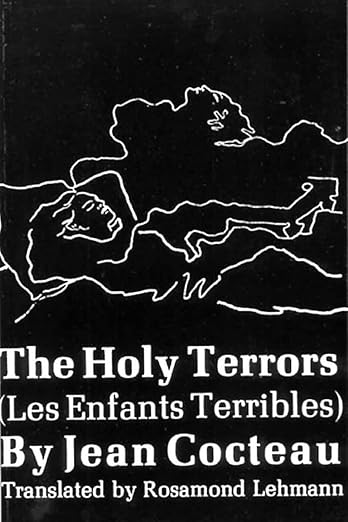
  • “Les Enfants Terribles” Jean Cocteau (1929) Review | very Nouvelle Vague

    “Les Enfants Terribles” Jean Cocteau (1929) Review | very Nouvelle Vague

    ★★★★★ It’s poetic, it’s very Cocteau, also very French, very Nouvelle Vague. The whole story really builds up to the ending beautifully; self destructive and decadent but a perfect story. This book is an art itself.

    🔽 log 🔽
    Les Enfants Terribles
    Jean Cocteau, 1929
    France
    144 pages
    Read 2023.01


    🔽 Book review and notes 🔽
    It's a title that comes up in any textbooks, but finally read it.
    The most famous novel by the poet, Cocteau.

    It's poetic, it's very Cocteau, also very French, very Nouvelle Vague.
    The whole story really builds up to the ending beautifully; self destructive and decadent but a perfect story.

    When we think about Paris and art, this is it.
    It must have been a shock to the world, and the effect it gives has been imitated in repetition in numerous novels and films, this is the peak that we want to return to.
    This book is an art, and it's at the highest point of the modern French art.

    Now I must see the film too.
    🔽 Where to buy / Summary and more info 🔽

    ●●● Amazon.com (US) ●●●

    The Holy Terrors (Les Enfants Terribles)


    ●●● Amazon.co.uk (UK) ●●●
    Les Enfants Terribles

    ●●● Amazon.it (Italy) ●●●
    I ragazzi terribili (Italiano)
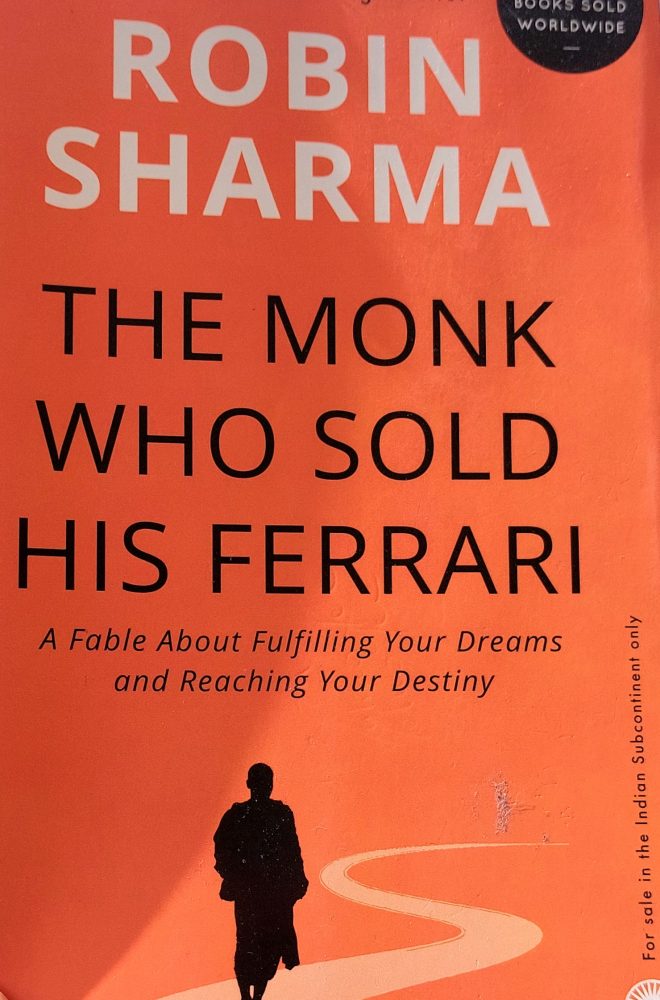
  • “The monk who sold his Ferrari” Robin Sharma (1996) Review | A quick way

    “The monk who sold his Ferrari” Robin Sharma (1996) Review | A quick way

    ★★★☆☆ It is inspiring, it has all the tips clearly listed to fulfil your dreams, very easy to understand and after reading it anyone would be instantly inspired. It’s a self-help book, and I’m not the target.

    🔽 log 🔽
    The monk who sold his Ferrari
    Robin Sharma, 1996
    Canada
    198 pages
    Read 2023.03


    🔽 Book review and notes 🔽
    It is inspiring, it has all the tips clearly listed to fulfil your dreams, very easy to understand and after reading this book anyone would be instantly inspired.
    It has practical advices like if you don't really get what meditation is, just focus on one point of any object in your room and look at it for a while, without seeking meanings.

    But it is very casual and not great as a story, which is probably not the point anyway.
    "A fable about fulfilling your dreams and reaching your destiny " is probably a disclaimer so people won't expect it to be interesting as a story, it's a self-help book after all.

    It drops terms like "ancient India" "mystical community" or "legend in Asia", which attracts the West - but it did its job.
    So it IS inspiring, it does move you to change a small thing in your life straight away.
    Just wish it was more interesting but I am also very aware that I'm not the target of this book.

    (First published in Canada)
    🔽 Where to buy / Summary and more info 🔽

    ●●● Amazon.com (US) ●●●

    The Monk Who Sold His Ferrari: A Fable About Fulfilling Your Dreams & Reaching Your Destiny


    ●●● Amazon.co.uk (UK) ●●●
    The Monk Who Sold His Ferrari: A Fable About Fulfilling Your Dreams and Reaching Your Destiny

    ●●● Amazon.it (Italy) ●●●
    Il monaco che vendette la sua Ferrari (Italiano)
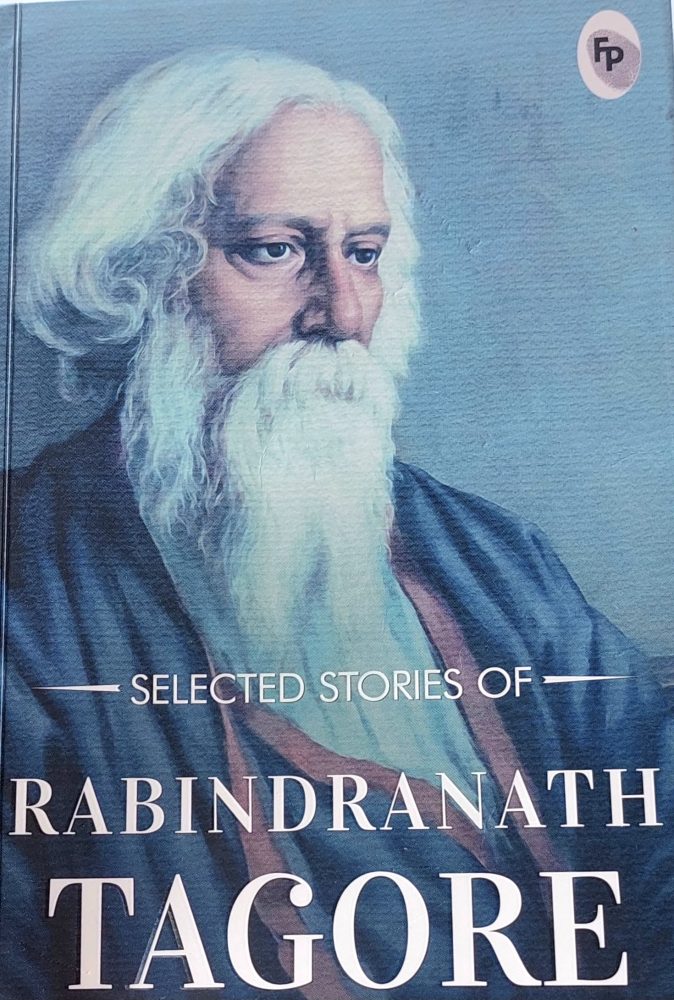
  • “Selected stories of” Rabindranath Tagore (1886-) Review | Mastermind of literature

    “Selected stories of” Rabindranath Tagore (1886-) Review | Mastermind of literature

    ★★★★★ These stories vary in the theme or genre, might be a love story, or a ghost story, or about family or friendship. It shows how expansive his talent is, but more significantly his stories are about honest, humble, and poor people.

    🔽 log 🔽
    Selected Stories of Rabindranath Tagore
    Rabindranath Tagore, 1886-
    India
    372 pages
    Read 2023.04


    🔽 Book review and notes 🔽
    I have read about how great Tagore's works are, but until you read them, experience them, you don't really know, of course.

    There are many of "selected works of" kind of books, this one is from Fingerprint in India.

    These stories vary in the theme or genre, might be a love story, or a ghost story, or about family or friendship.
    It shows how expansive his talent is, but more significantly his stories are about honest, humble, and poor people.
    That is why after more than 100 years they do not get old and continue to touch people all over Bengal, India, Asia and beyond.

    Some stories stand out more than others to me, like "The river stairs", "The Cabuliwalla", "The son of Rashimani", "The master Mashai" "Living or Dead", "Fair neighbour"

    🔽 Related pages 🔽
    “Chokher Bali” Rabindranath Tagore, (1903) Review | Tragedy from India

    “The Spirit of Japan” Rabindranath Tagore (1916) Review | Short but meaningful
    🔽 Where to buy / Summary and more info 🔽

    ●●● Amazon.com (US) ●●●

    Selected Stories of Rabindranath Tagore


    ●●● Amazon.co.uk (UK) ●●●
    Selected Stories of Rabindranath Tagore
    (Not the version I read, but this is available)

    ●●● Amazon.it (Italy) ●●●
    Selected Stories of Rabindranath Tagore (English)
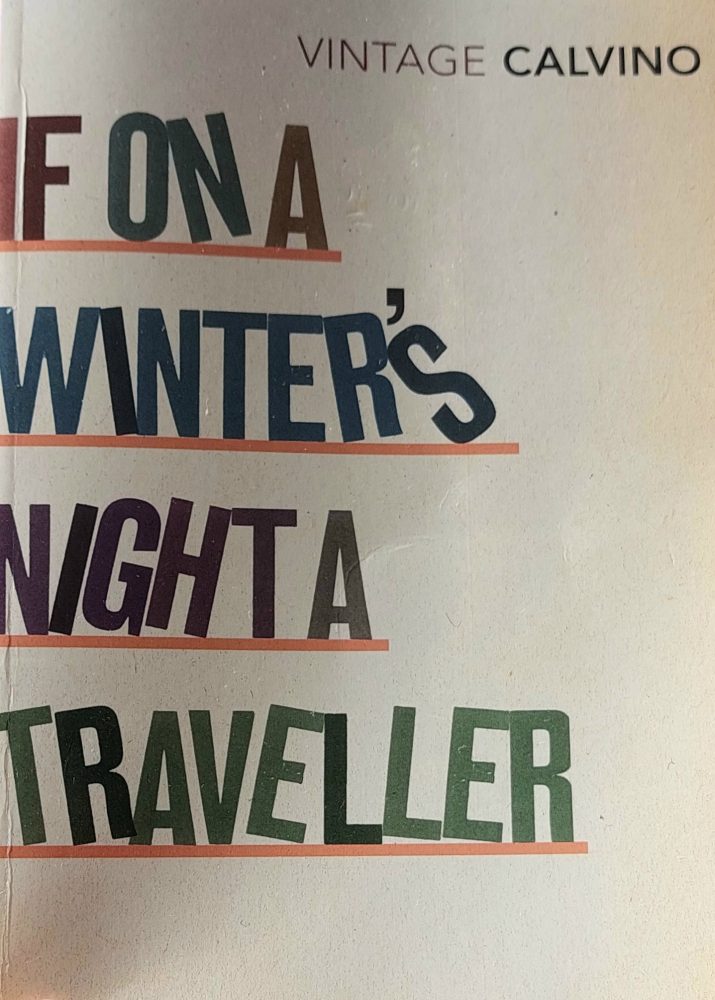
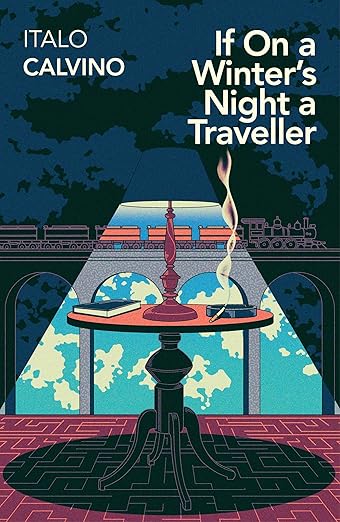
  • “If on a Winter’s Night a Traveller” Italo Calvino (1979) Review | Paradise and hell for booklovers

    “If on a Winter’s Night a Traveller” Italo Calvino (1979) Review | Paradise and hell for booklovers

    ★★★★★ What a book. It is beyond whatever you expected, it’s an experience, an experiment, it’s both the paradise and the hell for lovers of a humble act of “reading a book”

    🔽 log 🔽
    If on a Winter's Night a Traveller
    Italo Calvino, 1979
    Se una notte d'inverno un viaggiatore
    Italy
    272 pages
    Read in 2025.10


    🔽 Book review and notes 🔽

    What a book.
    It is beyond whatever you expected, it's an experience, an experiment, it's both the paradise and the hell for a reader.

    So the protagonist "you" start reading a book, but it abruptly ends because of an error, so you return to the shop for a new copy, but it's actually another book, which also abruptly ends, and this goes on.
    Each time "you" want to continue the last book because it's so good but things go bonkers, and each time you want to share this experience with a girl, "Another Reader" you met at the start.
    Is it just a vicious circle? A perfect read?
    When will it end, and what is an end, anyway?

    It might put you off at the start because you get completely lost, and because the book stops exactly when you start to understand the setting of the book.
    But hang in there.

    What is a book.
    What is a story, what is the role of an author, of a translator, and a reader, other readers, in this humble experience of reading a book?
    How are we connected, beyond everyday life and common sense, beyond time and space in this humble experience of reading a book?
    It throws a lot of questions at you, but what this book gives you as its answer is the joy.
    And in the end, you cannot help but smile.
    🔽 Where to buy / Summary and more info 🔽

    ●●● Amazon.com (US) ●●●

    If on a Winter's Night a Traveller


    ●●● Amazon.co.uk (UK) ●●●
    If on a Winter's Night a Traveller (Vintage Classics)

    ●●● Amazon.it (Italy) ●●●
    Se una notte d'inverno un viaggiatore (Italiano)

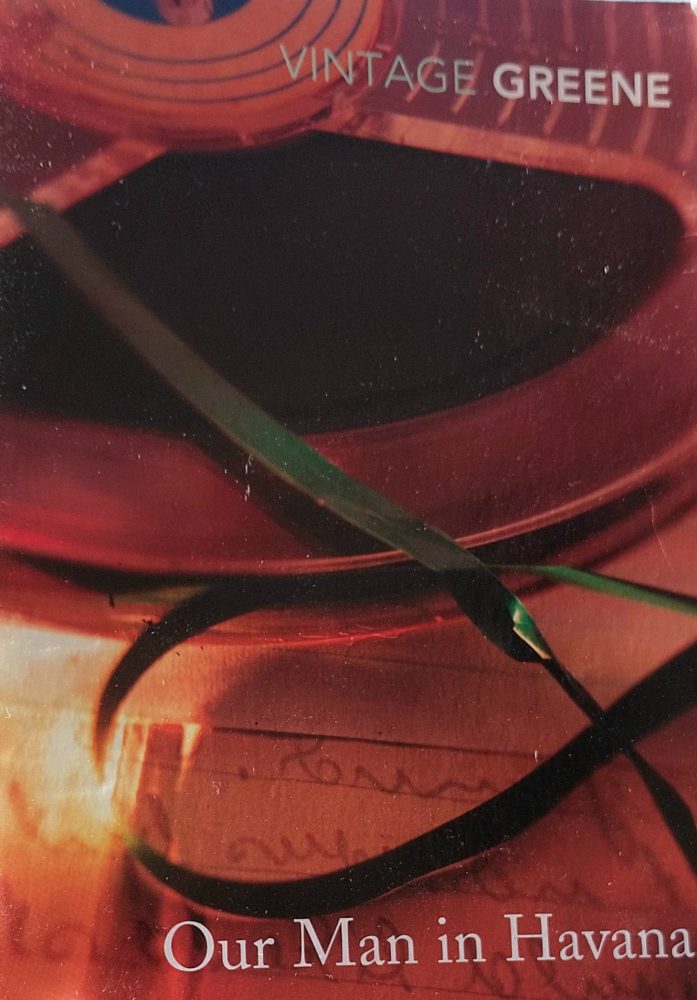
  • “Our man in Havana” Graham Greene (1958) Review | All tangled up

    “Our man in Havana” Graham Greene (1958) Review | All tangled up

    ★★★★☆  You’re in Havana during the Cold War, you are a boring ordinary man who sells vacuum cleaners but somehow you become as a British spy. Soon things go out of hands, for the government. Exhilarating, fun read.


    🔽 log 🔽
    Our man in Havana
    Graham Greene, 1958
    UK
    256 pages
    Read in 2023.07


    🔽 Book review and notes 🔽

    Strange little spy comedy novel that's also a perfect story.
    You're in Havana, Cuba during the Cold War, you are a boring ordinary man who sells vacuum cleaners but somehow you become as a British spy.
    To keep up with your daughter who spends all your money in creative ways, you don't want to lose the income but it all goes haywire.

    It's both unbelievable and believable, some misunderstanding here and exaggeration there, who is there to deny his reports? I mean why not have fun while they are at it, let the man ridicule the authority and get away with it.
    His love for his daughter, what else would you need if you have her?
    🔽 Where to buy / Summary and more info 🔽

    ●●● Amazon.com (US) ●●●

    Our Man in Havana


    ●●● Amazon.co.uk (UK) ●●●
    Our Man in Havana (Vintage Classics)

    ●●● Amazon.it (Italy) ●●●
    Il nostro agente all'avana (Italiano)
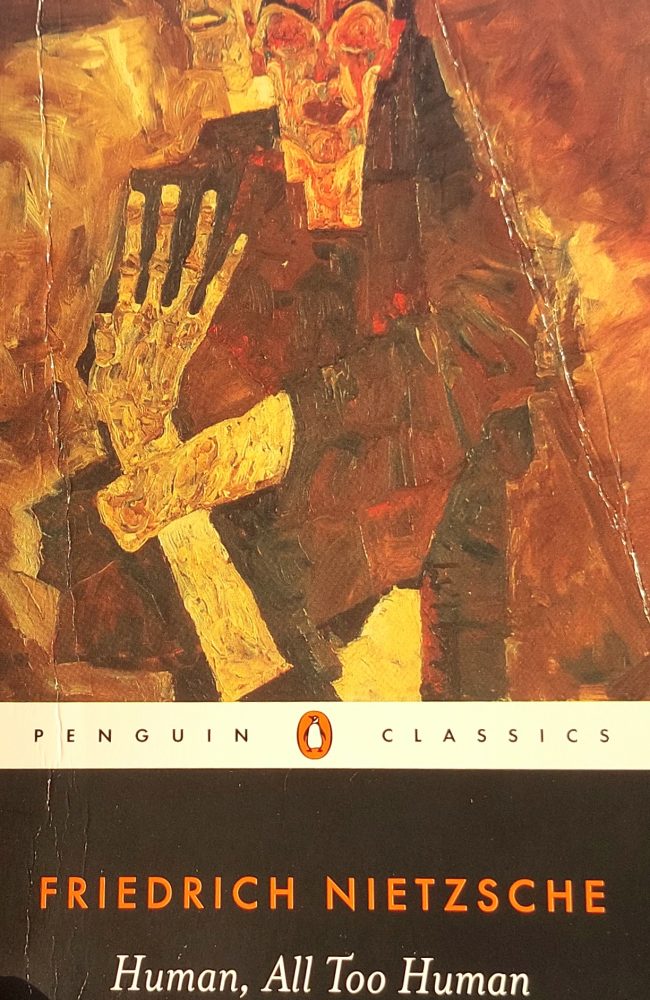
  • “Human, All Too Human” Friedrich Nietzsche (1878) Review | Surprisingly entertaining

    “Human, All Too Human” Friedrich Nietzsche (1878) Review | Surprisingly entertaining

    ★★★★★  It’s Nietzsche, of course I struggled. But it doesn’t mean I regretted it, no it was interesting and actually entertaining. I picked up a few good ones, so in case you are hesitating, give it a go from here.


    🔽 log 🔽
    Human, All Too Human: A Book for Free Spirits
    Friedrich Nietzsche, 1878
    Menschliches, Allzumenschliches: Ein Buch für freie Geister
    Germany
    304 pages
    Read in 2025.10


    🔽 Book review and notes 🔽

    I was too ambitious, even though I did like the shorter version of this book, it's Nietzsche, of course I struggled.
    But it doesn't mean I regretted it, no it was interesting and actually entertaining.

    It's a collection of aphorisms when he was younger, so it's probably not as "established", the good thing is each aphorism is short, sometimes just a line.
    The bad thing is, there are 638 of them and many are deep, you try to understand it, reread it, then he's already on another topic.
    When he refers to specific people, like Schopenhauer, whom he seems to be influenced greatly in this period, it's not easy because I don't know them.
    But I get the general idea of his thoughts and what he is trying to say here.
    A free man, a man who thinks for himself, free from religions and conservative customs.
    He's misogynistic but we all know that anyway so nothing new.
    There are some phrases that are strangely, awkwardly funny.

    After all, the title suggests it, we're all too human


    Here are some of the ones I made notes of as FYI in case you are hesitating, it's not scary, it's challenging but worth it, I'll make you laugh too.
    (English translation from the version I read, by Marion Faber, Penguin Classics)

    58
    One can promise actions, but not feelings, for the latter is involuntary.

    61
    Passion will not wait

    68
    ...the victory of Christianity over Greek philosophy is... that something more crude and violent has triumphed over something more spiritual and delicate.

    105
    "The wise man punishes not because men have acted badly, but so they will not act badly"

    120
    If the belief did not make us happy, it would not be believed

    265
    European's superiority, compared to Asians, in their learned ability to give reasons for what they believe, which Asians are wholly incapable of doing.
    ... Asian still does not know how to distinguish between truth and poetry.

    303
    We often contradict an opinion, while actually it is only the tone with which it was advanced that we find disagreeable.

    335
    We hear the hostile mood of our neighbour because we are afraid that this mood will help him discover our secrets.

    388
    A few men have sighed because their women were abducted: most, because no one wanted to abduct them.

    472
    ...when government feels itself unable to do anything directly to alleviate the private man's inner suffering... and initially unpreventable misfortunes... religion gives the masses a calm, patient and trusting bearing.

    494
    Many people are obstinate about the path once it is taken, few about the destination.

    499
    Shared joy, not compassion, makes a friend.

    508
    We like to be out in nature so much because it has no opinion about us.

    523
    The demand to be loved is the greatest kind of arrogance.

    563
    A man suffers little from unfulfilled wishes if he has trained his imagination to think of the past as hateful.

    589
    The best way to begin each day well is to think upon awakening whether we could not give at least one person pleasure on this day. If this practice could be accepted as a substitute for the religious habit of prayer, our fellow men would benefit by this change.
    🔽 Where to buy / Summary and more info 🔽

    ●●● Amazon.com (US) ●●●

    Human, All Too Human


    ●●● Amazon.co.uk (UK) ●●●
    Human, All Too Human: Friedrich Nietzsche

    ●●● Amazon.it (Italy) ●●●
    Umano, troppo umano (Vol. 1) (Italiano)
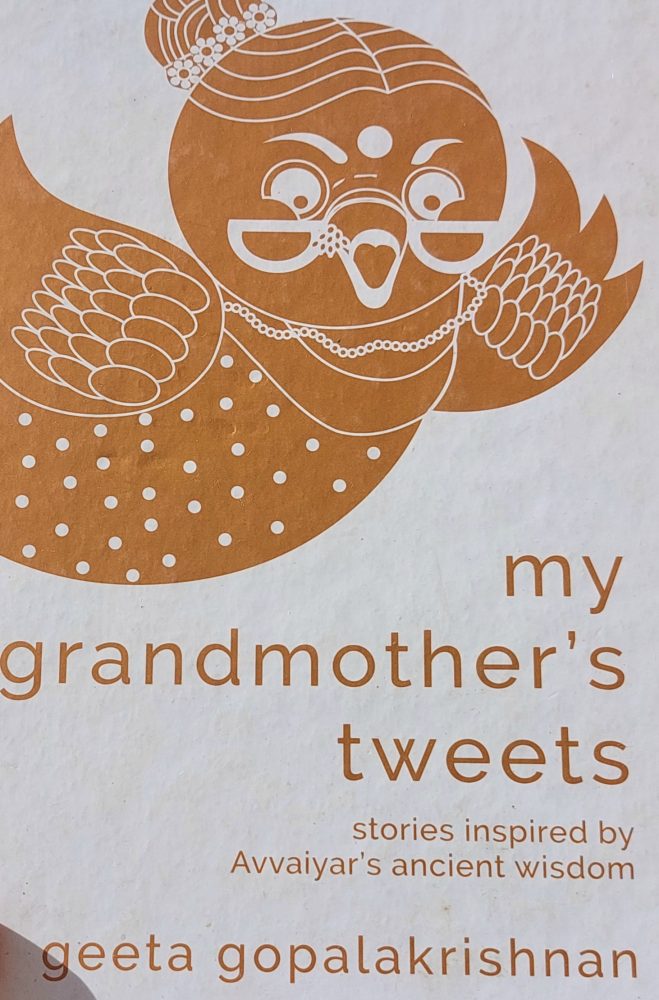
  • “My grandmother’s tweets” Geeta Gopalakrishnan (2018) Review |Female wisdom from Tamil

    “My grandmother’s tweets” Geeta Gopalakrishnan (2018) Review |Female wisdom from Tamil

    ★★★★☆ Collection of stories associated with wise words passed down from Avvaiyar (a female poet from Tamil), female to female. Wisdom and warmth of the ancient India.


    🔽 log 🔽
    My grandmother's tweets
    Geeta Gopalakrishnan, 2018
    India
    340 pages
    Read in 2023.07


    🔽 Book review and notes 🔽

    Another book gift when I was in India.
    It tells little stories associated with wise words passed down from Avvaiyar (a female poet from Tamil, southern India, from 12th century), female to female.

    It's not something to read like a story, something to open time to time to enjoy the nice little stories,
    It's a collection of little famous or historical, or legendary quick stories, so not really something to read all in one go, but something to go back to time to time.
    Wisdom and warmth of the ancient India.
    🔽 Where to buy / Summary and more info 🔽

    ●●● Amazon.com (US) ●●●

    My Grandmother's Tweets: Inspired by Avvaiyar's Ancient Wisdom


    ●●● Amazon.co.uk (UK) ●●●
    My Grandmother's Tweets: Stories Inspired by Avvaiyar's Ancient Wisdom

    ●●● Amazon.it (Italy) ●●●
    -
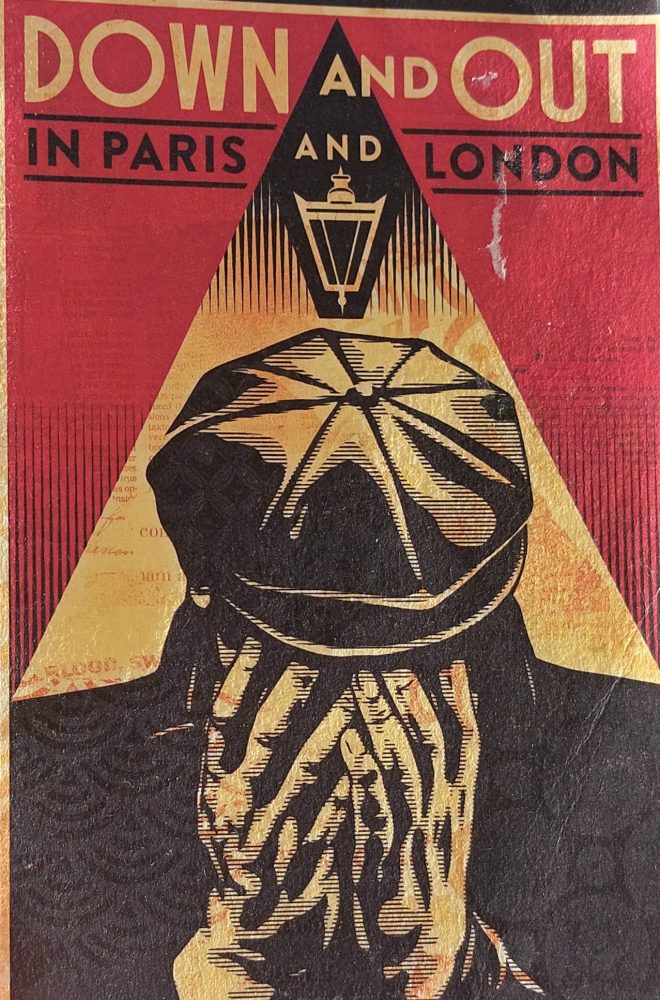
  • “Down and Out in Paris and London” George Orwell (1933) Review | Foundation of his novels

    “Down and Out in Paris and London” George Orwell (1933) Review | Foundation of his novels

    ★★★★★ Orwell spent a few years in the poverty. No doubt his more famous books are based on what he saw there. It is a failure of the society as a system, rather than a failure of the poor.

    🔽 log 🔽
    Down and Out in Paris and London
    George Orwell, 1933
    UK
    224 pages
    Read in 2023.06


    🔽 Book review and notes 🔽
    He writes about his lives where he spent a few years in the poverty.

    He captures the lives lives of those who are at the bottom of the society.
    Or below, considering he was "down" below the cities, literally, washing dishes, nothing but cleaning up the mess the higher up society creates.
    He describes what he did, where he went in those years, but also he drops some of his own thoughts about the poverty.

    No doubts his more famous books are based on the true poverty he saw there and it was clear to him; it is the failure of the society as a system, rather than the failure of the poor.
    It is the system that makes sure these poor remain as poor.
    His message of hope; a poor man can live with dignity if he keeps his mind busy.
    🔽 Where to buy / Summary and more info 🔽

    ●●● Amazon.com (US) ●●●

    Down And Out In Paris And London


    ●●● Amazon.co.uk (UK) ●●●
    Down and Out in Paris and London: George Orwell (Penguin Modern Classics)

    ●●● Amazon.it (Italy) ●●●
    Senza un soldo a Parigi e a Londra (Italiano)
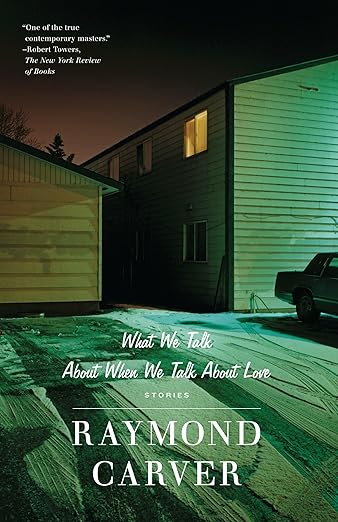
  • “What We Talk About When We Talk About Love” Raymond Carver (1981) Review | American suburbs

    “What We Talk About When We Talk About Love” Raymond Carver (1981) Review | American suburbs

    ★★★☆☆ A bit like Haruki Murakami, of American suburbs, nothing really happens, it’s subtle and modern – and who knew, Murakami actually translated this book into Japanese. A nice little read.


    🔽 log 🔽
    What We Talk About When We Talk About Love
    Raymond Carver, 1981
    US
    176 pages
    Read in 2023.06


    🔽 Book review and notes 🔽
    Short stories from 80s.

    A bit like Haruki Murakami, of American suburbs, nothing really happens, it's subtle and modern - and who knew! Murakami actually translated this book into Japanese.
    So you might enjoy twice if you are a Japanese Murakami fan.

    I didn't know what to expect I just picked it up randomly from a book shop, though not my type, it was a nice little read.
    🔽 Where to buy / Summary and more info 🔽

    ●●● Amazon.com (US) ●●●

    What We Talk About When We Talk About Love: Stories


    ●●● Amazon.co.uk (UK) ●●●
    What We Talk About When We Talk About Love: Raymond Carver

    ●●● Amazon.it (Italy) ●●●
    Di cosa parliamo quando parliamo d'amore (Italiano)
  • “Falling in love again” Ruskin Bond (2013) Review | Maybe it was a dream

    “Falling in love again” Ruskin Bond (2013) Review | Maybe it was a dream

    ★★★☆ Selection of short stories from India’s great author. Most of them are bittersweet; like it’s almost a love story but not quite, it ends before it begins, so brief that it’s almost a dream.


    🔽 log 🔽
    Falling in love again
    Ruskin Bond, 2013
    India
    197 pages
    Read in 2023.04


    🔽 Book review and notes 🔽

    Compilation of short stories, of love from one of the most important Indian writers, he turned 89. (now in 2025 he's 91)

    They are written in different stages of the author's life, and his stories seem very personal.
    Many of the main characters' names are Ruskin, or Rusky, and they are based in Himachal, so it's not difficult to imagine that they are based on his childhood or youth.
    Most of them are bittersweet, like it's almost a love story but not quite.
    It ends before it begins, or it's so brief that it's almost a dream.

    Some stories are in the train, maybe on the same line, or one of his beloved, Sushila, reappears in another story, many of his girls simply disappear - yes, just like a dream.

    🔽 Related pages 🔽
    Ruskin Bond A room on the roof
    🔽 Where to buy / Summary and more info 🔽

    ●●● Amazon.com (US) ●●●

    FALLING IN LOVE AGAIN


    ●●● Amazon.co.uk (UK) ●●●
    Falling In Love Again:Stories of Love and Romance

    ●●● Amazon.it (Italy) ●●●
    Falling In Love Again:Stories of Love and Romance (English)
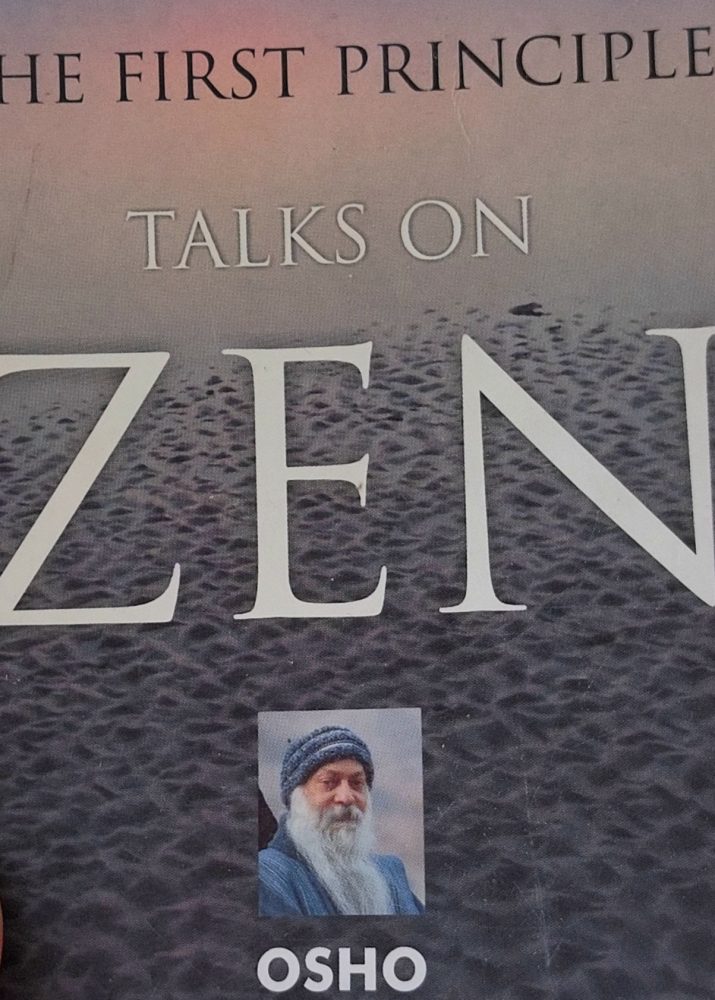
  • “The First Principle, Talks on Zen” Osho (1981) Review | Sounds like just gossips

    “The First Principle, Talks on Zen” Osho (1981) Review | Sounds like just gossips

    ★★☆☆☆ His “stories I’ve heard” are spread around the book and sure it is fun to read, but I cannot help but think, yeah but this is just to get attention.


    🔽 log 🔽
    The First Principle
    Talks on Zen
    Osho, 1981
    India
    288 pages
    Read 2023.04


    🔽 Book review and notes 🔽

    This one is much more painful to read than the first one I read earlier, The Book of Man.
    It is a compilation of talks so taking that into account, so I'm sure listening to it live is more captivating, but as always not my thing anyways.

    His "stories I've heard" are spread around the book and sure it is fun to read, but I cannot help but think, yeah but this is just to get attention, to keep the attention to him, and throw in some smart jokes here and there.

    He disliked unnecessary disciplines from the established religions.
    No he hated them, so he would go against them, it's like a mixture of cult and hippie life, it probably was.

    Not sure if I'll ever read anything else by him or about him.
    🔽 Where to buy / Summary and more info 🔽

    ●●● Amazon.com (US) ●●●
    The First Principle: Talks on Zen

    ●●● Amazon.co.uk (UK) ●●●
    The First Principle: Talks on Zen

    ●●● Amazon.it (Italy) ●●●
    -
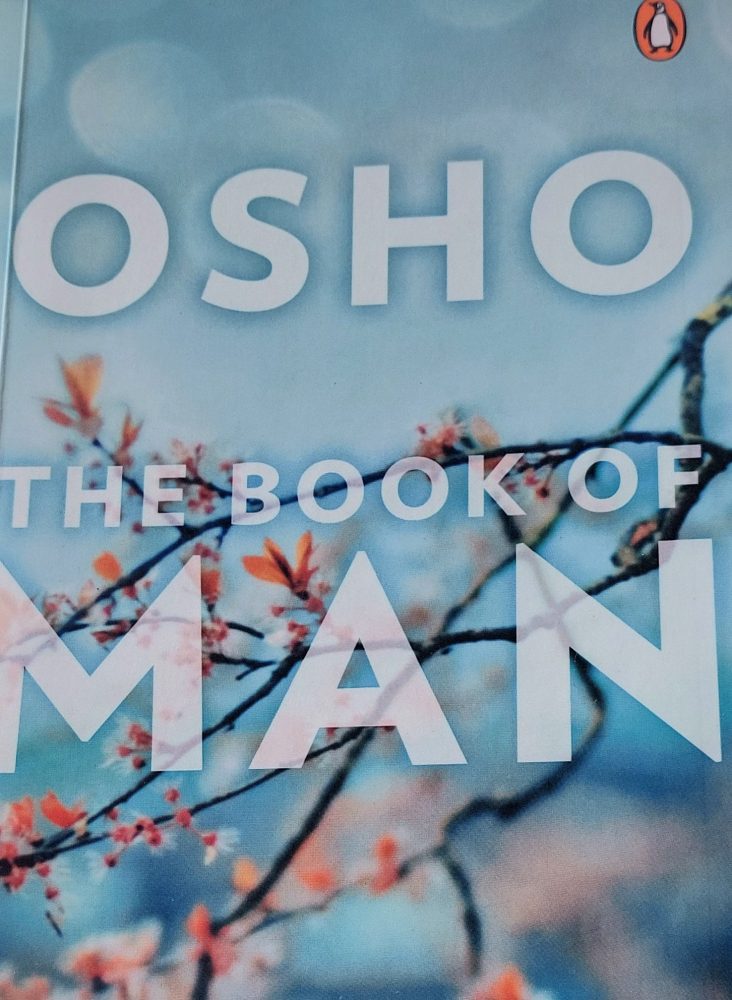
  • “The Book of Man” Osho (2002) Review | International cult

    “The Book of Man” Osho (2002) Review | International cult

    ★★☆☆☆ I now get it, I understand why he was and continues to be so popular. He’s smart and eloquent, very rich and decadent, and encouraged all sorts of violence. His wish from the world was to follow the big power that was him.

    🔽 log 🔽
    The Book of Man
    Osho, 2002
    Osho Rajneesh
    India
    226 pages
    Read in 2023.04


    🔽 Book review and notes 🔽
    Finally read something by Osho, though technically it's not written by him personally, but it's from his talks.

    I now get it, I understand why he was and continues to be so popular.
    It's not like I don't understand at all what he says, but his talent lies and his aim was clear, to make you a follower, he's not hiding that either.
    Becoming religious or spiritual itself is nothing unusual, and most of the times it brings good things.
    But what he says he wishes from the world is to blindly follow the big power that's him.

    Maybe also he came at the right time in the 70s when people, especially American, wanted psychedelic experiences, when the West wanted the exotic East.

    One of his idea was that austerity is bad, and encourages people to enjoy life, which from Googling I understand he had a very luxurious and decadent life, riding around 93 Rolls-Royce just to show off, or manufactured and spread illegal drugs within his communities and beyond, or encouraged violence, where sexual violence towards kids became a norm.
    Definitely scandalous, whether conspiracy or not.

    So back to the book, it's 100% an interesting to read as a book to read, as a study, but I won't go beyond that.
    🔽 Where to buy / Summary and more info 🔽

    ●●● Amazon.com (US) ●●●
    Book of Man [Paperback]

    ●●● Amazon.co.uk (UK) ●●●
    The Book Of Man

    ●●● Amazon.it (Italy) ●●●
    -

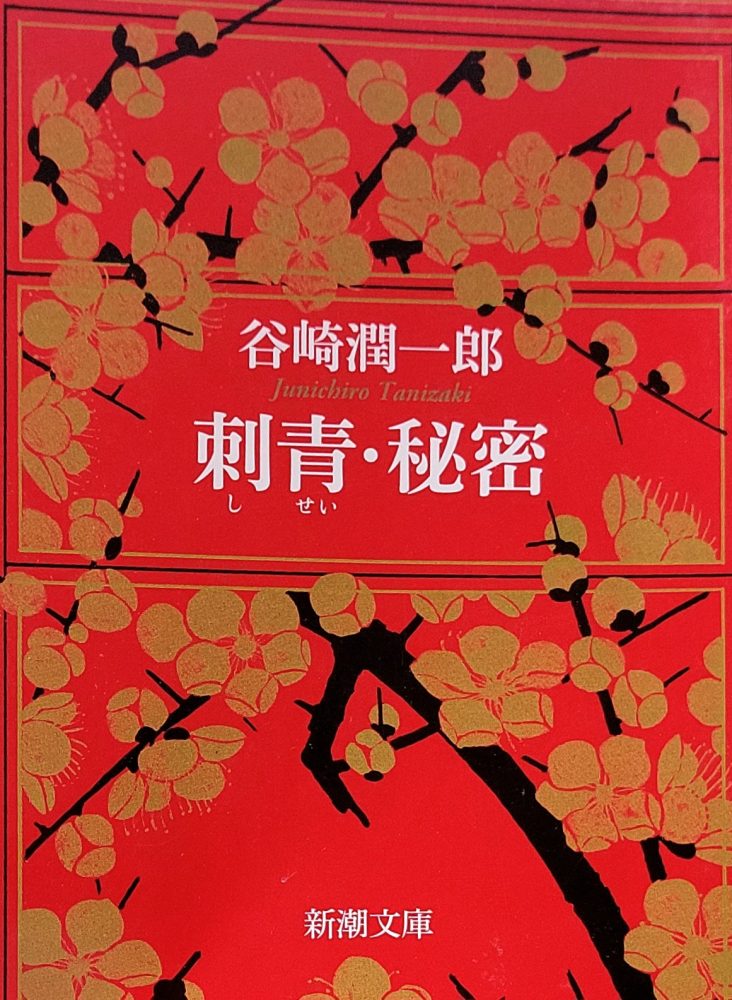
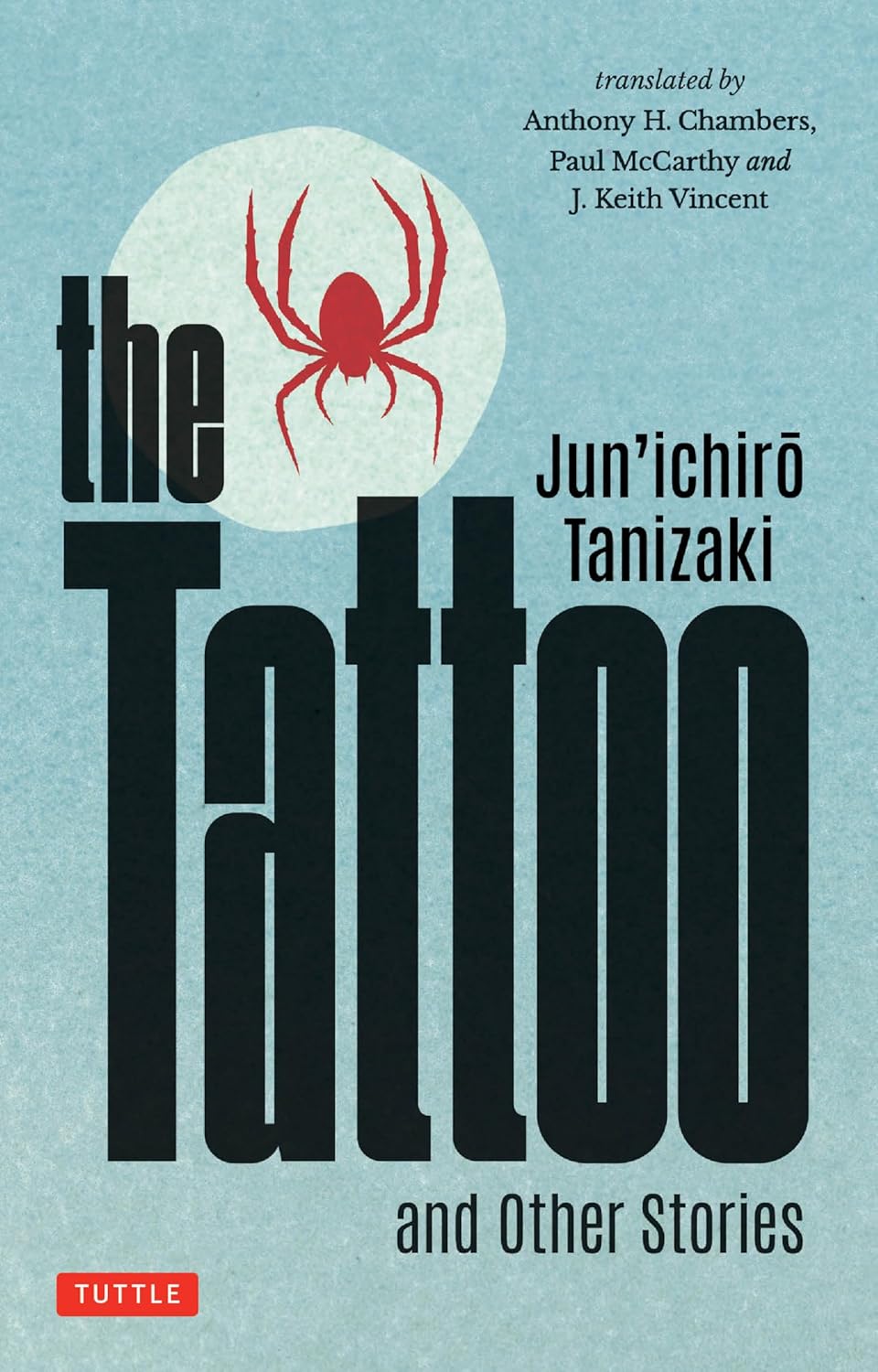
  • “The Tattoo” Junichiro Tanizaki (1910) Review | Early Tanizaki

    “The Tattoo” Junichiro Tanizaki (1910) Review | Early Tanizaki

    ★★★★★ Tanizaki’s debut novel, Tattoo, the eroticism and fetishism are already there. He depicts the woman’s true self by the beauty of her feet, and she is awaken. Yes that’s Tanizaki.

    🔽 log 🔽
    The Tattoo
    Junichiro Tanizaki, 1910
    刺青 秘密
    谷崎潤一郎
    Japan
    Read in 2020.04
    🔽 Book review and notes 🔽

    Tanizaki's debut novel, Tattoo (Tattooer, Shisei), the eroticism and fetishism that you find in his books are already there, established but still pretty raw in an exciting way.

    He depicts the woman's true self by the beauty of her feet, and she is awaken.
    Yes that's Tanizaki.

    Kafu Nagai describes Tanizaki literature as "urban", so true, Tanizaki's characters have absolutely nothing to do with countryside poverty; posh boys, girls from good family, the world where there are only gentlemen and ladies, and the dark desires hiding in the beautiful world.
    Yes that's Tanizaki.

    🔽 Related pages 🔽
    tag
    🔽 Where to buy / Summary and more info 🔽

    ●●● Amazon.com (US) ●●●

    The Tattoo and Other Stories


    ●●● Amazon.co.uk (UK) ●●●
    TATTOO: Bilingual Literature in Easy Japanese and English
    (I could only find this Easy version)

    ●●● Amazon.it (Italy) ●●●
    -

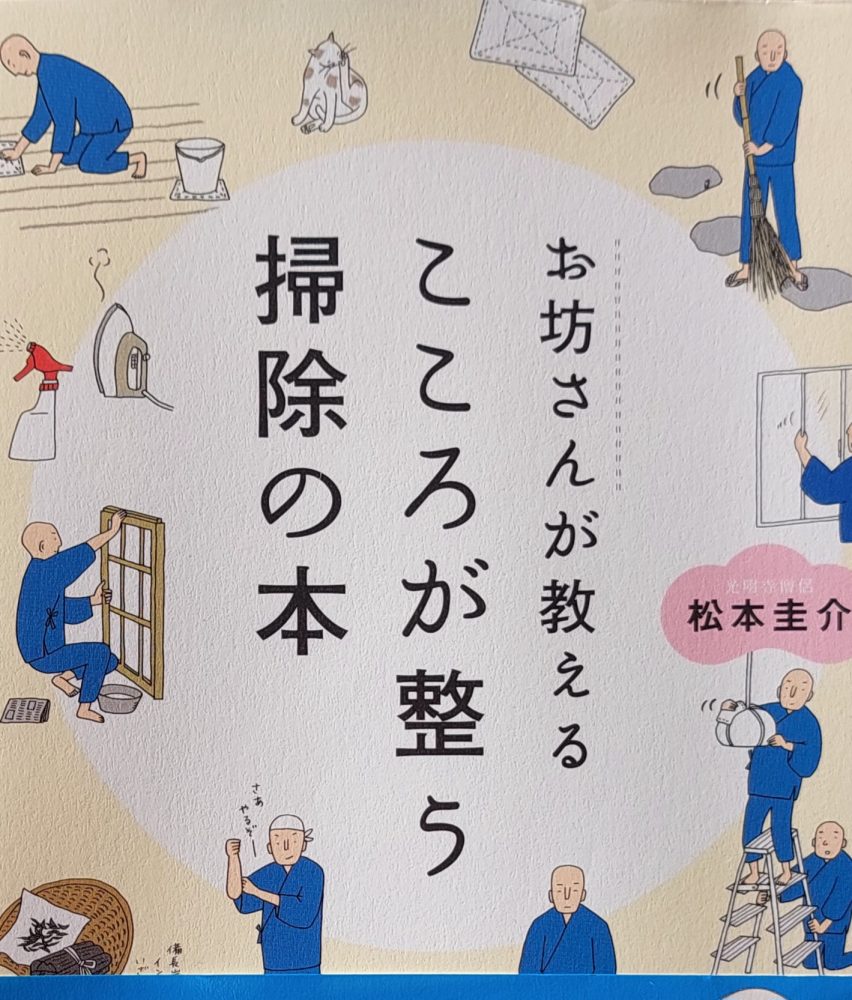
  • “A monk’s Guide to a Clean House and Mind” Shoukei Matsumoto (2011) Review | Monks’ main job, cleaning

    “A monk’s Guide to a Clean House and Mind” Shoukei Matsumoto (2011) Review | Monks’ main job, cleaning

    ★★★★☆ A post-religion-monk. What is his secret? Cleaning. When we think about Buddhist monks, we always think about them cleaning the garden – well, because they are always cleaning.

    🔽 log 🔽
    A monk's Guide to a Clean House and Mind
    Shoukei Matsumoto, 2011
    お坊さんが教えるこころが整う掃除の本松本圭介
    Japan
    144 pages
    Read in 2026.01
    🔽 Book review and notes 🔽

    I listen to his podcast all the time so reading this was like, ah finally.
    He studied Philosophy in Uni of Tokyo, and got MBA in India - he's undeniably smart, sharp and as he says is a post-religion monk.
    What is his secret?
    When we think about a Buddhist monk, we always think about them cleaning the garden - well, we're not wrong, they are always cleaning.
    And his secret is cleaning.

    This book, though he reflects on the spirituality and Buddhism often, is about the actual cleaning.
    There are many things non-Japanese houses don't have, but he goes through all the main rooms and outdoor space, one by one.

    If your room is clean, so are your heart and mind, no doubt.
    We all know that but cleaning is, at least for me, not easy at all.
    Maybe I should start wiping surfaces more often and generally speaking have less things around. A start.


    松本紹圭さんは実は私いっつもポッドキャスト聞いてて掃除の話もよく出てくるので、こういう本だったのか!という感じ。
    東大で哲学を学んだ後インドでMBA取得とかなり賢く鋭い次世代の僧侶として活躍される裏には徹底した掃除が。
    そうよね、家がきれいだと脳内も心もきれいになるよね。
    そこは分かる。
    次のステップである実際の掃除が難しい。
    🔽 Related pages 🔽
    tag
    🔽 Where to buy / Summary and more info 🔽

    ●●● Amazon.com (US) ●●●

    A Monk's Guide to a Clean House and Mind


    ●●● Amazon.co.uk (UK) ●●●
    A Monk's Guide to a Clean House and Mind

    ●●● Amazon.it (Italy) ●●●
    Manuale di pulizie di un monaco buddhista. Spazziamo via la polvere e le nubi dell'anima (italiano)
  • “(Ab)Normal Desire” Ryo Asai (2021) Review | You, too

    “(Ab)Normal Desire” Ryo Asai (2021) Review | You, too

    ★★★★★ A heavy read, because it’s saying to you “I know you are thinking the same”. Sure it’s easy to accept and celebrate the diversity that’s within your imagination, but what if someone’s desire is way beyond what you can possibly imagine?


    🔽 log 🔽
    正欲
    朝井リョウ, 2021
    (Ab)Normal Desire
    Ryo Asai
    Japan
    528 pages
    Read in 2025.10

    (Not available in English yet)

    🔽 Book review and notes 🔽
    It's a heavy read.
    And I was thinking why, and it's not merely because you don't really understand their (ab)normal desires and how they are treated by others.
    But it's because the book is saying to you "I know you are thinking the same"
    "I know you think I'm gross"
    "I know you only tolerate diversity that's convenient to you"
    "I know you too have a secret you can't tell anyone"

    The title seiyoku, normally means "sexual desires".
    The author applied the word "correct" so the title now means "correct desires".

    It's easy to accept and celebrate the diversity that's within your imagination.
    What if someone's desire is way beyond what you can possibly imagine?
    Would you be able to accept that it exists?
    Would the society be able to accept it as a possibility?

    After all happiness of us people is to connect with others, whoever you are.
    To be understood.
    In this cruel world, it was a miracle that the main characters met, and they found someone with whom they didn't have to hide their true selves.

    Within our little lives and in history, we keep making mistakes by not accepting others, but we keep working on it, it's the best we can do.
    🔽 Where to buy / Summary and more info 🔽

    ●●● Amazon.com (US) ●●●

    正欲 (新潮文庫 あ 78-3) (Japanese)


    ●●● Amazon.co.uk (UK) ●●●
    正欲 (新潮文庫 あ 78-3) (Japanese)

    ●●● Amazon.it (Italy) ●●●
    正欲 (Japanese)