タグ: ENG_Imperialism

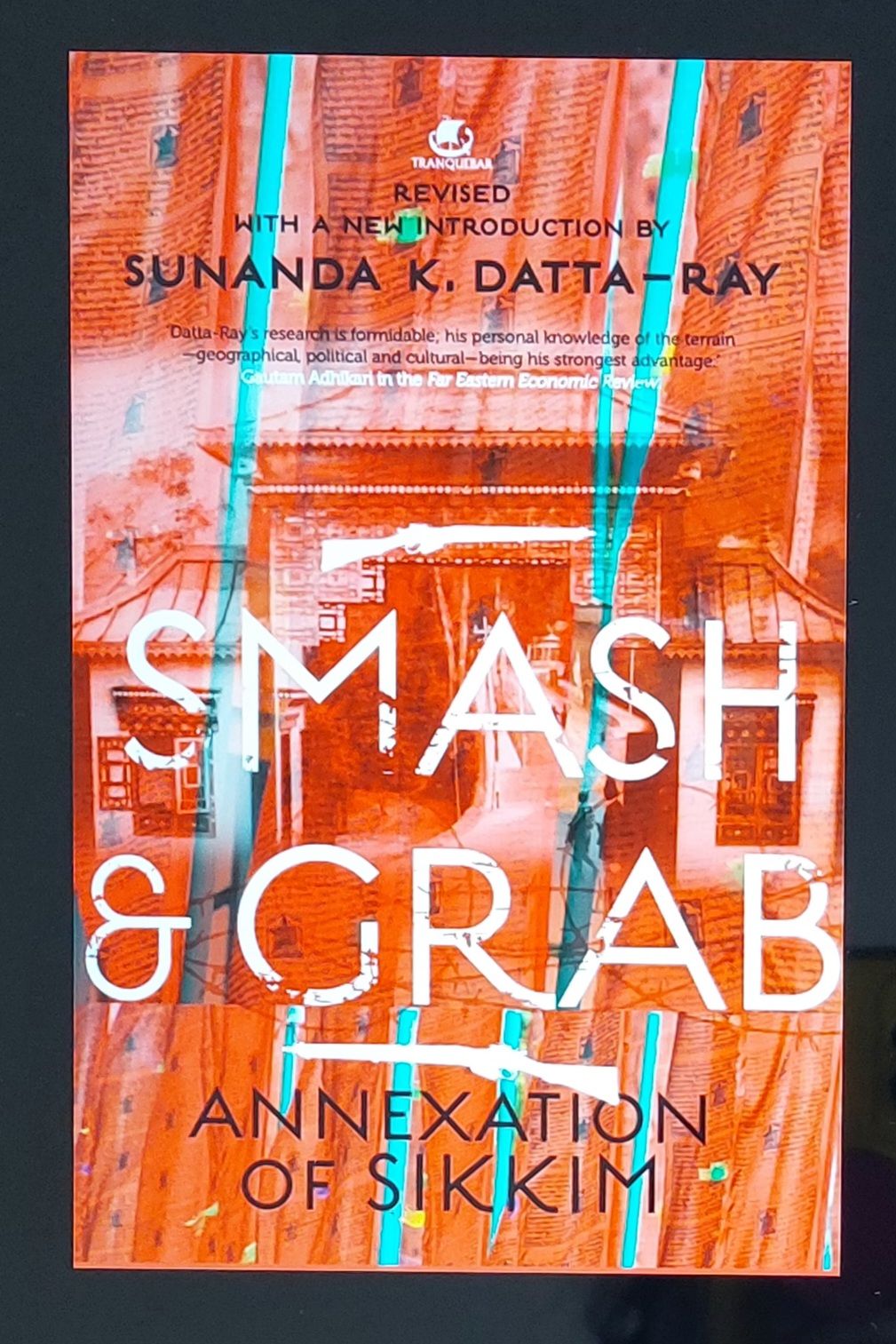
  • “Smash and Grab” Sunanda K. Datta-Ray (1984) Review | A dynamic history of Sikkim

    “Smash and Grab” Sunanda K. Datta-Ray (1984) Review | A dynamic history of Sikkim

    ★★★★★ A dynamic history of the kingdom of Sikkim that got annexed by India. I love this area of the east of Himalaya, it's a total mix of cultures. Soon after gaining an independence from Britain, India "colonised" a small kingdom, a dark page of history that nobody should talk about.
    🔽 log 🔽
    Smash and Grab
    Annexation of Sikkim
    Sunanda K. Datta-Ray, 1984
    433 pages
    Read 2025.01
    check on amazon.com
    🔽 Book review and notes 🔽
    The book I had to look for everywhere but couldn't find as a physical book as it was practically banned as soon as it was published.

    And, no wonder it was banned (well not banned, as that would be too scandalous, they just did not allow to print any more) it is by a journalist who personally knew the Chogyal, the king, so it's detailed and it's what he saw, heard, conversed and felt, as well as collection of newspaper articles.

    And it doesn't look good for India.
    India, who had until recently suffered the Imperialism is now putting Imperialism on Sikkim.
    Lies, manipulations, false promises, guaranteeing personal gains, not to mention violence. Anything you can think of that is morally wrong, was done to Sikkim.
    Cleverly manipulating the media to make people believe the Chogyal was the bad guy. They then tricked the modest simple people - you don't like the monarchy, this bad guy, then vote to be annexed by India.
    The Indian officer in Sikkim already had all the power he wished, and the last blow was easy, just lie.

    As mentioned in this book, the snap referendum was based on manipulations and physically impossible to run it in the remote area so quickly. Of course, if you vote against the annexation you'd likely beaten up, too.

    It's very detailed and was difficult to follow for me who had no basic understanding of Indian politics.
    But what was happening was clear, you cannot believe what you are reading with your eyes, it's incredibly similar to what British did to India; concentration of power in the hands of foreigners and dirty politics.
    Yes the Chogyal was hostile towards Nepali, but there was certainly a room for compromise and he probably would have been the Chogyal for all.
    It could have been a republic, also.
    But no, India wanted it, the perfect location at the border, and took time to absorb it slowly but surely.
    Now I'd like to know how Indian people think if this today, or maybe first of all if they are at least taught everything.

    🔽 Where to buy 🔽

    ●●● Amazon.com (US) ●●●
    SMASH AND GRAB:ANNEXATION OF SIKKIM
    SMASH AND GRAB:ANNEXATION OF SIKKIM Kindle Edition


    ●●● Amazon.co.uk (UK) ●●●
    SMASH AND GRAB:ANNEXATION OF SIKKIM
    SMASH AND GRAB:ANNEXATION OF SIKKIM Kindle Edition


    ●●● Amazon.it (Italia) ●●●
    -


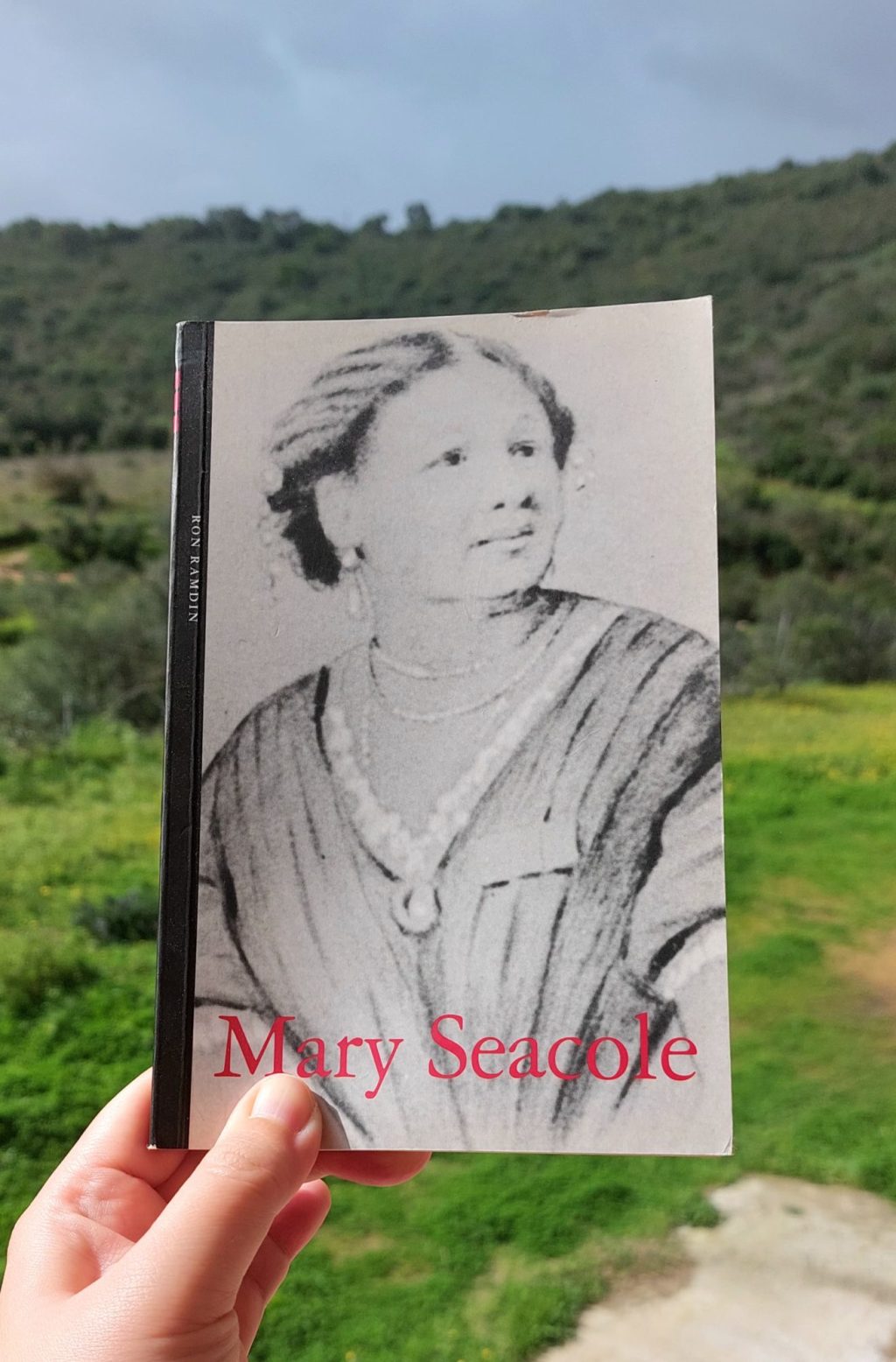
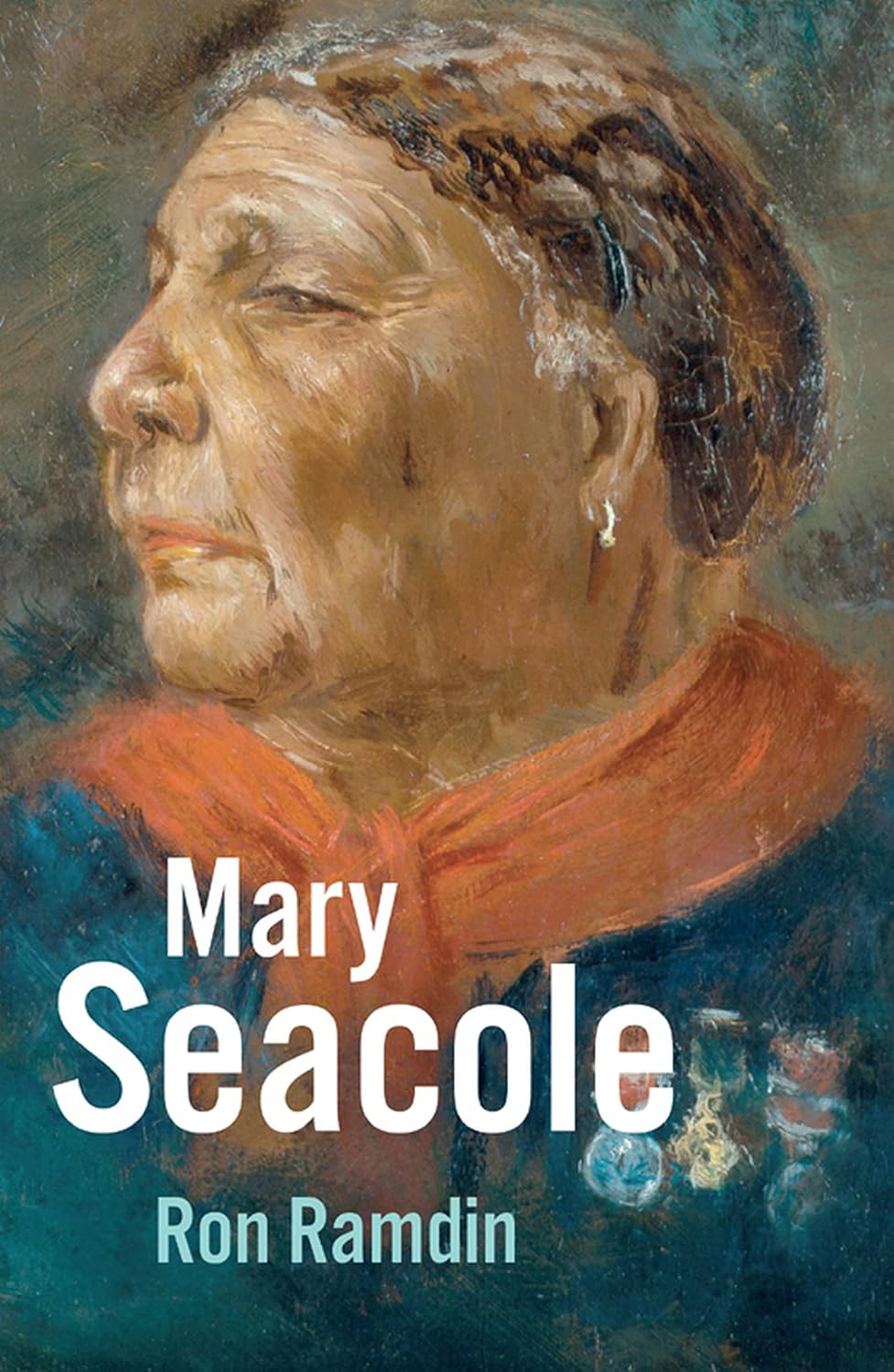
  • “Mary Seacole” Ron Ramdin (2005) Review | Determination to help her “sons”

    “Mary Seacole” Ron Ramdin (2005) Review | Determination to help her “sons”

    ★★★★★ Jamaican British nurse whom British and Nightingale rejected for being non-White, but she pushed her way through serve her mother country in Crimea regardless and was loved.
    🔽 log 🔽
    Mary Seacole
    Ron Ramdin, 2005
    190 pages
    Read in 2020.07
    check on amazon.com
    🔽 Book review and notes 🔽

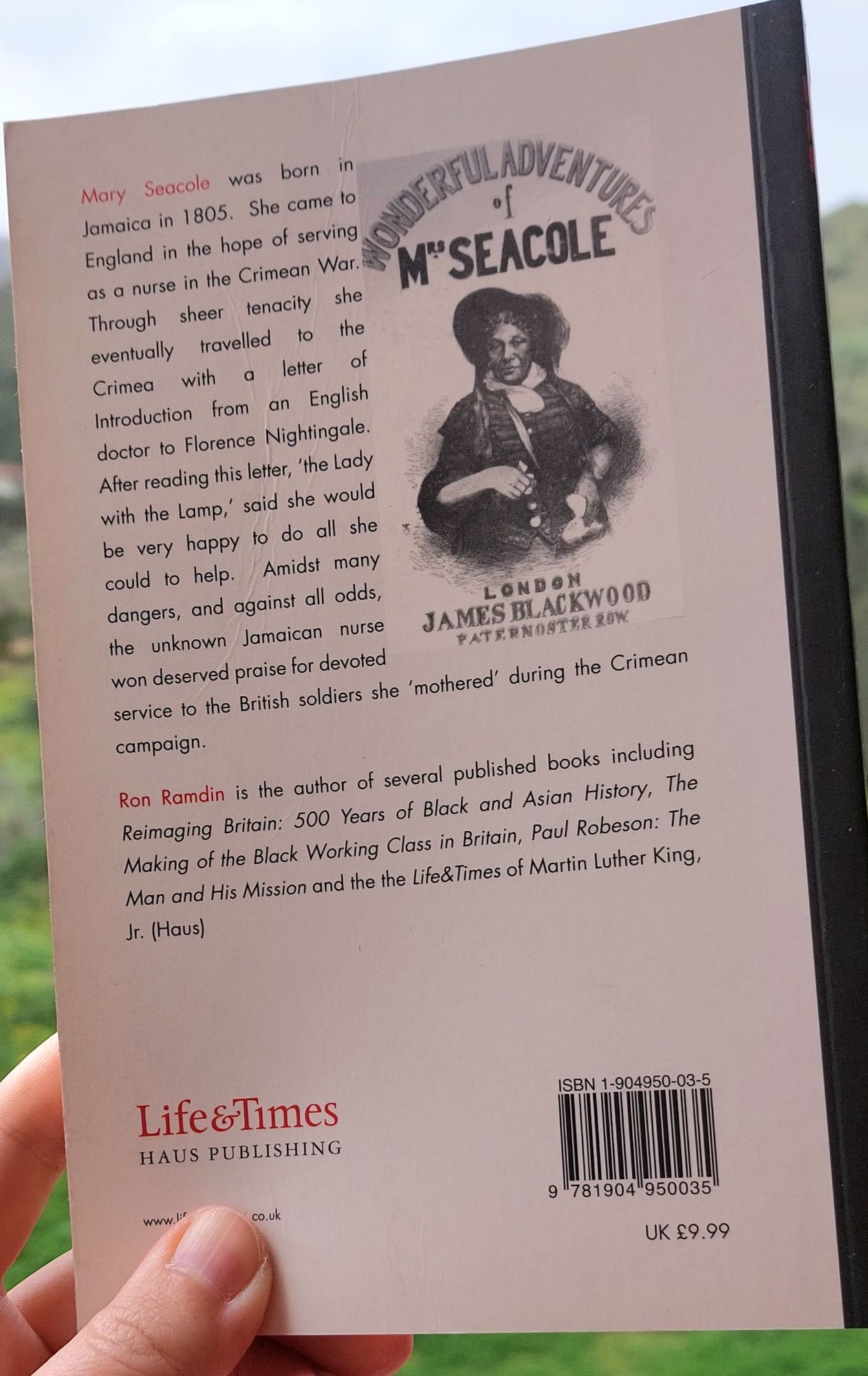
    Biography of a Jamaican British nurse who pushed her way through to Crimea to serve her mother country.

    Contemporary to Florence Nightingale, Seacole chose to be closer to the battlefield, not only financially funded her way through to the battlefield, she established a sort of restaurant business to support herself while working as a nurse.

    Why did she have to make her money to help the wounded British soldiers?
    Because the British government and Nightingale rejected her, precisely for being non-White.

    It's a revelation of the dark side of Nightingale, as well as the determination of the mixed race woman, who paid little attention to the colour of her skin but more to serve the Britain and her dying and wounded "sons" (she called soldiers sons).

    But Britain did not show the gratitude she well deserved.
    As it's been said many times elsewhere, it's not correct to refer to her as "a black Nightingale", they were very different and the impression we get today from the record is, a very strict Nightingale didn't appreciate Seacole much who gave not only care to the wounded but also joy.

    🔽 Where to buy / Summary and more info 🔽

    ●●● Amazon.com (US) ●●●
    Mary Seacole
    Mary Seacole


    ●●● Amazon.co.uk (UK) ●●●
    Mary Seacole (Life & Times)

    ●●● Amazon.it (Italy) ●●●
    Mary Seacole (English)
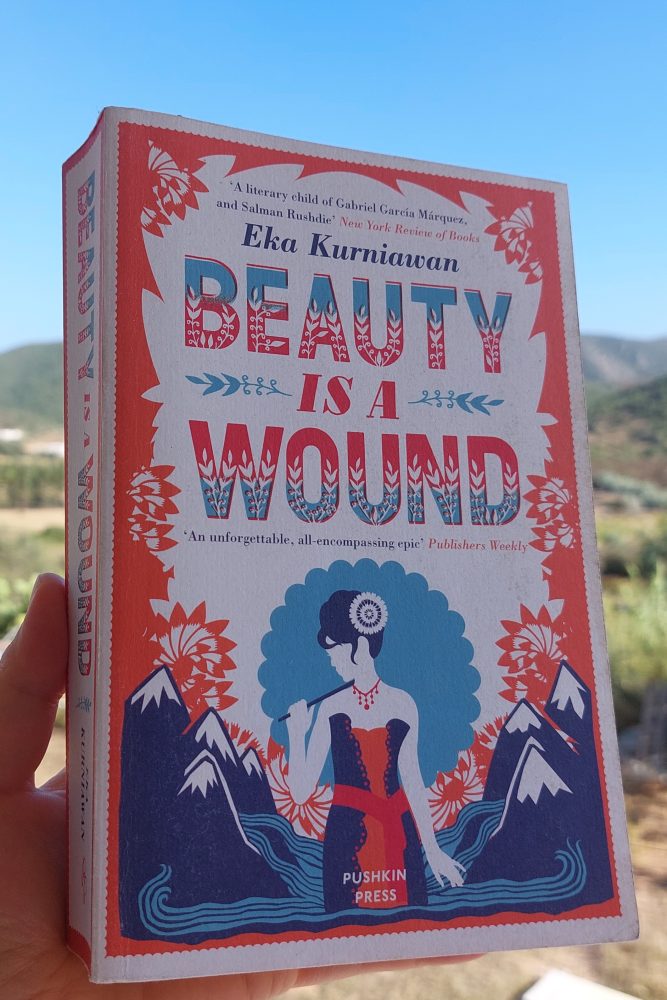
  • “Beauty is a wound” Eka Kurniawan (2002) Review | Mix of history, religions, power, and abuse

    “Beauty is a wound” Eka Kurniawan (2002) Review | Mix of history, religions, power, and abuse

    ★★★★★ The mixture of history and race, religions and politics and power, and abuse of all above. A great storytelling, of drama of strong beautiful women who are, as it always happens, cursed by their men. An epic from Indonesia.


    🔽 log 🔽
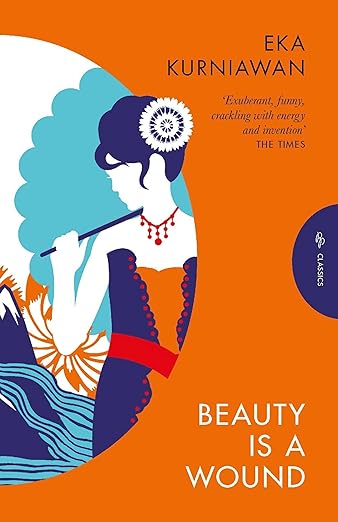
    Beauty is a wound
    Cantik Itu Luka
    Eka Kurniawan, 2002
    480 pages
    Read 2024.4
    check on amazon.com

    🔽 Book review and notes 🔽
    It IS a book full of violence, love and curse of the beauty.
    A great storytelling, of drama, an epic, of strong beautiful women who are, as it always happens, cursed by their men.

    One day the town’s dead prostitute comes back to life see her daughters.
    She cannot leave this life until she sees them, especially the ugly one, who is leading a happy life, because the outer beauty is nothing but a wound, wound that cannot be healed.

    Survived the colonial past and the invasions, their story and history are so unique that this book could have only emerged from Indonesia.
    The mixture of history and race, religions and politics and power, and abuse of all above. Full of stories, my first Indonesian novel, and an epic.

    🔽 Where to buy 🔽

    ●●● Amazon.com (US) ●●●

    Beauty Is a Wound

    ●●● Amazon.co.uk (UK) ●●●
    Beauty is a Wound (Pushkin Press Classics)

    ●●● Amazon.it (Italy) ●●●
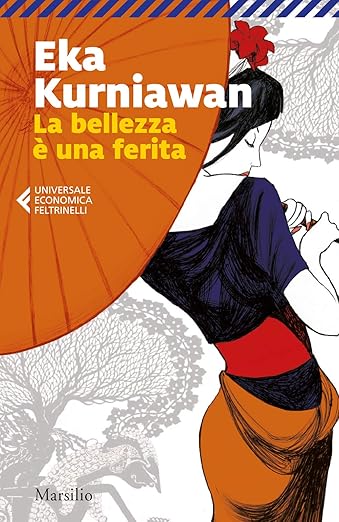
    La bellezza è una ferita
    La bellezza è una ferita (Italiano)

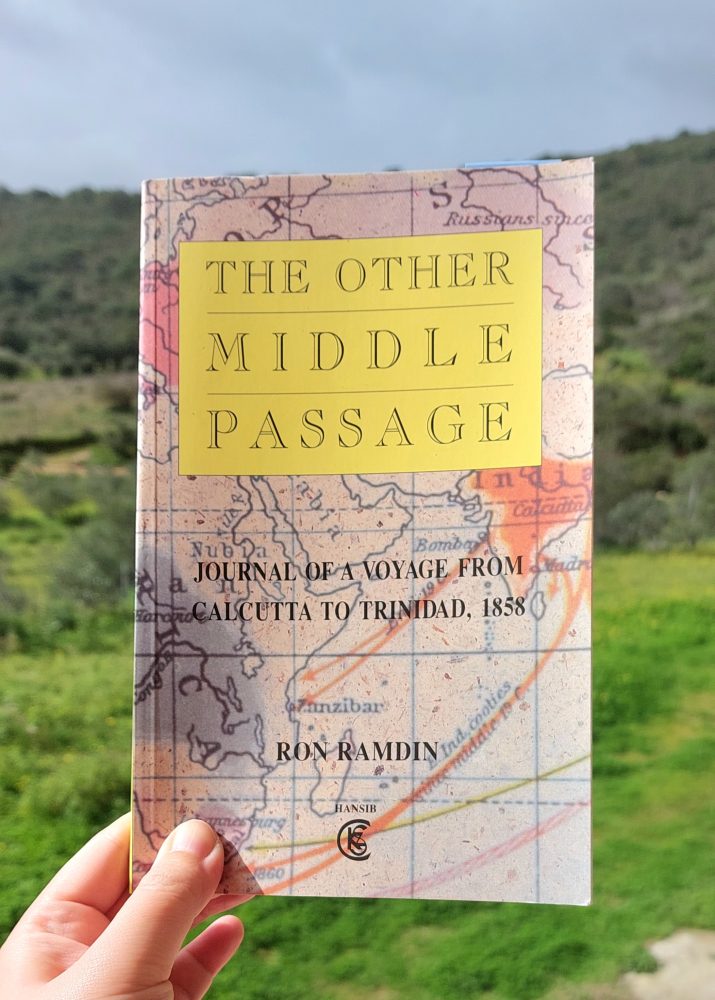
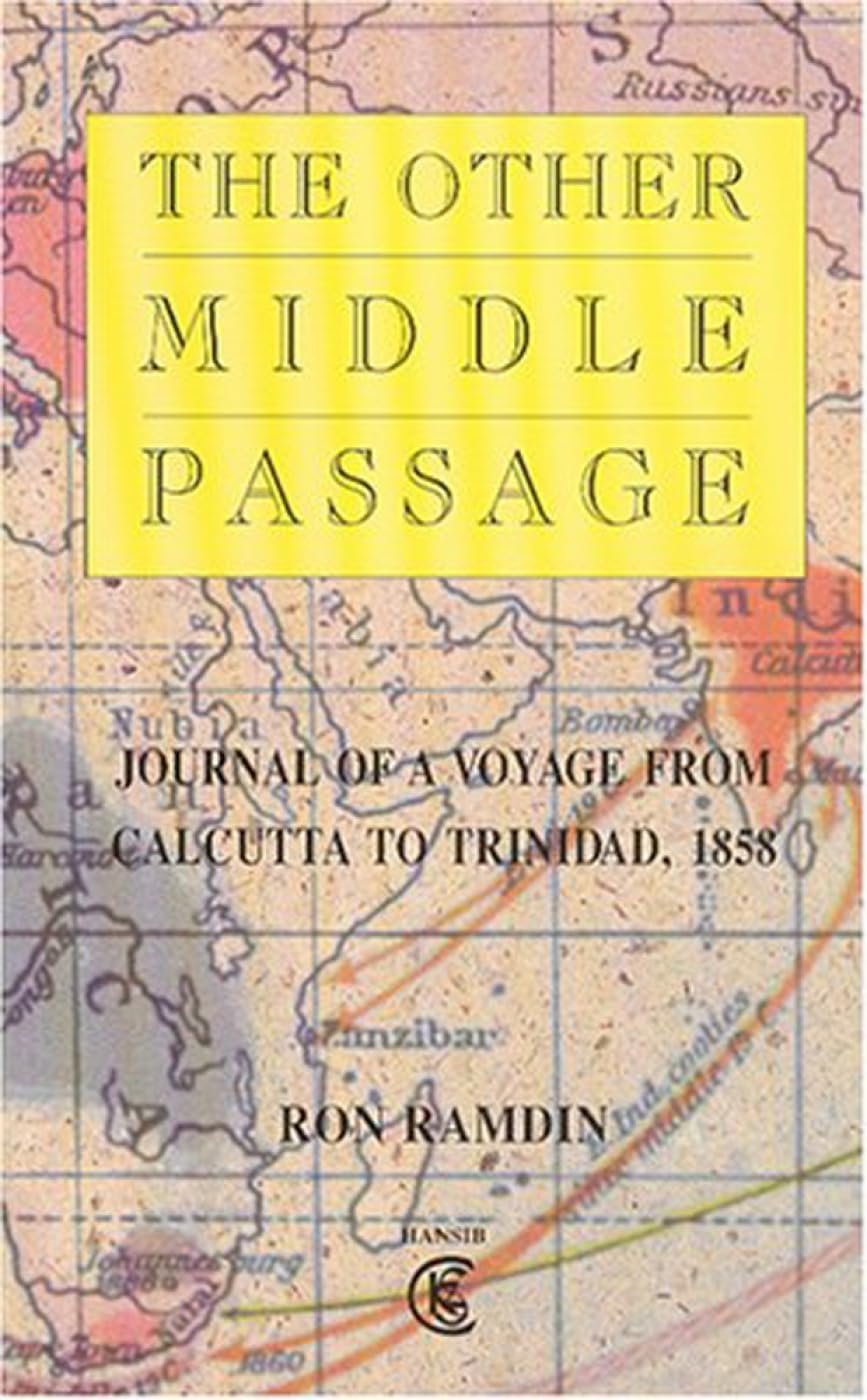
  • “The Other Middle Passage” Ron Ramdin, (1994) Review | Another slave trade

    “The Other Middle Passage” Ron Ramdin, (1994) Review | Another slave trade

    ★★★★★ Though the slavery from Africa was by then banned the labour was much needed in the Caribbean. Written by a friend who is a descendent. Slave trade has only changes the name.
    🔽 log 🔽
    The Other Middle Passage:
    Journal of a Voyage From Calcutta to Trinidad 1858
    Ron Ramdin, 1994
    62 pages
    Read in 2020.06
    check on amazon.com
    🔽 Book review and notes 🔽
    
    Written by a friend, who himself is a descendent of the emigrant of Coolie Trade, the system established by Europe after abolishing the Slave Trade, though they are very similar.
    
    The first part is written by Ron to introduce the background and go through the conditions of these journeys that the Indian emigrants had to make were.
    He focuses on this particular ship that lost 124 lives out of 324 during the 108 day journey in 1858. 
    
    Though the slavery from Africa was by then banned the labour was much needed in the Caribbean, so it continue to be a very important "trade", to eradicate the freedom from fellow human beings and the Europe solely focused on the profit.
    
    And the second part is the actual journal and writing from his wife. Every day somebody died. 
    Not a surprise for anyone, as the physical conditions and the distress made them prone to be sick and eventually die.
     
    If you are interested in getting a copy, I might be able to help as they are not easily available.
    
    🔽 Where to buy / Summary and more info 🔽

    ●●● Amazon.com (US) ●●●
    The Other Middle Passage: Journal of a Voyage From Calcutta to Trinidad 1858
    The Other Middle Passage: Journal of a Voyage from Calcutta to Trinidad, 1858


    ●●● Amazon.co.uk (UK) ●●●
    The Other Middle Passage: Journal of a Voyage from Calcutta to Trinidad, 1858 (Coolie Odyssey)

    ●●● Amazon.it (Italy) ●●●
    --

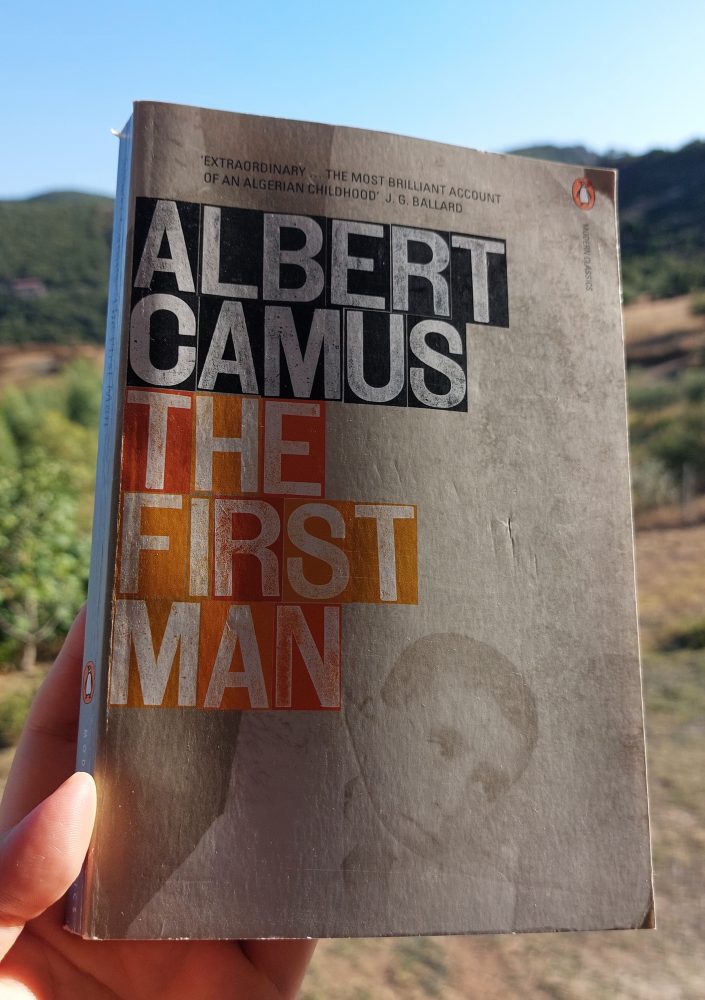
  • “The First Man” Albert Camus, (1994 /1960) Review | Half biography fully touching

    “The First Man” Albert Camus, (1994 /1960) Review | Half biography fully touching

    ★★★★★ Incomplete work published decades after his death in 1960. It's half his biography half a novel and is fully touching. 


    🔽 log 🔽
    The First Man
    Albert Camus 1994 (1960)
    Le Premier homme
    282 pages
    Read 2024.5
    check on amazon.com


    🔽 Book review and notes 🔽
    It’s the 70s American wild wild west hippy “comic” – not my cup of tea.
    Incomplete work published decades after it was found at his death in 1960.
    It’s half his biography half a novel  and is truly touching.

    It talks about the life in poverty in Algiers but it’s full of love for those he was close, his mother, grandmother, uncle, friend and teacher.
    Without father and without tradition, split between France and Algeria, living in the poverty, there was nobody to rely on, nobody to teach him about life, other than how to survive in the poverty, until, he met his teacher at the elementary school.

    How sometimes in life, people connected not by blood but pure love can raise you.
    This section of the teacher is the most moving.
    Then as he grows older, it abruptly ends where he is in love.
    True, this could have been a masterpiece.

    🔽 Where to buy 🔽

    ●●● Amazon.com (US) ●●●

    The First Man


    ●●● Amazon.co.uk (UK) ●●●
    The First Man (Penguin Modern Classics)

    ●●● Amazon.it (Italy) ●●●
    Il primo uomo (Italiano)

  • “Chasing a blazing fire in the Himalayas” Anmol Mukhia, 2020 Review | History of Kalimpong’s Christianity

    “Chasing a blazing fire in the Himalayas” Anmol Mukhia, 2020 Review | History of Kalimpong’s Christianity

    ★★☆☆☆ It was interesting for the first half, exactly what I hoped, about Kalimpong and its history. Then, it gradually changes the tone and he starts to preach.  
    

    🔽 log 🔽
    Chasing a blazing fire in the Himalayas
    A brief sketch of the (un)noticed Kalimpong Pentecostal revival
    Anmol Mukhia, 2020
    146 pages
    Read 2024.5
    check on amazon.com

    🔽 Book review and notes 🔽
    It was interesting for the first half, exactly what I hoped. (Though I didn’t really know when I bought it)
    It actually talks about the history and the background of the Christianity in Kalimpong and the area.
    Then, it gradually changes the tone and he starts to preach.
    The conclusion chapter has nothing to do with Kalimpong but just how to be a good Christian.
    Not what it says on the tin, I skipped through towards the end.

    🔽 Where to buy 🔽

    ●●● Amazon.com (US) ●●●
    Chasing A Blazing Fire In The Himalayas

    ●●● Amazon.co.uk (UK) ●●●
    Chasing A Blazing Fire In The Himalayas

    ●●● Amazon.it (Italy) ●●●
    --
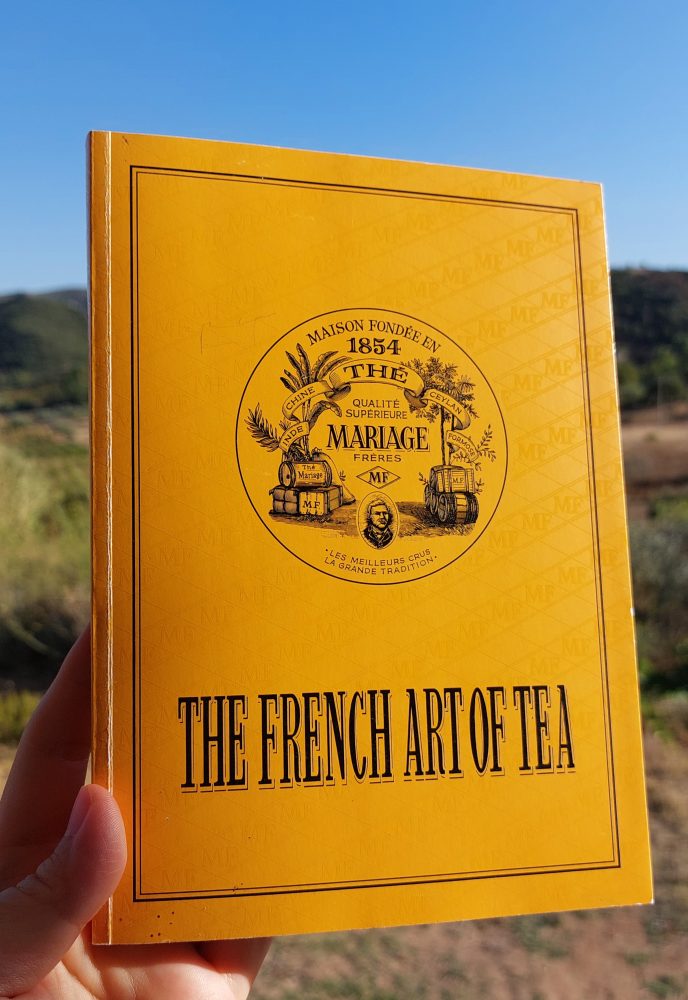
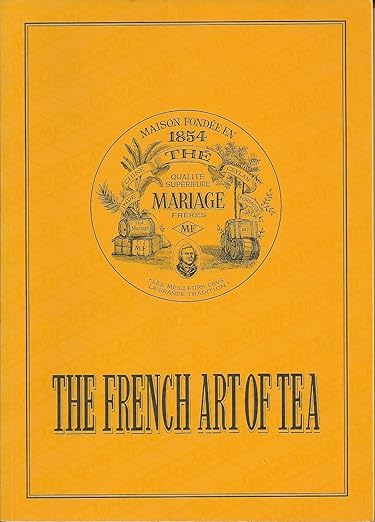
  • “The French art of tea” Mariage Frères (2006) Review | History and catalogue

    “The French art of tea” Mariage Frères (2006) Review | History and catalogue

    ★★★☆☆ A bit of history, tradition and geography of tea. Interesting aspect from French to see what they value in tea. Then the rest is their catalogue with brief explanations. Full on Orientalism.
    
    
    🔽 log 🔽
    The French art of tea
    Mariage Frères, 2006
    L’Art Français du Thé
    104 pages
    Read 2024.6
    check on amazon.com

    🔽 Book review and notes 🔽
    Just a bit of history, tradition and geography of tea, which sometimes is incorrect (like, we use chunky steel pot for tea) but interesting aspect from French to see what they value in tea, that is, its colonial history and its fanciness. (Box of tea can be carried by native youths because the road is narrow and steep, etc.)
    Full on Orientalism.
    I do buy the tea but their selling point is the fanciness and Orientalism so maybe that's just how it is.

    Then the rest is their catalogue with brief explanations.

    🔽 Where to buy 🔽

    ●●● Amazon.com (US) ●●●

    The French Art of Tea


    ●●● Amazon.co.uk (UK) ●●●
    The French Art of Tea

    ●●● Amazon.it (Italy) ●●●
    The French Art of Tea

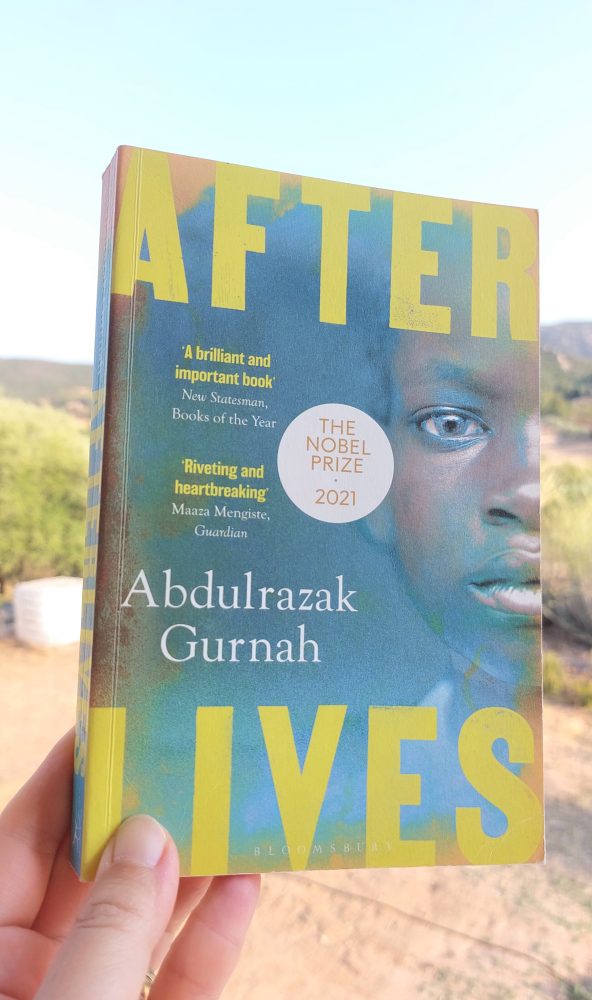
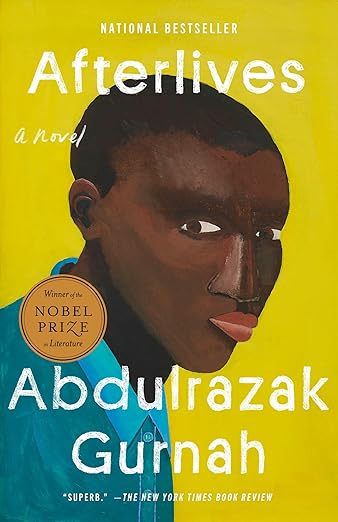
  • “Afterlives” Abdulrazak Gurnah (2020) Review | A beautiful story told in a cruel and violent environment

    “Afterlives” Abdulrazak Gurnah (2020) Review | A beautiful story told in a cruel and violent environment

    ★★★★★ A beautiful story told in a cruel and violent environment; war and colonisation. They must cling to little happiness or sadness that are their own. By a Nobel prize winner.


    🔽 log 🔽
    Afterlives
    Abdulrazak Gurnah, 2020
    288 pages
    Read 2024.7
    check on amazon.com

    🔽 Book review and notes 🔽
    A beautiful story told in a cruel and violent environment; war and colonisation.

    It's a reminder that people's loves get messed up by the external horrible business of war, like African lives affected by wars that are happening in Europe, "nothing to do with us"
    But importantly, their lives can continue they can have little happiness or sadness that are their own, they must cling to them.
    And a little magical and personal relationships with the coloniser and colonised makes the story hopeful, despite the violence that's surrounding them.

    BY THE WINNER OF THE 2021 NOBEL PRIZE IN LITERATURE

    🔽 Where to buy 🔽

    ●●● Amazon.com (US) ●●●

    Afterlives: A Novel


    ●●● Amazon.co.uk (UK) ●●●
    Afterlives: By the winner of the Nobel Prize in Literature 2021

    ●●● Amazon.it (Italy) ●●●
    Afterlives: By the winner of the Nobel Prize in Literature 2021
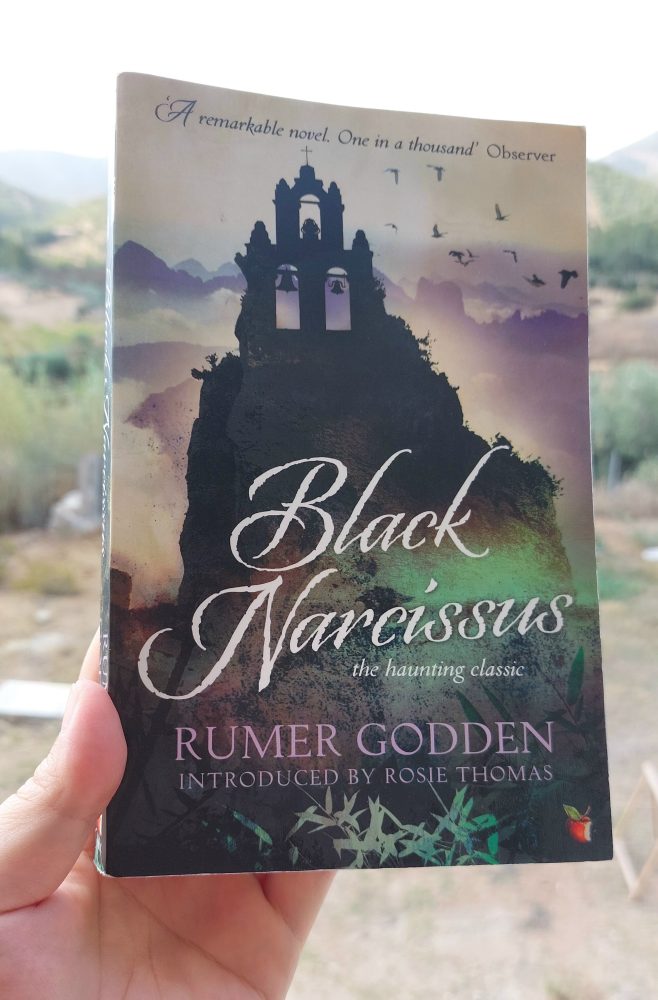
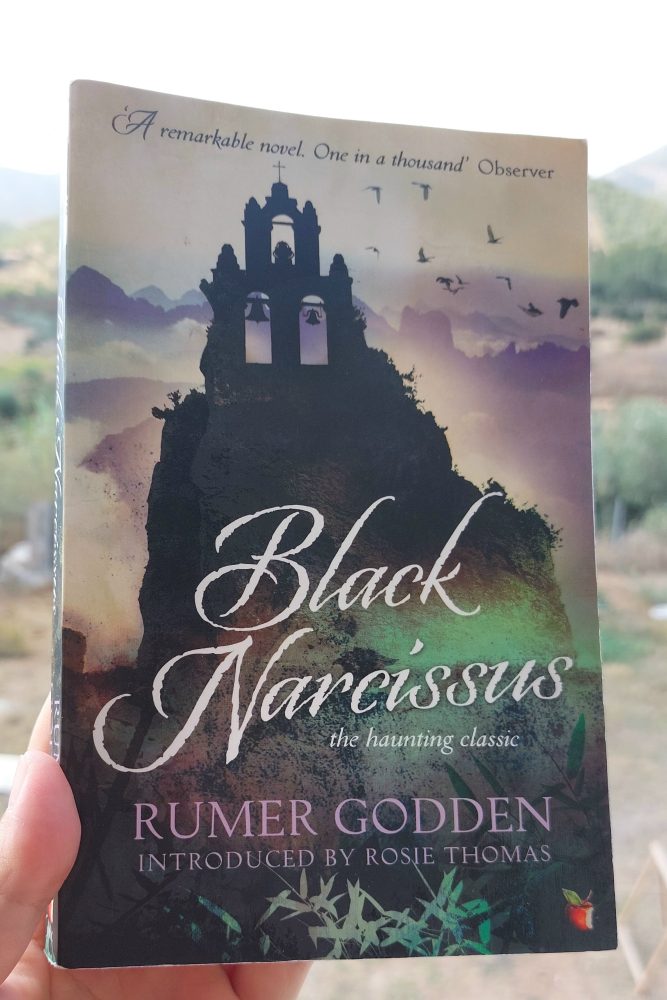
  • “Black Narcissus” Rumer Godden (1939) Review | Nuns slowly go mad

    “Black Narcissus” Rumer Godden (1939) Review | Nuns slowly go mad

    ★★★★★ Nuns with good intentions in the isolated hills out of Darjeeling, which used to be a harem. If that doesn’t promise the hysteria and darkness. As expected they slowly went mad.


    🔽 log 🔽
    Black Narcissus
    Rumer Godden, 1939
    258 pages
    Read 2024.8
    check on amazon.com

    🔽 Book review and notes 🔽
    Nuns with good intentions in the isolated hills out of Darjeeling, which used to be a harem.
    If that doesn't promise the hysteria and darkness, I don't know what does.
    As expected they slowly went mad.

    It's in a way stereotypical, how can they dare to go out to someone else's back garden to preach, when the locals have been living perfectly fine.
    How could the women, with different tempers expect to live peacefully, when they're not welcome.

    It's the dark side of living in Darjeeling hills, as the young General said, people go mad when they stay too close to the mountain Kanchenjunga, God.

    Sexual tensions, the struggle between white supremacy and Christian philanthropy, the end of British Empire.
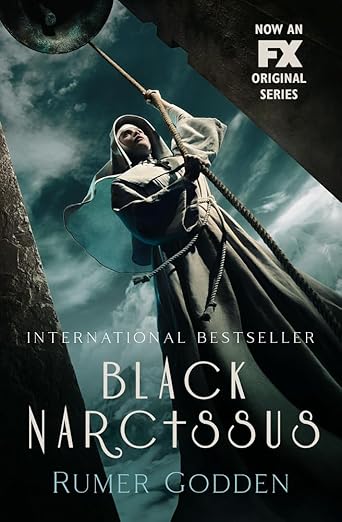
    And it did make it into a rather successful film and series.
    In the final days of the Imperial rule, some British also thought it was good and made a film out of it, too. I must watch it.

    🔽 Where to buy 🔽

    ●●● Amazon.com (US) ●●●

    Black Narcissus: A Novel


    ●●● Amazon.co.uk (UK) ●●●
    Black Narcissus: Now a haunting BBC drama starring Gemma Arterton (Virago Modern Classics Book 158)

    ●●● Amazon.it (Italy) ●●●
    Narciso nero (Italiano)
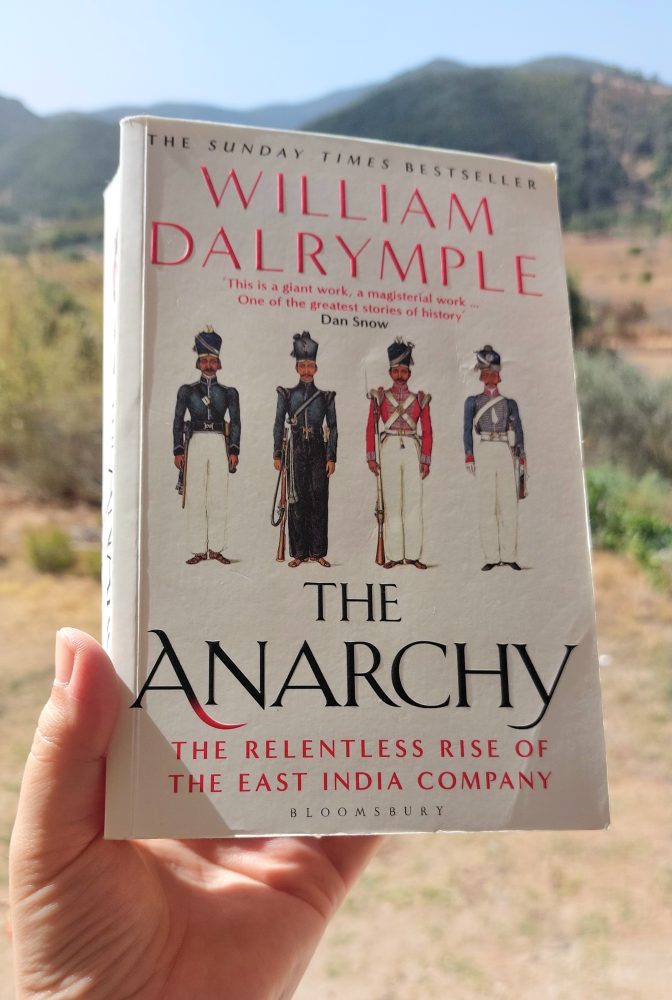
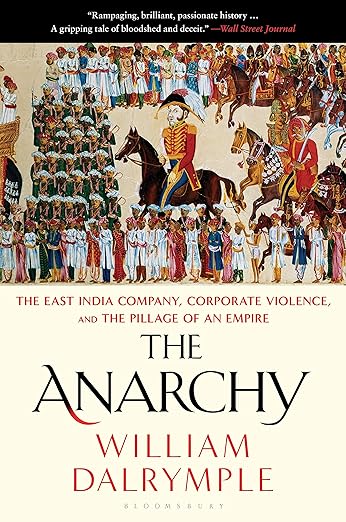
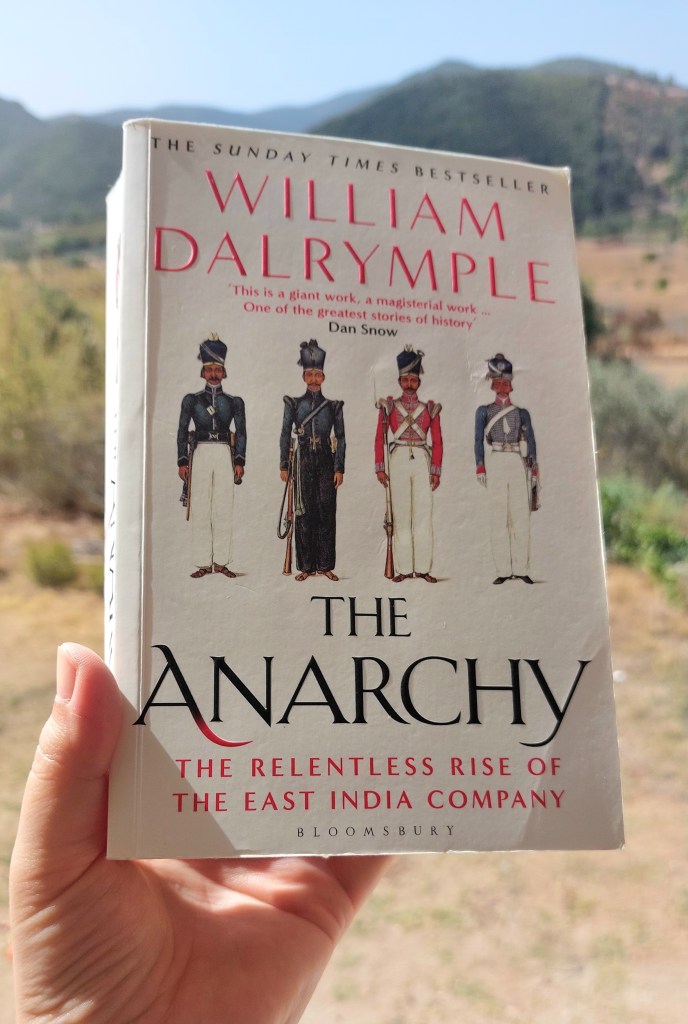
  • “The Anarchy” William Dalrymple(2019) Review | A gang of thugs

    “The Anarchy” William Dalrymple(2019) Review | A gang of thugs

    ★★★★★+♥  Why was the East India Company so successful? Well, because they were disrespectful, aggressive, opportunist, deceitful and selfish gang of thugs. The book is such a cultural heritage not only because it’s insightful but also passionate and humane.

    🔽 log 🔽
    The Anarchy
    The relentless rise of East India Company
    William Dalrymple, 2019
    576 pages
    Read 2024.08
    check on amazon.com

    🔽 Book review and notes 🔽
    A great book, definitely the top, the best.
    It’s the topic I’ve always been interested in; how in the world could small England colonise India, a great power?

    So is it like, Mughal Empire was a lion, and EIC a hyena?
    A handful of gang, a mob, disrespectful, aggressive, opportunist, deceitful and selfish, who only thought of making quick money, took the gamble for their own profit.
    They were hardly truthful to their employer, government or Crown either.
    But East India Company was too big to fall, Britain was too dependent on the wealth India brought, so they nationalised it, and took over what EIC had, ie the power over the subcontinent, the start of the British India.

    History is definitely more interesting and exciting than fiction here, the facts are fascinating but then you have Mr Dalrymple writing about it with his compassion, passion and humane sensibility, it becomes such a force, it’s so powerful, and utterly important.

    This careful yet brave book focuses on the fall of Mughal Empire and how EIC took all the opportunities with aggression and lies, because that is what it was, and it’s hardly to do with the ability of EIC as merchants.
    It contains endless anecdotes and references taken from the writing of the time that had been buried in the cluster of materials in India, so they are the facts that we were never aware of.
    And facts are scary, truth hurts, historical facts almost always hurt Britain.
    No wonder, sadly, some people don’t like Dalrymple’s books, history hurts them.

    One particularly interesting character that I didn’t know about was Warren Hastings who loved and cared about India, unusual for EIC employee but had nasty enemies.

    Again a great book, I’d even go as far as saying an important cultural treasure, and an instant classic.

    🔽 Where to buy 🔽

    ●●● Amazon.com (US) ●●●

    The Anarchy


    ●●● Amazon.co.uk (UK) ●●●
    The Anarchy: The Relentless Rise of the East India Company

    ●●● Amazon.it (Italy) ●●●
    Anarchia. L'inarrestabile ascesa della Compagnia delle Indie Orientali (Italiano)
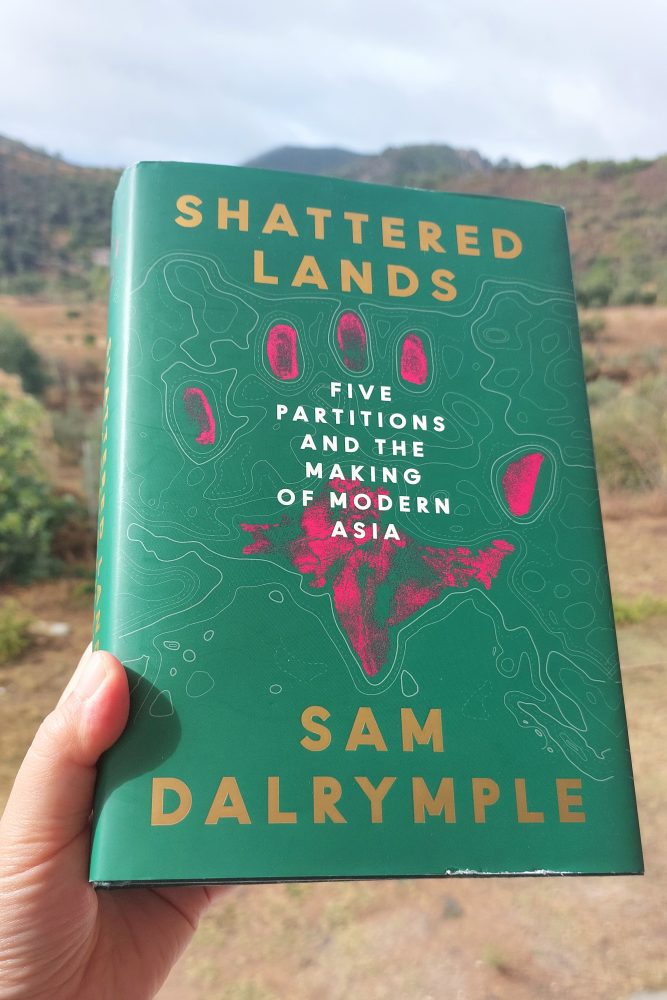
  • “Shattered Lands” Sam Dalrymple (2025) Review | Making of new Asia

    “Shattered Lands” Sam Dalrymple (2025) Review | Making of new Asia

    ★★★★★  5 Partitions, not just one. From Yemen to Myanmar, The British India was one entity where cosmopolitan people had lived in a sort of harmony. An important history that was until now “forgotten”, and an important book.


    🔽 log 🔽
    Shattered Lands
    Five Partitions and the Making of Modern Asia
    Sam Dalrymple, 2025
    UK
    528 pages
    Read 2025.09
    check on amazon.com


    🔽 Book review and notes 🔽
    A great book on the topic that is shamefully unknown to a lot of us, even though it's not so long time ago and even though it totally shaped Asia today.
    All the problems in Asia that we see on the news today are not simply because the local people are "naturally" violent, of course not, there is always a cause.

    And the cause is, this. The British Empire had ruled and gained much from the British India and local Princely States (so very wide, from modern day Yemen to Burma, to Qatar. Qatar! And British Empire had 25% of the world population back then) until one day they couldn't financially support it so they dropped the ball, without thinking of the very probable consequences, namely, the shattered lands and shattered people.

    The book carefully follows 5 Partitions, rather than only the more widely known THE Partition between today's India and Pakistan.
    Myanmar, Arabian peninsula, India-Pakistan, Princely States, and Bangladesh.
    People like me who knew so little would be surprised at how everything fell apart quickly, and be utterly shocked how millions of people crossed newly drawn borders each time. And every one experienced some horror; the violence, looting, rape, and many killing.
    The consequences of the relocation, the migration, and of course of refugees like Rohingya people still remains as huge problems. 


    Stereotypically, British officers’ works were full of lies and betrayals, their selfishness with their strong interesting in keeping their hands clean.
    As a predicable result, people who lived in cosmopolitan societies, were suddenly put in various corners of Shattered Lands, and they turned against their neighbours because they now became their enemies.

    What got me thinking most throughout my reading was how pre Partitions era things were more secular, and as the lands got divided it firmly became a matter of religions and ethnicity, it was all about nationalism, of the new nations that were born out of the shattered lands – again and again in the each phase of the Partitions.
    Not that the colonisation era was good, but you cannot stop wondering, if we now want to end the fighting in Asia would we have to eliminate the notions of religion and ethnicity?
    Letting go of the sense of community or tradition? The peace of mind it provides?
    Is it really a dangerous thing to have a tradition?

    I heard somewhere that people who experienced the Partitions, probably just like our grandfathers in Japan who were sent to the war, have preferred to keep quiet.
    They chose to take the horror, errors and shame to their graves, and their children also kind of hesitated to insist.
    However, now that it’s their grandchildren’s generation, things are now becoming uncovered and dusted off because they are finally opening their mouths to tell us.
    And this might be one of the reasons why this book is written now at this moment in time, by this brilliant author who is in his 20s, and this is one of the reason this book will remain in the history to come.

    The book has great details with wonderful storytelling skills, and most notably it has the marvelous sense of humanity, just like his father, Sam Dalrymple is such a humane human full of compassion and passion, with giggles – but he is already on his own feet, and how exciting is it that two Dalrymples are on the chart? Very.

    🔽 Where to buy 🔽

    ●●● Amazon.com (US) ●●●

    Shattered Lands: Five Partitions and the Making of Modern Asia


    ●●● Amazon.co.uk (UK) ●●●
    Shattered Lands: INTERNATIONALLY BESTSELLING AND PRIZE SHORTLISTED NEW HISTORY OF FIVE PARTITIONS AND THE RESHAPING OF MODERN ASIA

    ●●● Amazon.it (Italy) ●●●
    Shattered Lands: INTERNATIONALLY BESTSELLING AND PRIZE SHORTLISTED NEW HISTORY OF FIVE PARTITIONS AND THE RESHAPING OF MODERN ASIA
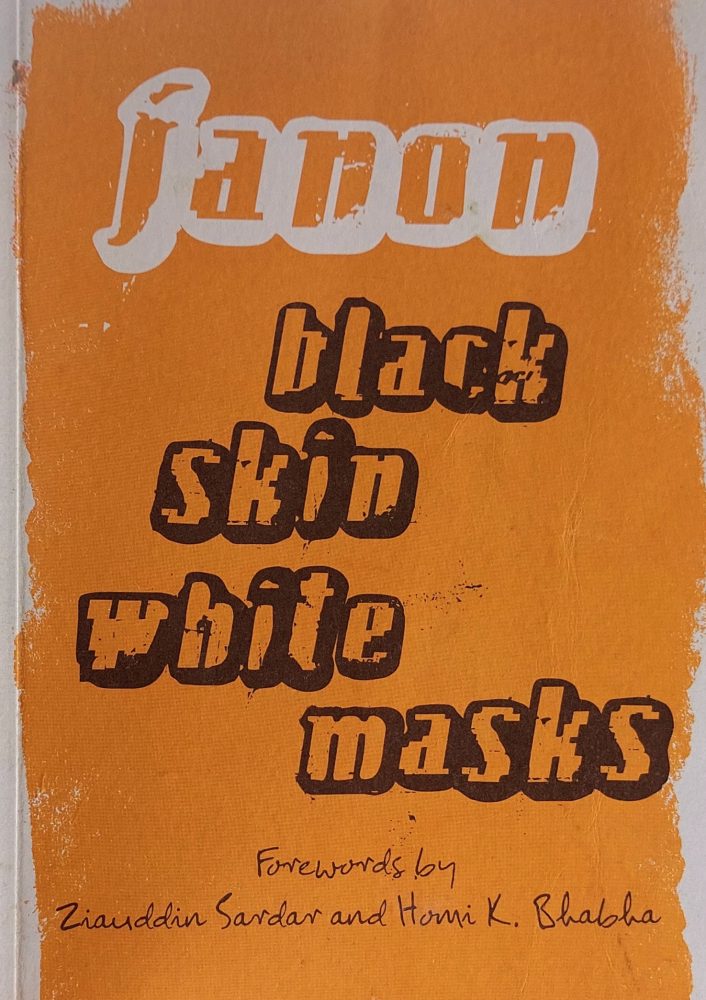
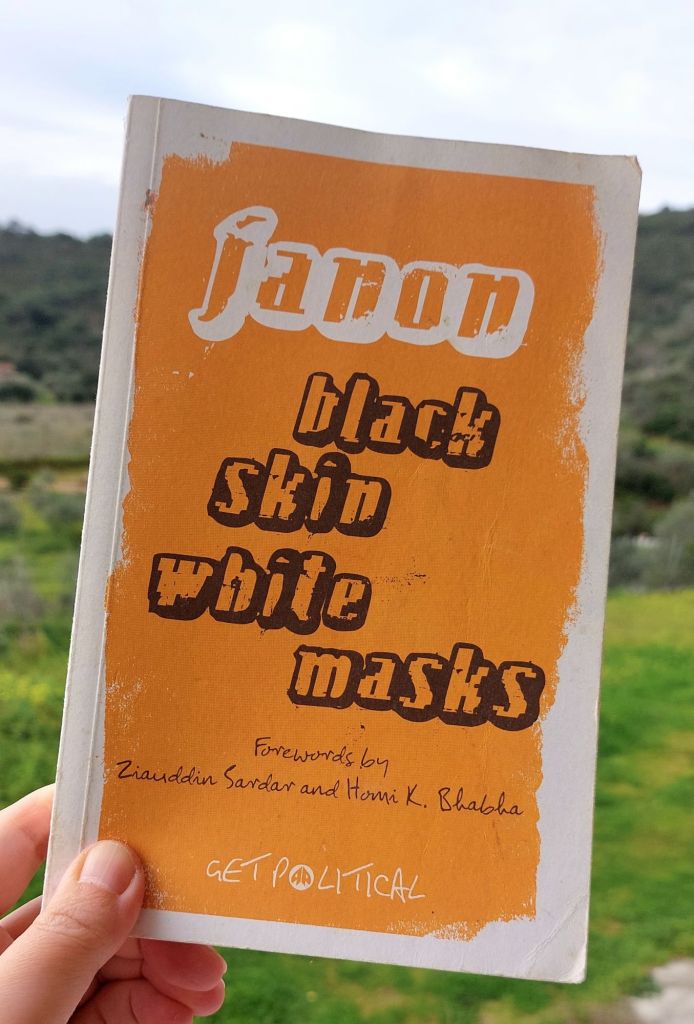
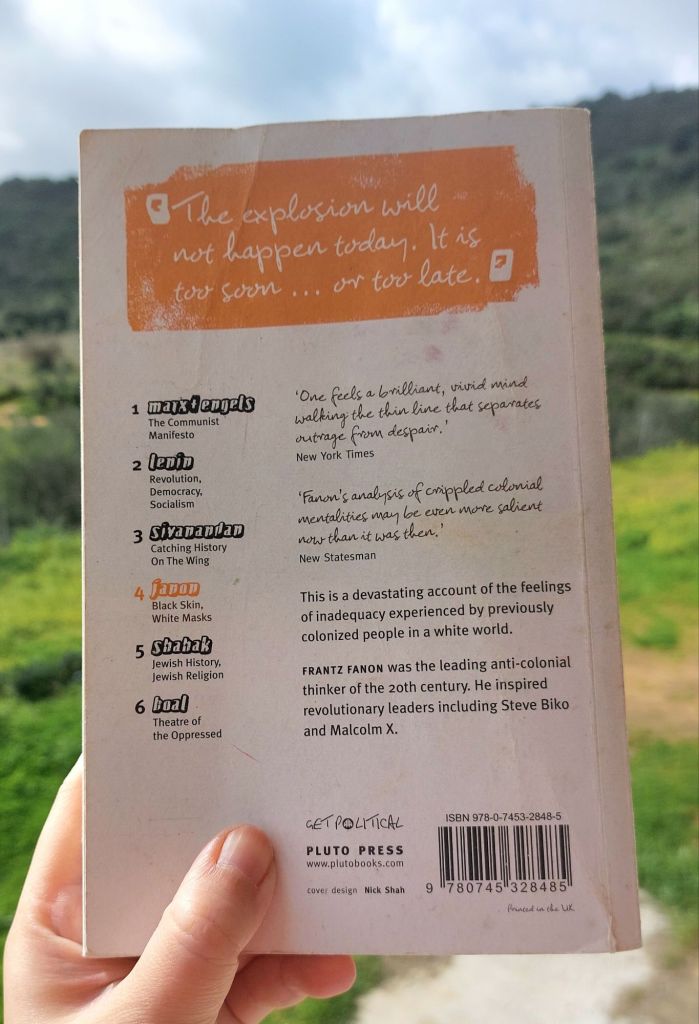
  • “Black Skin, White Masks” Frantz Fanon (1952) Review | Racism and its complexity

    “Black Skin, White Masks” Frantz Fanon (1952) Review | Racism and its complexity

    ★★★★★ What does it mean to have black skin and live as if you were a white? Or better, live wanting to be white, eternally? Today the racism is regarded with contempt. But are we free?

    🔽 log 🔽
    Black skin white masks
    Frantz Fanon, 1952
    Peau noire, masques blancs
    224 pages
    Read in 2020.05
    check on amazon.com
    🔽 Book review and notes 🔽

    The classic on postcolonial psychology.
    What does it mean to have black skin and live as if you were a white?
    Or better, live wanting to be white, eternally?

    Fanon is a psychiatrist, he deals with unconscious, that is, a suppressed desire, that is, sexual desire /fear.
    A black person becomes black only when he encounters the white world and the white world equals the colonisation.
    The black will always have to live in denial or at best reactionary. And the white will always have to live in fear of the image they collectively created - primitive black, who is always more sexually potent.
    Because any phobia is actually an anxious fear, he suggests that a racist person has, deep inside, a desire to be invaded.

    Another interesting point was that he talks of French only, for the slaves did not win their freedom through struggles with their blood, it was given by the kind white masters.

    To a certain extent it can be said to people of other ethnicity, that as long as we live in the West we are conscious of the colour of skin, and the white remains the absolute superiority.
    But, Japan was not colonised by the white.
    The colour of our skin doesn't immediately remind them of sin.

    The colour black constantly appears in the white culture as evil, and it's thus collectively imagined as evil.

    He concludes saying that he would refuse to be colonised by the colonisation, and the black must be free from the inferior complex and the white from the superior complex, it must be both ways.

    It was written over 70 years ago.
    Today the inter-racial communications and relationships have become normal, and the racism is regarded with contempt.
    But are we free?
    Fanon was fully aware, that his intellectual discoveries will not make the life of 8 year old boy in cane field any easier.
    For there are issues in different levels, those of middle class living in the West, and those who are facing the very survival.

    It's complex, we might not find a way to truly free ourselves. But we should not look down, keep questioning, and reading this book is a path.
    🔽 Related pages 🔽
    Orientalism
    🔽 Where to buy / Summary and more info 🔽

    ●●● Amazon.com (US) ●●●
    Black Skin, White Masks
    Black Skin, White Masks


    ●●● Amazon.co.uk (UK) ●●●
    Black Skin, White Masks (Penguin Modern Classics)

    ●●● Amazon.it (Italy) ●●●
    Pelle nera, maschere bianche
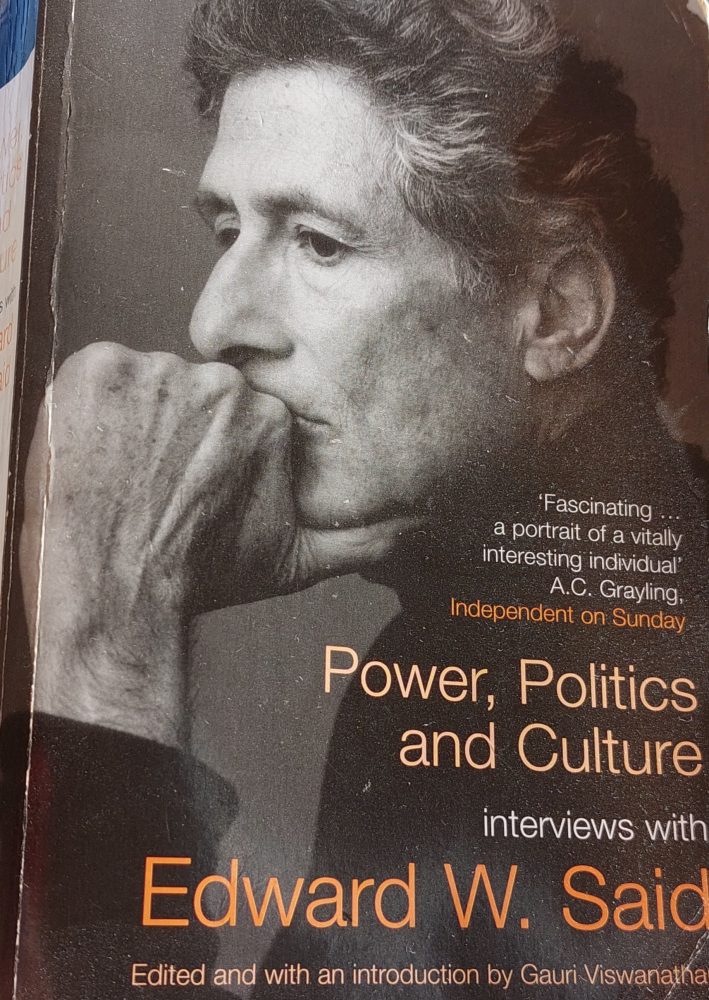
  • “Power, Politics and Culture, Interviews with Edward W. Said” (2001) Review | Coexist

    “Power, Politics and Culture, Interviews with Edward W. Said” (2001) Review | Coexist

    ★★★★★ A Palestinian academic in the US, prof. Said. Many admire and are inspired by his passionate humanism. The second half is about political conversations. Two state solution. Geography rather than history or myth. So we should and can coexist.


    🔽 log 🔽
    Power, Politics and Culture
    Interviews with Edward W. Said, 2001
    US
    512 pages
    Read 2024.11
    check on amazon.com


    🔽 Book review and notes 🔽

    Collection of interviews with 2 sections, first focuses on arts and culture, about literature, music or arts, then the second is more political.

    I must be honest, the first part was difficult as I have little knowledge in the field, but the second part is something very, very real to us, who doesn't see what's going on in Gaza?
    "They can't possibly eliminate us all" - what he and many thought impossible is happening today.
    Genocide of Palestinians was out of question for anyone with common sense, yet, it's happening.

    He calls himself an incurable optimist.
    Some consider him an enemy or a terrorist.
    Many admire and are inspired by his passionate humanism.

    He was not an advocate for Islam, and was not rejecting the right of Jews.
    What is clear and consistent is that he was interested in coexistence of contradictories, he detested the idea of "pure" he dismissed the myth and focused on the lives of people now.
    Geography rather than history or myth. Two state solution.
    He knows that people are more complicated than we seem, exactly as he argues in Orientalism where the Other is depicted in a simplified way, that is simply not true.
    No, we are human, we live, we are complicated, and we must try.

    The curse of the powerful U.S. is that it hates to admit the mistakes and misunderstanding of the past.
    Rather than admitting their error they keep on depicting Arab as terrorist, probably as long as they physically can, because, as we all know, it brings a lot of money to a few in the US.

    It's been more than 20 years since his death, since we lost the lighthouse of compassion and common sense.
    He said, "Israel can't keep on kicking us, they have to admit we exist, not like they can kill off all Palestinians", well, the unimaginable is happening in front of our eyes.
    Can't we hear the voices of calm and humane intellectuals any more?
    Of common sense?

    🔽 Where to buy 🔽

    ●●● Amazon.com (US) ●●●

    Power, Politics, and Culture: Interviews with Edward W. Said


    ●●● Amazon.co.uk (UK) ●●●
    Power, Politics, and Culture: Interviews with Edward W. Said

    ●●● Amazon.it (Italy) ●●●
    --

  • “How to argue with a racist” Adam Rutherford (2020) Review | Facts are facts

    “How to argue with a racist” Adam Rutherford (2020) Review | Facts are facts

    ★★★★★ How racism doesn’t make sense scientifically. The author is enjoying seeing racists defeated by the truth. But it is important to keep saying the truth, sharing the truth.

    🔽 log 🔽
    How to argue with a racist
    Adam Rutherford, 2020
    224 pages
    Read 2023.01
    check on amazon.com


    🔽 Book review and notes 🔽
    A very interesting book about how racists don't make sense scientifically.

    His studies focus on genes, so he dismantles how races are not based on genetics (that it's not as simple as saying some one is scientifically different) and racism has no scientific backings, racists simply repeat the incorrect use of science or some outdated arguments that has no scientific evidence.

    Though it talks about difficult topics (DNA, genes, history and prehistory) it is incredibly easy to read, and entertaining.

    You can tell how the author is enjoying seeing racists defeated by the truth.
    But it is important to keep saying the truth, sharing the truth.
    There are people who are not informed well, who cling to comments that are lies but "feel good" to them, but they have the same right to at least know the truth.
    If we overlook it, as we saw in the U.S. we end up with a racist president who repeat his lies that are only convenient for his friends, and lies that his supporters feel good - and even more sadly the uninformed voters actually get nothing than temporary "feel-good".
    🔽 Where to buy / Summary and more info 🔽

    ●●● Amazon.com (US) ●●●

    How to Argue With a Racist: History, Science, Race and Reality


    ●●● Amazon.co.uk (UK) ●●●
    How to Argue With a Racist: History, Science, Race and Reality

    ●●● Amazon.it (Italy) ●●●
    Cosa rispondere a un razzista. Storia, scienza, razza e realtà (Italiano)

  • “Sikkim, Requiem for a Himalayan Kingdom” Andrew Duff (2015) Review | Fell in love with Sikkim

    “Sikkim, Requiem for a Himalayan Kingdom” Andrew Duff (2015) Review | Fell in love with Sikkim

    ★★★★★+♥️ The more I read the more I’m interested in Sikkim, and this is definitely the most thorough book to learn about the end of Sikkim, and of the king, chogyal. It makes you want to go there… again.

    🔽 log 🔽
    Sikkim
    Requiem for a Himalayan Kingdom
    Andrew Duff, 2015
    320 pages
    Read 2023.01
    check on amazon.com


    🔽 Book review and notes 🔽
    The history of the last few decades of the kingdom before it was annexed by India and the story of their last Chogyal, their last king, Thondup Namgyal.

    The more I read the more I'm interested in Sikkim, and this is definitely the most thorough book to learn about Sikkim.
    The author on the other hand, is Scottish who loved listening to his grandfather telling him about his journey to Sikkim when he was young.
    In 2009 he finally managed to get to Sikkim, and in a Buddhist temple near Pelling, he met a strange monk who gave him a book to read.
    The book was called Smash and Grab (my review here), the monk was Yongda who used to be the chogyal's Captain, and this is how his work has begun.
    Andrew Duff knew he had a story to tell. And I'm glad he did.

    From the 17th century Sikkim had been governed by a Tibetan king, Chyogal.
    It has borders with Tibet (with China behind), Bhutan, Nepal then India, so it's fortunately or unfortunately located in a strategically important place, as such, of course all the great powers were all over this tiny kingdom.
    During the British era, British called in Nepali to cultivate the land to boost economy, even though Nepal had been an enemy of Sikkim for centuries.
    The mass immigration meant that the ruling race, Tibetan, became the minority.
    Now, Britain has left India, and increasingly the last chogyal was vocally against Indian influence to maintain his kingdom independent.
    Sikkim was split in half, those who supported the chogyal and those who didn't, which was not an unobvious choice for the majority of Sikkimese who were Nepali origin.
    Was he only clinging to his personal power? His illusion? Was he unnecessarily influenced by his young American wife (Grace Kelly of the East)? Did he do his politics well? Did he had a choice?
    It's a fascinating book that goes deep inside the life of the last chogyal.

    All the essence of the Himalaya is here, between the big powers, India and China, and of course the British Empire, what could a tiny kingdom do?
    But it's also his very personal struggles of keeping him kingdom, of his young American wife.
    Many say he played his cards wrong, but actually, he had no chance of winning anyway against India.
    Sikkim remains to be a unique little bits of India.
    🔽 Where to buy / Summary and more info 🔽

    ●●● Amazon.com (US) ●●●

    Sikkim: Requiem for a Himalayan Kingdom


    ●●● Amazon.co.uk (UK) ●●●
    Sikkim: Requiem for a Himalayan Kingdom

    ●●● Amazon.it (Italy) ●●●
    Sikkim: Requiem for a Himalayan Kingdom [Lingua Inglese]
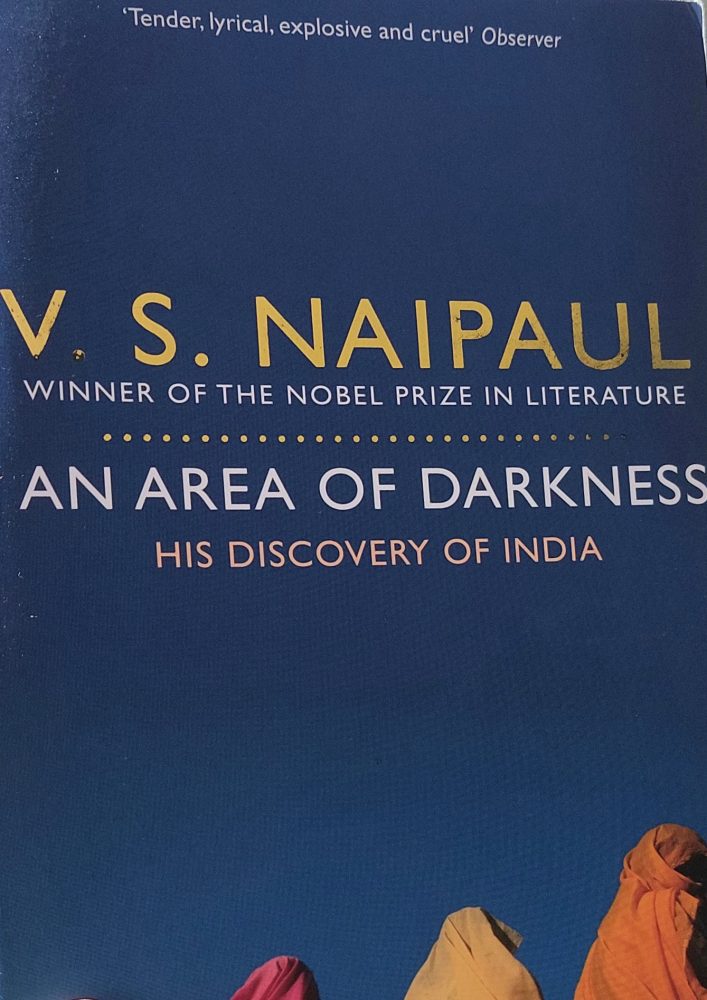
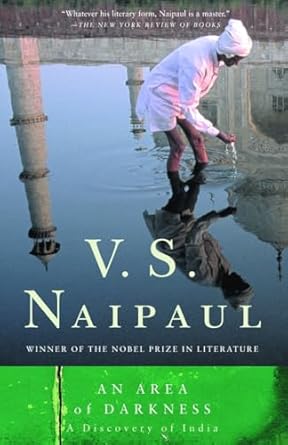
  • “An Area of Darkness” V. S. Naipaul (1964) Review | A slap in the face

    “An Area of Darkness” V. S. Naipaul (1964) Review | A slap in the face

    ★★★★☆  I thought it’d be a travel journey where he saw poverty in India, spiritual and mystic and all that. How wrong I was, it’s a book that gives a slap in the face of those who think it that way.


    🔽 log 🔽
    An Area of Darkness
    V. S. Naipaul, 1964
    Sir Vidiadhar Surajprasad Naipaul
    UK
    304 pages
    Read in 2023.08
    check on amazon.com

    🔽 Book review and notes 🔽

    I thought it would be a travel journey from Naipaul, a winner of Bookers and Nobel Prize, where he saw poverty in India, spiritual and mystic and all that.
    Well, I was completely wrong.

    It is more like a connection or a journey through himself, in the atmosphere of India.
    Not heard to imagine he was in some kind of depressed state, but his reactions are raw and cruel.
    He's not here to pretend that there's beauty in the poverty, as many Western travelers claim.
    Instead, he talks of the exploitation of the poverty, the filth of the poverty, of the blindness, or ignorance, of the endless corruption and of the excrement of all the negative things human.
    Not surprised it was banned in India, it puts off the Western people who want to see the mystic India.

    He had a pretty unpleasant visit to the village where his grandfather is from, that he's happy to dismiss, this story alone represent the sentiment.
    It's not the UK where he lives, not Trinidad where he's from, India is to him familiar yet very unfamiliar.
    It's definitely not a happy read, it's a slap in your hypocritical face that wishes to say the poverty is beauty, no it's a middle finger to anyone who says that. Brutally honest.
    No wonder he's not popular in India... at all.
    🔽 Where to buy / Summary and more info 🔽

    ●●● Amazon.com (US) ●●●

    An Area of Darkness: A Discovery of India


    ●●● Amazon.co.uk (UK) ●●●
    An Area of Darkness: His Discovery of India

    ●●● Amazon.it (Italy) ●●●
    Un'area di tenebra (Italiano)
  • “Anglo-Gurkha Relations” GL Rai-Zimmdar (2007) Review | Britain and Nepal

    “Anglo-Gurkha Relations” GL Rai-Zimmdar (2007) Review | Britain and Nepal

    ★★★☆☆ An interesting and original view on the matter of Nepal, its position between Britain and India. Make you realise how important Nepal has been in our history and how it’s been neglected.

    🔽 log 🔽
    Anglo-Gurkha Relations
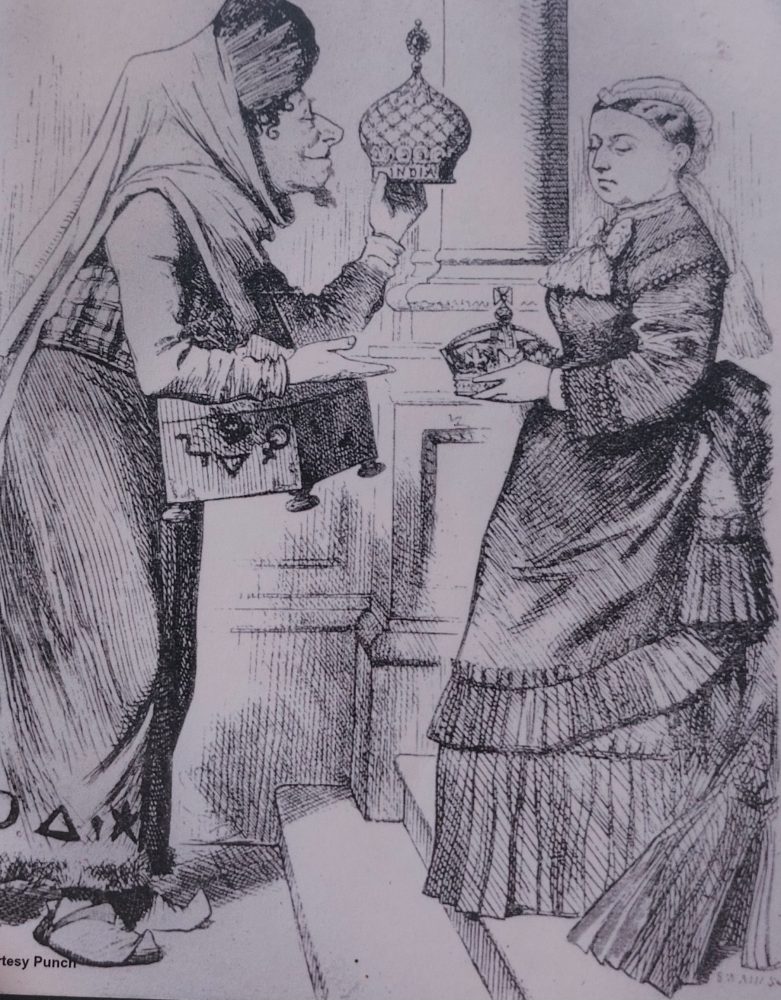
    Historical Account of how the Gurkhas Bestowed upon Queen Victoria the Gift of Indian Empire
    GL Rai-Zimmdar, 2007
    211 pages
    Read in 2023.12
    check on amazon.com

    🔽 Book review and notes 🔽

    Probably a self published book, but has an interesting and original view on the matter of Nepal, its position between Britain and India.
    The author seems to feel it a mission to correct previous historians' fake stories, or misunderstandings, so I should have known the general or previous understanding of Anglo-Gurkha relations to appreciate this book.

    This doesn't really teach you the general history Anglo-Gurkha Relations, but it does make you realise how important Nepal has been in our history and how it's been neglected.
    It claims that the world has been misled because of the strong Indian and British influences.
    I must find a regular history book on Nepal first.
    🔽 Where to buy / Summary and more info 🔽

    ●●● Amazon.com (US) ●●●

    Anglo-Gurkha Relations, New Edition: Historical Accounts of how the Gurkhas bestowed upon Queen Victoria the Gift of Indian Empire


    ●●● Amazon.co.uk (UK) ●●●
    Anglo-Gurkha Relations: Historical Account of how the Gurkhas Bestowed upon Queen Victoria the Gift of Indian Empire

    ●●● Amazon.it (Italy) ●●●
    --

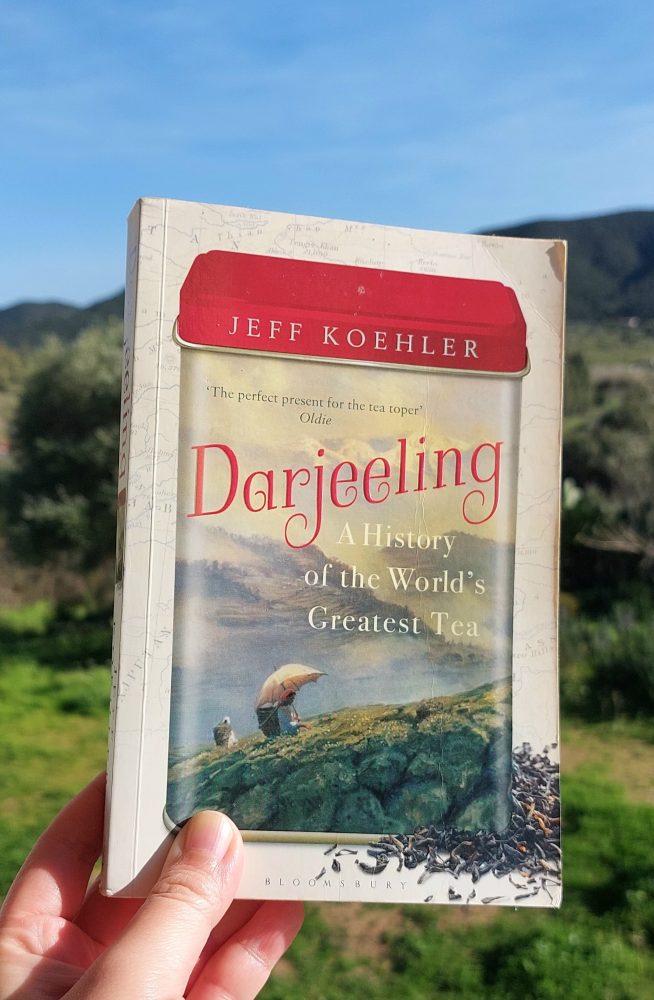
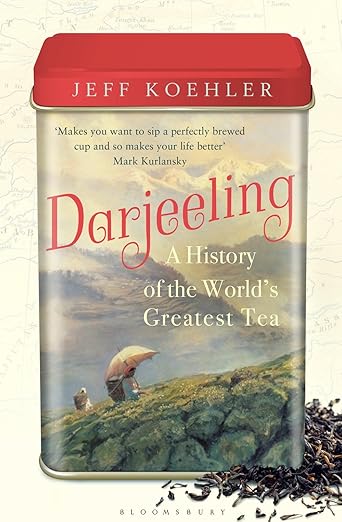
  • “Darjeeling: A History of the World’s Greatest Tea” Jeff Koehler (2015) Review | Colonial history and Darjeeling

    “Darjeeling: A History of the World’s Greatest Tea” Jeff Koehler (2015) Review | Colonial history and Darjeeling

    ★★★★★  This book talks about Darjeeling tea – history, the people, the owners and workers, the soil; its problems are as iconic as its taste. Darjeeling tea is iconic, that no other place could recreate, yet it’s stuck in its colonial history.


    🔽 log 🔽
    Darjeeling: A History of the World’s Greatest Tea
    Jeff Koehler, 2015
    286 pages
    Read in 2022.04
    check on amazon.com


    🔽 Book review and notes 🔽
    All about Darjeeling tea, in details. Extensively in details.

    It talks about all the background - history, the people (the owners and workers), the soil; the problems are as iconic as the taste.
    Darjeeling tea is iconic, that no other place could recreate, yet it's stuck in its colonial history.
    And it's entirely based on the exploitation.
    A painful fact is, a cup of Darjeeling tea could cost more than a day's wage of the plucker. It's located in such a unique bit of the planet, that living there alone is a hard job (access to water, heating).
    And also uniquely, unlike other iconic drinks like champagne or whiskey or even matcha, Darjeeling tea is not as appreciated in its own country, India.

    With all the problems, will people continue to drink Darjeeling tea?
    Will people continue to make Darjeeling tea?
    🔽 Where to buy / Summary and more info 🔽

    ●●● Amazon.com (US) ●●●

    Darjeeling: The Colorful History and Precarious Fate of the World's Greatest Tea


    ●●● Amazon.co.uk (UK) ●●●
    Darjeeling: A History of the World’s Greatest Tea

    ●●● Amazon.it (Italy) ●●●
    --
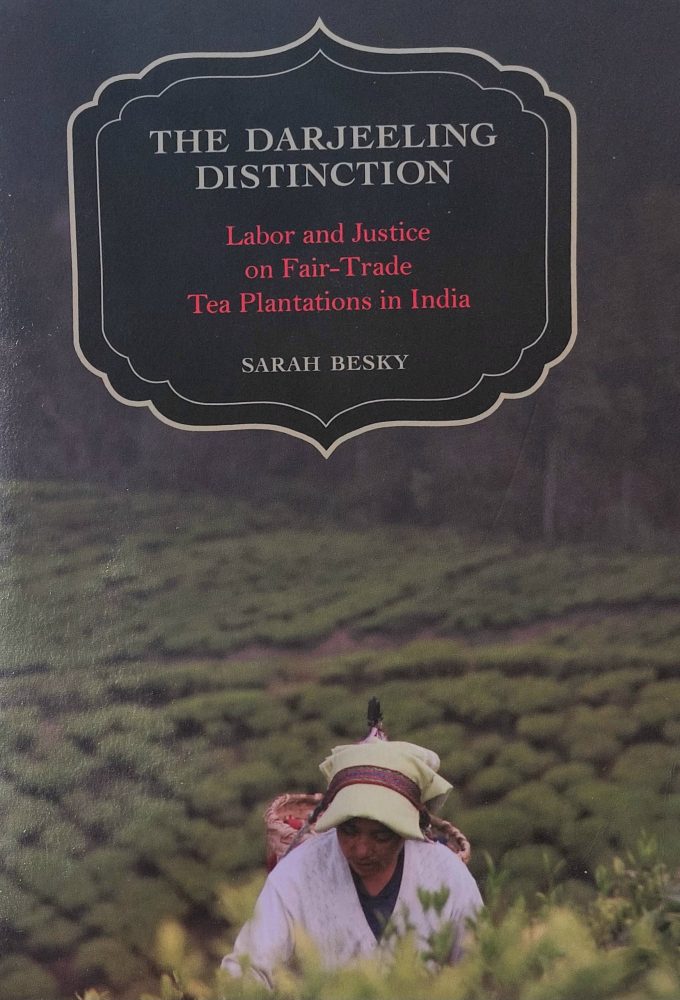
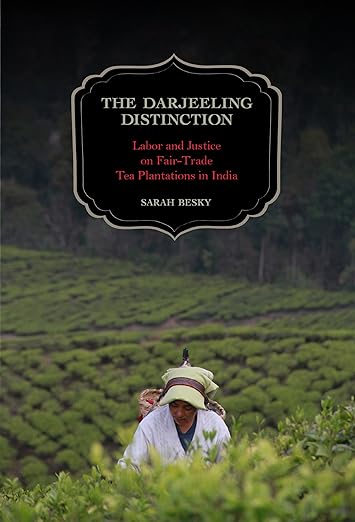
  • “The Darjeeling Distinction” Sarah Besky (2014) Review | Dark side of the posh tea

    “The Darjeeling Distinction” Sarah Besky (2014) Review | Dark side of the posh tea

    ★★★★☆ Darjeeling is the most expensive tea in the world, most well marketed and iconic – how is it that the workers remain so poor? A cup of Darjeeling costs more than a plucker’s daily wage, but not known because it’s always linked to luxury.


    🔽 log 🔽
    The Darjeeling Distinction: Labor and Justice on Fair-Trade Tea Plantations in India (California Studies in Food and Culture Book 47)
    Sarah Besky, 2014
    US
    258 pages
    Read in 2022.11
    check on amazon.com

    🔽 Book review and notes 🔽

    Exactly the topic I was interested in about the Darjeeling tea, its industry and its workers.

    Darjeeling tea is the most expensive tea in the world, most well marketed and iconic - how is it that the workers remain so poor?
    Uncomfortably, a cup of Darjeeling costs a lot more than a plucker's daily wage, but not known enough because the tea is always linked to luxury.

    Darjeeling and Sikkim area not like the rest of India, indeed the majority of the people are ethnically Nepali.
    India would do anything to keep Darjeeling tea Indian, it's the most iconic single product and one of the most famous from India.
    Gorkhas don't own anything, not even their history.
    Speaking of Fair Trade, since it's been forced on the locals, ironically, their lives became harder.

    So iconic yet so exploited.


    🔽 Where to buy / Summary and more info 🔽

    ●●● Amazon.com (US) ●●●

    The Darjeeling Distinction: Labor and Justice on Fair-Trade Tea Plantations in India

    ●●● Amazon.co.uk (UK) ●●●
    The Darjeeling Distinction: Labor and Justice on Fair-Trade Tea Plantations in India (California Studies in Food and Culture Book 47)

    ●●● Amazon.it (Italy) ●●●
    --
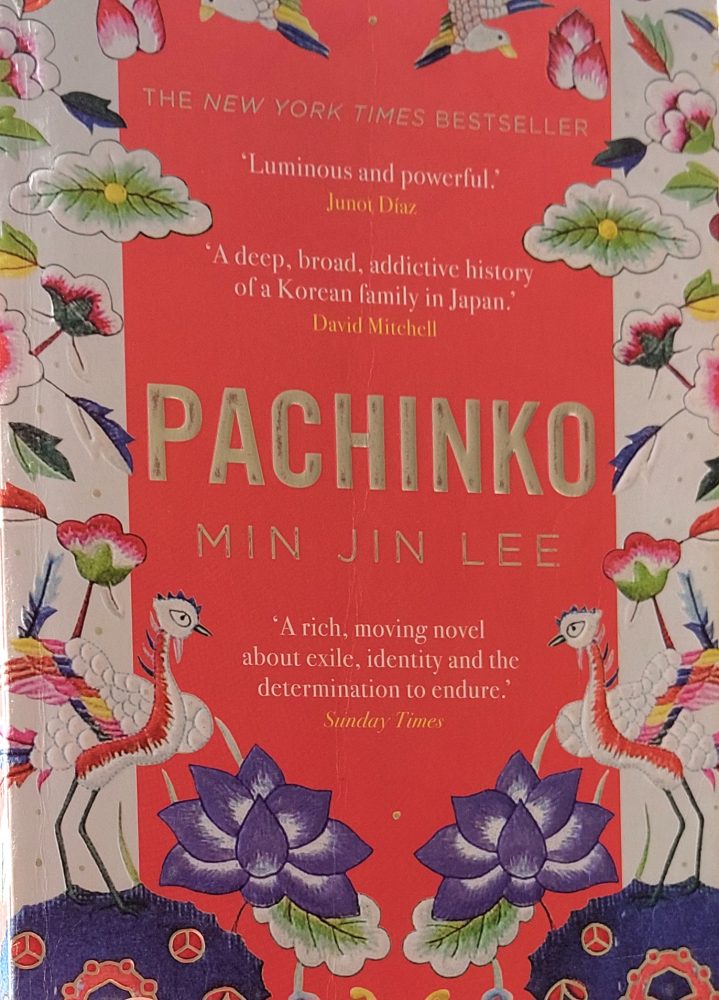
  • “Pachinko” Min Jin Lee (2017) Review | Korean female epic

    “Pachinko” Min Jin Lee (2017) Review | Korean female epic

    ★★★★★ Life of a Korean woman who survived all the difficulties the life threw at her. And about her beloved ones, Korean or Japanese. Life is a Pachinko. It’s not fair. You’re bound to lose. But you keep playing. An epic.


    🔽 log 🔽
    Pachinko
    Min Jin Lee, 2017
    US
    512 pages
    Read in 2021.10
    check on amazon.com


    🔽 Book review and notes 🔽

    Life of a Korean woman who survived all the difficulties the life threw at her.
    And about her beloved ones, Korean or Japanese.

    By narrowing down the novel to one woman's life, it tells about real struggles, somehow making it universal.
    The history of Japan and Korea, or Japanese and Koreans, is not an easy one to fully grasp - because it's still alive.
    The war is partly to be blamed but it's not that simple.
    The book is rich, depicts how little luck or timing could change your life, it is probably difficult to understand if you're not Asian beyond it being "fascinating".

    Again Koreans do better in storytelling.
    It's dramatic, but that's how it was in Japan up to the early 90s.

    Life is a party, Fellini says. But here this novel tells you, life is a Pachinko. It's not fair. You're bound to lose, but you keep playing.
    🔽 Where to buy / Summary and more info 🔽

    ●●● Amazon.com (US) ●●●

    Pachinko (National Book Award Finalist)


    ●●● Amazon.co.uk (UK) ●●●
    Pachinko: The New York Times Bestseller

    ●●● Amazon.it (Italy) ●●●
    Pachinko. La moglie coreana (italiano)

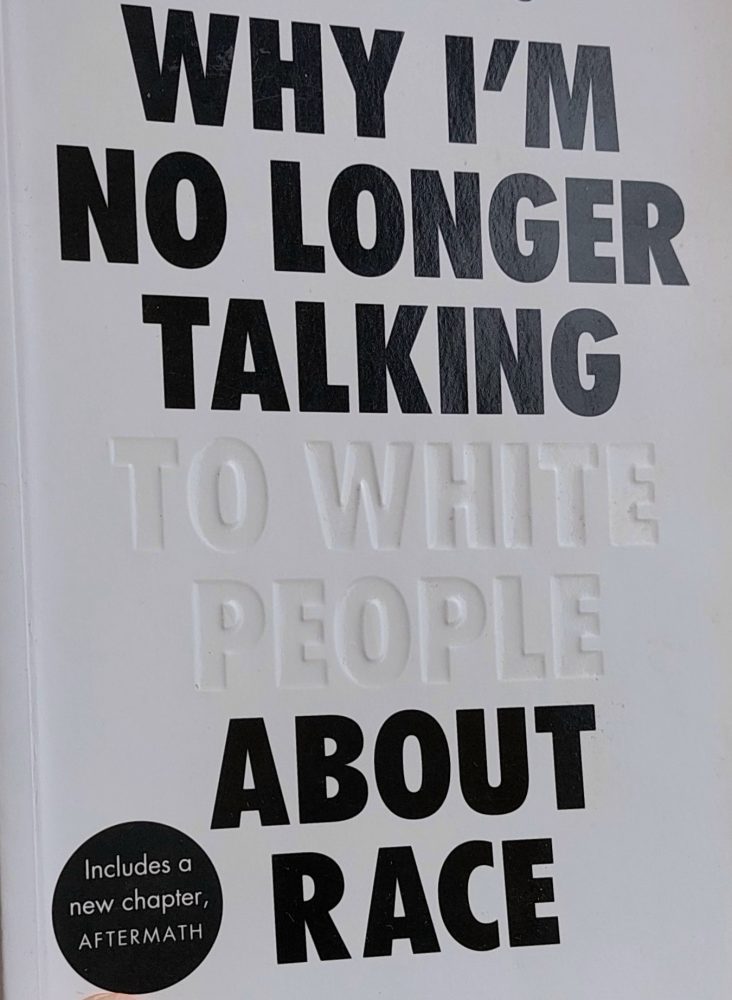
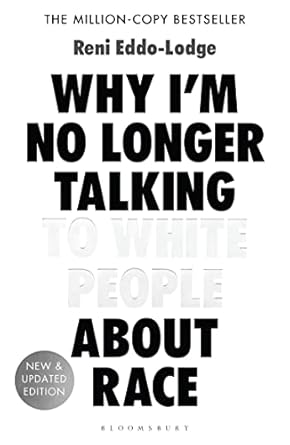
  • “Why I’m No Longer Talking to White People About Race” Reni Eddo-Lodge (2019) Review | silence won’t protect us

    “Why I’m No Longer Talking to White People About Race” Reni Eddo-Lodge (2019) Review | silence won’t protect us

    ★★★★★+❤ How the author, a young black British woman, got fed up talking to white people while trying to protect their fragile sentiments and trying not to be labelled as “one of those angry black women”. But now she knows, the silence won’t protect us.


    🔽 log 🔽
    Why I’m No Longer Talking to White People About Race
    Reni Eddo-Lodge, 2019
    UK
    288 pages
    Read in 2020.01
    check on amazon.com

    🔽 Book review and notes 🔽

    What is wrong then?
    The problem of racism is not the black, brown or yellow people.
    It is the white people who regard the people of any colour other than white as the problem.
    Today it's as if being called a racist is "worse" than being actually affected by the racism.

    It was Stormzy who once said something like, in the UK there might not be "obvious" racism, but though it might be hidden it exists, and today they believe they have the right to be racist in public, and that's the scary thing. (I wrote this note originally in 2020, so it's probably a bit old)

    The book is about how the author, a young black British woman, got fed up talking to white people while trying to protect their fragile sentiments and trying not to be labelled as "one of those angry black women".
    But the silence won't protect us.
    So it is actually about how she decides, through complex discourses of feminism, class and one-and-only Britishness, that she still needs to speak up to start this important conversation even if it might be uncomfortable for some, I mean, frankly, even if it pisses off many fragile people.


    🔽 Where to buy / Summary and more info 🔽

    ●●● Amazon.com (US) ●●●

    Why I’m No Longer Talking to White People About Race

    ●●● Amazon.co.uk (UK) ●●●
    Why I’m No Longer Talking to White People About Race: The #1 Sunday Times Bestseller

    ●●● Amazon.it (Italy) ●●●
    Perché non parlo più di razzismo con le persone bianche (italiano)
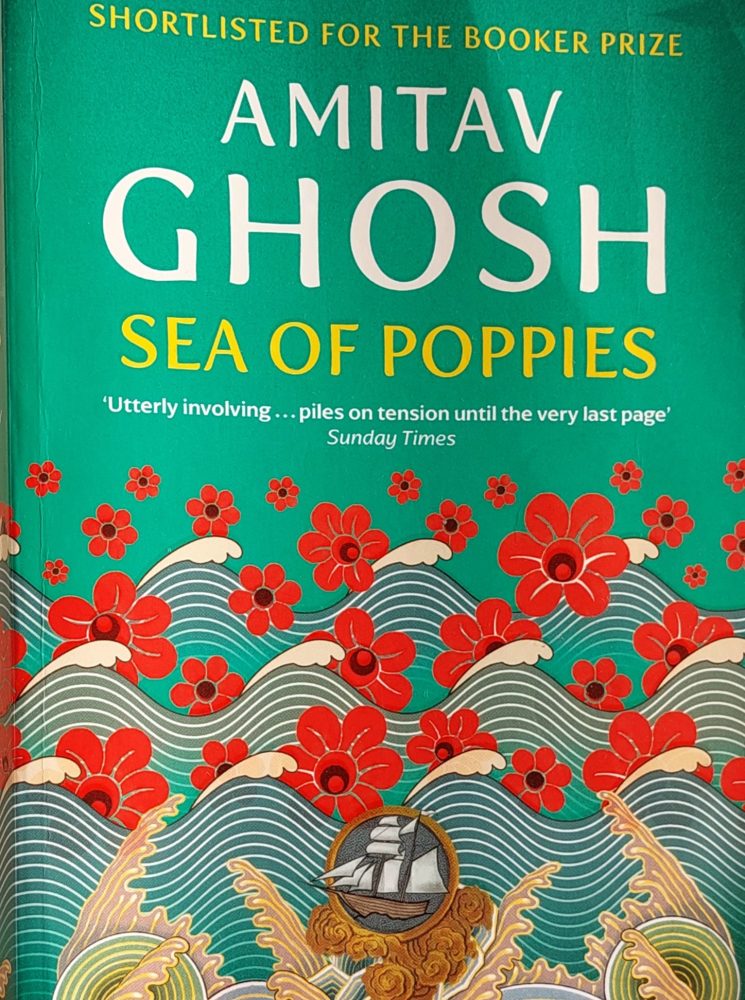
  • “Sea of Poppies” Amitav Ghosh (2008) Review | Leading up to Opium War

    “Sea of Poppies” Amitav Ghosh (2008) Review | Leading up to Opium War

    ★★★★★ In India, under British, Opium farming leading up to the Opium War. That’s already enough for me to like the book even without even opening it. Then, you meet some interesting strong characters. It’s gripping, a grand storytelling.

    🔽 log 🔽
    Sea of Poppies
    Amitav Ghosh, 2008
    559 pages
    Read in 2025.12
    check on amazon.com
    🔽 Book review and notes 🔽

    I'd heard of it for a while and finally, finally started and instantly it was obvious, this is one if those great books.

    In India, under British, Opium farming leading up to the Opium War.
    That's already enough for me to like the book even without even opening it.

    And immediately you meet some interesting strong characters.
    Deeti who had a miserable married life, Paulette and Jodu and their unique friendship, a delicate Raja, Zachary who leads us into the mesmerising journeys.
    They all meet on Ibis the slaving ship, all carrying their own destinies - it's as intense as it sounds.
    Some of detailed descriptions of ship and sailing are hard for me to follow but that doesn't stop me from getting excited at every page.

    It's a trilogy so there are 2 more books to go to give the full view on the story but so far, it's gripping, grand storytelling.
    Need to read 2 and 3 soon.
    🔽 Related pages 🔽
    tag インド/India

    🔽 Where to buy / Summary and more info 🔽
    
    ●●● Amazon.com (US) ●●●
    
    Sea of Poppies
    
    ●●● Amazon.co.uk (UK) ●●●
    Sea of Poppies: Ibis Trilogy Book 1 Kindle Edition
    
    ●●● Amazon.it (Italy) ●●●
    Sea of Poppies: Ibis Trilogy Book 1 (English)