カテゴリー: Non-Fiction Japanese

  • “Japan cruel stories 1, flock of poor people” Miyamoto Tsuneichi (1959) Review | The history of the majority

    “Japan cruel stories 1, flock of poor people” Miyamoto Tsuneichi (1959) Review | The history of the majority

    ★★★★★ Normal, majority of Japanese people were poor. And their lives where cruel to them, yes, but can we just simplify this side of history, the history of the majority. Great Anthropology.
    
    
    🔽 basic info 🔽
    Nihon Zankoku Monogatari 1
    (Japan cruel stories 1, Flock of poor people)
    Miyamoto Tsuneichi et al, 1959
    日本残酷物語1 貧しき人々の群れ
    宮本常一 他
    Read 2025.02
    (Not available in English)


    🔽 Book review and notes 🔽
    Miyamoto is my favourite Japanese anthropologist.
    He focuses on folklores and local traditions, and he firmly believes on going to places on foot to meet the locals to learn about their local customs, of the normal people.

    Normal people in Japan were poor. Many foreign travelers from 100 years ago or so all talk about how poor Japan was centuries ago. An English explorer Isabella Bird is a famous one among those.

    Just over 100 years ago, majority of people in Japan suffered from poverty, living lives of thefts, killings, selling their bodies, disposing some family members (often their children of elderly) - to survive.
    You might have heard of the tradition of getting rid of the elderly in the mountain, or newborns in the river "before they were considered living human of the family" the latter famously being considered incredibly cruel by Western Christians that time.
    There are endless examples in this book, examples of how the poorest and weakest of the society had to survive.
    In the meantime, today we love to focus on the rich and powerful like samurai, shogun and rich merchants of Edo period, and how Japan was "sophisticated".
    That's not the reality, the life was cruel, people were cruel.
    But do we dismiss them only as "cruel"?
    Parents who had to select which babies would survive, did they have a choice?
    What did the government do while the rich had their sophisticated lives?
    The sad history of villages attaching trading ships or another village to eat, were they merely cruel?

    In one chapter they specifically talk about female.
    Female are always the victim, especially when the time is hard.
    Female were considered impure and inferior. They were always fighting, in society, in family, with elder female members.
    How dare they give birth to more mouths to feed, it's the female's responsibility and "fault" how insane.
    A chapter on women working in the mining was also great, they carry their family, society, finance on their shoulders, and my god they were strong.

    This is the kind of history we should learn at school, this is the real history of Japan.

    🔽 Where to buy 🔽

    ●●● Amazon.com (US) ●●●

    日本残酷物語〈1〉貧しき人々のむれ (平凡社ライブラリー) Paperback Bunko
    Amazon.co.uk (UK)
    日本残酷物語〈1〉貧しき人々のむれ (平凡社ライブラリー) Paperback Bunko

    Amazon.it (Italy)
    -
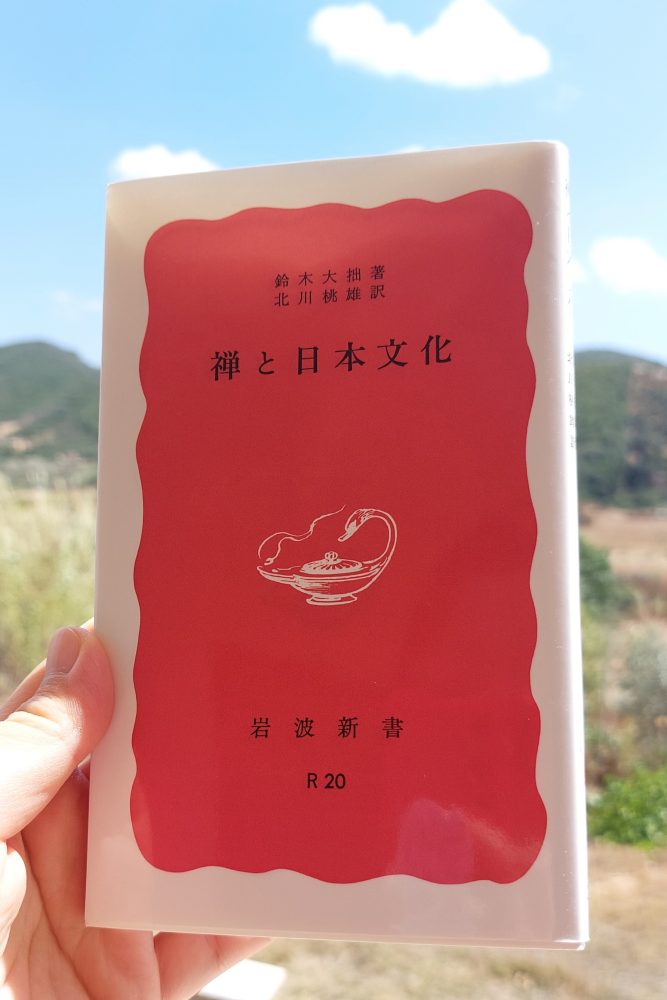
  • “Zen and Japanese culture” Daisetz T. Suzuki (1940) Review | Japanese means zen

    “Zen and Japanese culture” Daisetz T. Suzuki (1940) Review | Japanese means zen

    ★★★★★ A classic book on Japan and Zen. Zen is so ubiquitous in Japan that being Japanese means Zen. It was written for the Western audience so it's explained logically. A real starting point to study Japanese culture.
    
    
    🔽 log 🔽
    Zen and Japanese culture
    Daisetsu Suzuki
    Daisetz T. Suzuki
    禅と日本文化
    鈴木大拙
    Read 2024.4


    🔽 Book review and notes 🔽
    It was a collection of lectures on zen by Daisetsu Suzuki in 1938, first published in English and in 1940 it was translated to Japanese.
    This book remains as a very important source for anyone who's interested in Japan and zen - in a serious way.
    Today, "I love Japan" is something I hear so much that it basically has no meaning - unless they can name a few real Japanese things.

    Anyway, it might be difficult to read in a sense that it's old, but because it was for the Western audience explanations are logical so in that sense it's easier to understand, even for Japanese today.

    It's not an introduction to zen as such, but if you are truly interested in zen and Google search won't help you much, then this is the book to turn to.
    When a book on zen is for Japanese audience (and if it's translated to other languages) it tries to make you "read the room" to grasp the idea of zen.
    On a separate note. Interestingly, there's an argument (elsewhere, not this book) that because in Japan, zen or Buddhism is indeed in the air, you cannot shut it off so that is why Japanese people don't need to feel strongly about being Buddhist or religious or spiritual it's part of their lives anyway, many Japanese will declare that they are not religious.
    However, in places like US, Christianity is not in the air, you must go to the church to feel it, so they feel strongly about being Christian or religious, or not.

    Zen is intuitive, it is not something you explain through theories, but with ink painting or haiku, even tea ceremony or garden.
    Minimalism and the love of the nature, that spirit is naturally in Japanese arts and lifestyles, therefore being Japanese is being zen.

    It's true, I do feel that it's true, I want to it to be forever true, but I am not sure if it continues to be true.

    It is the Japan that hundreds of thousands of foreign tourists fantasise, but isn't it the Japan that only exists in our naïve imaginations?
    The rapid economical growth of the 90s is in the past, and the people of that generation worked hard to aim for better lives, more luxury, better education for their kids - admittingly something that is far from zen.
    Today, young people in Japan do not believe that their lives would get better when they grow up.
    Frankly they are not interested. They don't want more stuff, and they don't need more.
    So, are we going back to zen?
    Does that mean, after all, we come back to the statement that, yes, being Japanese means being zen?

    🔽 Where to buy 🔽

    ●●● Amazon.com (US) ●●●
    Zen and Japanese Culture (Princeton Classics)
    Zen and Japanese Culture (Princeton Classics)
    ●●● Amazon.co.uk (UK) ●●●
    Zen and Japanese Culture (Princeton Classics)

    ●●● Amazon.it (Italy) ●●●
    Lo Zen e la cultura giapponese
    Lo Zen e la cultura giapponese (Italiano)

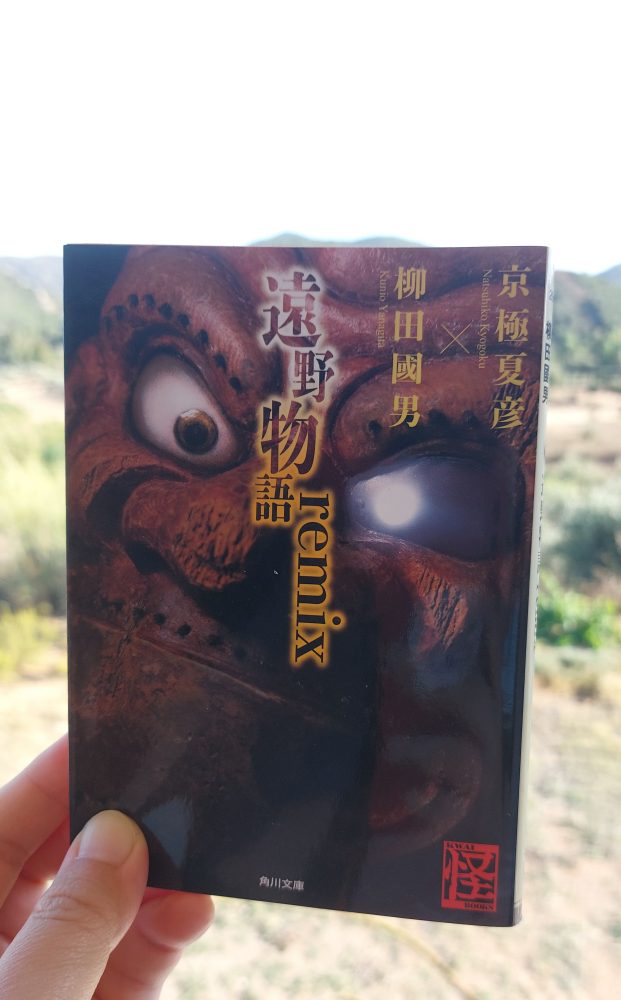
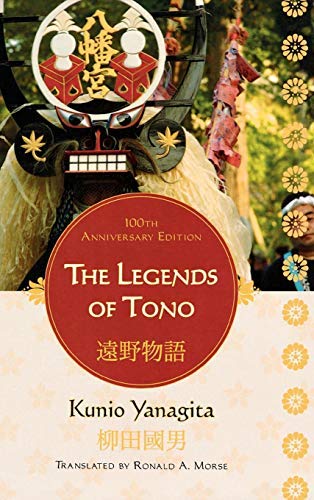
  • “The Legends of Tono” Kunio Yanagita, Natsuhiko Kyogoku, (2013) Review | Japanese legends

    “The Legends of Tono” Kunio Yanagita, Natsuhiko Kyogoku, (2013) Review | Japanese legends

    ★★★★☆ Tono, a small area in Tohoku, is well known by Japanese for their memorable legends, thanks to this book. If you are interested in local or Japanese ghost and yokai stories, this is where you should begin your quest. 

    🔽 log 🔽
    The Legends of Tono REMIX
    Kunio Yanagida
    Natsuhiko Kyogoku
    Read 2024.4


    🔽 Book review and notes 🔽
    The original version by Kunio Yanagita was written in 1910, this version I read was "remixed" in 2013 by a mystery writer Natsuhiko Kyogoku.

    Tono is in Tohoku region in the north of Japan, not far from the area destroyed by tsunami.
    It's not a vast area geographically, but incredibly rich in folklores and probably the only village associated so strongly with their local legends, because of this book.
    In other words, we must consider ourselves lucky that Tono's legends are preserved by the folklorist Yanagita, and can't help but wonder how many hundreds of thousands of local stories and legends have been wiped out in history, disappeared like they had never existed.

    Even kids outside of Japan know words like "yokai" thanks to a popular anime, and if you are familiar, you recognise many "characters" or concepts in this book.
    Monsters or ghost in the mountains, or by the river - you find similar themes in stories of the brothers Grimm, because it is universal.
    Anything outside of your village is dangerous, so is any wider knowledge than what they give you.

    It's not written to scare you, it's just a collection of the legends... but I admit it's pretty scary. It doesn't help the fact that I live in a countryside.

    The original book was written in 1910, since then there have been many versions, including a manga by Shigeru Mizuki but this version I read was "remixed" by Kyogoku, using more modern Japanese language for today's readers.
    When you think about it, Yanagita also collected folklores that were already pretty old then, so it's not unusual that it gets modernised or re-translated time to time, especially if what you are interested in is the actual stories from centuries ago and not the language of 100 years ago.

    🔽 Where to buy 🔽

    ●●● Amazon.com (US) ●●●

    The Legends of Tono


    ●●● Amazon.co.uk (UK) ●●●
    The Legends of Tono

    ●●● Amazon.it (Italy) ●●●
    The Legends of Tono (English)
    
    
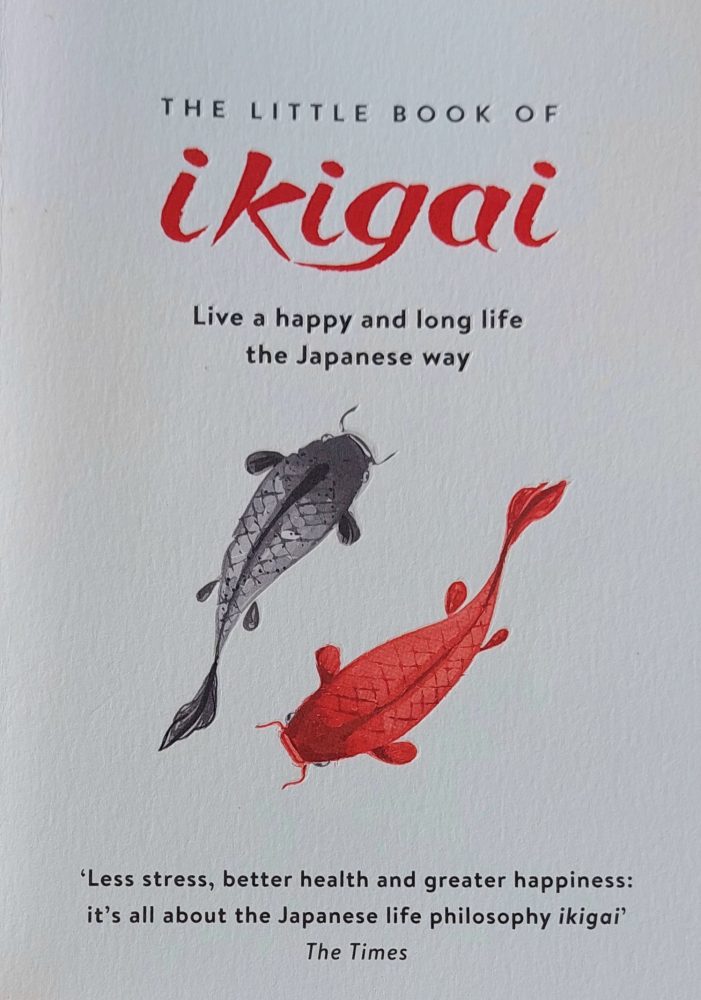
  • “Ikigai” Ken Mogi (2017) Review | Little Happiness

    “Ikigai” Ken Mogi (2017) Review | Little Happiness

    ★★★★☆ A book about how to live a life with “ikigai” which is a Japanese notion of “little happiness”. Written by Japan’s favourite neuroscientist, it’s both logical and entertaining.

    🔽 log 🔽
    Ikigai
    Ken Mogi, 2017
    茂木健一郎
    208 pages
    Read in 2020.05
    🔽 Book review and notes 🔽

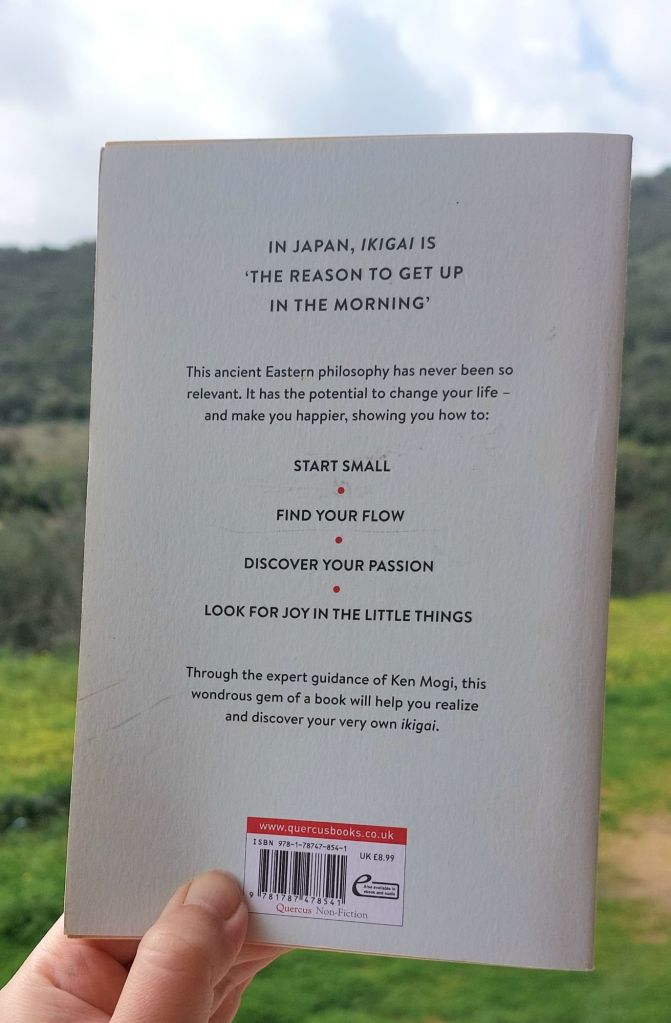
    A book about how to live a life with "ikigai" which is a Japanese notion of "little happiness" in a very broad sense.

    It was originally published for UK readers, so it's a lot about introducing Japanese culture and traditions while showing how the notion of "ikigai" is born and appreciated there.

    It'd help non-Japanese to solve mystery of the mindsets of Japanese people.
    Ridiculously detailed work by craftsmen and (apparently) uniformed lifestyle of salarymen - behind all that there is the "ikigai" to keep them going.

    After reading this people would definitely like Japan more.
    It is in a way a PR for Japan, but because it is written by Japan's favourite neuroscientist, it's both logical and entertaining.

    p.s.
    I love how US title is different from the UK title, American version focuses more on purposes, while British more on "little" happiness.
    🔽 Related pages 🔽
    tag
    🔽 Where to buy / Summary and more info 🔽

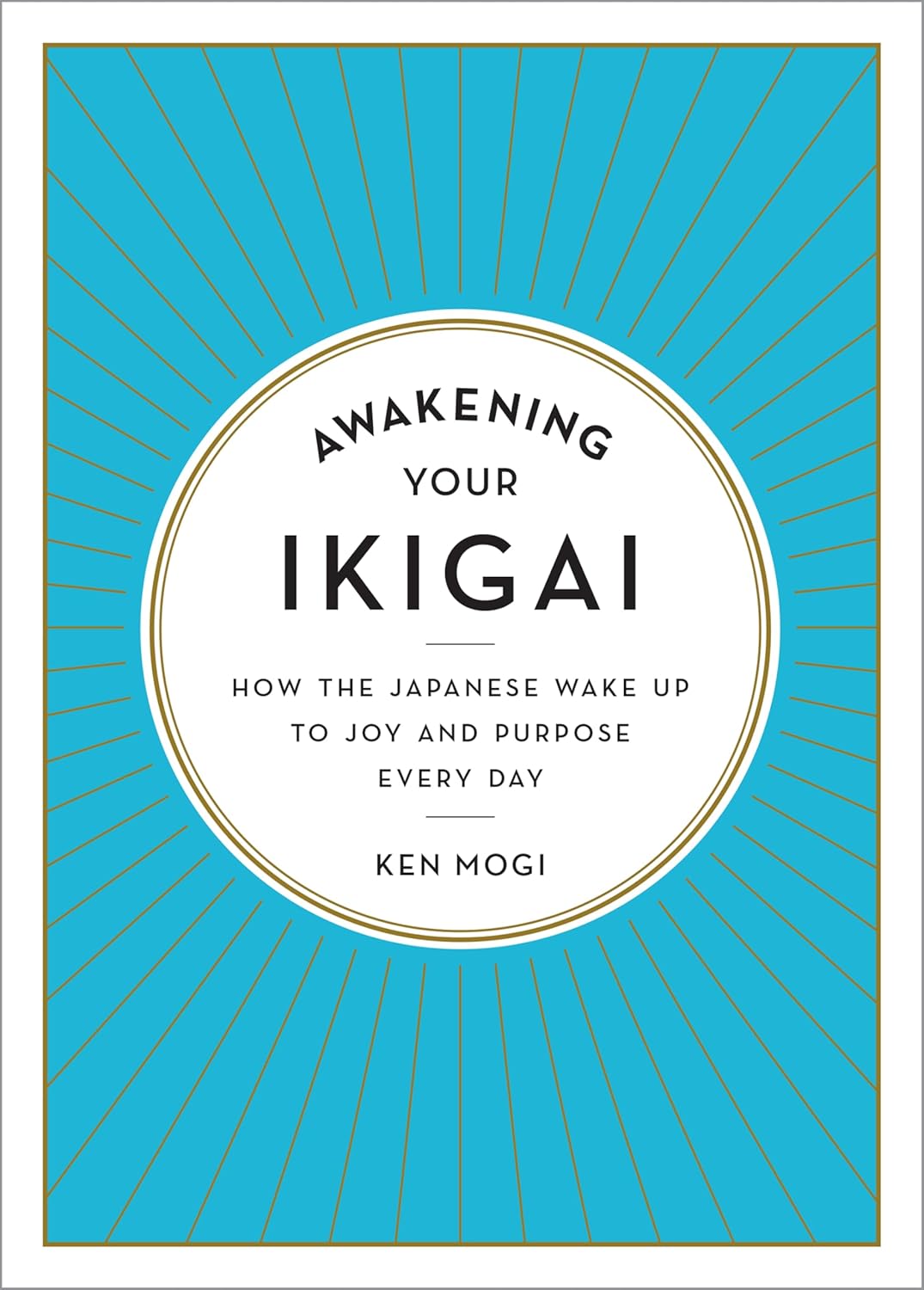
    ●●● Amazon.com (US) ●●●Awakening Your Ikigai: How the Japanese Wake Up to Joy and Purpose Every Day
    Awakening Your Ikigai: How the Japanese Wake Up to Joy and Purpose Every Day

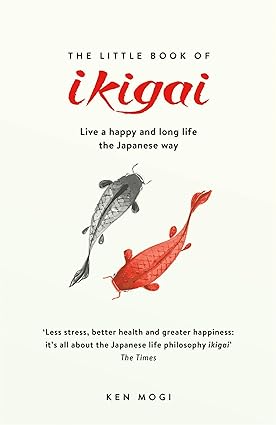
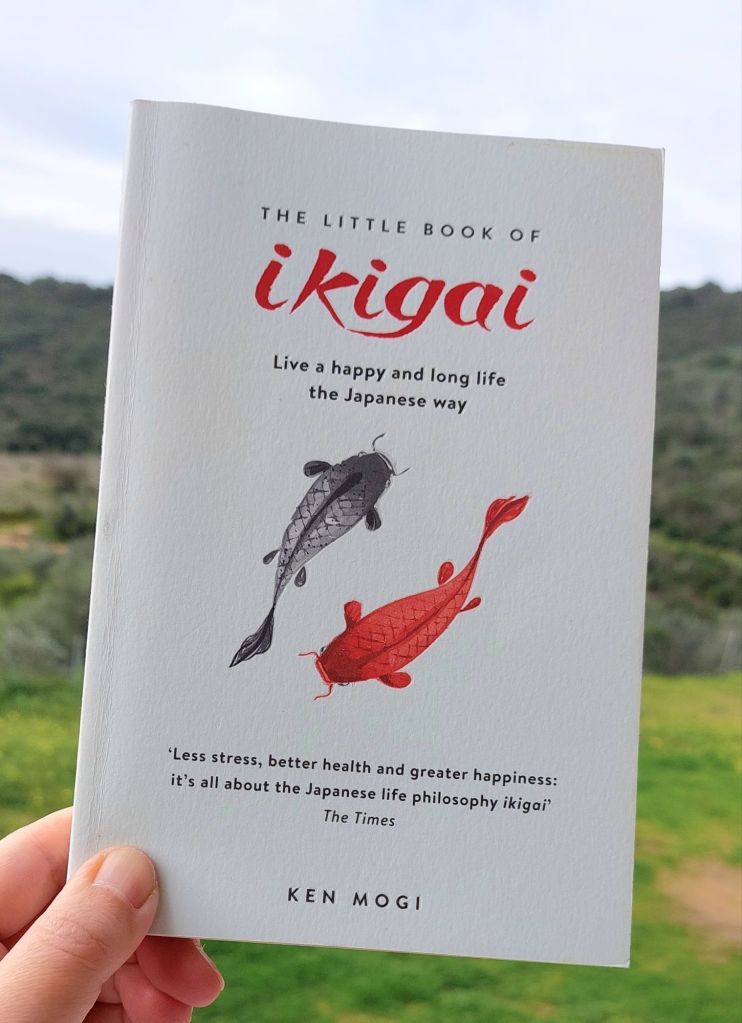
    ●●● Amazon.co.uk (UK) ●●●The Little Book of Ikigai: The secret Japanese way to live a happy and long life
    The Little Book of Ikigai: The secret Japanese way to live a happy and long life

    ●●● Amazon.it (Italy) ●●●
    Il piccolo libro dell'ikigai. La via giapponese alla felicità
  • “In Praise of Shadows” Junichiro Tanizaki (1933) Review | Finding beauty even in toilet

    “In Praise of Shadows” Junichiro Tanizaki (1933) Review | Finding beauty even in toilet

    ★★★★★ Obsessively white tiles cannot give the warm beauty that old wood could. Japanese sentiments find beauty in shadows and in old. Masterpiece essay from Tanizaki, I mean he even writes beautifully about toilet.


    🔽 log 🔽
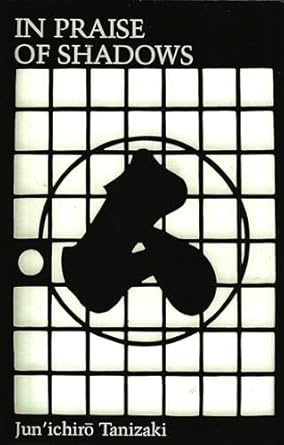
    In Praise of Shadows, 1933
    Junichiro Tanizaki
    Jun'ichirō Tanizaki
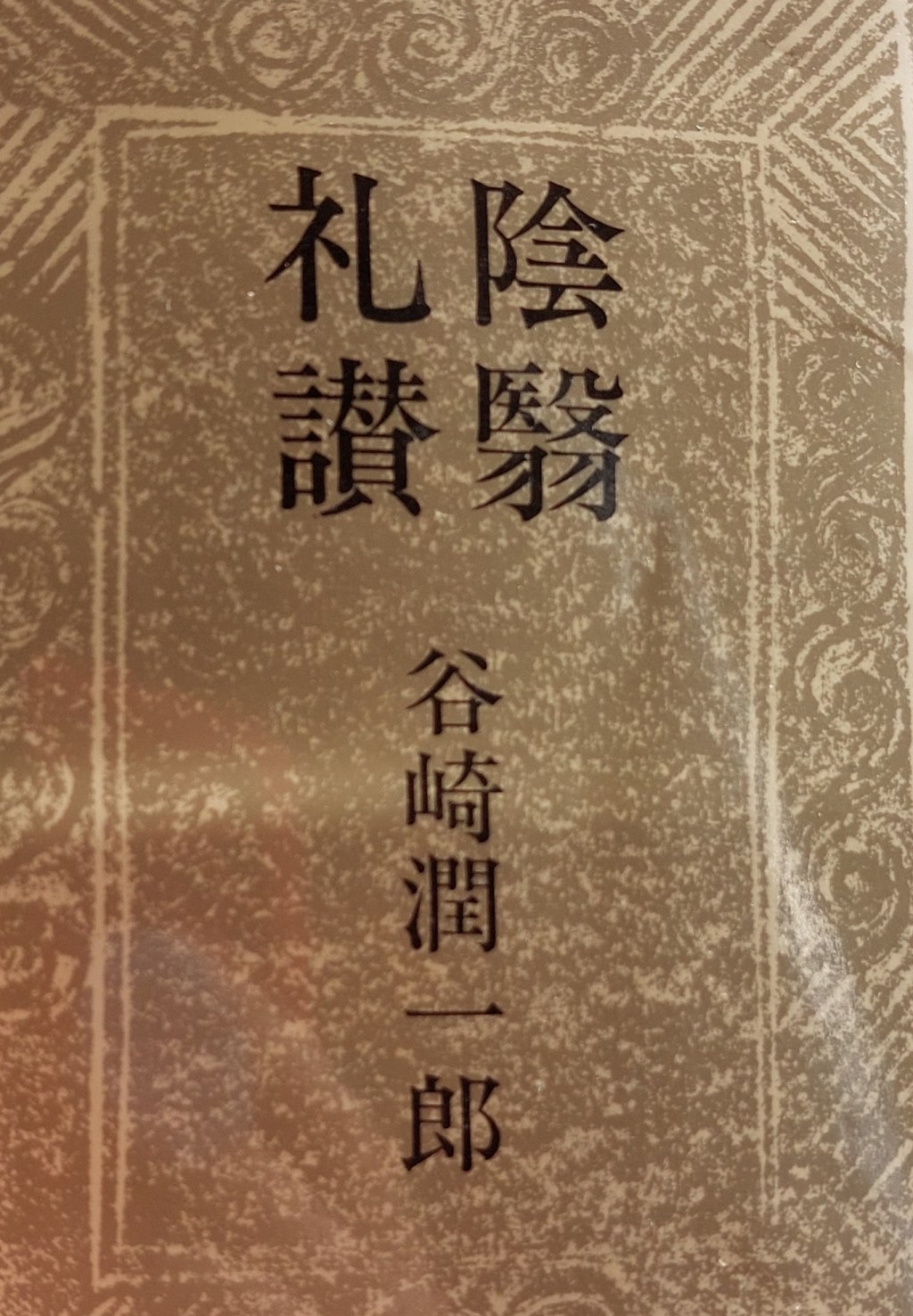
    陰翳礼讃
    谷崎潤一郎
    288 pages
    Read 2024.11


    🔽 Book review and notes 🔽
    A masterpiece essay from Tanizaki to praise the shadow, darkness and old.

    He's not just saying how darkness is good; he talks about the sentiment Japanese people have to feel that the cleanliness of white tiles cannot give the beauty that the old brown wooden board could give.

    Japanese are used to living in the dark rooms and they don't force the room to be brighter but they find beauty in the darkness.
    Women's clear skin is beautiful because the room is dark, and the custom of ohaguro (women paint their teeth black) also emphasises the pale skin.
    Same for some Japanese traditional art, like kabuki, the costumes are so bright, because back then the stage was darker.

    Now, almost 100 years on, I'm not sure the Japanese living today still have the same feeling towards darkness.
    But it's not completely gone, so hopefully this very Japanese sentiments stay with us.

    The book is a collection of his essays, so it talks about various things like traveling and how he hates guests, or about toilets.
    It's fun reading the grumpy Tanizaki whining about how he hates having guests, the book overall is not too serious.
    When he goes on and on about toilet, in his wonderful way of writing, you just have to smile - ah granddad!
    🔽 Where to buy 🔽

    ●●● Amazon.com (US) ●●●

    In Praise of Shadows


    ●●● Amazon.co.uk (UK) ●●●
    In Praise of Shadows (Vintage Classics)

    ●●● Amazon.it (Italy) ●●●
    Libro d'ombra (Italiano)

  • “A monk’s Guide to a Clean House and Mind” Shoukei Matsumoto (2011) Review | Monks’ main job, cleaning

    “A monk’s Guide to a Clean House and Mind” Shoukei Matsumoto (2011) Review | Monks’ main job, cleaning

    ★★★★☆ A post-religion-monk. What is his secret? Cleaning. When we think about Buddhist monks, we always think about them cleaning the garden – well, because they are always cleaning.

    🔽 log 🔽
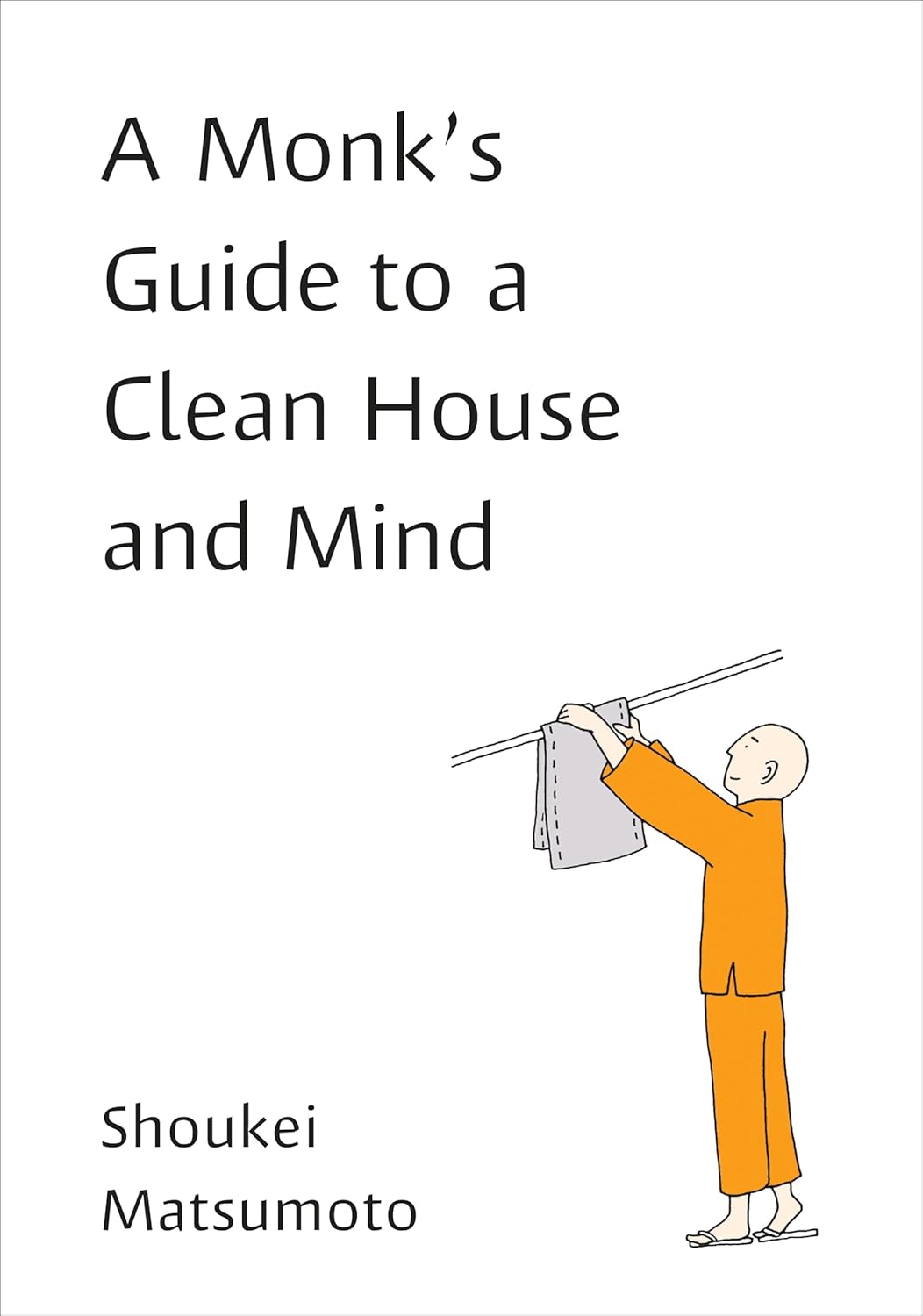
    A monk's Guide to a Clean House and Mind
    Shoukei Matsumoto, 2011
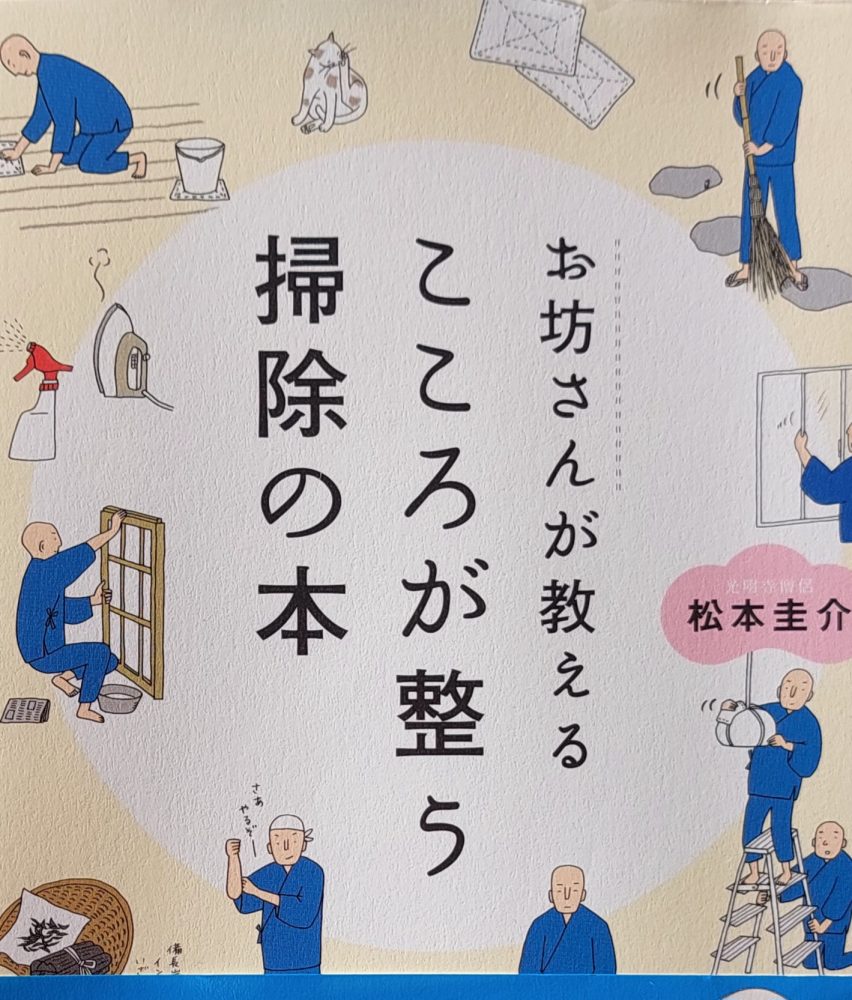
    お坊さんが教えるこころが整う掃除の本松本圭介
    Japan
    144 pages
    Read in 2026.01
    🔽 Book review and notes 🔽

    I listen to his podcast all the time so reading this was like, ah finally.
    He studied Philosophy in Uni of Tokyo, and got MBA in India - he's undeniably smart, sharp and as he says is a post-religion monk.
    What is his secret?
    When we think about a Buddhist monk, we always think about them cleaning the garden - well, we're not wrong, they are always cleaning.
    And his secret is cleaning.

    This book, though he reflects on the spirituality and Buddhism often, is about the actual cleaning.
    There are many things non-Japanese houses don't have, but he goes through all the main rooms and outdoor space, one by one.

    If your room is clean, so are your heart and mind, no doubt.
    We all know that but cleaning is, at least for me, not easy at all.
    Maybe I should start wiping surfaces more often and generally speaking have less things around. A start.


    松本紹圭さんは実は私いっつもポッドキャスト聞いてて掃除の話もよく出てくるので、こういう本だったのか!という感じ。
    東大で哲学を学んだ後インドでMBA取得とかなり賢く鋭い次世代の僧侶として活躍される裏には徹底した掃除が。
    そうよね、家がきれいだと脳内も心もきれいになるよね。
    そこは分かる。
    次のステップである実際の掃除が難しい。
    🔽 Related pages 🔽
    tag
    🔽 Where to buy / Summary and more info 🔽

    ●●● Amazon.com (US) ●●●

    A Monk's Guide to a Clean House and Mind


    ●●● Amazon.co.uk (UK) ●●●
    A Monk's Guide to a Clean House and Mind

    ●●● Amazon.it (Italy) ●●●
    Manuale di pulizie di un monaco buddhista. Spazziamo via la polvere e le nubi dell'anima (italiano)

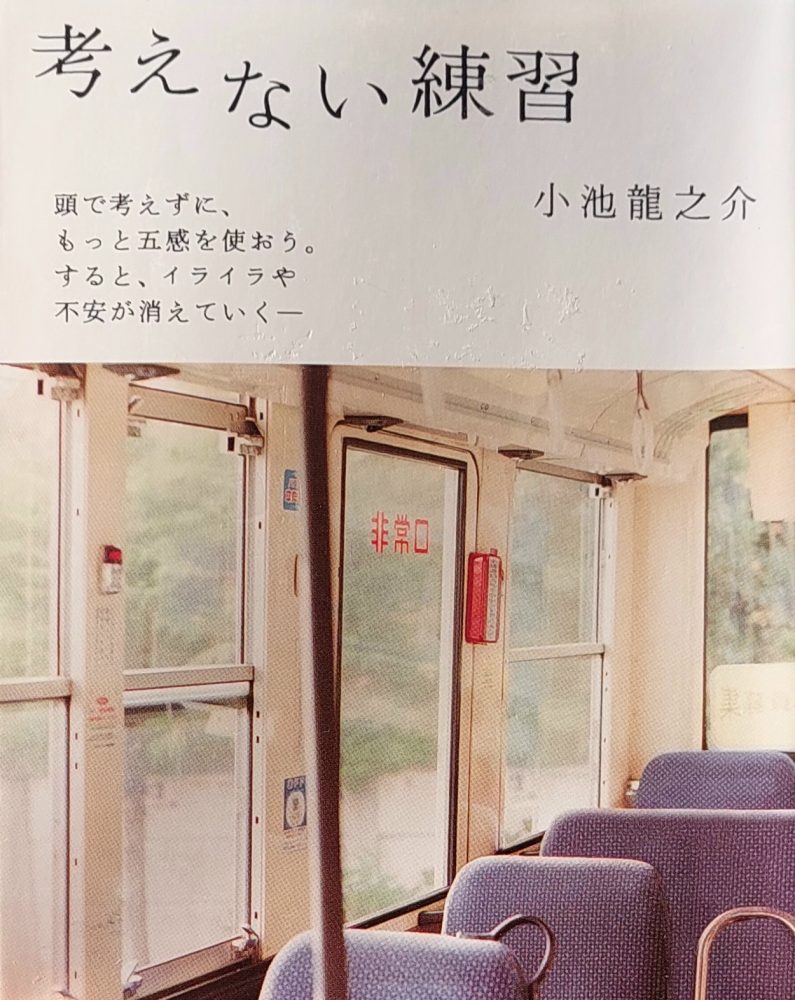
  • “The Practice of Not Thinking” Ryunosuke Koike (2012) Review | Practical advices

    “The Practice of Not Thinking” Ryunosuke Koike (2012) Review | Practical advices

    ★★★★☆ A book from an unusual monk in Japan, no I’ll say it, he’s a bit weird, but in a nice way. You can’t change other people or the environment, nor control your brain from being negative so practice to shift your focus to something else.

    🔽 log 🔽
    考えない練習
    小池龍之介
    The Practice of Not Thinking
    Ryunosuke Koike, 2012
    Read in 2025.10


    🔽 Book review and notes 🔽

    A book from an unusual monk in Japan, no I'll say it, he's a bit weird, but in a nice way.

    When you hear it's Buddhism, you prep yourself thinking, it must be something difficult, spiritual and mysterious.
    But it's really the opposite, it's trying not to think about what's bothering you or what you don't like, you switch that part off, and focus on something else using your five senses.

    For example, let's say you are annoyed by some unpleasant sound, then don't focus on it, try focusing on some other quiet sound you hear far away.
    But to be able to do that, you must practice to notice these sounds.

    You can't change other people, you can't change the environment, you also cannot control your brain from being negative (because negative is a strong feeling that unfortunately attracts your brain) so practice to shift your focus to something else.
    It's practical and eye opening, not really religious or spiritual.
    🔽 Where to buy / Summary and more info 🔽

    ●●● Amazon.com (US) ●●●

    The Practice of Not Thinking


    ●●● Amazon.co.uk (UK) ●●●
    The Practice of Not Thinking: A Guide to Mindful Living

    ●●● Amazon.it (Italy) ●●●
    Smetti di pensare (troppo) e vivi meglio. Dal tuo amico incantatore di pensieri (Italiano)
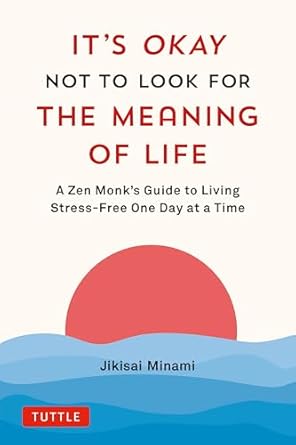
  • “It’s Okay Not to Look for the Meaning of Life” Jikisai Minami (2017) Review | Live YOUR life

    “It’s Okay Not to Look for the Meaning of Life” Jikisai Minami (2017) Review | Live YOUR life

    ★★★★★  It teaches you how to live without suffering unnecessarily, by a Zen monk who’s eccentric strict yet humane. “If you think that you can decide anything by yourself, you are wrong. If conditions change, your decision becomes invalid”


    🔽 log 🔽
    It's Okay Not to Look for the Meaning of Life: A Zen Monk's Guide to Living Stress-Free One Day at a Time
    Jikisai Minami, 2017
    284 pages
    Read in 2025.10


    🔽 Book review and notes 🔽

    A book that teaches you how to live without suffering unnecessarily.
    Don't struggle unnecessarily, don't believe unnecessarily, just accept as things are.

    Don't have too much pride or be too conscious, we were born by chance, and we'll die eventually.
    Don't try to overcome sadness or struggles.
    Yes it all sounds too easy, easier said than done, but I guess if you keep telling yourself it becomes a part of you and it becomes natural - I hope.

    I heard him on a podcast and I was completely shocked how eccentric he was, so honest (he says he accepted to write this book because by chance his wife needed a car!) so strict (Darth Vader of the zen monastery) yet so humane, and very funny.

    Some of the lines I liked (it's probably different from the original English translation!)

    "If you think that you can decide anything by yourself, you are wrong and childish. You as a being only exist under certain conditions. If the conditions change, your decision becomes invalid"

    "I think you can live with regrets. Then one day you will find a meaning in your regrets"

    "If you can't overcome sadness, then don't try, it's okay"
    🔽 Where to buy / Summary and more info 🔽

    ●●● Amazon.com (US) ●●●

    It's Okay Not to Look for the Meaning of Life: A Zen Monk's Guide to Living Stress-Free One Day at a Time


    ●●● Amazon.co.uk (UK) ●●●
    It's Okay Not to Look for the Meaning of Life: A Zen Monk's Guide to Living Stress-Free One Day at a Time

    ●●● Amazon.it (Italy) ●●●
    It's Okay Not to Look for the Meaning of Life: A Zen Monk's Guide to Living Stress-free One Day at a Time (English)
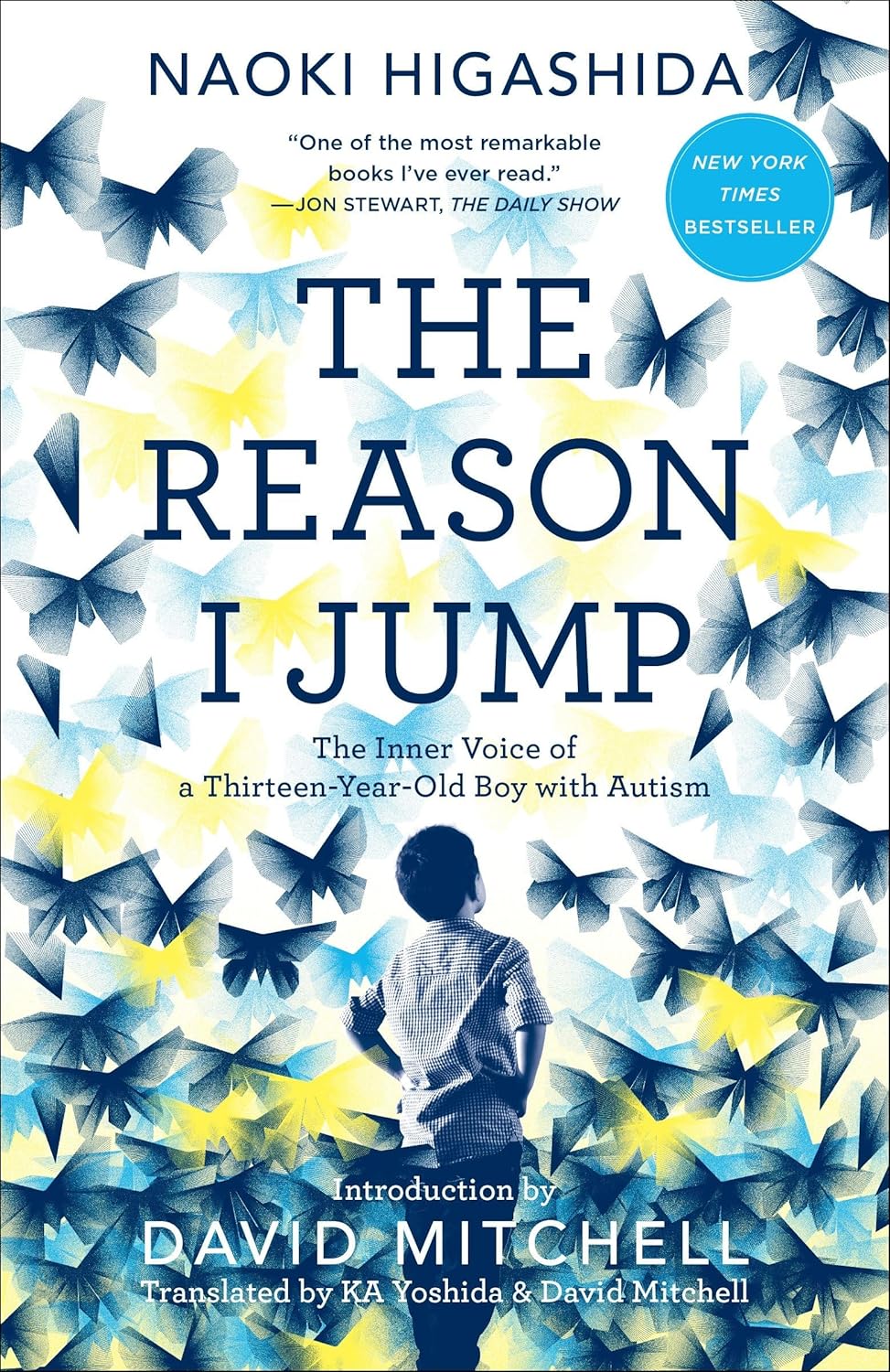
  • “The Reason I Jump” Naoki Higashida (2016) Review | Revealing

    “The Reason I Jump” Naoki Higashida (2016) Review | Revealing

    ★★★★☆  It’s revealing, beautiful and almost magical. His love for nature, his strong wish with to be with other people and be understood – these are refreshing and optimistic, but how it’s written as a book feels too “comforting” for others


    🔽 log 🔽
    The Reason I Jump: The Inner Voice of a Thirteen-Year-Old Boy with Autism
    Naoki Higashida, 2016
    自閉症の僕が跳びはねる理由~会話のできない中学生がつづる内なる心~東田直樹
    208 pages
    Read in 2022.03


    🔽 Book review and notes 🔽

    It's revealing, beautiful and almost magical.
    Not only that, his love for nature and being with others, his strong wish to be with other people and be understood - these are refreshing and revealing but also optimistic, and I must say, comforting.

    It's comforting for people who know little about children with autism.
    This book will make you feel moved instantly and I cannot help but think that it's carefully crafted by savvy adults.

    We should not forget that it's a book from this particular and talented 13 year old boy.
    He's articulate, even if he doesn't speak in a conventional way and that's great and that's a big hope for parents, but this is one person on the spectrum.

    Definitely need to read in Japanese, which should be closer to how it was originally written by him (and not involving a famous writer) and I'd like to read more of his books, how he is progressing with his writing.
    🔽 Where to buy / Summary and more info 🔽

    ●●● Amazon.com (US) ●●●

    The Reason I Jump: The Inner Voice of a Thirteen-Year-Old Boy with Autism


    ●●● Amazon.co.uk (UK) ●●●
    The Reason I Jump: one boy's voice from the silence of autism

    ●●● Amazon.it (Italy) ●●●
    Il motivo per cui salto (Italiano)
  • “(To India)” Tadanori Yokoo (1977) Review | India as  fantasy

    “(To India)” Tadanori Yokoo (1977) Review | India as  fantasy

    ★★★★★ A spiritual journey to India by this psychedelic graphic designer, but it’s not merely a travel journal. It’s more a journey to India that he holds within himself, his fantasy. Very personal, very 70s.


    🔽 log 🔽
    (To India)
    Tadanori Yokoo, 1977
    Read in 2020.01

    Not published in English

    🔽 Book review and notes 🔽

    A spiritual journey to India by this psychedelic graphic designer, but it’s not really a travel journal.
    It’s more a journey to India that he holds within himself, within his consciousness or subconsciousness, it’s his fantasy and not necessarily a real place, but this is what he saw and felt.

    It’s about India that he fantasised and dreamt about, through the drug, hippies, America, 70s, The Beatles and eventually the death of Yukio Mishima, who committed a public suicide, days after he told the author he was ready for India, that became a final trigger.

    In this second visit, he goes to Kashmir but mainly he talks about the universe and how he managed to be a part of it.

    🔽 Where to buy / Summary and more info 🔽

    ●●● Amazon.com (US) ●●●


    ●●● Amazon.co.uk (UK) ●●●


    ●●● Amazon.it (Italy) ●●●