★★★★☆ An informative history book around tea - which obviously focuses heavily on Britain, China and India. It is a nasty colonial history that we must not forget.
🔽 log 🔽
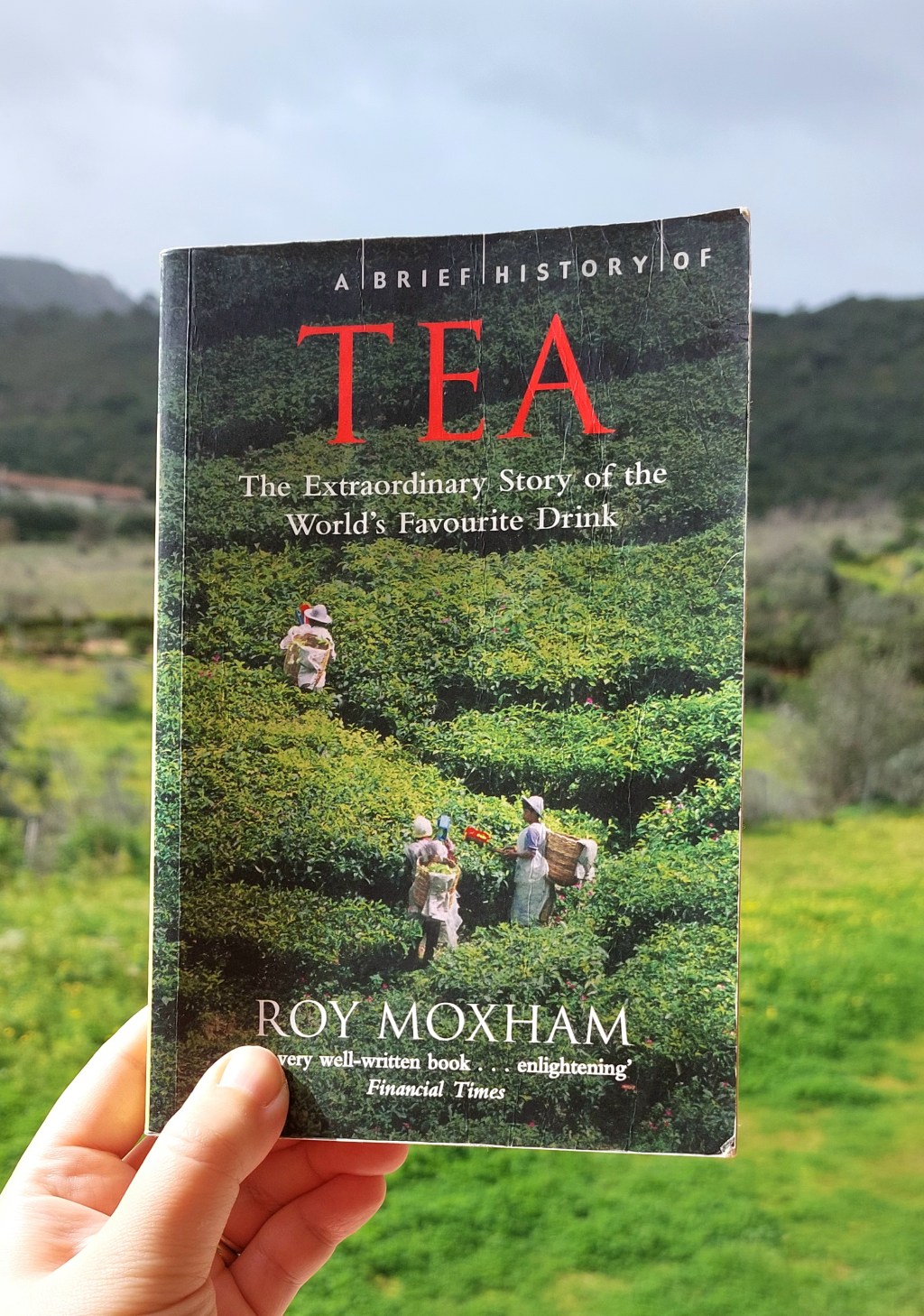
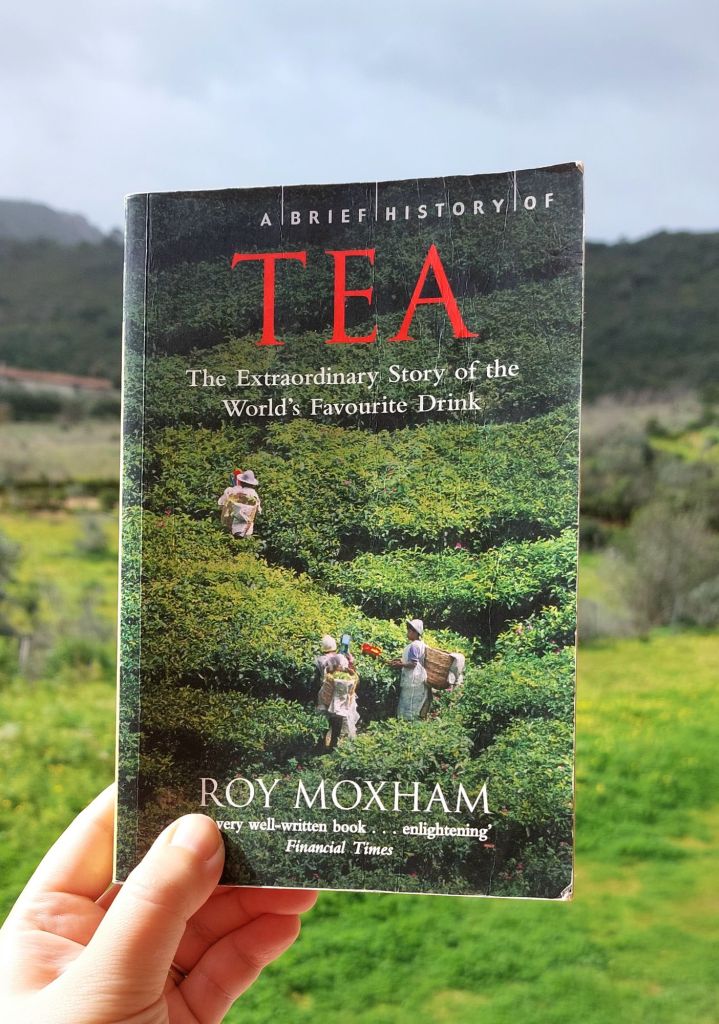
A BRIEF HISTORY OF TEA:
Addiction Exploitation and Empire (Brief Histories)
Roy Moxham 2003
258 pages
Read in 2020.08
🔽 Book review and notes 🔽

Very informative, it calls itself "brief" because it's the name of this series but it's not that brief, don't take it lightly.

A history book around tea - which obviously focuses heavily on Britain, China and India.
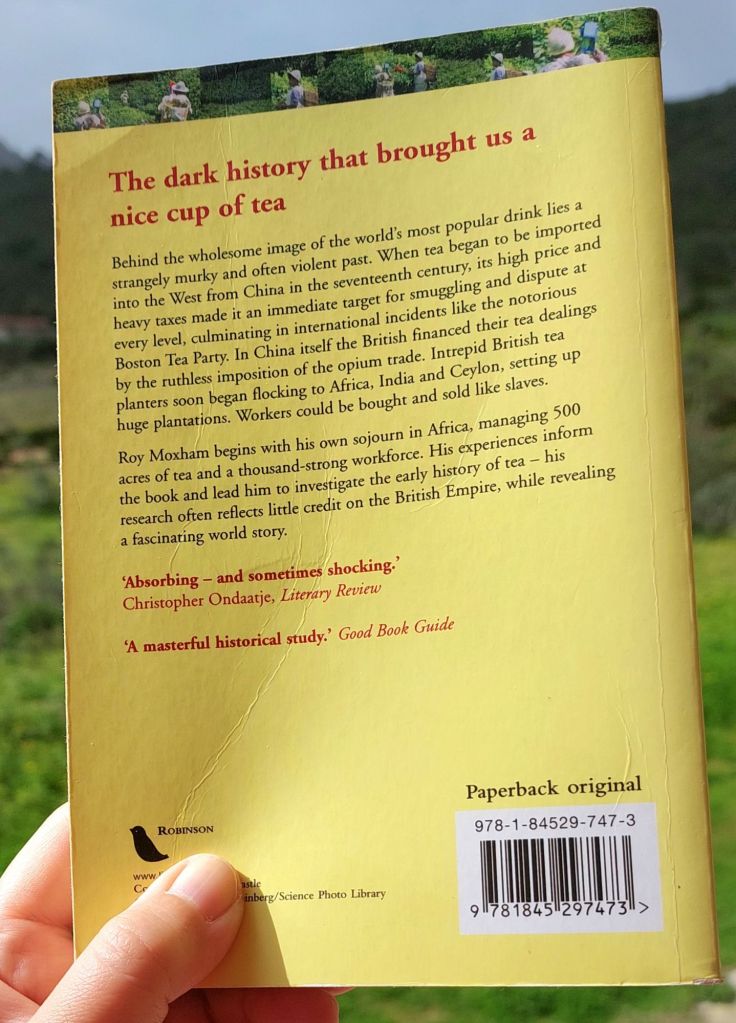
How British spoiled and destroyed the moral of China, with the famous final blow with the Opium War, and how they took advantage of India completely and systematically, simply for the benefit of British.
It is a nasty colonial history that we must not forget, that Britain today is based on.

Almost the same fate as chocolate, it's originally outside the European vicinity, so they decided to move to Africa which is close enough for easy trade and of course the cheap labour.
Cheap tea is made closer to to Europe, in Kenya today.
★★★★★ Jamaican British nurse whom British and Nightingale rejected for being non-White, but she pushed her way through serve her mother country in Crimea regardlessand was loved.
🔽 log 🔽
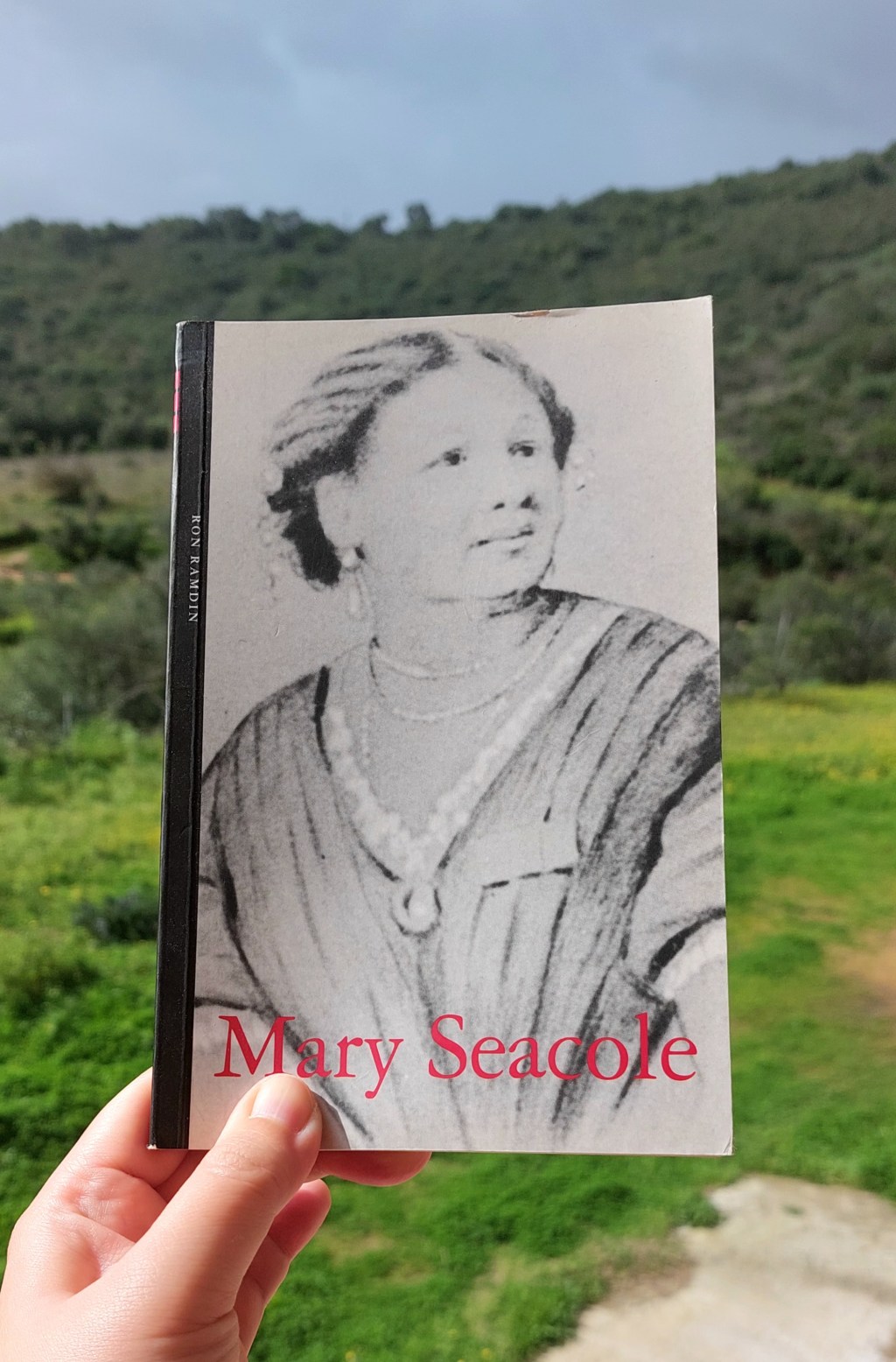
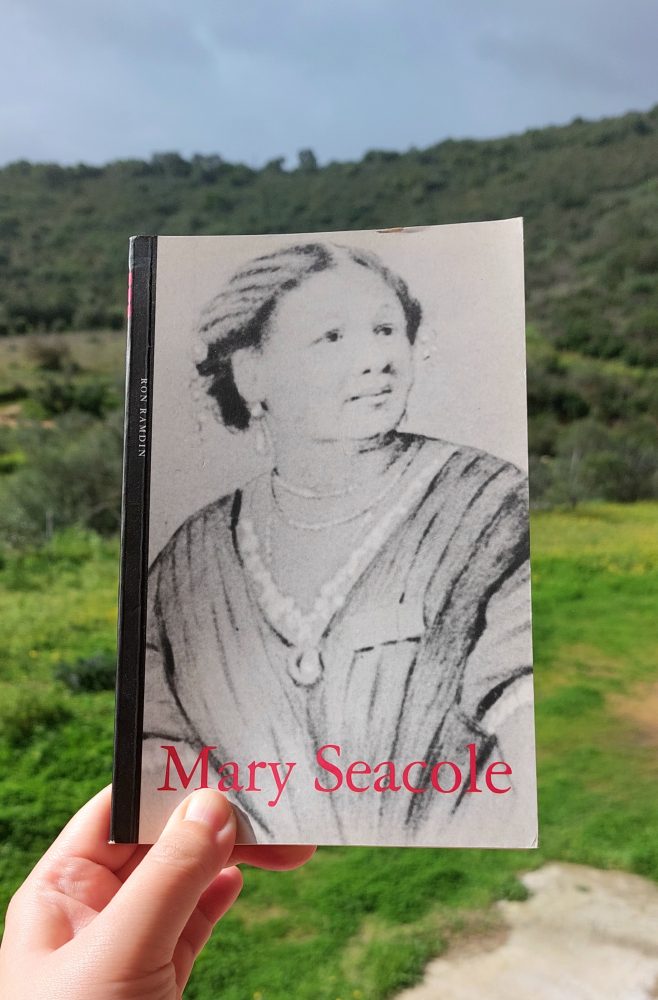
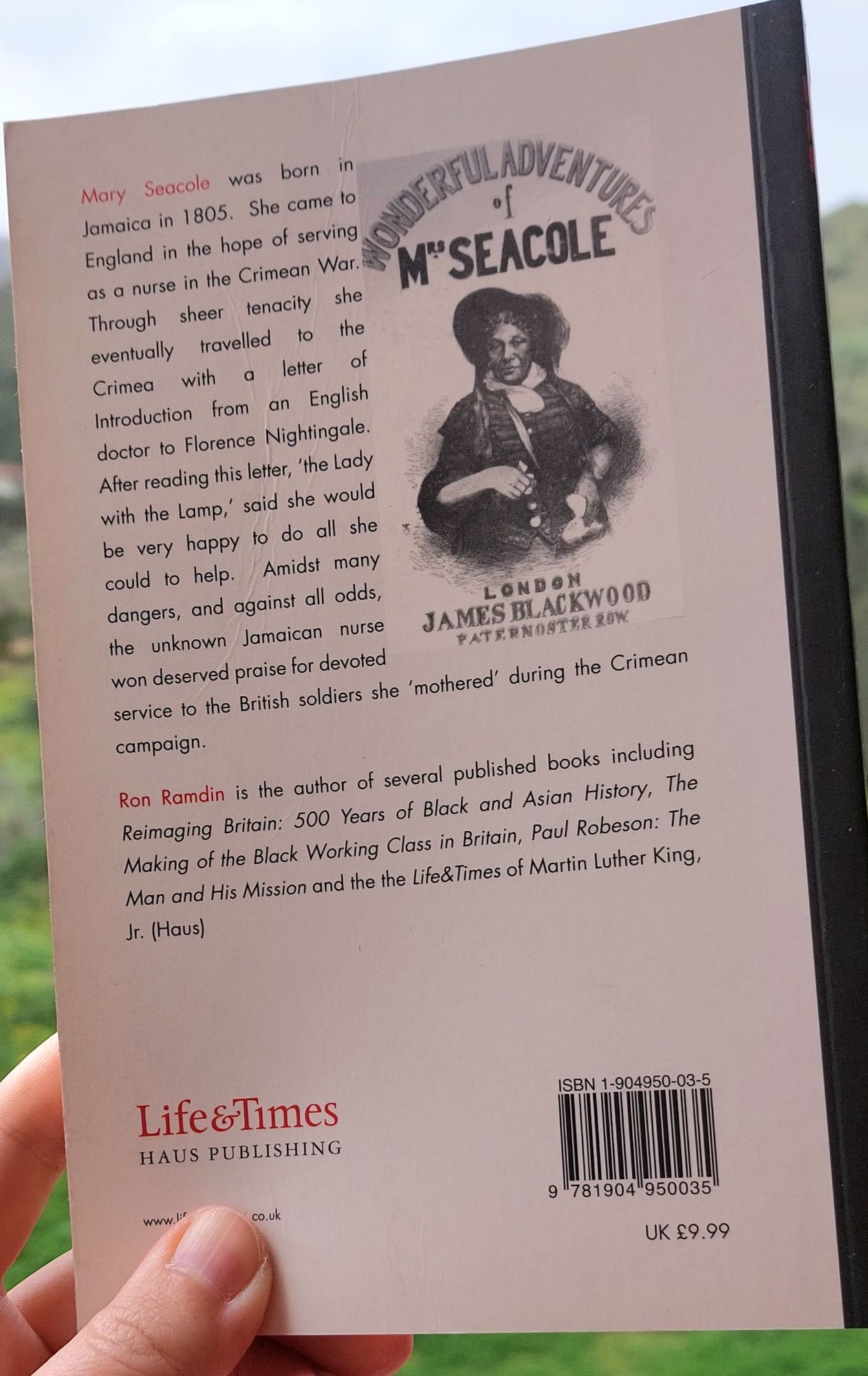
Mary Seacole
Ron Ramdin, 2005
190 pages
Read in 2020.07
🔽 Book review and notes 🔽

Biography of a Jamaican British nurse who pushed her way through to Crimea to serve her mother country.

Contemporary to Florence Nightingale, Seacole chose to be closer to the battlefield, not only financially funded her way through to the battlefield, she established a sort of restaurant business to support herself while working as a nurse.

Why did she have to make her money to help the wounded British soldiers?
Because the British government and Nightingale rejected her, precisely for being non-White.

It's a revelation of the dark side of Nightingale, as well as the determination of the mixed race woman, who paid little attention to the colour of her skin but more to serve the Britain and her dying and wounded "sons" (she called soldiers sons).

But Britain did not show the gratitude she well deserved.
As it's been said many times elsewhere, it's not correct to refer to her as "a black Nightingale", they were very different and the impression we get today from the record is, a very strict Nightingale didn't appreciate Seacole much who gave not only care to the wounded but also joy.
★★★★☆ A very thorough book, about tea and all about tea. Very British, it's just like how they know how to dissect wine, but tea is a lot closer to their hearts and pride.
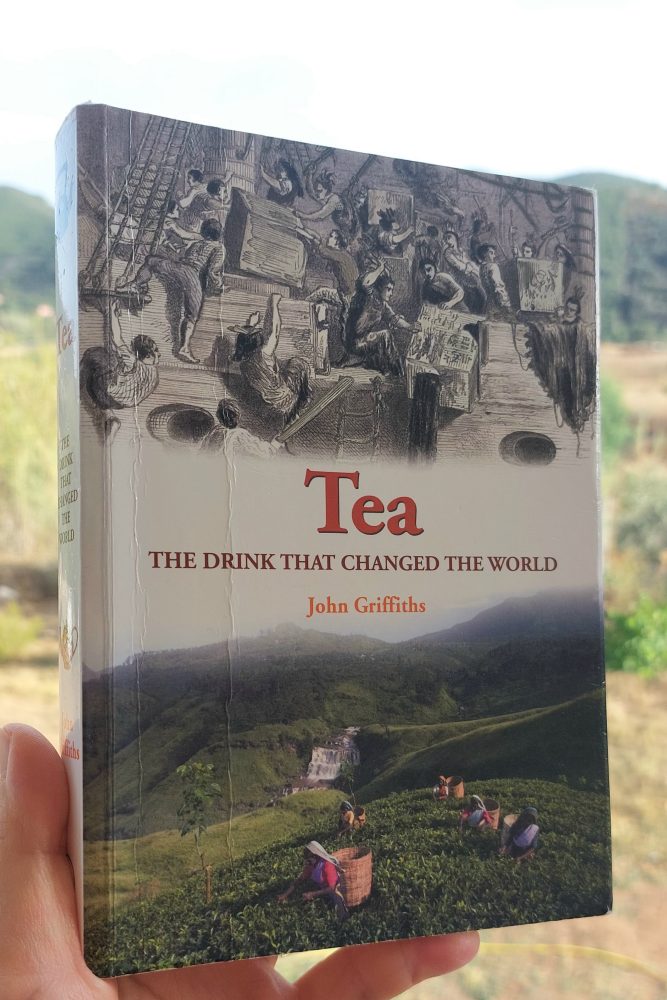
🔽 log 🔽 Tea, the drink that changed the world (Tea: A History of the Drink That Changed the World) John Griffiths, 2007 373 pages Read 2024.2
🔽 Book review and notes 🔽 A very thorough book, about tea and all about tea. As the author is a British politician as well as a son of a tea garden manager, it’s detailed, and definitely well researched, it goes into a lot of politics and figures, rather than sensibilities of tea as a culture.
It talks about tea by topic per chapter, which somehow made it difficult to read for me but it’s justifiable because it touches a lot of aspects. Very British, it’s just like how the British know how to dissect wine, but tea is a lot closer to their hearts and pride.
★★★★★ Also in Japan, they teach you that "Japan was always isolated and agriculture was the main industry". This book teaches you instead that how that "common sense" is wrong.
🔽 log 🔽
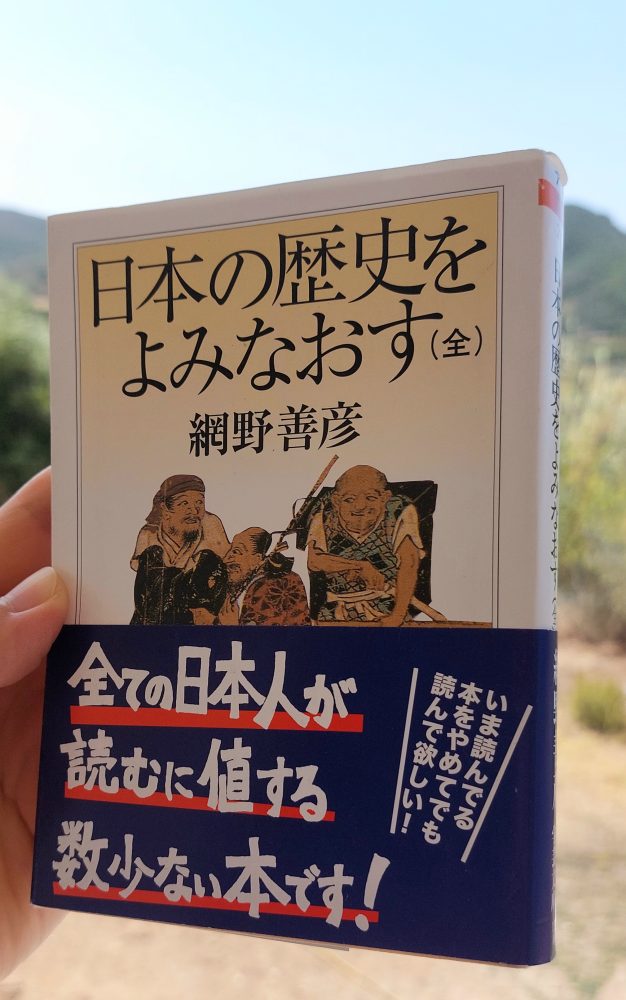
Rethinking Japanese History
Yoshihiko Amino
日本の歴史をよみなおす(全)
網野善彦 2005 (1991-)
Read 2024.3


🔽 Book review and notes 🔽
I started reading this thinking it's just another history book.
How wrong I was.
This book is actually about how you should forget what they taught you as "common sense"

We have always been taught in Japan that it's made up of islands, thus isolated, and we only focused on agriculture.
But when you stop and think about it, how is it possible that Japan was surrounded by the sea but we only ever made rice and vegetables?
And of course, Japan had culture and technology to go beyond the sea to have trades.
Japanese culture (or cultures, anyway it was only recently united) was complicated, very liberal with sophisticated technologies and commercial power.
Oh yeah.
★★★★☆ At the turn of the century the wave of Westernisation was unstoppable. This book was a resistance from this Christian Japanese author, to claim that Japan was also great. A bit too subjective but the real value of this book is the intention of the author.
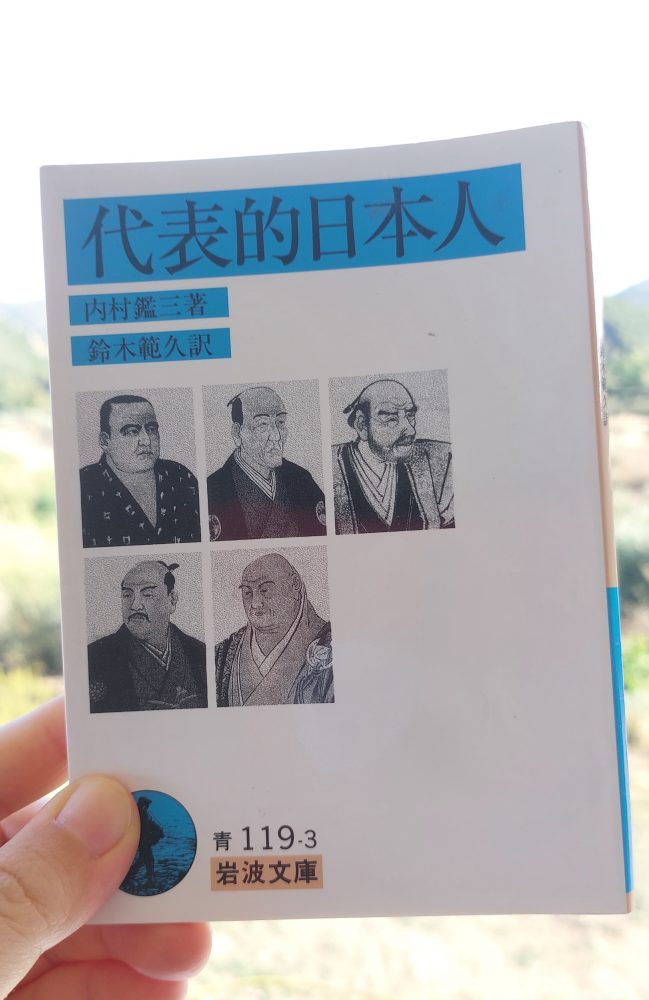
🔽 log 🔽 “Representative men of Japan” from Japan and the Japanese Kanzo Uchimura, 1894 and 1908 Read 2024.4
🔽 Book review and notes 🔽 It was originally written under the title of “Japan and the Japanese” in 1894, then released again as “Representative Men of Japan in 1908. You get the idea how nationalistic the intention was.
At the turn of the century, the West has ruined Asia and the wave of Westernisation was unstoppable. This book was a resistance from this Christian Japanese author, to claim that Japan was also great.
As it turns out, a lot in this book is subjective. Each chapter starts off by introducing how Japan is doing in the particular field, and goes on to say how each man is great and Japanese are wonderful. The first man in the book is Takamori Saigo, and the book goes a bit extreme to praise his idea that Japan should conquer Korea, Seikanron, which I felt uncomfortable, but then I read in the afterword that Uchimura soon later became anti-war so those comments were just left over from his older belief. Today he is remembered as a pacifist (so it feels weird he had agreed on seikanron, but there you go people can change)
So, it is a bit too subjective and very specific to this particular period of time in Japan to actually learn any history of Japan or these Japanese men. However what’s more important and interesting, indeed the value of this book, is the intention of the author, why he wrote it in this way, how he wished Japan to be equal to European powers and how that was the aim of many intellectuals from this period.
★★★★★ Though the slavery from Africa was by then banned the labour was much needed in the Caribbean. Written by a friend who is a descendent. Slave trade has only changes the name.
🔽 log 🔽
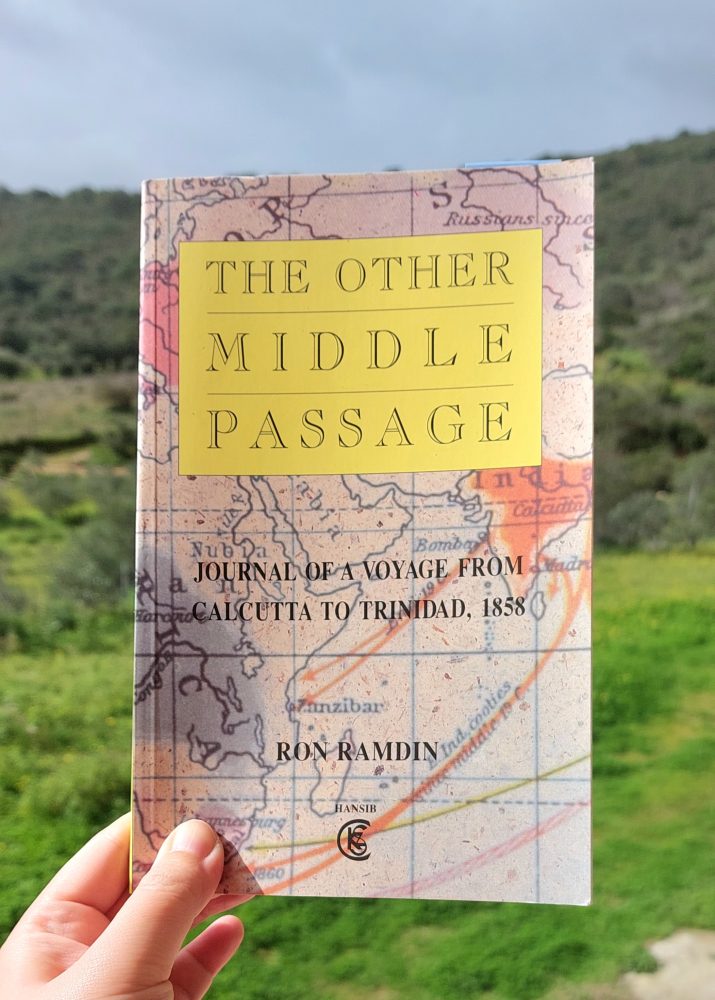
The Other Middle Passage:
Journal of a Voyage From Calcutta to Trinidad 1858
Ron Ramdin, 1994
62 pages
Read in 2020.06
🔽 Book review and notes 🔽

Written by a friend, who himself is a descendent of the emigrant of Coolie Trade, the system established by Europe after abolishing the Slave Trade, though they are very similar.

The first part is written by Ron to introduce the background and go through the conditions of these journeys that the Indian emigrants had to make were.
He focuses on this particular ship that lost 124 lives out of 324 during the 108 day journey in 1858.

Though the slavery from Africa was by then banned the labour was much needed in the Caribbean, so it continue to be a very important "trade", to eradicate the freedom from fellow human beings and the Europe solely focused on the profit.

And the second part is the actual journal and writing from his wife. Every day somebody died.
Not a surprise for anyone, as the physical conditions and the distress made them prone to be sick and eventually die.

If you are interested in getting a copy, I might be able to help as they are not easily available.
★★☆☆☆ It was interesting for the first half, exactly what I hoped, about Kalimpong and its history. Then, it gradually changes the tone and he starts to preach.
🔽 log 🔽 Chasing a blazing fire in the Himalayas A brief sketch of the (un)noticed Kalimpong Pentecostal revival Anmol Mukhia, 2020 146 pages Read 2024.5
🔽 Book review and notes 🔽 It was interesting for the first half, exactly what I hoped. (Though I didn’t really know when I bought it) It actually talks about the history and the background of the Christianity in Kalimpong and the area. Then, it gradually changes the tone and he starts to preach. The conclusion chapter has nothing to do with Kalimpong but just how to be a good Christian. Not what it says on the tin, I skipped through towards the end.
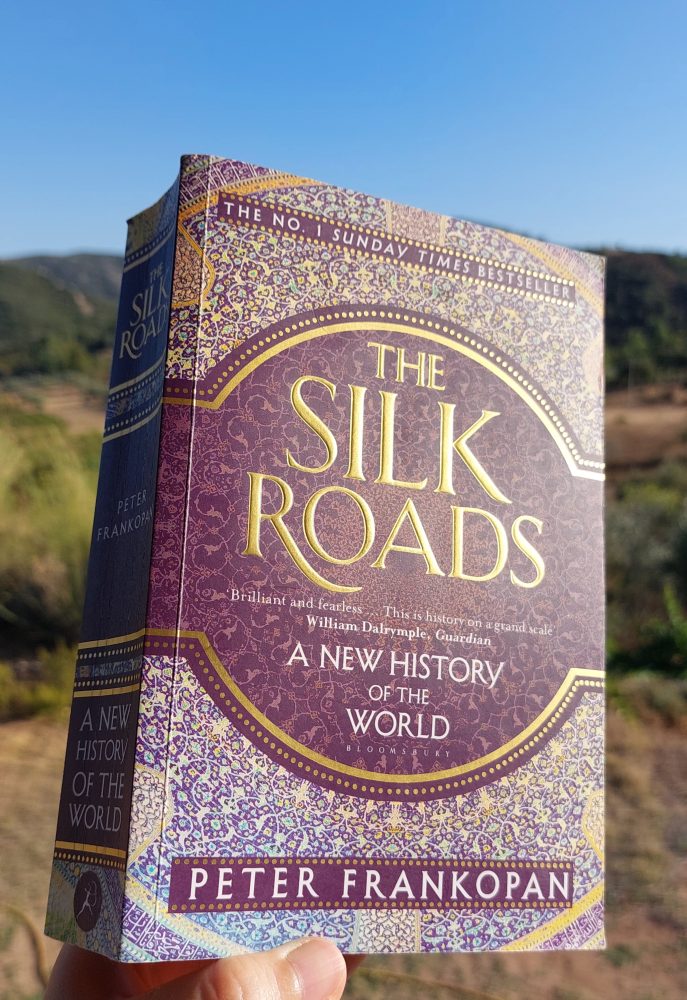
★★★★★+♥️ This got me interested in history. How the Middle East had a wonderful history and traditions, and how Europe has always been greedy. Frankopan is so serious that it's funny.
🔽 log 🔽
The Silk Roads: A New History of the World
Peter Frankopan, 2015
657 pages
Read 2024.6


🔽 Book review and notes 🔽
An epic.
This got me interested in history, a lot more than before, it has that charm, it doesn't just give you knowledge, it is entertaining.

It is a book about the whole history of the silk roads (plural, because it's not just one road) but surprisingly it's not boring, it is very entertaining and exciting as a book, like a big intertwined story.
It illustrates the magnificent and rich history of the Middle East, and how greedy Europe has been using the religion as an excuse, and how Europe faded and in came the US, the new Empire, with its selfish democracy as their weapon.

And after reading this, you know why the Middle East being rich is not a new thing, it's not merely the quick money as the West wants to portrait it.
They have a looong history, long and rich.

Maybe it's just the end of the European and American empires, and could be just the return of the Silk Roads.
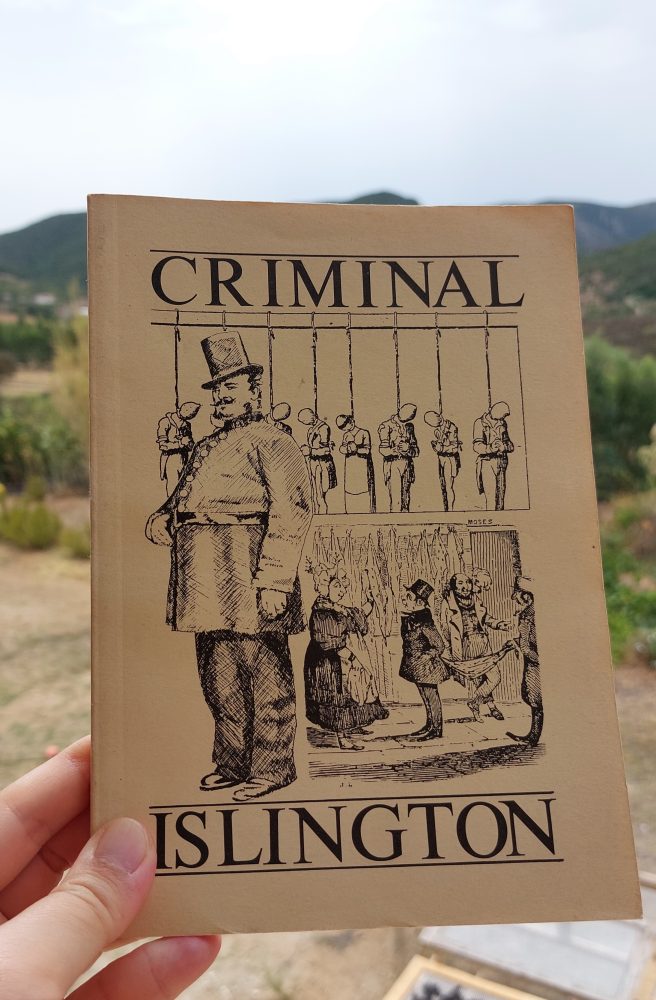
★★★★☆ Record of crimes, policing and prisons in Islington, my home in London. This is when British Empire was at its peak, yet, citizens of London lived in poverty. Hypocrisy.
🔽 log 🔽 Criminal Islington The Story of Crime and Punishment in a Victorian Suburb Islington Archeology & History Society, 1989 90 pages Read 2024.7
🔽 Book review and notes 🔽 Collection of essays related to criminals, policing and prisons. Being so closed to the City, Islington, especially Clerkenwell had a pretty bad history. It’s interesting that there was no “police” outside of the City, and at the same time people realised that the petty crimes are born out of poverty so the policing and the housing improved the situation.
Crazy to think that the alleys in London were so poor yet they had the Empire.
In any case, interesting to know the area I know so well has such an interesting (but not very proud) history.
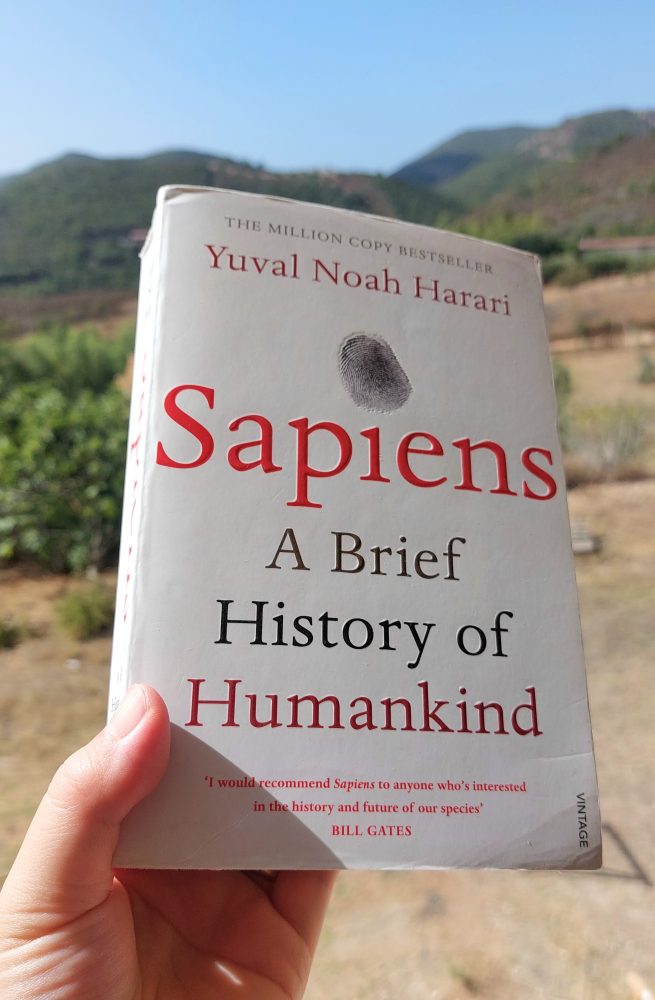
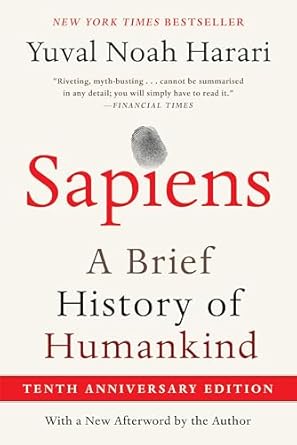
★★★★☆ It is scary to think just how we continue to demand to be strong, stepping on all the other animal and the ecosystem that surrounds us – and, on other fellow human beings.
🔽 Book review and notes 🔽 One of the most talked about books in the last decade.
As I was warned, it is interesting, clever, provoking but above all scary. It is scary to think just how we evolved to be the most powerful being on the planet, and how we continue to demand to be strong, stepping on all the other animal and the ecosystem that surrounds us - and, on other fellow human beings.
If you stop and think, it's crazy how we're destroying our world by selfish.
As he says, the earth is a big shopping centre. We love to consume and want more - but what exactly do we want? What is the happiness that we want? And in future, when we evolve to something new, what new things will we want?
Another scary part is, he doesn't seem to criticise this aspect of our greed and seem to just speak about it, which might be alarming. So though interesting, I don't like it, and I kept it with 4 stars only.
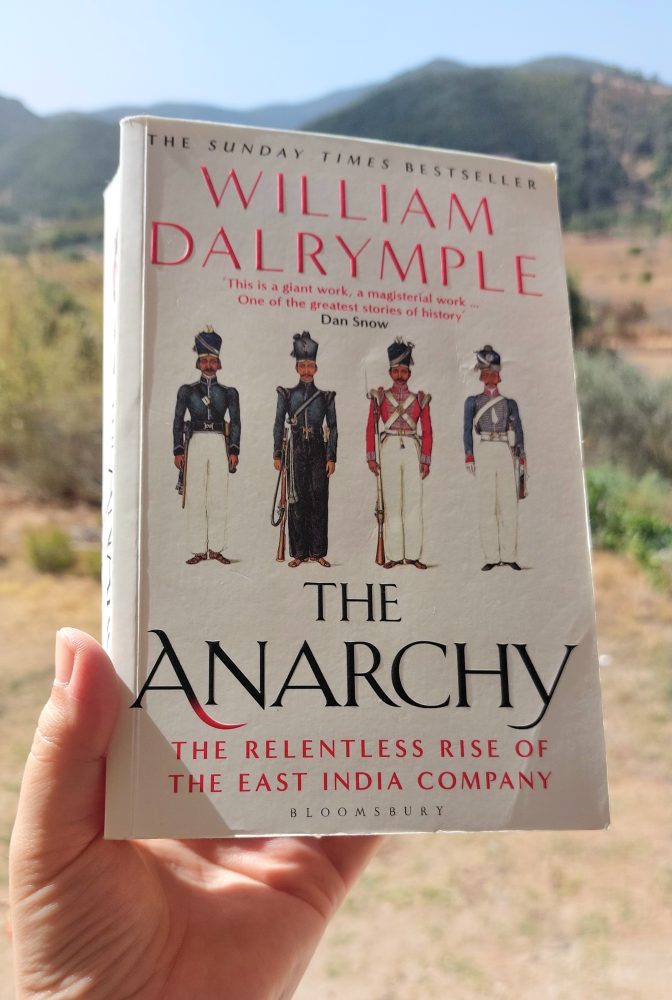
★★★★★+♥ Why was the East India Company so successful? Well, because they were disrespectful, aggressive, opportunist, deceitful and selfish gang of thugs. The book is such a cultural heritage not only because it’s insightful but also passionate and humane.
🔽 log 🔽 The Anarchy The relentless rise of East India Company William Dalrymple, 2019 576 pages Read 2024.08
🔽 Book review and notes 🔽 A great book, definitely the top, the best. It’s the topic I’ve always been interested in; how in the world could small England colonise India, a great power?
So is it like, Mughal Empire was a lion, and EIC a hyena? A handful of gang, a mob, disrespectful, aggressive, opportunist, deceitful and selfish, who only thought of making quick money, took the gamble for their own profit. They were hardly truthful to their employer, government or Crown either. But East India Company was too big to fall, Britain was too dependent on the wealth India brought, so they nationalised it, and took over what EIC had, ie the power over the subcontinent, the start of the British India.
History is definitely more interesting and exciting than fiction here, the facts are fascinating but then you have Mr Dalrymple writing about it with his compassion, passion and humane sensibility, it becomes such a force, it’s so powerful, and utterly important.
This careful yet brave book focuses on the fall of Mughal Empire and how EIC took all the opportunities with aggression and lies, because that is what it was, and it’s hardly to do with the ability of EIC as merchants. It contains endless anecdotes and references taken from the writing of the time that had been buried in the cluster of materials in India, so they are the facts that we were never aware of. And facts are scary, truth hurts, historical facts almost always hurt Britain. No wonder, sadly, some people don’t like Dalrymple’s books, history hurts them.
One particularly interesting character that I didn’t know about was Warren Hastings who loved and cared about India, unusual for EIC employee but had nasty enemies.
Again a great book, I’d even go as far as saying an important cultural treasure, and an instant classic.
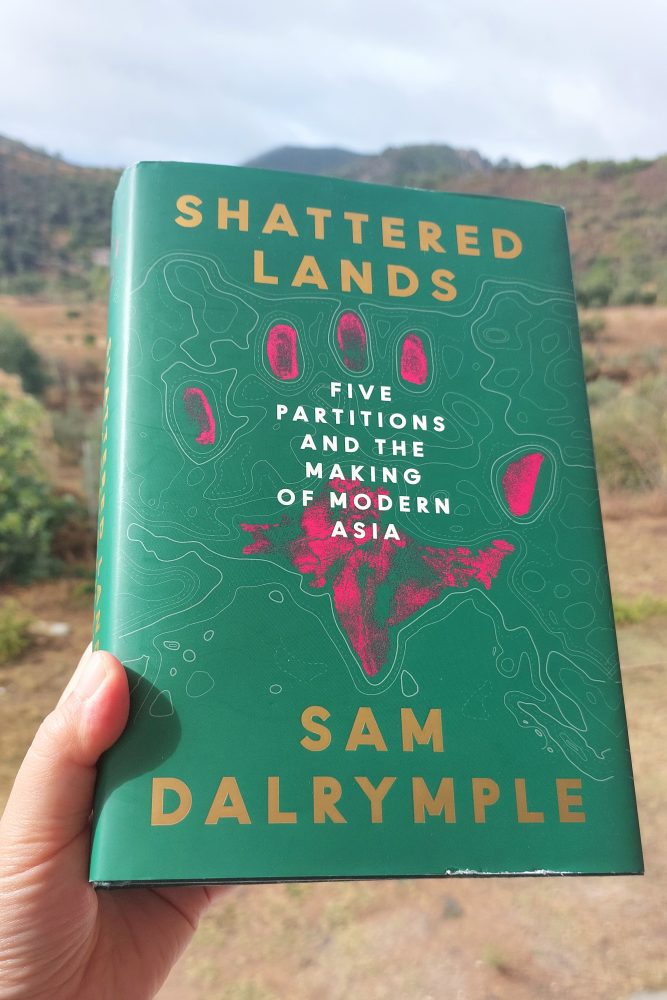
★★★★★ 5 Partitions, not just one. From Yemen to Myanmar, The British India was one entity where cosmopolitan people had lived in a sort of harmony. An important history that was until now “forgotten”, and an important book.
🔽 log 🔽
Shattered Lands
Five Partitions and the Making of Modern Asia
Sam Dalrymple, 2025
UK
528 pages
Read 2025.09


🔽 Book review and notes 🔽
A great book on the topic that is shamefully unknown to a lot of us, even though it's not so long time ago and even though it totally shaped Asia today.
All the problems in Asia that we see on the news today are not simply because the local people are "naturally" violent, of course not, there is always a cause.

And the cause is, this. The British Empire had ruled and gained much from the British India and local Princely States (so very wide, from modern day Yemen to Burma, to Qatar. Qatar! And British Empire had 25% of the world population back then) until one day they couldn't financially support it so they dropped the ball, without thinking of the very probable consequences, namely, the shattered lands and shattered people.

The book carefully follows 5 Partitions, rather than only the more widely known THE Partition between today's India and Pakistan.
Myanmar, Arabian peninsula, India-Pakistan, Princely States, and Bangladesh.
People like me who knew so little would be surprised at how everything fell apart quickly, and be utterly shocked how millions of people crossed newly drawn borders each time. And every one experienced some horror; the violence, looting, rape, and many killing.
The consequences of the relocation, the migration, and of course of refugees like Rohingya people still remains as huge problems.
Stereotypically, British officers’ works were full of lies and betrayals, their selfishness with their strong interesting in keeping their hands clean. As a predicable result, people who lived in cosmopolitan societies, were suddenly put in various corners of Shattered Lands, and they turned against their neighbours because they now became their enemies.
What got me thinking most throughout my reading was how pre Partitions era things were more secular, and as the lands got divided it firmly became a matter of religions and ethnicity, it was all about nationalism, of the new nations that were born out of the shattered lands – again and again in the each phase of the Partitions. Not that the colonisation era was good, but you cannot stop wondering, if we now want to end the fighting in Asia would we have to eliminate the notions of religion and ethnicity? Letting go of the sense of community or tradition? The peace of mind it provides? Is it really a dangerous thing to have a tradition?
I heard somewhere that people who experienced the Partitions, probably just like our grandfathers in Japan who were sent to the war, have preferred to keep quiet. They chose to take the horror, errors and shame to their graves, and their children also kind of hesitated to insist. However, now that it’s their grandchildren’s generation, things are now becoming uncovered and dusted off because they are finally opening their mouths to tell us. And this might be one of the reasons why this book is written now at this moment in time, by this brilliant author who is in his 20s, and this is one of the reason this book will remain in the history to come.
The book has great details with wonderful storytelling skills, and most notably it has the marvelous sense of humanity, just like his father, Sam Dalrymple is such a humane human full of compassion and passion, with giggles – but he is already on his own feet, and how exciting is it that two Dalrymples are on the chart? Very.
★★★★★+♥️ The more I read the more I’m interested in Sikkim, and this is definitely the most thorough book to learn about the end of Sikkim, and of the king, chogyal. It makes you want to go there… again.
🔽 log 🔽
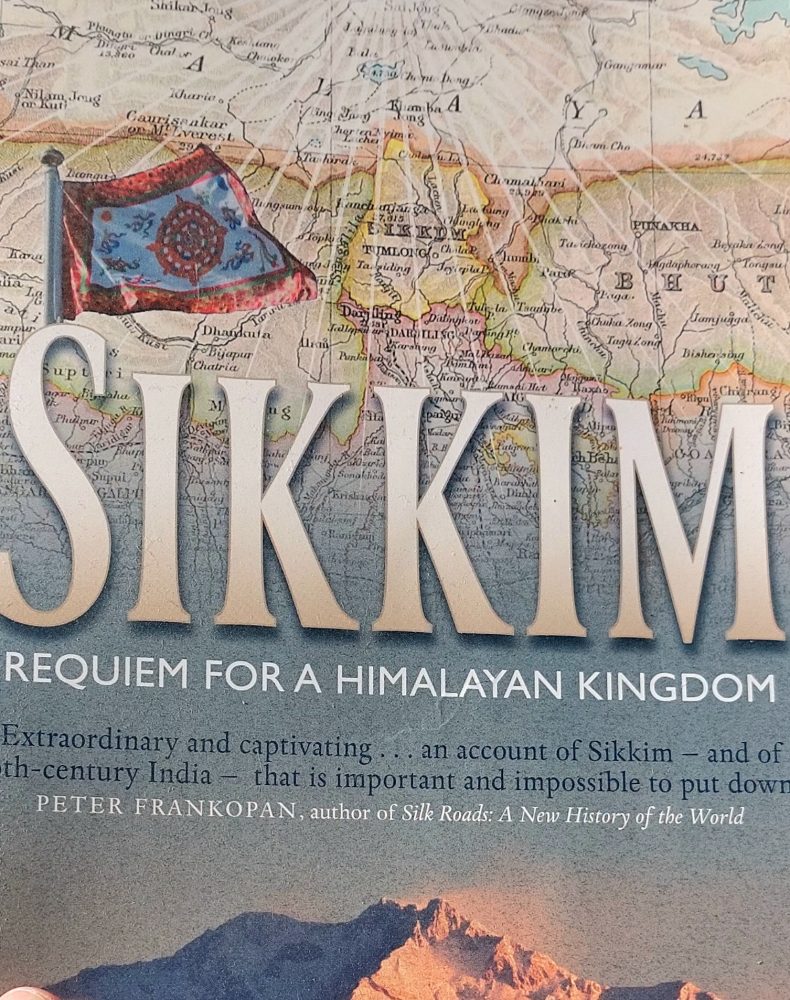
Sikkim
Requiem for a Himalayan Kingdom
Andrew Duff, 2015
320 pages
Read 2023.01


🔽 Book review and notes 🔽
The history of the last few decades of the kingdom before it was annexed by India and the story of their last Chogyal, their last king, Thondup Namgyal.

The more I read the more I'm interested in Sikkim, and this is definitely the most thorough book to learn about Sikkim.
The author on the other hand, is Scottish who loved listening to his grandfather telling him about his journey to Sikkim when he was young.
In 2009 he finally managed to get to Sikkim, and in a Buddhist temple near Pelling, he met a strange monk who gave him a book to read.
The book was called Smash and Grab (my review here), the monk was Yongda who used to be the chogyal's Captain, and this is how his work has begun.
Andrew Duff knew he had a story to tell. And I'm glad he did.

From the 17th century Sikkim had been governed by a Tibetan king, Chyogal.
It has borders with Tibet (with China behind), Bhutan, Nepal then India, so it's fortunately or unfortunately located in a strategically important place, as such, of course all the great powers were all over this tiny kingdom.
During the British era, British called in Nepali to cultivate the land to boost economy, even though Nepal had been an enemy of Sikkim for centuries.
The mass immigration meant that the ruling race, Tibetan, became the minority.
Now, Britain has left India, and increasingly the last chogyal was vocally against Indian influence to maintain his kingdom independent.
Sikkim was split in half, those who supported the chogyal and those who didn't, which was not an unobvious choice for the majority of Sikkimese who were Nepali origin.
Was he only clinging to his personal power? His illusion? Was he unnecessarily influenced by his young American wife (Grace Kelly of the East)? Did he do his politics well? Did he had a choice?
It's a fascinating book that goes deep inside the life of the last chogyal.

All the essence of the Himalaya is here, between the big powers, India and China, and of course the British Empire, what could a tiny kingdom do?
But it's also his very personal struggles of keeping him kingdom, of his young American wife.
Many say he played his cards wrong, but actually, he had no chance of winning anyway against India.
Sikkim remains to be a unique little bits of India.
★★★★☆ Brief history of 100 unapologetic badass women. These great women are not less. As the author says, before we go and read in depth about them, it is first of all important to know they existed.
🔽 log 🔽
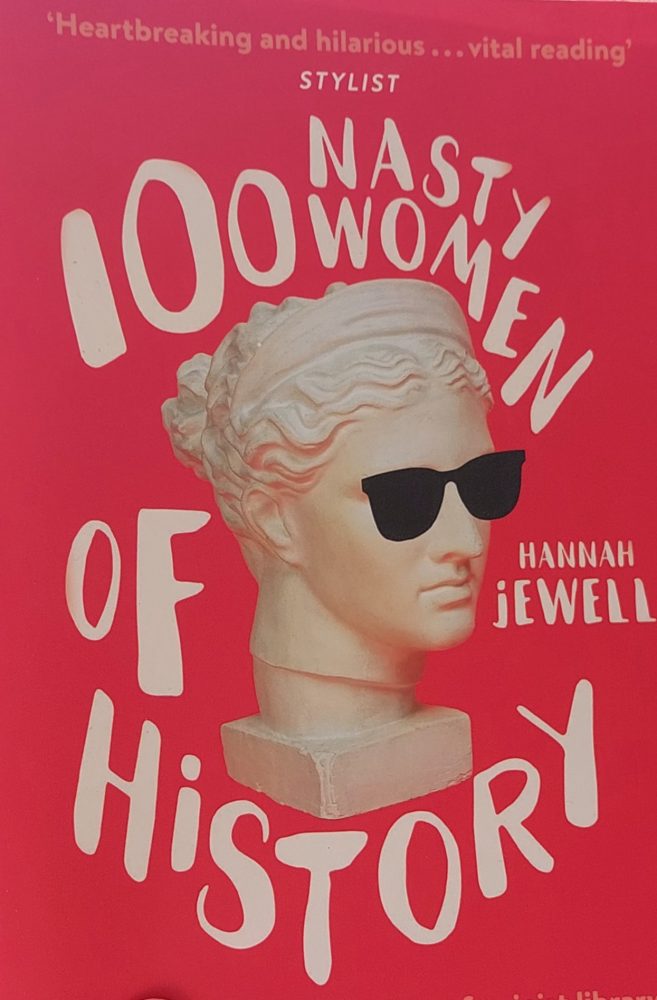
100 Nasty Women of History:
Brilliant, badass and completely fearless women everyone should know
Hannah Jewell, 2019
376 pages
2022.03


🔽 Book review and notes 🔽

Brief history of 100 individuals - 100 unapologetic badass women.
As the writer says, before we go and read in depth about these women, it is first of all important to know they existed.

It's amazing how these brave women are buried away in history.
They are equally important to any of the male in history. But no, women are always less.
Less important. Or they managed to make a difference "by chance" or they're not heroes they are just, "nasty"
Easy and exciting to read, it's entertaining and the writer jokes and swears a lot, but not too much.
Definitely makes you want to do further reading.
★★★★★ This book talks about Darjeeling tea – history, the people, the owners and workers, the soil; its problems are as iconic as its taste. Darjeeling tea is iconic, that no other place could recreate, yet it’s stuck in its colonial history.
🔽 log 🔽
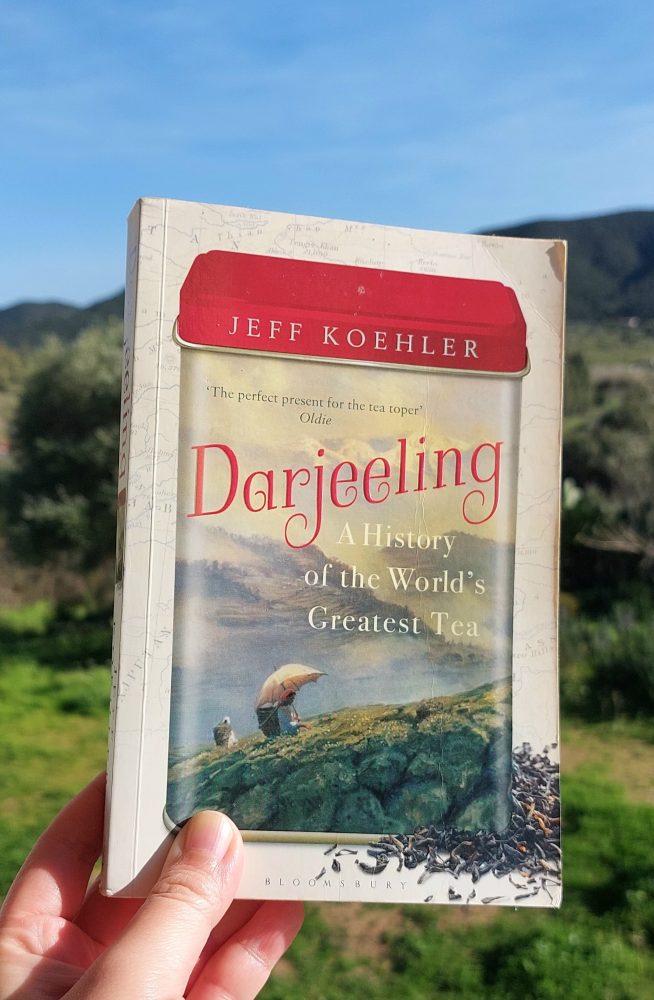
Darjeeling: A History of the World’s Greatest Tea
Jeff Koehler, 2015
286 pages
Read in 2022.04


🔽 Book review and notes 🔽
All about Darjeeling tea, in details. Extensively in details.

It talks about all the background - history, the people (the owners and workers), the soil; the problems are as iconic as the taste.
Darjeeling tea is iconic, that no other place could recreate, yet it's stuck in its colonial history.
And it's entirely based on the exploitation.
A painful fact is, a cup of Darjeeling tea could cost more than a day's wage of the plucker. It's located in such a unique bit of the planet, that living there alone is a hard job (access to water, heating).
And also uniquely, unlike other iconic drinks like champagne or whiskey or even matcha, Darjeeling tea is not as appreciated in its own country, India.

With all the problems, will people continue to drink Darjeeling tea?
Will people continue to make Darjeeling tea?
★★★★★ It’s a travel journal, except that the focus is not on the places but the people these places “created”. These traditions are disappearing. As India is now going for a national holy story, as they call it Rama-fication, how long will these very local faiths last.
🔽 log 🔽
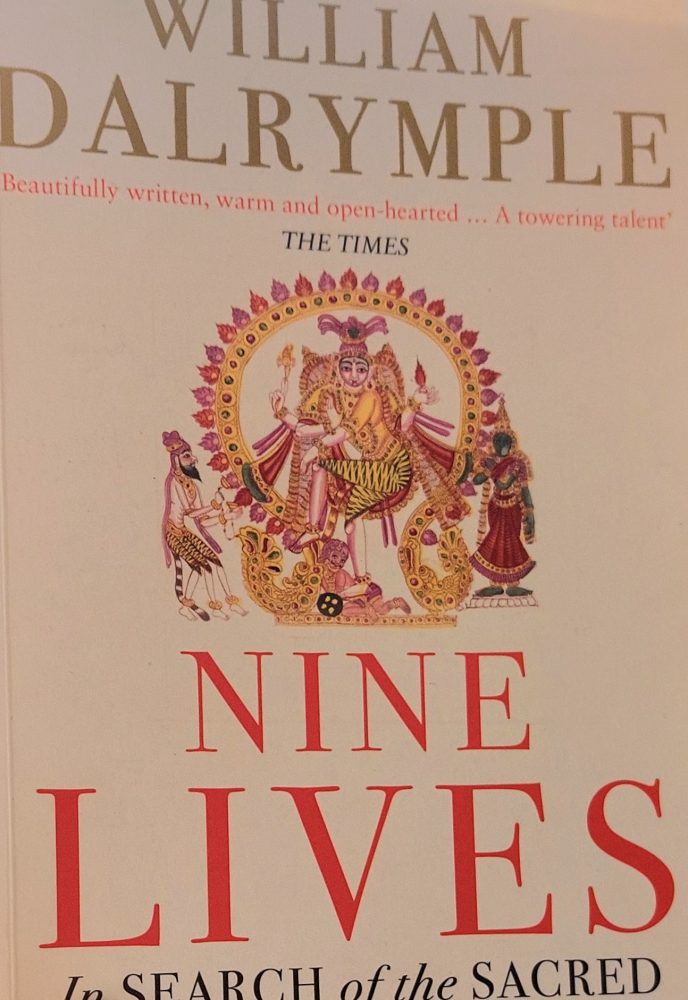
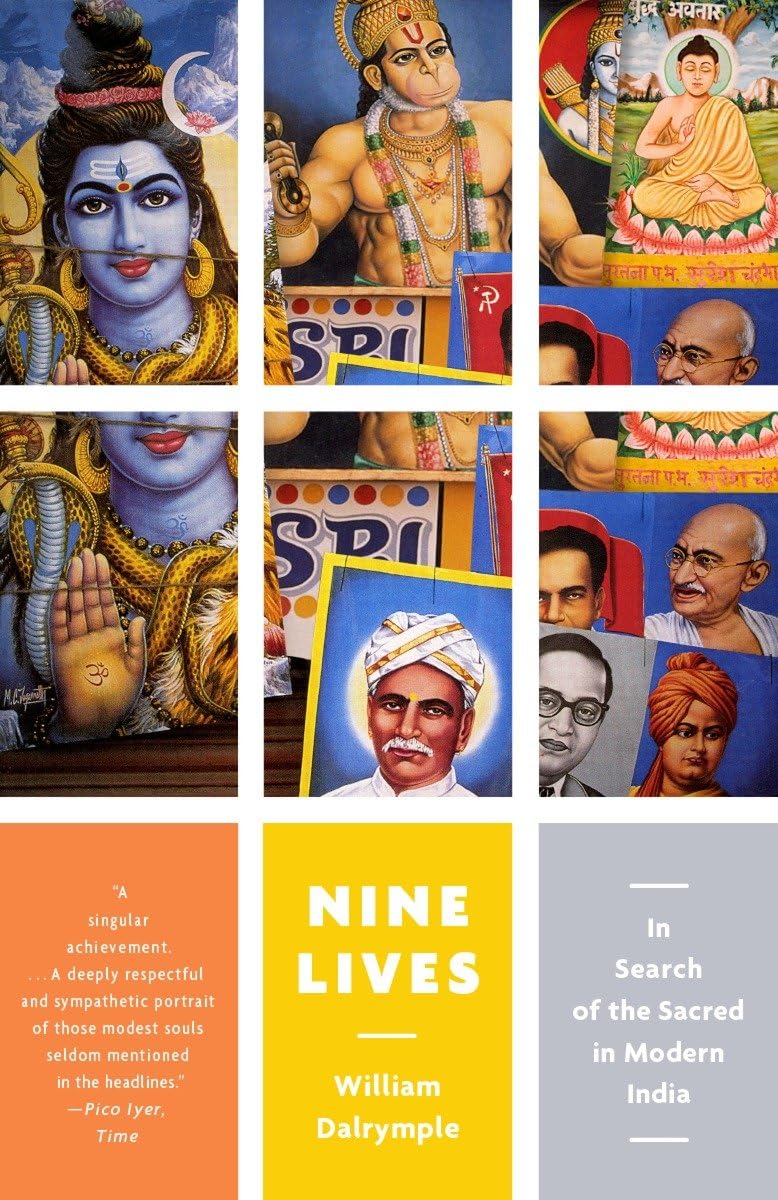
Nine Lives: In Search of the Sacred in Modern India
William Dalrymple, 2013
304 pages
Read in 2025.11


🔽 Book review and notes 🔽

A slightly different touch to other books I've read from Mr. Dalrymple.
It's a travel journal, except that the focus is not on the places but the people these places "created".

The book focuses on the 9 people who are admired as holy and sacred, because they have been "decided" to be as holy being by the society, or sometimes they chose to, or maybe they have great skills like creating the religious art.

As always Dalrymple is all about embracing as things are, he's not here to judge, he's just here to pass on their stories and traditions to a wider world.
As he says, and indeed as he saw, these traditions are disappearing.
They are not necessarily less religious but the modern India is now going for a national, standardised holy story, the nationalistic Hinduism, as Dalrymple calls it Rama-fication, rather than 1000s of very local stories.

India is lucky to have Dalrymple as their historian today, his curious eyes will record everything and with passion he shares with us.

The book focuses on;
A devoted Jain nun, dancer in Kannur Kerala, daughters dedicated to a goddess, but actually working as prostitutes, singers in Rajasthan, devotee of Sufi that embraces Hindu and Islam, Tibetan monk who was a soldier, idol maker in Tamil, devotee in Tarapith for a fearful goddess, and a blind singer in Bengal.



 赤パンの本棚